
















Top.Mail.Ru
Filters
Price , ₽
Selection
Brand
Profession
Город
Material
Тематика
Person
Тип
Сфера
Style
Autographs of famous writers
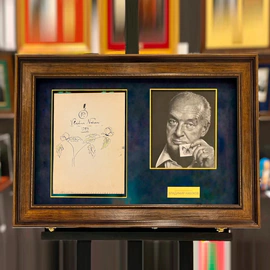
  Собственноручный рисунок с автографом писателя Владимира Набокова Собственноручный рисунок с автографом писателя Владимира Набокова Владимир Набоков — выдающийся писатель, поэт, переводчик и литературовед, оставивший значительный след в мировой культуре. Родился в 1899 году в Санкт-Петербурге в аристократической семье. После революции эмигрировал, проживая в Германии, Франции, а затем в США и Швейцарии. Наиболее известен своими произведениями, такими как «Лолита», «Защита Лужина», «Дар» и «Ада», отличающимися утончённым стилем, сложной структурой и игрой слов. Помимо литературной деятельности, Набоков был страстным энтомологом, посвятившим годы изучению бабочек и сделавшим вклад в лепидоптерологию. P. Hector, изображённый на рисунке, является видом, также известным как «Красный парусник», распространённым в Индии и на Шри-Ланке. Он отличается ярко-красными пятнами на тёмных крыльях, что делает его особенно заметным среди растительности. На рисунке Набокова видно его внимание к деталям: он тщательно прорисовывал изгибы крыльев и узоры, показывая свою глубокую любовь к этому виду искусства. В 1967 году, когда Набоков уже жил в Швейцарии, он продолжал писать статьи о бабочках для научных журналов и консультировать сотрудников Американского музея естественной истории, где до сих пор хранятся его коллекции.
2 000 000 ₽
Available:
Lubyanka
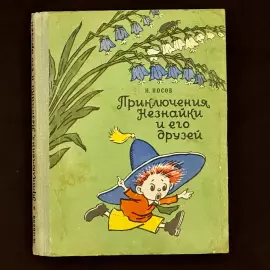
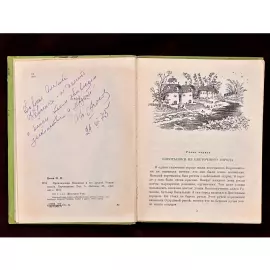
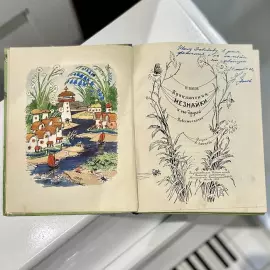
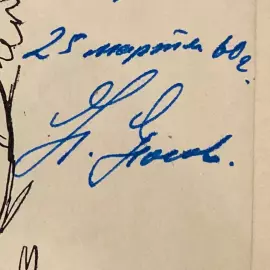
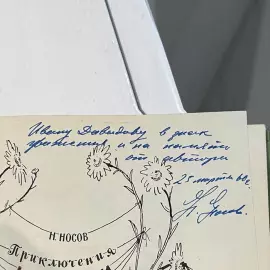
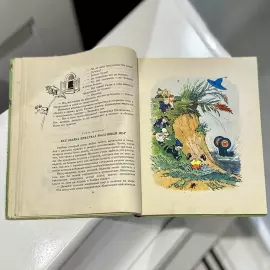
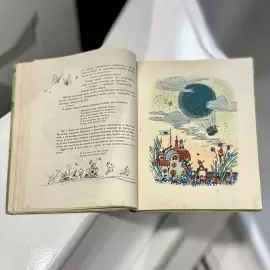
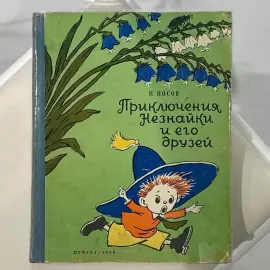
  The book "The Adventures of Dunno and his friends" by writer Nikolai Nosov The book "The Adventures of Dunno and his friends" by writer Nikolai Nosov On the title page is an extract from the author: "To Ivan Davydov as a sign Respect and memory from the author March 25, 60 N. Nosov". Nikolai Nosov is a Soviet children's writer, author of the famous series of books about the adventures of Dunno. Among his works, there was a place for many other popular books that have become classics of children's literature. Nosov was known for his light and bright writing style, and his stories are still loved by children and adults alike. "The Adventures of Dunno and his Friends" is the first book in Nikolai Nosov's trilogy about the adventures of Dunno, first published in 1953-1954. Nosov's idea of "Dunno" was born under the impression of Anna Khvolson's fairy tale "The Kingdom of the Little Ones", which he read as a child. The name of the main character was also taken from the tale of Khvolson. A separate Russian-language edition of the tale of Dunno was published in 1954 by Detgiz publishing house under the title "The Adventures of Dunno and his Friends" with illustrations by Alexei Laptev. It was Laptev who created the familiar image of Dunno, which other artists began to use after that.
550 000 ₽
Available in stock
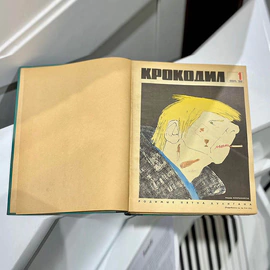
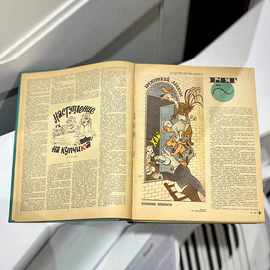
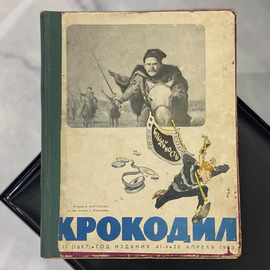
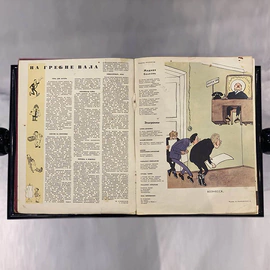
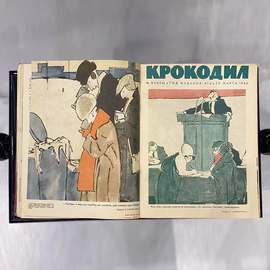
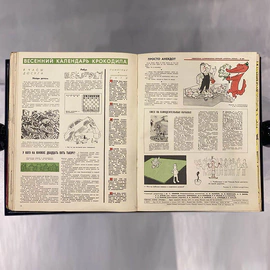
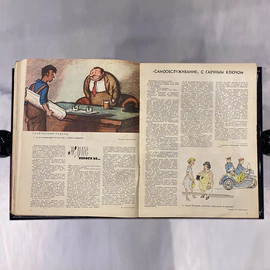
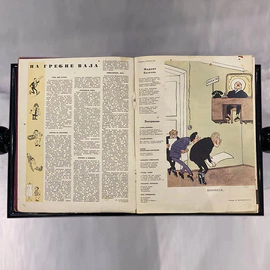
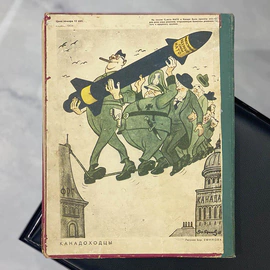
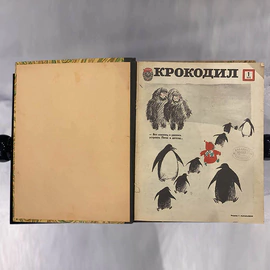
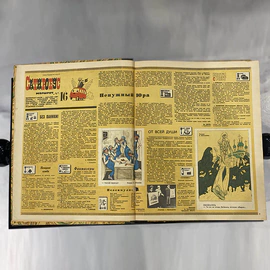
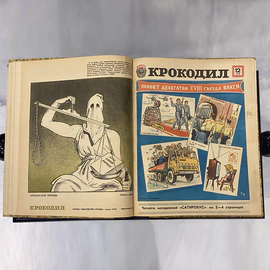
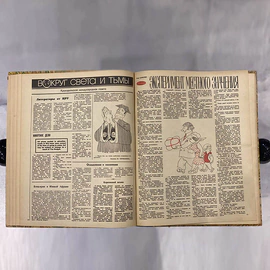
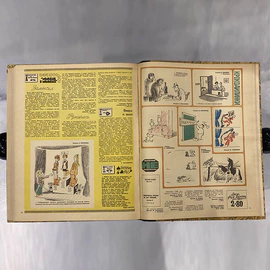
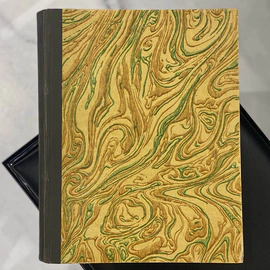
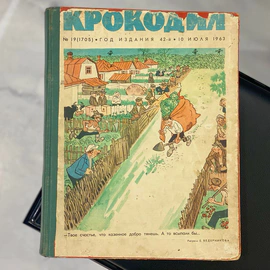
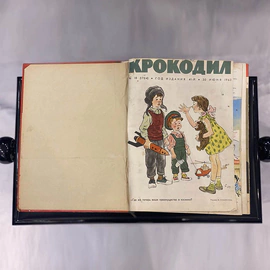
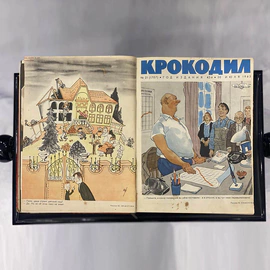
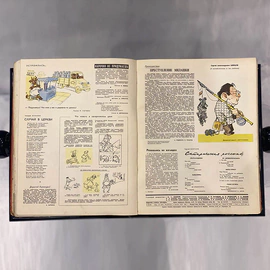
  The magazine of satire "Crocodile". Moscow: Pravda newspaper Publishing House, issues 1963 (No. 1-17). Semi-annual filing. The magazine of satire "Crocodile". Moscow: Pravda newspaper Publishing House, issues 1963 (No. 1-17). Semi-annual filing. Krokodil is a Soviet and Russian satirical magazine. The symbol of the publication is a red crocodile with a pitchfork. Krokodil was founded in 1922, first as an appendix to the Rabochaya Gazeta, and was published once a week. Over time, it became the largest satirical publication in the USSR. 1963 was the year of the creation of the hydrogen bomb in the USSR, the space flight of the world's first female cosmonaut Valentina Tereshkova, the year of the first flight of the Tu-134 aircraft and many other domestic achievements. In the best years, the circulation of the magazine "Crocodile" reached 6,500,000 copies, such famous writers in the USSR as Mikhail Zoshchenko, Ilya Ilf and Evgeny Petrov, Valentin Kataev printed their works in it. The Crocodile was often called the satirical mouthpiece of the CPSU. The magazine ridiculed grafters, bureaucrats, parasites and drunkards.
150 000 ₽
Available in stock
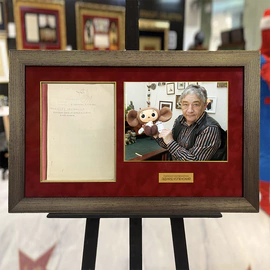
  The script of the cartoon "Baba Yaga vs!" with the autograph of the writer Eduard Uspensky The script of the cartoon "Baba Yaga vs!" with the autograph of the writer Eduard Uspensky The script of the cartoon "Baba Yaga vs!" with an autograph Eduard Uspensky is a Russian writer, screenwriter, author of children's books and winner of many awards and prizes in the field of literature. He came up with many popular characters: Cheburashka with the Crocodile Gena, the heroes of Prostokvashino, the Kolobkov Brothers and others. "Baba Yaga vs!" is a cycle of 3 Soviet hand-drawn cartoons from 1979, released by Soyuzmultfilm Studio for the 1980 Summer Olympics. Interestingly, Ouspensky created a non-standard image of Baba Yaga in the cartoon, she is presented not as a traditional evil old woman from fairy tales, but as an active and modern character. She is fashionable, owns her own business, struggles with various problems and even "competes" with other fairy-tale characters.
450 000 ₽
Available in stock
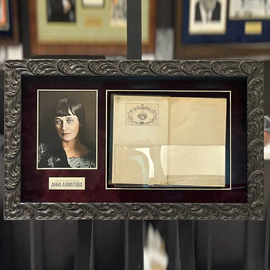
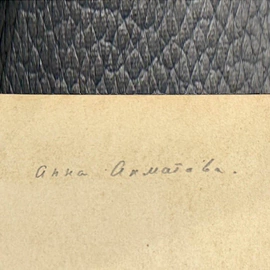
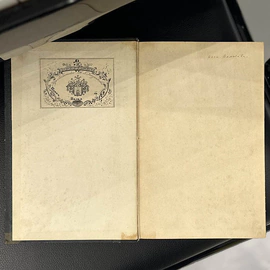
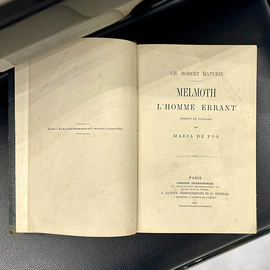
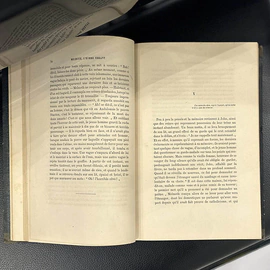
  Personal book "Melmoth the Wanderer" with an autograph and notes by Anna Akhmatova Personal book "Melmoth the Wanderer" with an autograph and notes by Anna Akhmatova The pencil inscription of the poetess on the free leaf of the flyleaf: "Anna Akhmatova". There are rare pencil marks in the text, made by the hand of the poetess. "Melmoth the Wanderer" is the most famous work by Maturin, an English writer of Irish descent. A typical example of the late Gothic genre of the Byronist era. This novel, written at the end of the first quarter of the 19th century in Ireland, became popular far beyond England and for a long time influenced the literature of many European countries, including Russia and France. In the owner's semi-leather binding of the epoch with gold embossed on the spine. On the flyleaf there is a paper bookcase "From the library of N.G. Kaznakov".
1 300 000 ₽
Available in stock
  The magazine of satire "Crocodile". Moscow: Pravda newspaper publishing House, filing numbers 1-36, 1968. The magazine of satire "Crocodile". Moscow: Pravda newspaper publishing House, filing numbers 1-36, 1968. Krokodil is a Soviet and Russian satirical magazine. The symbol of the publication is a red crocodile with a pitchfork. Krokodil was founded in 1922, first as an appendix to the Rabochaya Gazeta, and was published once a week. Over time, it became the largest satirical publication in the USSR. During its existence, Krokodil was known for its witty and funny materials, which often criticized social phenomena, political events and public life. The magazine has become a platform for many talented cartoonists and writers whose works have become classics of Soviet humor. The creators of the legendary cartoons are world—famous artists, including members of the Academy of Arts of the USSR and the Russian Academy of Arts — Boris Efimov, Kukryniksy, Dmitry Moore, Ivan Malyutin and many others. The graphic works on the pages of the magazine were distinguished by an original look, the highest artistic professionalism and technical execution. 1968 was a landmark year in the history of the USSR, during which Leonid Brezhnev became General Secretary of the Central Committee of the CPSU, the Prague Spring in Czechoslovakia and international conflicts, the launch of the first communications satellite Molniya-1 was carried out, the XXIII Summer Olympic Games were held in Moscow. These events are reflected in the pages of the magazine.
150 000 ₽
Available in stock
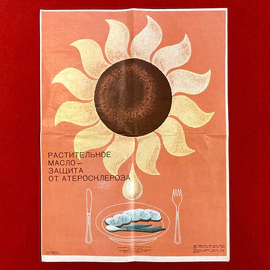
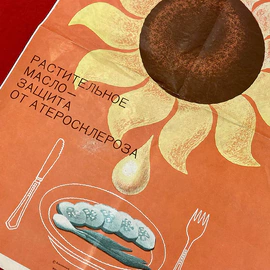
  Poster "Vegetable oil — protection against atherosclerosis". Fine Arts, 1969. Poster "Vegetable oil — protection against atherosclerosis". Fine Arts, 1969. Poster "Vegetable oil — protection against atherosclerosis". Fine Arts, 1969.
80 000 ₽
Available in stock
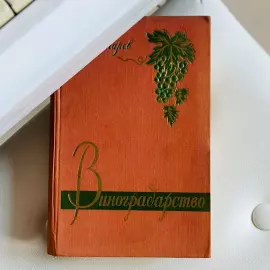
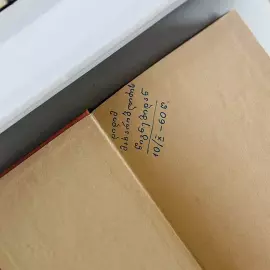
  The book "Viticulture". Bolgaryov, P.T., Simferopol, Krymizdat Publishing House, 1960. The book "Viticulture". Bolgaryov, P.T., Simferopol, Krymizdat Publishing House, 1960. In a publishing calico binding with artistic and congreve embossing on the front cover. On the flyleaf there is an owner's gift inscription in the Georgian language.
120 000 ₽
Available in stock
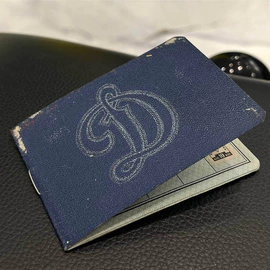
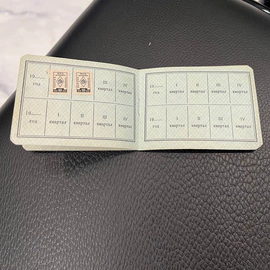
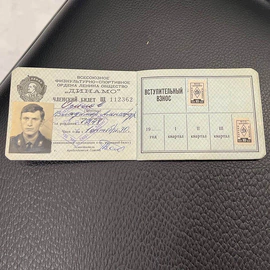
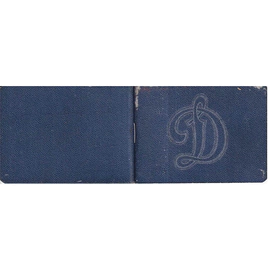
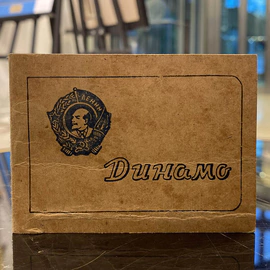
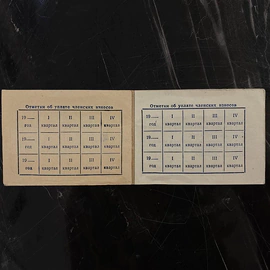
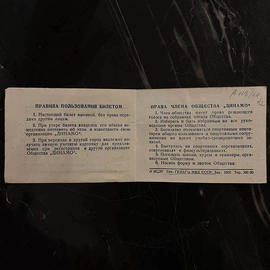
  FC Dynamo membership card No. 112362, 1970 FC Dynamo membership card No. 112362, 1970 Dynamo is a Moscow football club. One of the two clubs that participated in all the USSR championships. It is one of the oldest football clubs in Russia and one of the most successful Russian clubs in terms of the number of titles in its history. In the 1971-72 season, Dynamo became the first Soviet club to reach the final of the European Cup. During its existence, FC Dynamo has been able to set many team records. And the brightest and most memorable record of this club is the victory over the Moscow Wings of the Soviets with a score of 10:0. It is worth saying that in the same year the blue and white were able to set the longest winning streak, stretching over 17 matches. The collection of the Stargift Gallery features a 1970 Dynamo membership card.  In the early 1970s, an active organized movement of the club's fans began to form, and Dynamo's popularity grew. On the pages of the ticket there is information about its owner, about the rights and obligations of a member of the society, passed standards and confirmed grades, as well as stamps of membership fees.
120 000 ₽
Available in stock
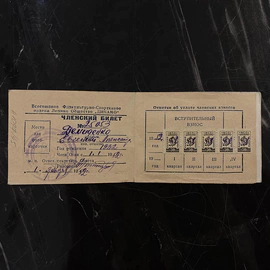
  FC Dynamo membership card No.25053, 1952 FC Dynamo membership card No.25053, 1952 The Stargift collection includes membership card No. 25053, 1952, which belonged to Demidenko Evgeny Alexandrovich, born in 1932. There are five stamps stuck inside the ticket — these are the marks on the payment of membership fees. Dynamo is a Russian football club from Moscow. One of the two clubs that participated in all the USSR championships. The initiator of the creation of the Dynamo sports society is the "Iron People's Commissar" Felix Edmundovich Dzerzhinsky. The formation of the Dynamo Moscow football team was entrusted to Fyodor Chulkov, a well-known football player in the city, who served in the GPU in those years. He managed to assemble a strong team, such famous veterans of Moscow football as Vasily Zhitarev, Nikolai Troitsky and Mikhail Denisov were involved in the team. By the way, Vasily Zhitarev was also a member of the Russian national team in 1912, took part in the Olympic Games in Stockholm. Officially, the Dynamo Sports Society was registered on April 18, 1923, goals, and the first Dynamo football match was held on June 17, 1923 in the spring draw of the Moscow championship.
120 000 ₽
Available in stock
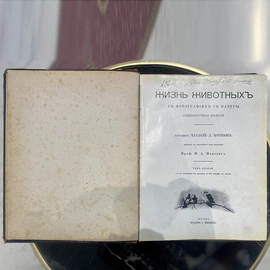
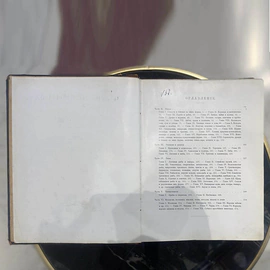
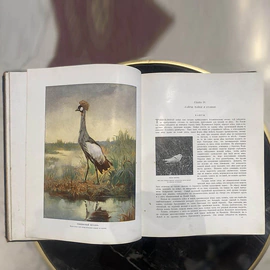
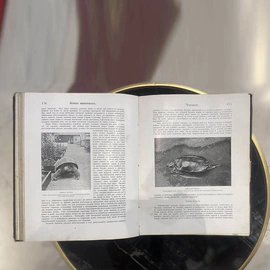
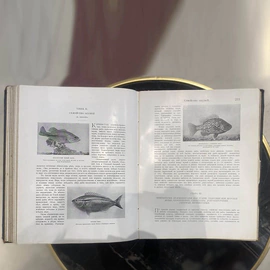
  The book "Animal life in photographs from nature. Volume 2", Kornish Ch.D., Moscow, I. Knebel Publishing House, 1901 The book "Animal life in photographs from nature. Volume 2", Kornish Ch.D., Moscow, I. Knebel Publishing House, 1901 The book "Animal life in photographs from nature. Volume 2", Kornish Ch.D., Moscow, I. Knebel Publishing House, 1901
120 000 ₽
Available in stock
  A book with a handwritten wish and autograph by journalist and writer Thomas Porter Whitney A book with a handwritten wish and autograph by journalist and writer Thomas Porter Whitney Thomas Porter Whitney is an American diplomat, journalist, writer, translator, businessman and philanthropist; translator of two famous books by Alexander Solzhenitsyn "In the First Circle" and "Gulag Archipelago" into English. A unique exhibit is presented in the Stargift collection: the first American edition of the book "The Gulag Archipelago" with a handwritten wish and an autograph of the translator. As an American diplomat, Whitney spent nine years in the Soviet Union, about which he subsequently published a memoir. He was always interested in Soviet culture, which could not but be facilitated by his long-term stay in Moscow. Russian Russian avant-garde artists (Marc Chagall, Natalia Goncharova, Alexander Rodchenko and others) had an impressive collection of works by Whitney; for more than forty years he collected a collection of Russian books, periodicals and manuscripts, on the basis of which the Center for Russian Culture at Amherst College in the USA was created. After completing a successful career as a diplomat, Whitney went into the bookselling business and opened a chain of bookstores (Whitney Book Shops Connecticut).
330 000 ₽
Available in stock
  The book "Essays from world history". Petrov M.N., St. Petersburg, St. Petersburg Publishing House, 1896 The book "Essays from world history". Petrov M.N., St. Petersburg, St. Petersburg Publishing House, 1896 The book "Essays from world history".  Petrov M.N., St. Petersburg, St. Petersburg Publishing House, 1896
250 000 ₽
Available in stock
  The magazine of satire "Crocodile". Moscow: Pravda Newspaper Publishing House, issues 1978 (No. 1-36). Annual filing. The magazine of satire "Crocodile". Moscow: Pravda Newspaper Publishing House, issues 1978 (No. 1-36). Annual filing. Krokodil is a Soviet and Russian satirical magazine. The symbol of the publication is a red crocodile with a pitchfork. Krokodil was founded in 1922, first as an appendix to the Rabochaya Gazeta, and was published once a week. Over time, it became the largest satirical publication in the USSR.
150 000 ₽
Available in stock
  The magazine of satire "Crocodile". Moscow: Pravda newspaper Publishing House, issues 1963 (No. 19-36). Semi-annual filing. The magazine of satire "Crocodile". Moscow: Pravda newspaper Publishing House, issues 1963 (No. 19-36). Semi-annual filing. The magazine of satire "Crocodile". Moscow: Pravda newspaper Publishing House, issues 1963 (No. 19-36). Semi-annual filing. Krokodil is a Soviet and Russian satirical magazine. The symbol of the publication is a red crocodile with a pitchfork. Krokodil was founded in 1922, first as an appendix to the Rabochaya Gazeta, and was published once a week. Over time, it became the largest satirical publication in the USSR.
150 000 ₽
Available in stock
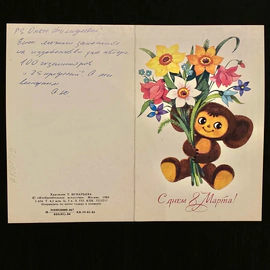
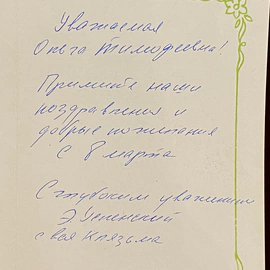
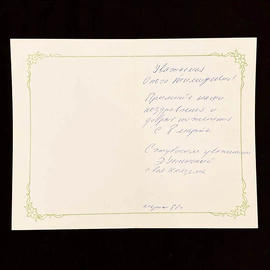
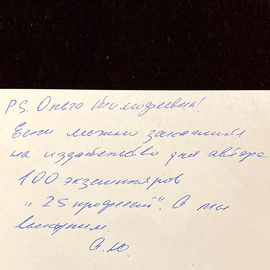
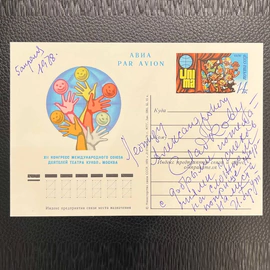
  An autographed postcard with a handwritten wish from the writer Eduard Uspensky An autographed postcard with a handwritten wish from the writer Eduard Uspensky Eduard Uspensky is a Russian writer, playwright and screenwriter, author of children's books, TV presenter. Eduard Uspensky came up with the story about the village of Prostokvashino when he worked as a librarian at a pioneer camp. There were not enough interesting books, and every evening the writer came up with new adventures for the children of Uncle Fyodor, Sharik and Matroskin the cat. The prototype of the latter was Anatoly Taraskin, a friend of Ouspensky from the film magazine "Wick". The postcard is dedicated to the holiday of March 8th, it depicts Cheburashka with a bouquet of flowers. It was released in 1984 in Moscow, by artist T. Ignatieva. Handwritten text on the postcard: "P.S. Olga Timofeevna! If possible, order 100 copies of "25 professions" for the author at the publishing house. And we will buy it out. A.Yu." The text inside the postcard: "Dear Olga Timofeevna! Please accept our congratulations and good wishes from March 8th. With deep respect, E. Ouspensky. / muddle. / Klyazma. March 88".
150 000 ₽
Available in stock
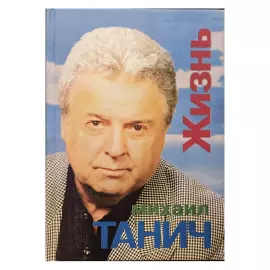
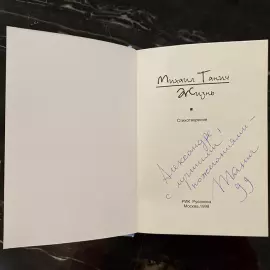
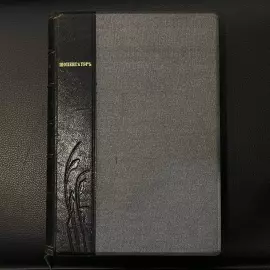
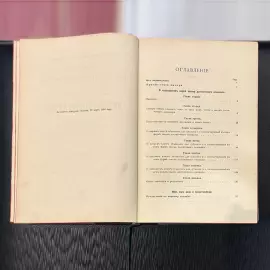
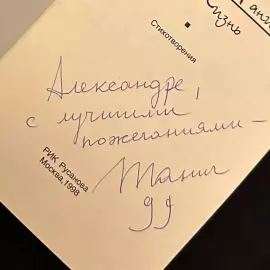
  An autographed book by the songwriter Mikhail Tanich An autographed book by the songwriter Mikhail Tanich Mikhail Isaevich Tanich is a Soviet and Russian songwriter, artistic director of the musical group Lesopoval. Compositions based on his poems fell into the repertoire of cult pop performers and were heard in films.
150 000 ₽
Available in stock
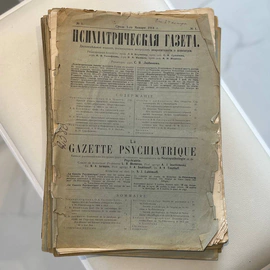
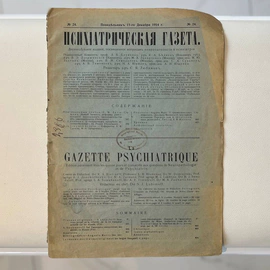
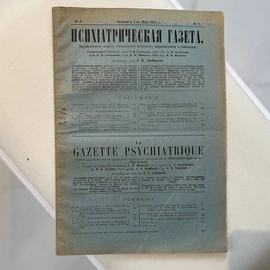
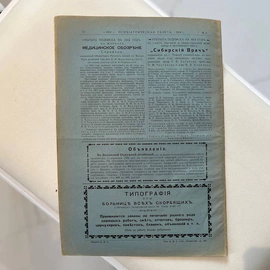
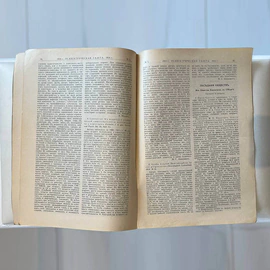
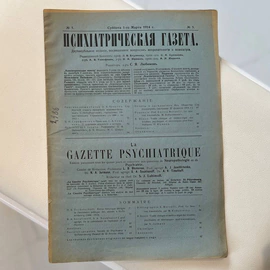
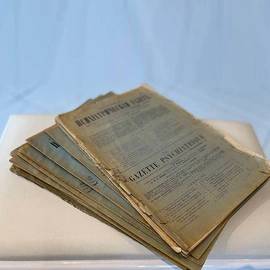
  The biweekly edition of the Psychiatric Newspaper. Petrograd, issues 1914 (No. 1-24). Annual filing. The biweekly edition of the Psychiatric Newspaper. Petrograd, issues 1914 (No. 1-24). Annual filing. The biweekly edition of the Psychiatric Newspaper. Petrograd, issues 1914 (No. 1-24). Annual filing.
250 000 ₽
Available in stock
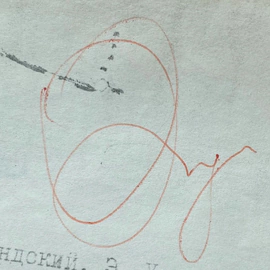
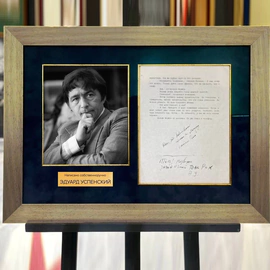
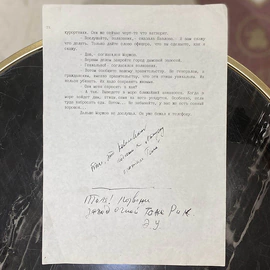
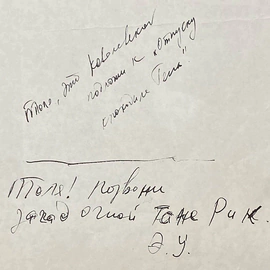
  A document with a handwritten address by the writer Eduard Uspensky A document with a handwritten address by the writer Eduard Uspensky Text: "Tolya, this is Kovalevsky put it on the "Vacation Crocodile Genes" _______________ Tolya! Call me The mysterious Tanya Rick E. U." Eduard Uspensky is a Russian writer, playwright and screenwriter, TV presenter, author of the novels "Crocodile Gena and his Friends", "Uncle Fyodor, the Dog and the Cat", "Little Guarantee Men" and many others. Ouspensky acted as the author of cartoon scripts, many of which are loved by more than one generation of viewers. His characters, Crocodile Gena and Cheburashka, have been living in several cartoons for several decades now. When creating characters, he was inspired by real people and even objects – so, a defective toy became the prototype of Cheburashka. Equally successful were the adventures of friends from Prostokvashino – Uncle Fyodor, Sharik, Matroskin's cat. And they also found their screen incarnation. The film adaptation of children's stories took place under the strict supervision of the writer. Eduard Uspensky acted as a screenwriter for all cartoons based on his own stories. Based on the author's short stories and novels, two feature films were created, and later a TV series was filmed.
250 000 ₽
Available in stock
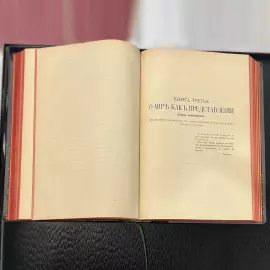
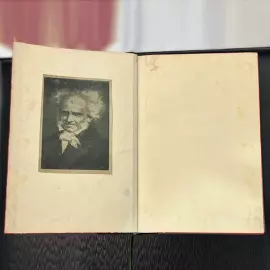
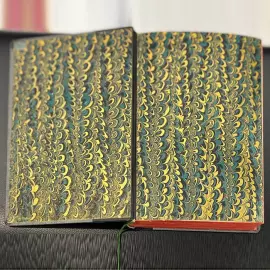
  A collection of the main works of Arthur Schopenhauer. In 2 volumes. Moscow, Typo-lithography of the partnership I.N. Kushnerev and K, 1900 A collection of the main works of Arthur Schopenhauer. In 2 volumes. Moscow, Typo-lithography of the partnership I.N. Kushnerev and K, 1900 Arthur Schopenhauer is a German philosopher, one of the most famous thinkers of irrationalism. He gravitated towards German Romanticism, was fond of mysticism, highly appreciated the main works of Immanuel Kant, calling them "the most important phenomenon that philosophy has known for two millennia", appreciated the philosophical ideas of Buddhism (there was a bust of Kant and a bronze statuette of Buddha in his office). Schopenhauer's metaphysical analysis of the will, his views on human motivation (it was he who first used this term) and desires, and his aphoristic writing style influenced many famous thinkers, including Friedrich Nietzsche, Richard Wagner and Leo Tolstoy.
250 000 ₽
Available in stock
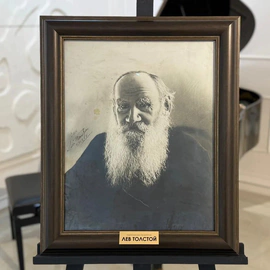
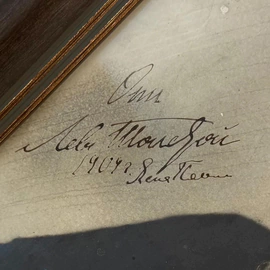
  Autographed photo by writer Leo Tolstoy Autographed photo by writer Leo Tolstoy The text of the appeal: "From / Leo Tolstoy/ 1909 Yasnaya Polyana Leo Tolstoy is one of the pillars of Russian culture, embodying the greatness of literature, the power of moral ideas and protest against spiritual inertia. His views and beliefs formed the basis of a whole religious and philosophical trend, which is called Tolstoyism. The literary legacy of the writer amounted to 90 volumes of artistic and journalistic works, diary notes and letters. 1909 was the last full year of Tolstoy's life in Yasnaya Polyana, the family estate where he spent most of his life and created his main works. During this period, the 81-year-old writer, already an internationally recognized classic, actively corresponded with followers, worked on journalism and received numerous guests, including photographers. The presented autograph is one of the rare documentary evidence of this time — photographs in Yasnaya Polyana were taken infrequently due to technical difficulties: the process required special equipment and long exposure.
1 500 000 ₽
Available in stock
  The book "The Writings of Count Leo Tolstoy. Supplement to the XIII part. Articles not included in previous editions" autographed by writer Leo Tolstoy The book "The Writings of Count Leo Tolstoy. Supplement to the XIII part. Articles not included in previous editions" autographed by writer Leo Tolstoy Leo Tolstoy is a Russian writer, publicist, philosopher and public figure, count. During his lifetime, he was recognized as the head of Russian literature. He preached the inner moral perfection of man. He embodied his reflections on the meaning of life in the novels "War and Peace" and "Anna Karenina", so readers are still discovering the truth about man in his books. The book is a lifetime edition of the great Russian writer, which was published in 1895 in the printing house of M. G. Vozchaninov in Moscow and is an addition to the thirteenth part of Tolstoy's works, and also includes articles that were not included in previous editions for censorship or other reasons. The content gives special value to this — it includes religious, philosophical and social works of the late period of the writer's work, following his spiritual crisis of the 1880s. The yellowed pages with characteristic traces of existence preserve the spirit of a bygone era and make this edition a desirable acquisition for collectors and researchers seeking a comprehensive understanding of Leo Tolstoy's legacy.
1 100 000 ₽
Available in stock
  An autographed bank check from writer Jack London An autographed bank check from writer Jack London Jack London is an American writer and journalist, war correspondent, and public figure. He is best known as the author of adventure stories and novels. In his work, he praised the indomitableness of the human spirit and the love of life. Such works as "White Fang", "Call of the Ancestors" and "Martin Eden" made him one of the most famous and highly paid writers in the history of the United States. The writer was born and spent the young and difficult years of his life in San Francisco, and in 1911, Jack London, returning from a two-year voyage (1907-1909) and being in the vicinity of San Francisco, published the autobiographical novel "Journey". The book describes his adventures, building a ship and traveling across the Pacific Ocean with his wife Charmaine. The bank check is associated with the period of the writer's life when he returned to his native land to settle for the first time in several years of traveling around the world.
370 000 ₽
Available in stock
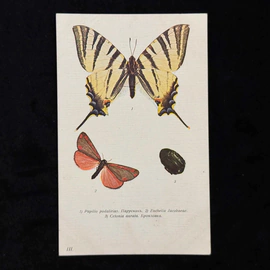
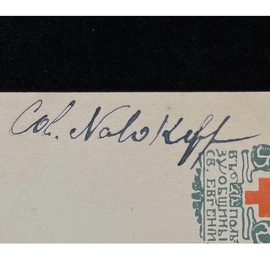
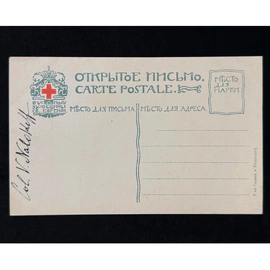
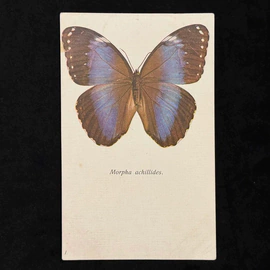
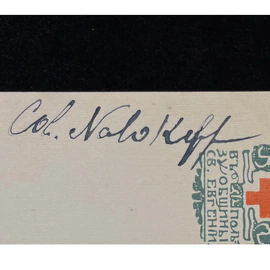
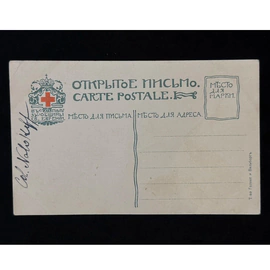
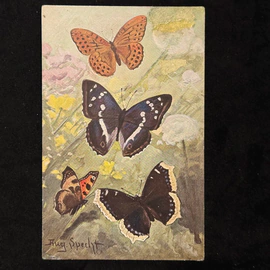
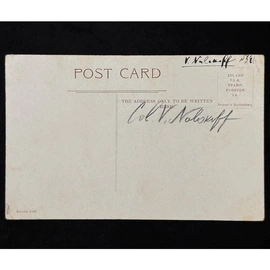
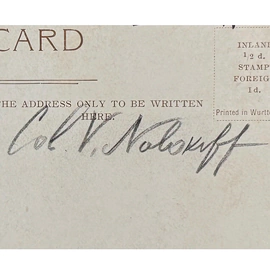
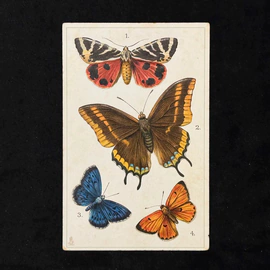
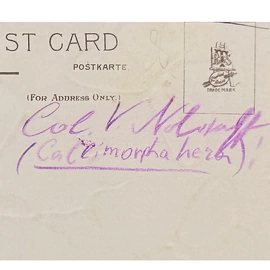
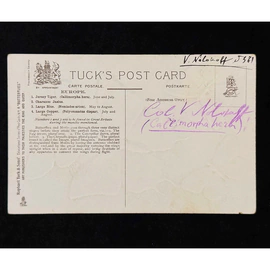
  An autographed postcard by writer Vladimir Nabokov An autographed postcard by writer Vladimir Nabokov Vladimir Nabokov is an outstanding writer, poet, translator and literary critic who has left a significant mark on world culture. He was born in 1899 in St. Petersburg into an aristocratic family. After the revolution, he emigrated, living in Germany, France, and then in the USA and Switzerland. He is best known for his works such as Lolita, The Protection of Luzhin, The Gift, and Ada, characterized by their refined style, complex structure, and wordplay. In addition to his literary work, Nabokov was a passionate entomologist who devoted years to the study of butterflies and made contributions to lepidopterology. Nabokov not only discovered several new species of butterflies, but also proposed a scientific hypothesis about the migration of butterflies of the genus Polyommatus, which was confirmed decades later by genetic studies. Despite the fact that his theory has long been viewed with distrust by professional biologists, modern scientists have recognized its correctness, which has become a kind of "posthumous" scientific victory of the writer.
900 000 ₽
Available in stock
  An autographed postcard by writer Vladimir Nabokov An autographed postcard by writer Vladimir Nabokov Vladimir Nabokov is an outstanding writer, poet, translator and literary critic who has left a significant mark on world culture. He was born in 1899 in St. Petersburg into an aristocratic family. After the revolution, he emigrated, living in Germany, France, and then in the USA and Switzerland. He is best known for his works such as Lolita, The Protection of Luzhin, The Gift, and Ada, which are distinguished by their refined style, complex structure, and wordplay. In addition to his literary work, Nabokov was a passionate entomologist who devoted years to the study of butterflies and made contributions to lepidopterology. In 1945, Nabokov proposed a revolutionary hypothesis about the migration of blue butterflies (Lycaenidae) in South America. Decades later, genetic research confirmed his assumptions, proving that the intuitive writer was right, despite his lack of modern methods of analysis. This case was one of the rare examples when a writer got ahead of science.
900 000 ₽
Available in stock
  An autographed postcard by writer Vladimir Nabokov An autographed postcard by writer Vladimir Nabokov Vladimir Nabokov is an outstanding writer, poet, translator and literary critic who has left a significant mark on world culture. He was born in 1899 in St. Petersburg into an aristocratic family. After the revolution, he emigrated, living in Germany, France, and then in the USA and Switzerland. He is best known for his works such as Lolita, The Protection of Luzhin, The Gift, and Ada, characterized by their refined style, complex structure, and wordplay. In addition to his literary work, Nabokov was a passionate entomologist who devoted years to the study of butterflies and made contributions to lepidopterology. Nabokov not only discovered several new species of butterflies, but also proposed a scientific hypothesis about the migration of butterflies of the genus Polyommatus, which was confirmed decades later by genetic studies. Despite the fact that his theory has long been viewed with distrust by professional biologists, modern scientists have recognized its correctness, which has become a kind of "posthumous" scientific victory of the writer.
900 000 ₽
Available in stock
  An autographed postcard by writer Vladimir Nabokov An autographed postcard by writer Vladimir Nabokov Vladimir Nabokov is an outstanding writer, poet, translator and literary critic who has left a significant mark on world culture. He was born in 1899 in St. Petersburg into an aristocratic family. After the revolution, he emigrated, living in Germany, France, and then in the USA and Switzerland. He is best known for his works such as Lolita, The Protection of Luzhin, The Gift, and Ada, characterized by their refined style, complex structure, and wordplay. In addition to his literary work, Nabokov was a passionate entomologist who devoted years to the study of butterflies and made contributions to lepidopterology. Nabokov not only discovered several new species of butterflies, but also proposed a scientific hypothesis about the migration of butterflies of the genus Polyommatus, which was confirmed decades later by genetic studies. Despite the fact that his theory has long been viewed with distrust by professional biologists, modern scientists have recognized its correctness, which has become a kind of "posthumous" scientific victory of the writer.
900 000 ₽
Available in stock
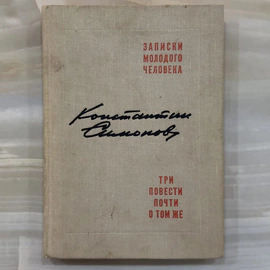
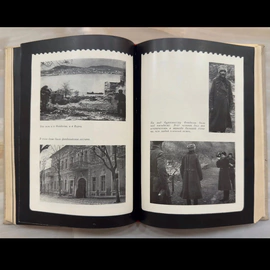
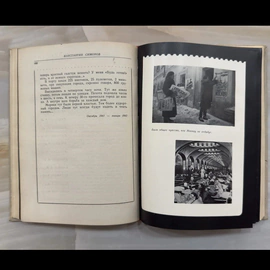
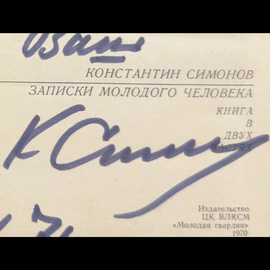
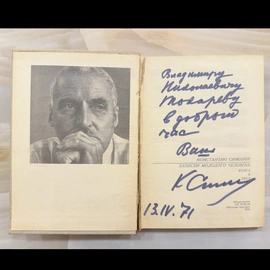
  The book "Notes of a young man. Three stories about almost the same thing" with an inscription and an autograph by Konstantin Simonov The book "Notes of a young man. Three stories about almost the same thing" with an inscription and an autograph by Konstantin Simonov The text of the donation inscription: "To Vladimir To Nikolayevich Tokarev Good afternoon hour Your K. Simonov" Konstantin Simonov is a Soviet novelist, poet, playwright and screenwriter. Public figure, journalist, war correspondent. Hero of Socialist Labor. Winner of the Lenin and six Stalin Prizes. He participated in the battles on Khalkhin Gol and the Great Patriotic War of 1941-1945.
250 000 ₽
Available in stock
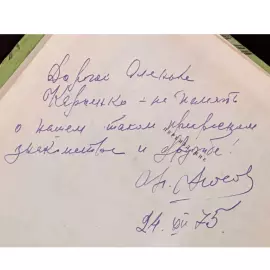
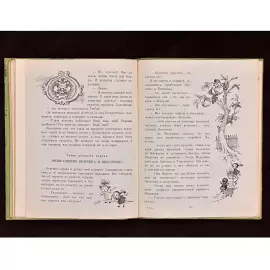
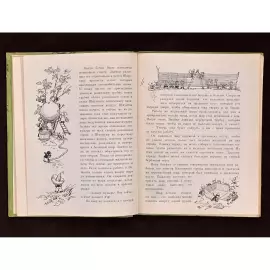
  The book "The Adventures of Dunno and his friends" with an inscription and an autograph by the writer Nikolai Nosov The book "The Adventures of Dunno and his friends" with an inscription and an autograph by the writer Nikolai Nosov On the title page is an extract from the author: "Dear Olenka Karpenko — as a keepsake About our so beautiful acquaintance and friendship! From the Author 24 May 75". Nikolai Nosov is a Soviet children's writer, author of the famous series of books about the adventures of Dunno. Among his works, there was a place for many other popular books that have become classics of children's literature. Nosov was known for his light and bright writing style, and his stories are still loved by children and adults alike. "The Adventures of Dunno and his Friends" is the first book in Nikolai Nosov's trilogy about the adventures of Dunno, first published in 1953-1954. Nosov's idea of "Dunno" was born under the impression of Anna Khvolson's fairy tale "The Kingdom of the Little Ones", which he read as a child. The name of the main character was also taken from the tale of Khvolson.
550 000 ₽
Available in stock
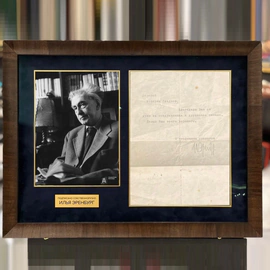
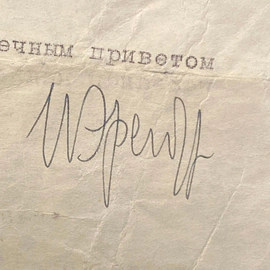
  An autographed letter from the writer and poet Ilya Ehrenburg An autographed letter from the writer and poet Ilya Ehrenburg Ilya Ehrenburg is a Russian writer, poet, publicist, journalist, war correspondent, translator from French and Spanish, public figure, photographer. The collection includes a letter from Leonid Sladkov's personal collection signed by Ilya Ehrenburg. Leonid Sladkov worked for the USSR Philately magazine for many years and always, when meeting with the heroes of his essays and interviews, asked them to sign on a postal envelope or postcard. This is how his collection appeared, which today has become an authentic document of the era. The most important period in Ilya Ehrenburg's work was the Great Patriotic War. At that time, he was working as a correspondent for the Krasnaya Zvezda newspaper, writing for other newspapers and for the Soviet Information Bureau. He became widely famous for his articles and works, which he wrote during the war about 1,500. These Ehrenburg works were popular not only in the rear, but, even more importantly, at the front. The great Soviet poet and writer Konstantin Simonov later recalled how he was told that in one of the large partisan detachments there was an order according to which all the sheets of the newspaper were used for smoking after reading. With the exception of Ilya Ehrenburg's articles. His works found a very special response from both soldiers and civilians.
250 000 ₽
Available in stock
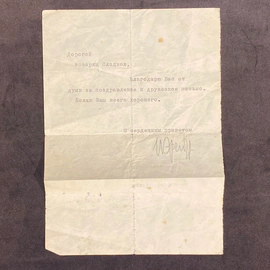
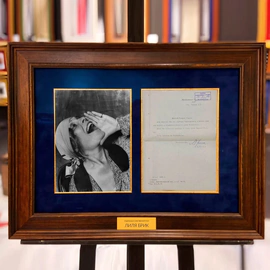
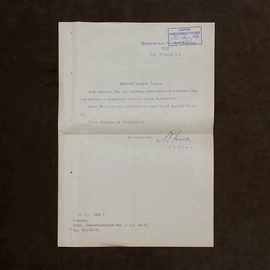
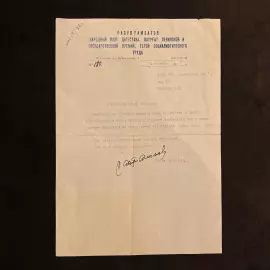
  Autographed letter from screenwriter Lily Brick Autographed letter from screenwriter Lily Brick The text of the letter: "Dear Comrade Stalin I would like to express my deep gratitude to you for helping resolve the issue by facilitating the transfer of Mayakovsky's ashes. I wish you excellent health for the benefit of our Great Motherland. I'm sorry to bother you. Devoted to you L. Brick" Lilya Brik is a legendary figure of the Russian avant—garde, a writer, screenwriter and hostess of the famous literary salon. The muse of Vladimir Mayakovsky, she played a key role in the development of Russian futurism. Brik was not only an inspiration, but also a co-author of many of the poet's works, and after his death devoted herself to preserving and popularizing his creative legacy. The letter presented in the Stargift collection is dated May 28, 1952 and is addressed to Joseph Stalin. It belongs to the final stage of Brik's long-term efforts to honorably perpetuate the poet's memory. After his cremation in 1930, Mayakovsky's ashes were initially kept in the columbarium of the New Donskoy Cemetery, and his brain was transferred to the Brain Institute for research. Thanks to the perseverance of Lily Brik and the poet's sister Lyudmila, on May 22, 1952, the urn with ashes was solemnly transferred to the Novodevichy cemetery.
2 000 000 ₽
Available in stock
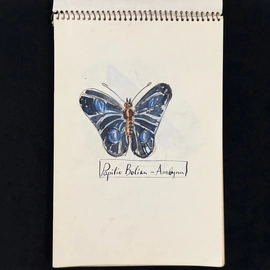
  A hand-drawn autographed drawing by writer Vladimir Nabokov A hand-drawn autographed drawing by writer Vladimir Nabokov Vladimir Nabokov is an outstanding writer, poet, translator and literary critic who has left a significant mark on world culture. He was born in 1899 in St. Petersburg into an aristocratic family. After the revolution, he emigrated, living in Germany, France, and then in the USA and Switzerland. He is best known for his works such as Lolita, The Protection of Luzhin, The Gift, and Ada, characterized by their refined style, complex structure, and wordplay. In addition to his literary work, Nabokov was a passionate entomologist who devoted years to the study of butterflies and made contributions to lepidopterology. Papilio bolina (Ambyna), the butterfly in the picture, is one of the most common butterflies in South and Southeast Asia, known for its variability and mimicry ability. Nabokov, studying this species, paid attention not only to the coloring of the wings, but also to the adaptive features that helped the butterflies survive in the wild. In his entomological career, he described several new species of butterflies, but he never took it as a hobby – he considered himself a real scientist and even noted that if it were not for literature, he could devote his life exclusively to the study of insects.
2 000 000 ₽
Available in stock
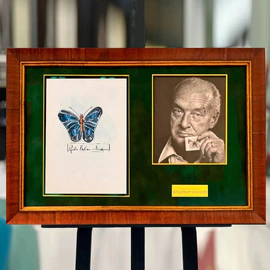
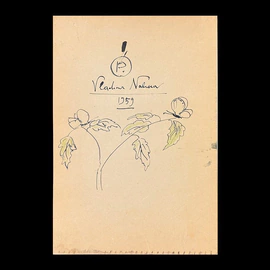
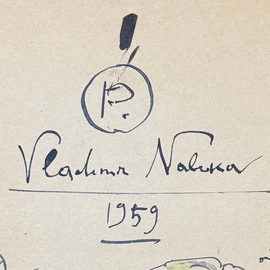
  A hand-drawn 1959 autographed drawing by writer Vladimir Nabokov A hand-drawn 1959 autographed drawing by writer Vladimir Nabokov Vladimir Nabokov is an outstanding writer, poet, translator and literary critic who has left a significant mark on world culture. He was born in 1899 in St. Petersburg into an aristocratic family. After the revolution, he emigrated, living in Germany, France, and then in the USA and Switzerland. He is best known for his works such as Lolita, The Protection of Luzhin, The Gift, and Ada, characterized by their refined style, complex structure, and wordplay. In addition to his literary work, Nabokov was a passionate entomologist who devoted years to the study of butterflies and made contributions to lepidopterology. Butterflies occupied a special place in Nabokov's life and work. Since childhood, he was fond of collecting them, and in his mature years he worked as a curator of the entomological department of the Harvard Museum of Comparative Zoology. Nabokov not only described several new species, but also developed a theory of the evolution of pigeons, which gained scientific recognition decades later. His works of art are filled with butterfly motifs, reflecting the themes of fragility, transformation and the transience of beauty. Nabokov's hand-drawn butterfly drawing is a rare and valuable testimony to his passion, harmoniously combining his scientific and literary passion.
2 000 000 ₽
Available in stock
  An autographed document by poet Rasul Gamzatov An autographed document by poet Rasul Gamzatov Rasul Gamzatov is an outstanding Soviet and Dagestani poet, author of works in Russian and Avar languages. His work is characterized by a deep understanding and love for his native land and the culture of the people. He is known for his poems, which stand out for the richness of language, depth of thought and attention to the beauty of his native nature. Gamzatov is one of the most influential and revered poets in the history of Dagestan literature and culture. Rasul Gamzatov mentions his most famous poem, "Cranes," in the autographed document. The theme of cranes was inspired by the poet's visit to the Hiroshima Peace Memorial Park and the monument to a Japanese girl named Sadako Sasaki, who suffered from leukemia after the atomic explosion in Hiroshima. Sadako Sasaki hoped that she would be cured if she made a thousand paper "cranes" using the art of origami. In Asia, there is a belief that a person's wish will come true if he folds a thousand origami cranes out of colored paper. Russian Russians also have their own image in Russian culture, which Gamzatov was very familiar with as a translator of Russian classical poetry.  
150 000 ₽
Available in stock
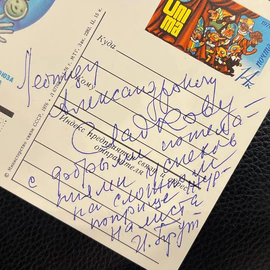
  A postcard with a handwritten message and autograph by screenwriter Joseph Prut A postcard with a handwritten message and autograph by screenwriter Joseph Prut The text of the appeal:  "To Leonid Alexandrovich Sladkov, with good wishes and success in the difficult field of journalist I. Prut" Joseph Prut is a playwright, the first Soviet screenwriter, and an Honored Artist of Russia. Most of Prut's plays were about the army ("The Artillerymen", "The Western Border", "The Eastern Battalion"). The postcard comes from Leonid Sladkov's personal collection. Leonid Sladkov worked for the USSR Philately magazine for many years and always, meeting with the heroes of his essays and interviews, asked them to sign on a postal envelope or postcard. This is how his collection appeared, which today has become an authentic document of the era.
120 000 ₽
Available in stock
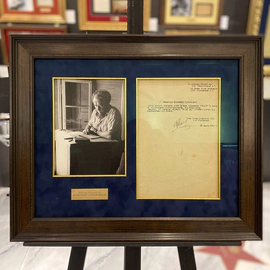
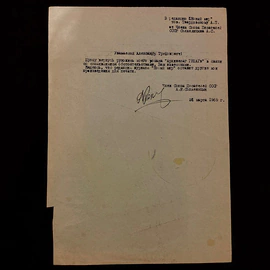
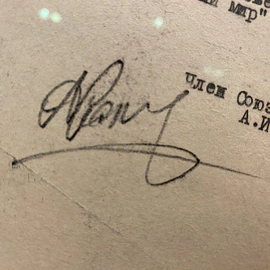
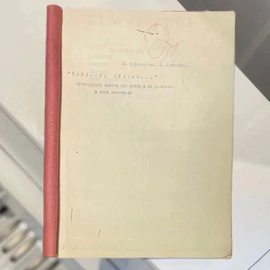
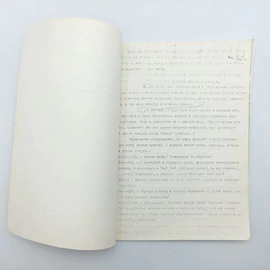
  Personal typewriting to the editorial office of the New World magazine to A. Tvardovsky with an autograph by Alexander Solzhenitsyn Personal typewriting to the editorial office of the New World magazine to A. Tvardovsky with an autograph by Alexander Solzhenitsyn Alexander Solzhenitsyn is a Russian writer, playwright, essayist, poet, public and political figure who lived and worked in the USSR, Switzerland, the USA and Russia. There are several errors in the text of the letter from the Stargift collection: apparently, Solzhenitsyn printed the letter in a hurry so that the novel would not have time to go to print. This exhibit, addressed to Alexander Tvardovsky, editor-in-chief of the Novy Mir magazine, represents a museum-level collectible value. The text of the letter: " To the editorial office of Novy Mir Comrade Tvardovsky A.T. From A Member of the Writers' Union USSR Solzhenitsyn A.S. Dear Alexander Trifonovich, I ask you to return the manuscript of my novel "The Gulag Archipelago" in connection with the circumstances that you know. I hope that the editorial board of the New World magazine will leave my other works for publication. Member of the Union of Writers of the USSR A.I. Solzhenitsyn (Autograph) March 24, 1969" Under the circumstances, Solzhenitsyn means the impending expulsion from the Writers' Union and pressure from the Central Committee of the CPSU. With the filing of Sholokhov, this idea was hatched for 2 years, the exception occurred on November 4, 1969. The authorities were waiting for the announcement of the Nobel laureates, guessing that Solzhenitsyn was one of the nominees. In 1969, Solzhenitsyn was hastily excluded, which in fact brought the Nobel Prize in Literature the following year much closer. After being expelled from the Writers' Union, Solzhenitsyn began openly, without hesitation, to criticize the current government. In January 1974, on the air of Radio Liberty, the reading of the work "Gulag Archipelago" began for half an hour a day. Solzhenitsyn was provided with information for the GULAG Archipelago by 227 people, as indicated in the first editions. The 2007 edition revealed for the first time the list of "witnesses of the Archipelago", whose stories, letters, memoirs and corrections were used in the creation of this book," including 257 names. Some fragments of the text were written by the author's acquaintances (in particular, George Tenno and Vyacheslav Ivanov). According to Ivanov, Solzhenitsyn tried to involve Varlam Shalamov and Yuli Daniel in the work on the GULAG Archipelago, but they failed to reach an agreement. Royalties from the sale of the book were transferred to the Solzhenitsyn Foundation, from where they were subsequently transferred secretly to the USSR to help political prisoners and their families. In the USSR, The Archipelago was fully published only in 1990.
690 000 ₽
Available in stock
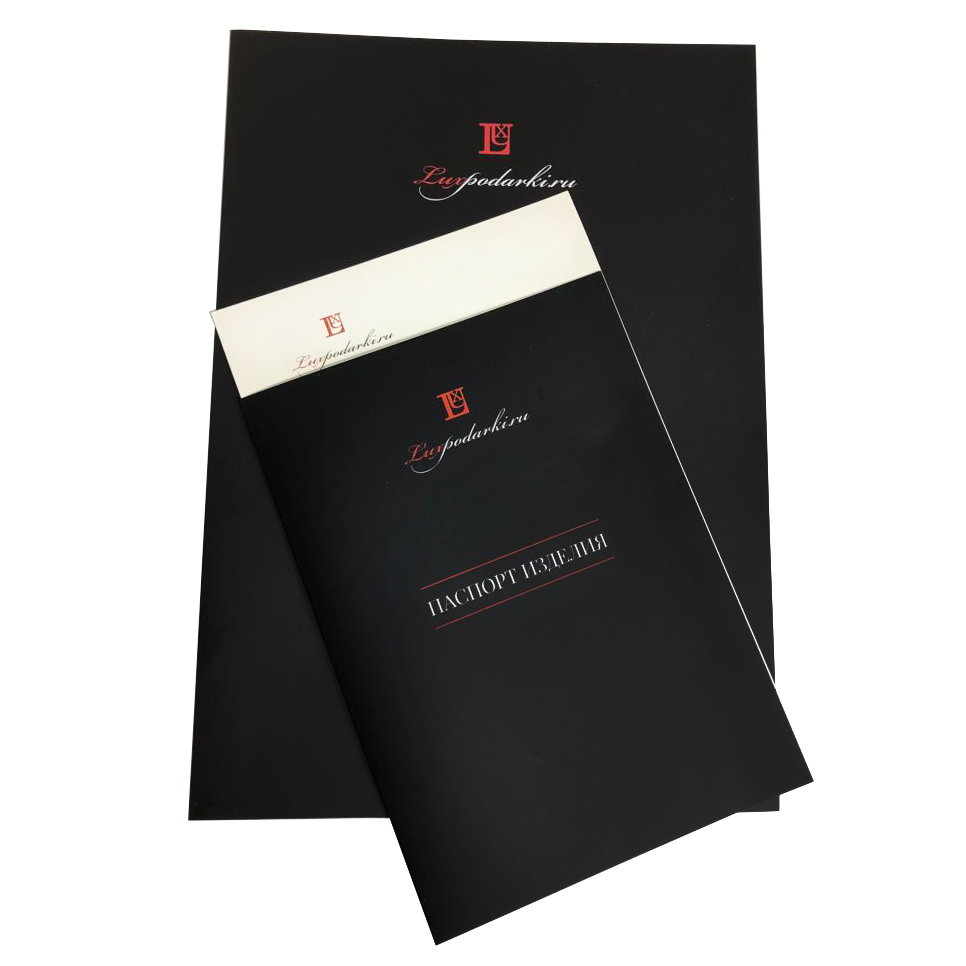
Product passport

A passport is attached to products that cost more than 10,000 ₽:

Engravement of the nameplate
30
30
30
30

How is it more convenient for you to contact us?