




































































Top.Mail.Ru
Filters
Price , ₽
Selection
Country of manufacture
Material
Форма
Colour
Natural Emerald Natural emeralds
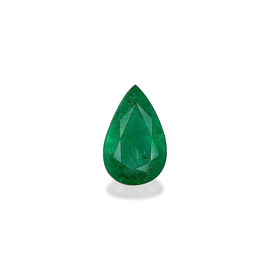
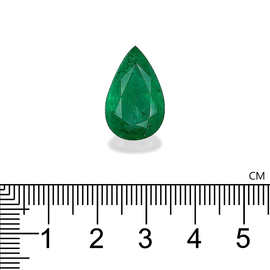
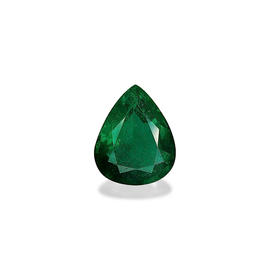
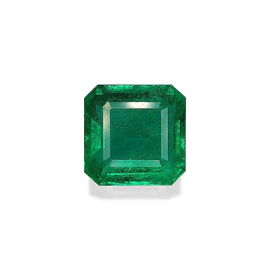
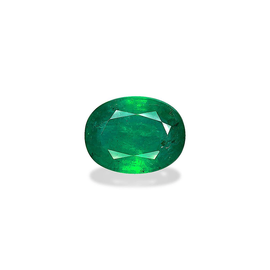
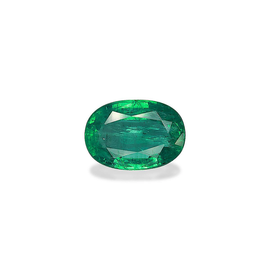
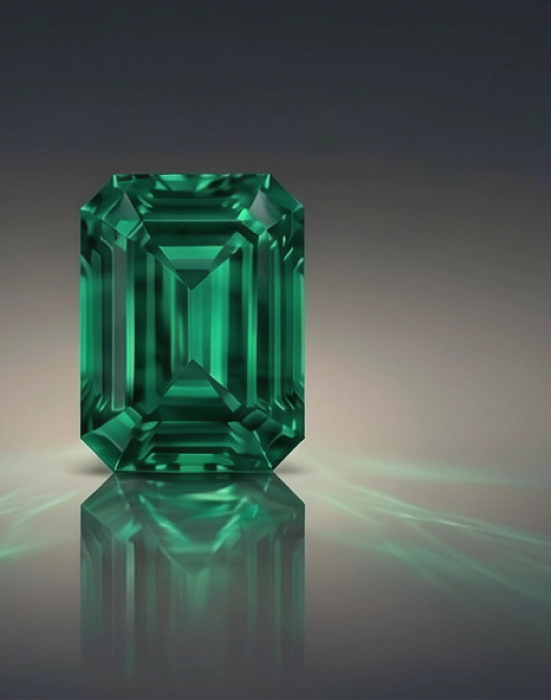
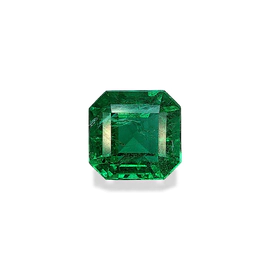
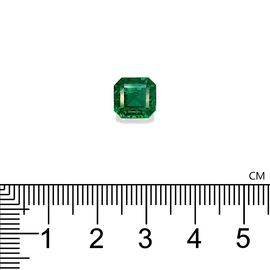
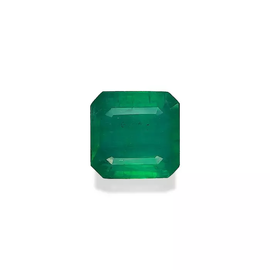
  Green Zambian Emerald 3.66 carats Green Zambian Emerald 3.66 carats Natural Zambian emerald is one of the most refined and richly colored beryls in Africa. Its purity is usually determined by the composition of the stone, but the Zambian emerald is expensive. Emerald belongs to the beryl family, which also includes aquamarine, morganite and red beryl. There are many sources of emeralds, but Zambian emeralds from Gemfields are mined ethically and have the best value for money. The value of emeralds, like all stones, is determined by four parameters: color, purity, carat and cut, with color being the most important. Nuances of saturation and hue can significantly affect the price of a stone. The most desirable color is blue—green, medium-dark, with a bright, saturated color. Cleanliness is also important. Although inclusions in emeralds are allowed to a greater extent than in all other precious stones. Raw, high-quality gemstones (with the appropriate certification) can cost up to 50% more than stones of the same size, color and purity, but processed. The geological conditions of Colombia determine exactly the color and saturation that consumers are looking for, which makes Colombian emeralds very valuable. However, the popularity of Zambian emeralds is also growing. Emeralds from an African country may also have an unusual blue hue with blue-green/yellow-green pleochroism, since their iron content is relatively high at 0.73%. They can have an intense zonal coloration with almost colorless kernels and dark green edges, similar to watermelon tourmaline. In Zambian emeralds, inclusions may occur, such as: biotite (black crystals) in the form of small dots or specks; point inclusions, inclusions in the form of bread crumbs; as well as tourmaline (dravite) and magnetite. The Kitwe material contains rutile, chrysoberyl, muscovite, apatite, quartz, ilmenite, tourmaline, color zonation, and two-phase inclusions.
309 300 ₽
Available in stock
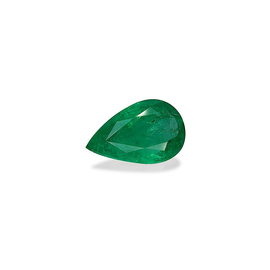
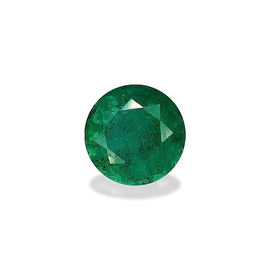
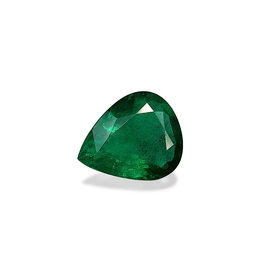
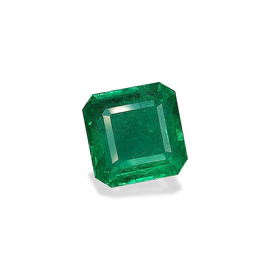
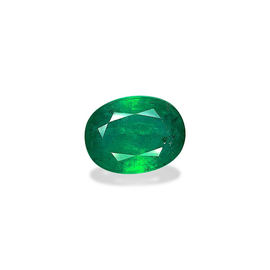
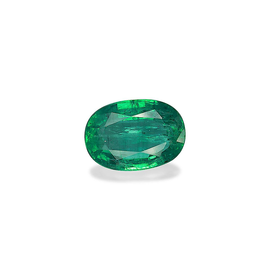
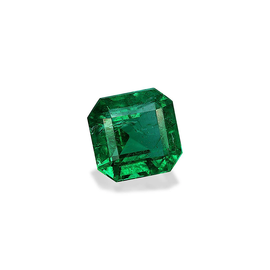
  Green Zambian Emerald 10.87 carats Green Zambian Emerald 10.87 carats Natural Zambian emerald is one of the most refined and richly colored beryls in Africa. Its purity is usually determined by the composition of the stone, but the Zambian emerald is expensive. Emerald belongs to the beryl family, which also includes aquamarine, morganite and red beryl. There are many sources of emeralds, but Zambian emeralds from Gemfields are mined ethically and have the best value for money. The value of emeralds, like all stones, is determined by four parameters: color, purity, carat and cut, with color being the most important. Nuances of saturation and hue can significantly affect the price of a stone. The most desirable color is blue—green, medium-dark, with a bright, saturated color. Cleanliness is also important. Although inclusions in emeralds are allowed to a greater extent than in all other precious stones. Raw, high-quality gemstones (with the appropriate certification) can cost up to 50% more than stones of the same size, color and purity, but processed. The geological conditions of Colombia determine exactly the color and saturation that consumers are looking for, which makes Colombian emeralds very valuable. However, the popularity of Zambian emeralds is also growing. Emeralds from an African country may also have an unusual blue hue with blue-green/yellow-green pleochroism, since their iron content is relatively high at 0.73%. They can have an intense zonal coloration with almost colorless kernels and dark green edges, similar to watermelon tourmaline. In Zambian emeralds, inclusions may occur, such as: biotite (black crystals) in the form of small dots or specks; point inclusions, inclusions in the form of bread crumbs; as well as tourmaline (dravite) and magnetite. The Kitwe material contains rutile, chrysoberyl, muscovite, apatite, quartz, ilmenite, tourmaline, color zonation, and two-phase inclusions.
266 100 ₽
Available in stock
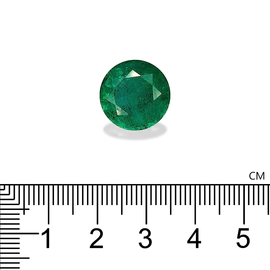
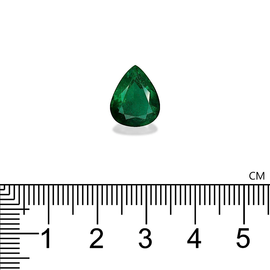
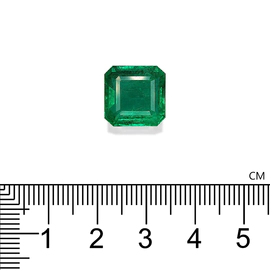
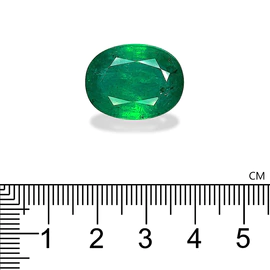
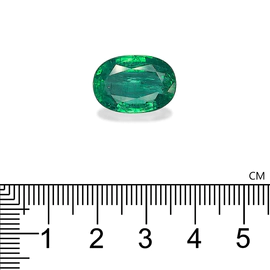
  Green Zambian Emerald 11.96 carats – 14 mm Green Zambian Emerald 11.96 carats – 14 mm Natural Zambian emerald is one of the most refined and richly colored beryls in Africa. Its purity is usually determined by the composition of the stone, but the Zambian emerald is expensive. Emerald belongs to the beryl family, which also includes aquamarine, morganite and red beryl. There are many sources of emeralds, but Zambian emeralds from Gemfields are mined ethically and have the best value for money. The value of emeralds, like all stones, is determined by four parameters: color, purity, carat and cut, with color being the most important. Nuances of saturation and hue can significantly affect the price of a stone. The most desirable color is blue—green, medium-dark, with a bright, saturated color. Cleanliness is also important. Although inclusions in emeralds are allowed to a greater extent than in all other precious stones. Raw, high-quality gemstones (with the appropriate certification) can cost up to 50% more than stones of the same size, color and purity, but processed. The geological conditions of Colombia determine exactly the color and saturation that consumers are looking for, which makes Colombian emeralds very valuable. However, the popularity of Zambian emeralds is also growing. Emeralds from an African country may also have an unusual blue hue with blue-green/yellow-green pleochroism, since their iron content is relatively high at 0.73%. They can have an intense zonal coloration with almost colorless kernels and dark green edges, similar to watermelon tourmaline. In Zambian emeralds, inclusions may occur, such as: biotite (black crystals) in the form of small dots or specks; point inclusions, inclusions in the form of bread crumbs; as well as tourmaline (dravite) and magnetite. The Kitwe material contains rutile, chrysoberyl, muscovite, apatite, quartz, ilmenite, tourmaline, color zonation, and two-phase inclusions.
438 700 ₽
Available in stock
  7.14 carat Green Zambian Emerald – 3x11mm 7.14 carat Green Zambian Emerald – 3x11mm Natural Zambian emerald is one of the most refined and richly colored beryls in Africa. Its purity is usually determined by the composition of the stone, but the Zambian emerald is expensive. Emerald belongs to the beryl family, which also includes aquamarine, morganite and red beryl. There are many sources of emeralds, but Zambian emeralds from Gemfields are mined ethically and have the best value for money. The value of emeralds, like all stones, is determined by four parameters: color, purity, carat and cut, with color being the most important. Nuances of saturation and hue can significantly affect the price of a stone. The most desirable color is blue—green, medium-dark, with a bright, saturated coloring. Cleanliness is also important. Although inclusions in emeralds are allowed to a greater extent than in all other precious stones. Raw, high-quality gemstones (with the appropriate certification) can cost up to 50% more than stones of the same size, color and purity, but processed. The geological conditions of Colombia determine exactly the color and saturation that consumers are looking for, which makes Colombian emeralds very valuable. However, the popularity of Zambian emeralds is also growing. Emeralds from an African country may also have an unusual blue hue with blue-green/yellow-green pleochroism, since their iron content is relatively high at 0.73%. They can have an intense zonal coloration with almost colorless kernels and dark green edges, similar to watermelon tourmaline. In Zambian emeralds, inclusions may occur, such as: biotite (black crystals) in the form of small dots or specks; point inclusions, inclusions in the form of bread crumbs; as well as tourmaline (dravite) and magnetite. The Kitwe material contains rutile, chrysoberyl, muscovite, apatite, quartz, ilmenite, tourmaline, color zonation, and two-phase inclusions.
395 500 ₽
Available in stock
  9.15 carat Green Zambian Emerald 9.15 carat Green Zambian Emerald Natural Zambian emerald is one of the most refined and richly colored beryls in Africa. Its purity is usually determined by the composition of the stone, but the Zambian emerald is expensive. Emerald belongs to the beryl family, which also includes aquamarine, morganite and red beryl. There are many sources of emeralds, but Zambian emeralds from Gemfields are mined ethically and have the best value for money. The value of emeralds, like all stones, is determined by four parameters: color, purity, carat and cut, with color being the most important. Nuances of saturation and hue can significantly affect the price of a stone. The most desirable color is blue—green, medium-dark, with a bright, saturated color. Cleanliness is also important. Although inclusions in emeralds are allowed to a greater extent than in all other precious stones. Raw, high-quality gemstones (with the appropriate certification) can cost up to 50% more than stones of the same size, color and purity, but processed. The geological conditions of Colombia determine exactly the color and saturation that consumers are looking for, which makes Colombian emeralds very valuable. However, the popularity of Zambian emeralds is also growing. Emeralds from an African country may also have an unusual blue hue with blue-green/yellow-green pleochroism, since their iron content is relatively high at 0.73%. They can have an intense zonal coloration with almost colorless kernels and dark green edges, similar to watermelon tourmaline. In Zambian emeralds, inclusions may occur, such as: biotite (black crystals) in the form of small dots or specks; point inclusions, inclusions in the form of bread crumbs; as well as tourmaline (dravite) and magnetite. The Kitwe material contains rutile, chrysoberyl, muscovite, apatite, quartz, ilmenite, tourmaline, color zonation, and two-phase inclusions.
575 300 ₽
Available in stock
  Green Zambian Emerald 3.62 carats – 12x10 mm Green Zambian Emerald 3.62 carats – 12x10 mm Natural Zambian emerald is one of the most exquisite and richly colored beryls in Africa. Its purity is usually determined by the composition of the stone, but the Zambian emerald is expensive. Emerald belongs to the beryl family, which also includes aquamarine, morganite and red beryl. There are many sources of emeralds, but Zambian emeralds from Gemfields are mined ethically and have the best value for money. The value of emeralds, like all stones, is determined by four parameters: color, purity, carat and cut, with color being the most important. Nuances of saturation and hue can significantly affect the price of a stone. The most desirable color is blue—green, medium-dark, with a bright, saturated color. Cleanliness is also important. Although inclusions in emeralds are allowed to a greater extent than in all other precious stones. Raw, high-quality gemstones (with the appropriate certification) can cost up to 50% more than stones of the same size, color and purity, but processed. The geological conditions of Colombia determine exactly the color and saturation that consumers are looking for, which makes Colombian emeralds very valuable. However, the popularity of Zambian emeralds is also growing. Emeralds from an African country may also have an unusual blue hue with blue-green/yellow-green pleochroism, since their iron content is relatively high at 0.73%. They can have an intense zonal coloration with almost colorless kernels and dark green edges, similar to watermelon tourmaline. In Zambian emeralds, inclusions may occur, such as: biotite (black crystals) in the form of small dots or specks; point inclusions, inclusions in the form of bread crumbs; as well as tourmaline (dravite) and magnetite. The Kitwe material contains rutile, chrysoberyl, muscovite, apatite, quartz, ilmenite, tourmaline, color zonation, and two-phase inclusions.
395 500 ₽
Available in stock
  9.01 carat Green Zambian Emerald – 12 mm 9.01 carat Green Zambian Emerald – 12 mm Natural Zambian emerald is one of the most refined and richly colored beryls in Africa. Its purity is usually determined by the composition of the stone, but the Zambian emerald is expensive. Emerald belongs to the beryl family, which also includes aquamarine, morganite and red beryl. There are many sources of emeralds, but Zambian emeralds from Gemfields are mined ethically and have the best value for money. The value of emeralds, like all stones, is determined by four parameters: color, purity, carat and cut, with color being the most important. Nuances of saturation and hue can significantly affect the price of a stone. The most desirable color is blue—green, medium-dark, with a bright, saturated coloring. Cleanliness is also important. Although inclusions in emeralds are allowed to a greater extent than in all other precious stones. Raw, high-quality gemstones (with the appropriate certification) can cost up to 50% more than stones of the same size, color and purity, but processed. The geological conditions of Colombia determine exactly the color and saturation that consumers are looking for, which makes Colombian emeralds very valuable. However, the popularity of Zambian emeralds is also growing. Emeralds from an African country may also have an unusual blue hue with blue-green/yellow-green pleochroism, since their iron content is relatively high at 0.73%. They can have an intense zonal coloration with almost colorless kernels and dark green edges, similar to watermelon tourmaline. In Zambian emeralds, inclusions may occur, such as: biotite (black crystals) in the form of small dots or specks; point inclusions, inclusions in the form of bread crumbs; as well as tourmaline (dravite) and magnetite. The Kitwe material contains rutile, chrysoberyl, muscovite, apatite, quartz, ilmenite, tourmaline, color zonation, and two-phase inclusions.
970 800 ₽
Available in stock
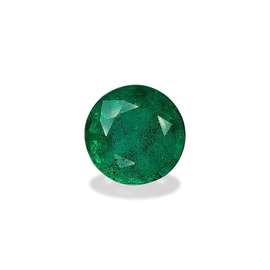
  Green Zambian Emerald 20.62 carats Green Zambian Emerald 20.62 carats Natural Zambian emerald is one of the most refined and richly colored beryls in Africa. Its purity is usually determined by the composition of the stone, but the Zambian emerald is expensive. Emerald belongs to the beryl family, which also includes aquamarine, morganite and red beryl. There are many sources of emeralds, but Zambian emeralds from Gemfields are mined ethically and have the best value for money. The value of emeralds, like all stones, is determined by four parameters: color, purity, carat and cut, with color being the most important. Nuances of saturation and hue can significantly affect the price of a stone. The most desirable color is blue—green, medium-dark, with a bright, saturated coloring. Cleanliness is also important. Although inclusions in emeralds are allowed to a greater extent than in all other precious stones. Raw, high-quality gemstones (with the appropriate certification) can cost up to 50% more than stones of the same size, color and purity, but processed. The geological conditions of Colombia determine exactly the color and saturation that consumers are looking for, which makes Colombian emeralds very valuable. However, the popularity of Zambian emeralds is also growing. Emeralds from an African country may also have an unusual blue hue with blue-green/yellow-green pleochroism, since their iron content is relatively high at 0.73%. They can have an intense zonal coloration with almost colorless kernels and dark green edges, similar to watermelon tourmaline. In Zambian emeralds, inclusions may occur, such as: biotite (black crystals) in the form of small dots or specks; point inclusions, inclusions in the form of bread crumbs; as well as tourmaline (dravite) and magnetite. The Kitwe material contains rutile, chrysoberyl, muscovite, apatite, quartz, ilmenite, tourmaline, color zonation, and two-phase inclusions.
395 500 ₽
Available in stock
  Green Zambian Emerald 12.24 carats Green Zambian Emerald 12.24 carats Natural Zambian emerald is one of the most refined and richly colored beryls in Africa. Its purity is usually determined by the composition of the stone, but the Zambian emerald is expensive. Emerald belongs to the beryl family, which also includes aquamarine, morganite and red beryl. There are many sources of emeralds, but Zambian emeralds from Gemfields are mined ethically and have the best value for money. The value of emeralds, like all stones, is determined by four parameters: color, purity, carat and cut, with color being the most important. Nuances of saturation and hue can significantly affect the price of a stone. The most desirable color is blue—green, medium-dark, with a bright, saturated color. Cleanliness is also important. Although inclusions in emeralds are allowed to a greater extent than in all other precious stones. Raw, high-quality gemstones (with the appropriate certification) can cost up to 50% more than stones of the same size, color and purity, but processed. The geological conditions of Colombia determine exactly the color and saturation that consumers are looking for, which makes Colombian emeralds very valuable. However, the popularity of Zambian emeralds is also growing. Emeralds from an African country may also have an unusual blue hue with blue-green/yellow-green pleochroism, since their iron content is relatively high at 0.73%. They can have an intense zonal coloration with almost colorless kernels and dark green edges, similar to watermelon tourmaline. In Zambian emeralds, inclusions may occur, such as: biotite (black crystals) in the form of small dots or specks; point inclusions, inclusions in the form of bread crumbs; as well as tourmaline (dravite) and magnetite. The Kitwe material contains rutile, chrysoberyl, muscovite, apatite, quartz, ilmenite, tourmaline, color zonation, and two-phase inclusions.
309 300 ₽
Available in stock
  Green Zambian Emerald 10.70 carats – 13 mm Green Zambian Emerald 10.70 carats – 13 mm Natural Zambian emerald is one of the most refined and richly colored beryls in Africa. Its purity is usually determined by the composition of the stone, but the Zambian emerald is expensive. Emerald belongs to the beryl family, which also includes aquamarine, morganite and red beryl. There are many sources of emeralds, but Zambian emeralds from Gemfields are mined ethically and have the best value for money. The value of emeralds, like all stones, is determined by four parameters: color, purity, carat and cut, with color being the most important. Nuances of saturation and hue can significantly affect the price of a stone. The most desirable color is blue—green, medium-dark, with a bright, saturated coloring. Cleanliness is also important. Although inclusions in emeralds are allowed to a greater extent than in all other precious stones. Raw, high-quality gemstones (with the appropriate certification) can cost up to 50% more than stones of the same size, color and purity, but processed. The geological conditions of Colombia determine exactly the color and saturation that consumers are looking for, which makes Colombian emeralds very valuable. However, the popularity of Zambian emeralds is also growing. Emeralds from an African country may also have an unusual blue hue with blue-green/yellow-green pleochroism, since their iron content is relatively high at 0.73%. They can have an intense zonal coloration with almost colorless kernels and dark green edges, similar to watermelon tourmaline. In Zambian emeralds, inclusions may occur, such as: biotite (black crystals) in the form of small dots or specks; point inclusions, inclusions in the form of bread crumbs; as well as tourmaline (dravite) and magnetite. The Kitwe material contains rutile, chrysoberyl, muscovite, apatite, quartz, ilmenite, tourmaline, color zonation, and two-phase inclusions.
266 100 ₽
Available in stock
Natural emeralds
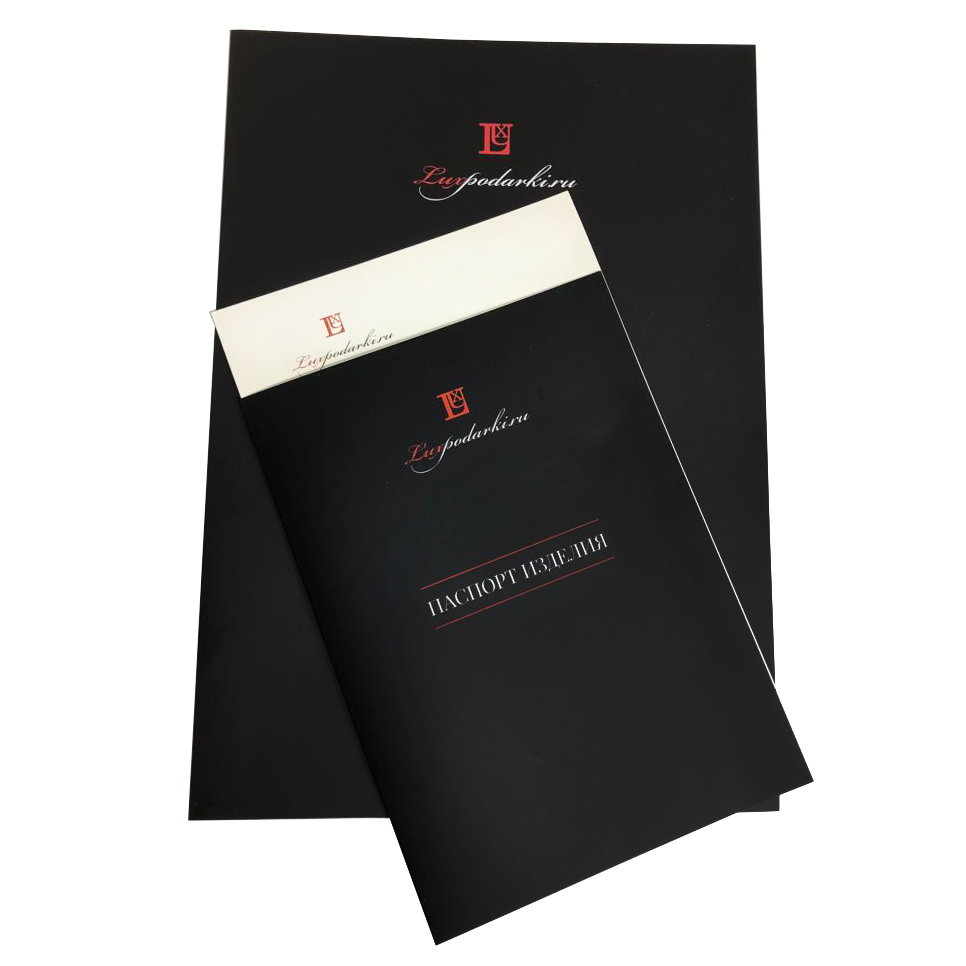
Product passport

A passport is attached to products that cost more than 10,000 ₽:

Engravement of the nameplate
30
30
30
30

How is it more convenient for you to contact us?