























Top.Mail.Ru
Filters
Price , ₽
Selection
Country of manufacture
Material
Форма
Colour
Precious stones Precious stones
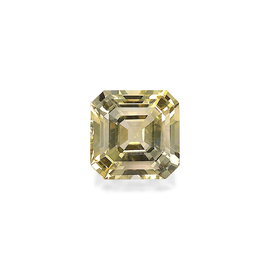
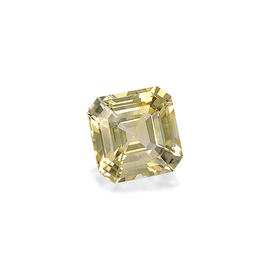
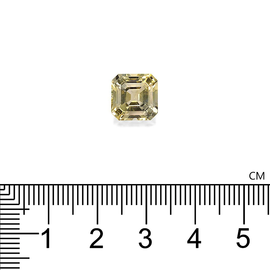
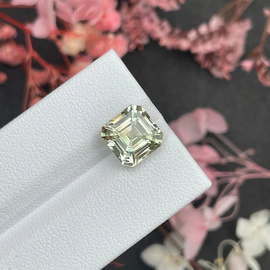
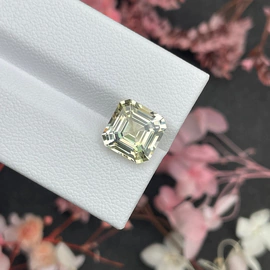
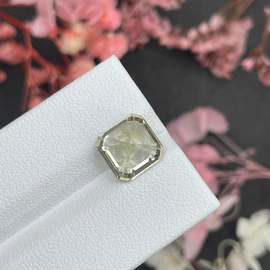
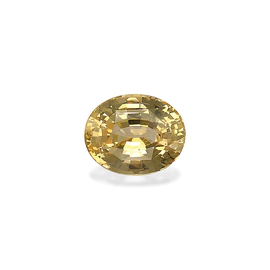
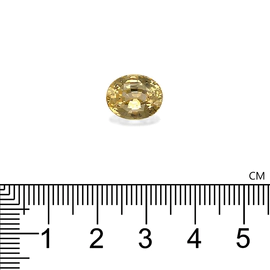
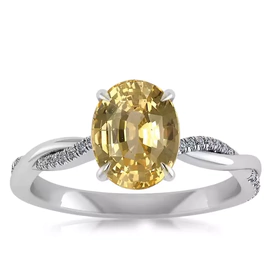
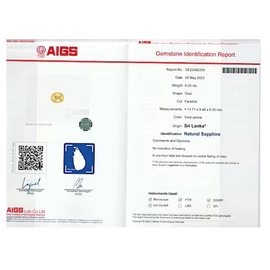
  Yellow raw sapphire from Sri Lanka 5.64 carats Yellow raw sapphire from Sri Lanka 5.64 carats Yellow sapphire is a rare gemstone with a rich history and captivating appearance. As a member of the corundum family of minerals, it has characteristics similar to related stones — ruby and blue sapphire. It is known for its exceptional durability and luster, making it a popular choice for jewelry. Yellow sapphires are formed in the same way as other sapphires, such as blue ones. The mineral corundum consists of aluminum and oxygen. Therefore, the unique and attractive yellow color of these precious stones is determined by the presence of trace elements, metals such as iron and titanium, as well as the crystal structure of the mineral. The intensity of the yellow color may vary depending on the concentration of these elements. Yellow sapphires can also be colored naturally by exposure to weak radiation in the earth's crust or as a result of laboratory irradiation. Yellow sapphires are often appreciated for the impressive variety of colors that can convey the essence of the sun and nature to the naked eye. The bright shades of these gems can vary greatly, from a rich canary yellow to a softer, muted lemon yellow. They may also contain shades of green, yellow gold or orange, which gives each stone a unique character that distinguishes it from other precious stones.
750 300 ₽
Available in stock
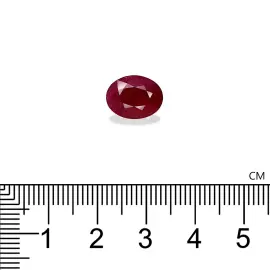
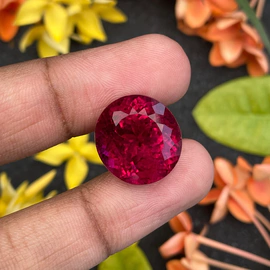
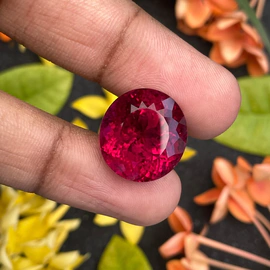
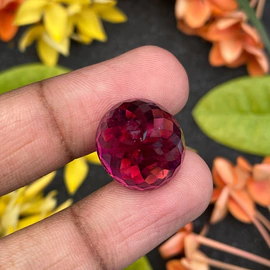
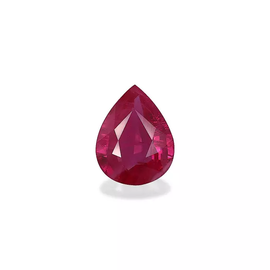
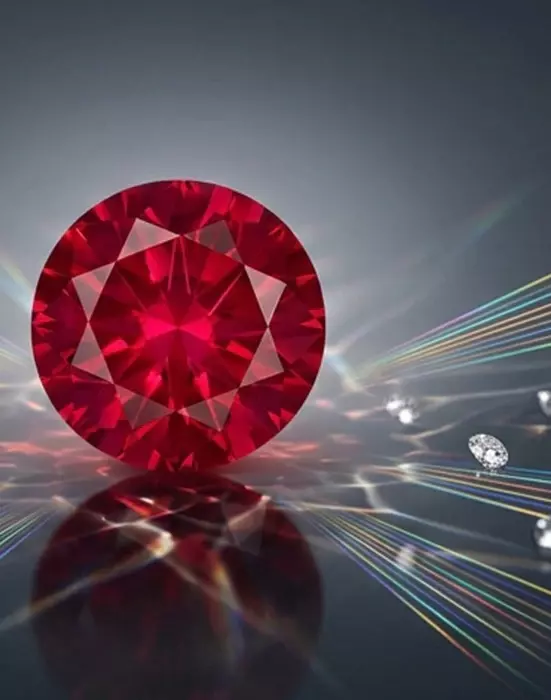
  Red Burmese Ruby 3.7 carats Red Burmese Ruby 3.7 carats Ruby is a pink to blood—red gemstone, a type of the mineral corundum (aluminum oxide). Other varieties of jewelry-grade corundum are called sapphires. Ruby is considered one of the four precious stones along with sapphire, emerald and diamond. The word "ruby" comes from the Latin ruber, which means "red". The ruby's color is due to traces of chromium in its composition. Some cabochon-cut rubies have a star shape due to the reflection of light. Rubies were used as currency and jewelry as early as 600 BC. Rubies were found in Sri Lanka as early as 300 BC, but until the XVIII century AD, most of them were mined in Burma. The Burmese ruby is considered the most expensive red gemstone in the world after red diamonds. The hardness of ruby on the Mohs scale is 9. Burma is the oldest source of rubies, and it was very difficult to get them in good quality. Due to the chromium content, Burmese rubies have a fluorescent glow. Burmese rubies are still considered one of the most expensive gems in the world.
613 200 ₽
Available in stock
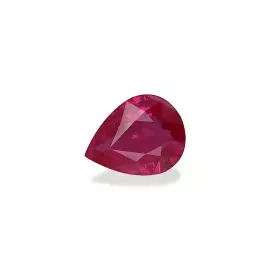
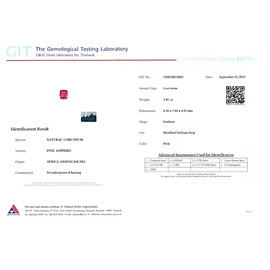
  Pink Burmese Ruby 3.77 carats Pink Burmese Ruby 3.77 carats Ruby is a pink to blood—red gemstone, a type of the mineral corundum (aluminum oxide). Other varieties of jewelry-grade corundum are called sapphires. Ruby is considered one of the four precious stones along with sapphire, emerald and diamond. The word "ruby" comes from the Latin ruber, which means "red". The ruby's color is due to traces of chromium in its composition. Some cabochon-cut rubies have a star shape due to the reflection of light. Rubies were used as currency and jewelry as early as 600 BC. Rubies were found in Sri Lanka as early as 300 BC, but until the XVIII century AD, most of them were mined in Burma. The Burmese ruby is considered the most expensive red gemstone in the world after red diamonds. The hardness of ruby on the Mohs scale is 9. Burma is the oldest source of rubies, and it was very difficult to get them in good quality. Due to the chromium content, Burmese rubies have a fluorescent glow. Burmese rubies are still considered one of the most expensive gems in the world.
620 400 ₽
Available in stock
  Rough Mozambique Ruby 3.20 carats – 9 mm, pigeon blood Rough Mozambique Ruby 3.20 carats – 9 mm, pigeon blood Ruby is a pink to blood—red gemstone, a type of the mineral corundum (aluminum oxide). Other varieties of jewelry-grade corundum are called sapphires. Ruby is considered one of the four precious stones along with sapphire, emerald and diamond. The word "ruby" comes from the Latin ruber, which means "red". The ruby's color is due to traces of chromium in its composition. Some cabochon-cut rubies have a star shape due to the reflection of light. Rubies were used as currency and jewelry as early as 600 BC. Rubies were found in Sri Lanka as early as 300 BC, but until the XVIII century AD, most of them were mined in Burma. The Burmese ruby is considered the most expensive red gemstone in the world after red diamonds. The hardness of ruby on the Mohs scale is 9. Rubies originating from Africa can be compared with the legendary specimens of Mogok, Myanmar. Although their chemical composition differs due to the presence of iron impurities, which give Mozambique rubies a light brown hue, their bright color, exceptional purity and dazzling radiance make them very special.
1 587 100 ₽
Available in stock
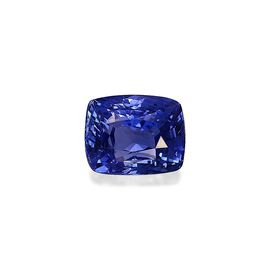
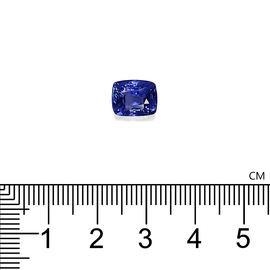
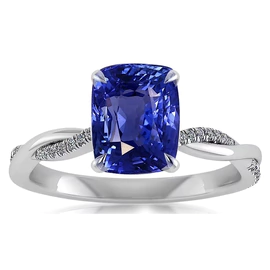
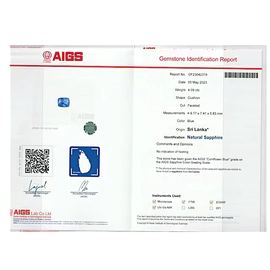
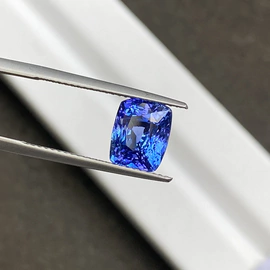
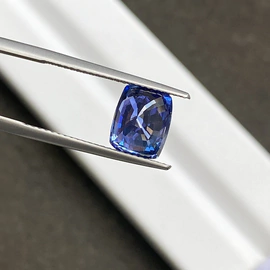
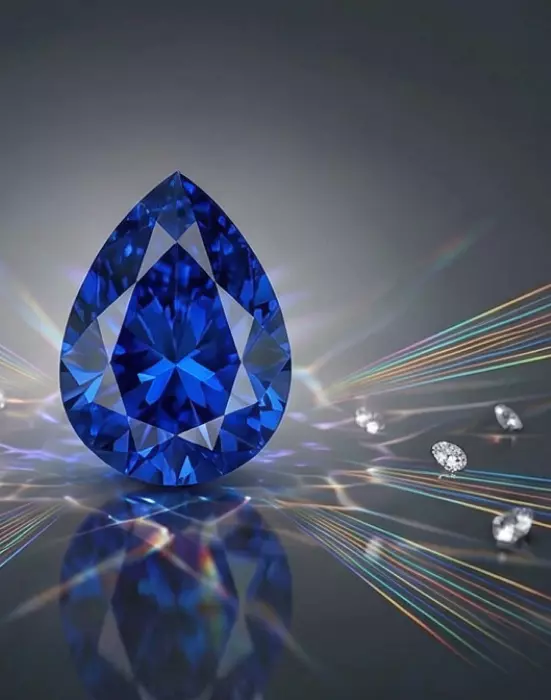
  Cornflower Blue Raw Sapphire from Sri Lanka 4.09 Carats – 9x7 mm Cornflower Blue Raw Sapphire from Sri Lanka 4.09 Carats – 9x7 mm Blue sapphire is a type of gemstone, predominantly blue in color. It is popular in jewelry and has been used by royal families for centuries. The name "sapphire" comes from the Greek word "sapphiros", meaning "blue".  Sapphires have long been considered precious stones of nobility and elegance, and they have often been used to decorate jewelry in European royal families since the Middle Ages. In recent years, sapphires have become increasingly common in the sale of colored gemstones, and interest in them continues to grow. When estimating the value of a natural blue sapphire, the most important element is the color. Although hue also matters, the closer to pure blue the better, so saturation is more important. Sapphires of the highest quality have a bright saturation. Tone is also an important factor. Dark sapphires are too common and do not reach high prices. When evaluating the quality factors of a sapphire, both saturation and tone must be taken into account. Although blue sapphires are mined in a wide variety of locations around the world, the best quality stones are mined in Sri Lanka and Kashmir. These stones are usually very small, which also causes their high price. Apart from its rarity and beauty, blue natural sapphire is also one of the hardest gemstones, making it ideal for use in jewelry that will be worn daily. If you are looking for a truly unique and special piece of jewelry, blue sapphire is a great choice, especially for wedding rings after the popularity of Princess Diana's ring. As a rule, inclusions reduce the price of sapphire in the jewelry industry. If the inclusion worsens the strength of the stone, the price drops significantly. However, sometimes inclusions can enhance the value of some sapphires. Many of the most valuable Kashmiri sapphires contain tiny inclusions that give the stone a velvety surface. These inclusions diffuse the light, creating the desired visual effects without affecting the purity of the stone.
577 200 ₽
Available in stock
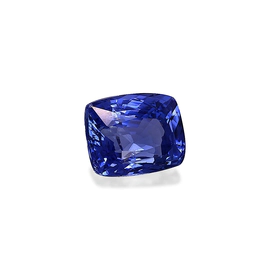
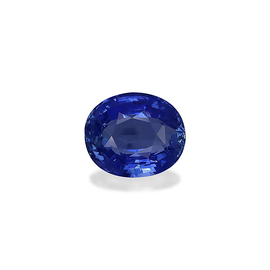
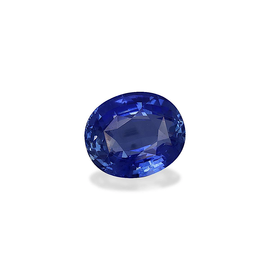
  Blue Rough Sapphire from Madagascar 4.99 carats – 11x9 mm Blue Rough Sapphire from Madagascar 4.99 carats – 11x9 mm Blue sapphire is a type of gemstone, predominantly blue in color. It is popular in jewelry and has been used by royal families for centuries. The name "sapphire" comes from the Greek word "sapphiros", meaning "blue".  Sapphires have long been considered precious stones of nobility and elegance, and they have often been used to decorate jewelry in European royal families since the Middle Ages. In recent years, sapphires have become increasingly common in the sale of colored gemstones, and interest in them continues to grow. When estimating the value of a natural blue sapphire, the most important element is the color. Although hue also matters, the closer to pure blue the better, so saturation is more important. Sapphires of the highest quality have a bright saturation. Tone is also an important factor. Dark sapphires are too common and do not reach high prices. When evaluating the quality factors of a sapphire, both saturation and tone must be taken into account. Although blue sapphires are mined in a wide variety of locations around the world, the best quality stones are mined in Sri Lanka and Kashmir. These stones are usually very small, which also causes their high price. Apart from its rarity and beauty, blue natural sapphire is also one of the hardest gemstones, making it ideal for use in jewelry that will be worn daily. If you are looking for a truly unique and special piece of jewelry, blue sapphire is a great choice, especially for wedding rings after the popularity of Princess Diana's ring. As a rule, inclusions reduce the price of sapphire in the jewelry industry. If the inclusion worsens the strength of the stone, the price drops significantly. However, sometimes inclusions can enhance the value of some sapphires. Many of the most valuable Kashmiri sapphires contain tiny inclusions that give the stone a velvety surface. These inclusions diffuse the light, creating the desired visual effects without affecting the purity of the stone.
663 700 ₽
Available in stock
  Pink Rough Sapphire from Madagascar 4.07 carats – 10x8 mm Pink Rough Sapphire from Madagascar 4.07 carats – 10x8 mm Pink sapphires are the perfect way to add a touch of luxury and elegance to any outfit or jewelry collection. And because they are natural and unprocessed, they are also a great investment. The name "sapphire" comes from the Greek word "sapphiros", which means "blue". In ancient times, it was believed that sapphires have a very powerful power. Although blue sapphires are the most well-known variety, pink sapphires are becoming increasingly popular, especially as an alternative to pink diamonds, which can be quite expensive. In many cultures, pink sapphires are also associated with trust, loyalty, sincerity, and intense love. This is why they have become a popular choice for wedding rings, especially among brides who want something unique and feminine. Natural pink sapphires perfectly complement the wedding themes in soft pink tones. One of the reasons why pink sapphires are cheaper than pink diamonds is that diamonds are much rarer. While diamonds form deep in the bowels of the earth, pink sapphires form closer to the surface, which means that there are many more of them. However, this does not mean that pink sapphires are less beautiful or valuable. Some pink sapphires can be just as rare and valuable, but still have the same quality as diamonds, depending on their size, quality, and color intensity. Since pink sapphires are considered lighter colored stones, their rarity and beauty make them highly prized gems. Whether raw or framed, pink sapphires are a luxurious and unique addition to any collection. These stones are less common than sapphires of other colors, which determines their high value. Any stone larger than half a carat is preserved exactly in this size to preserve the few large pink sapphires that still exist. Pink sapphires are considered extremely rare due to their limited geographical distribution around the world. The main deposits of these stones are in Sri Lanka, Myanmar and East Africa. However, thanks to the discovery of pink sapphires in Madagascar in the late 1990s, they have become a little more accessible to a wider range of consumers.
663 700 ₽
Available in stock
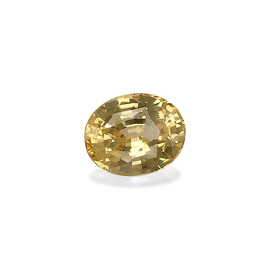
  Yellow rough sapphire from Sri Lanka 5.16 carats – 9 mm Yellow rough sapphire from Sri Lanka 5.16 carats – 9 mm Yellow sapphire is a rare gemstone with a rich history and captivating appearance. As a member of the corundum family of minerals, it has characteristics similar to related stones — ruby and blue sapphire. It is known for its exceptional durability and luster, making it a popular choice for jewelry. Yellow sapphires are formed in the same way as other sapphires, such as blue ones. The mineral corundum consists of aluminum and oxygen. Therefore, the unique and attractive yellow color of these precious stones is determined by the presence of trace elements, metals such as iron and titanium, as well as the crystal structure of the mineral. The intensity of the yellow color may vary depending on the concentration of these elements. Yellow sapphires can also be colored naturally by exposure to weak radiation in the earth's crust or as a result of laboratory irradiation. Yellow sapphires are often appreciated for the impressive variety of colors that can convey the essence of the sun and nature to the naked eye. The bright shades of these gems can vary greatly, from a rich canary yellow to a softer, muted lemon yellow. They may also contain shades of green, yellow gold or orange, which gives each stone a unique character that distinguishes it from other precious stones.
267 000 ₽
Available in stock
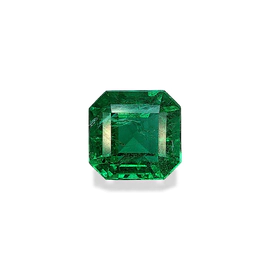
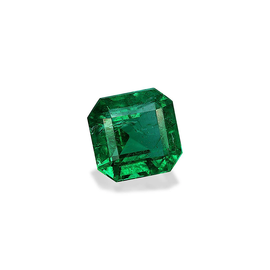
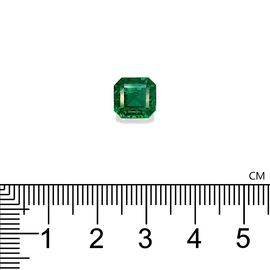
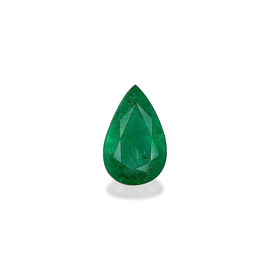
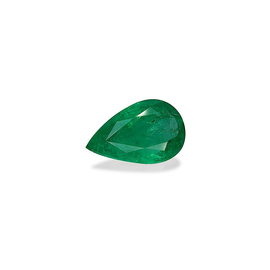
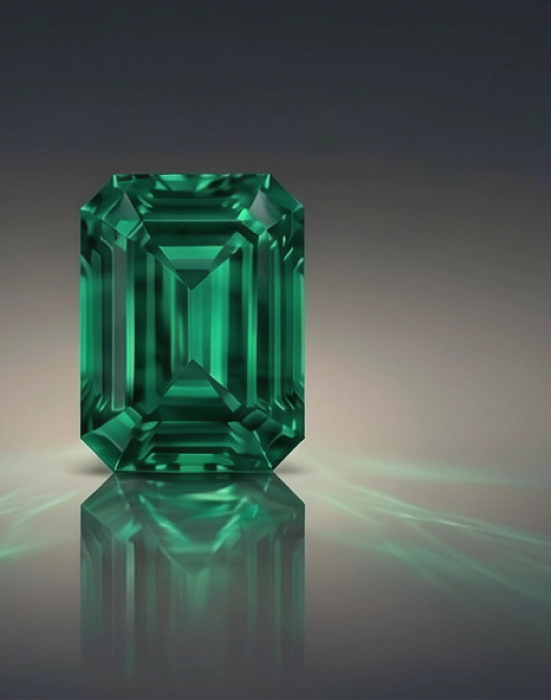
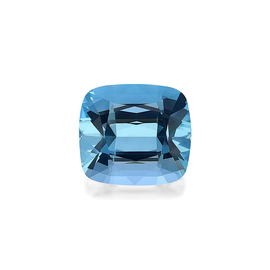
  Green Zambian Emerald 3.66 carats Green Zambian Emerald 3.66 carats Natural Zambian emerald is one of the most refined and richly colored beryls in Africa. Its purity is usually determined by the composition of the stone, but the Zambian emerald is expensive. Emerald belongs to the beryl family, which also includes aquamarine, morganite and red beryl. There are many sources of emeralds, but Zambian emeralds from Gemfields are mined ethically and have the best value for money. The value of emeralds, like all stones, is determined by four parameters: color, purity, carat and cut, with color being the most important. Nuances of saturation and hue can significantly affect the price of a stone. The most desirable color is blue—green, medium-dark, with a bright, saturated color. Cleanliness is also important. Although inclusions in emeralds are allowed to a greater extent than in all other precious stones. Raw, high-quality gemstones (with the appropriate certification) can cost up to 50% more than stones of the same size, color and purity, but processed. The geological conditions of Colombia determine exactly the color and saturation that consumers are looking for, which makes Colombian emeralds very valuable. However, the popularity of Zambian emeralds is also growing. Emeralds from an African country may also have an unusual blue hue with blue-green/yellow-green pleochroism, since their iron content is relatively high at 0.73%. They can have an intense zonal coloration with almost colorless kernels and dark green edges, similar to watermelon tourmaline. In Zambian emeralds, inclusions may occur, such as: biotite (black crystals) in the form of small dots or specks; point inclusions, inclusions in the form of bread crumbs; as well as tourmaline (dravite) and magnetite. The Kitwe material contains rutile, chrysoberyl, muscovite, apatite, quartz, ilmenite, tourmaline, color zonation, and two-phase inclusions.

310 200 ₽
Available in stock
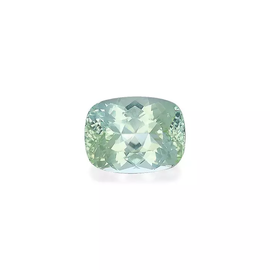
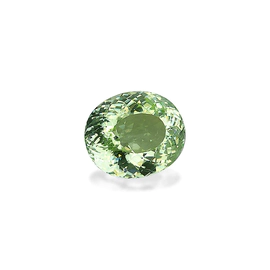
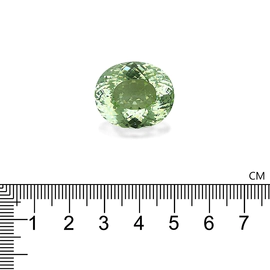
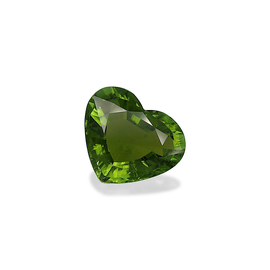
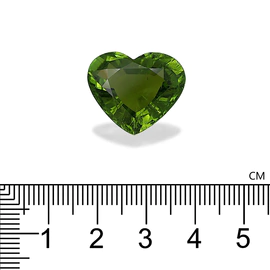
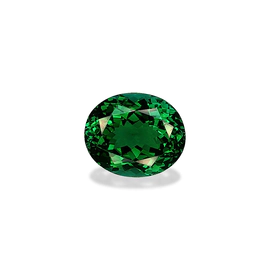
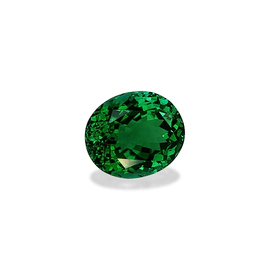
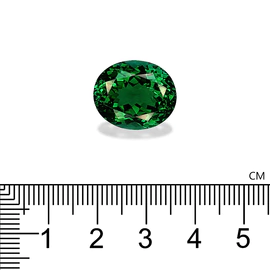
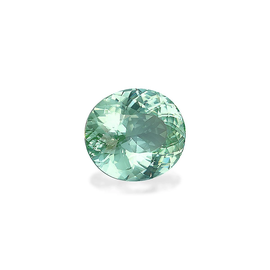
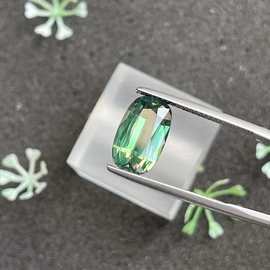
  Lime Green Paraiba Tourmaline 16.30 Carats Lime Green Paraiba Tourmaline 16.30 Carats Paraiba tourmaline is a rare, unique and vibrant gemstone discovered in Brazil in the 1980s. It is appreciated for its neon blue and green shades, as well as for its copper and manganese content, which distinguishes it from other types of tourmaline. The value of Paraibo tourmaline is estimated based on color saturation, purity, cut and weight in carats, while neon blue, high saturation, fewer inclusions and a larger size are considered the most desirable. There is disagreement in the jewelry industry over whether the term "Paraibo tourmaline" should be limited to stones from a Brazilian deposit or also include stones from Nigeria and Mozambique, as this may affect the value of the gemstone. The value of paraiba tourmaline is determined by four parameters: color, purity, cut and weight in carats. The cost estimate also takes into account the origin and any processing performed. The weight in carats, especially for paraiba tourmalines, plays an important role, as it significantly affects the assessment of the overall quality of this special gemstone. Prized for its stunningly bright neon blue and green shades (due to copper and manganese), Paraiba tourmaline stands out among other varieties of this precious mineral. These mesmerizing shades range from bright blue to a delicate mint green, presenting a fascinating sight for both the eyes and the scientific mind.
396 800 ₽
Available in stock
  Neon Blue Mozambique Paraiba Tourmaline 5.83 Carats Neon Blue Mozambique Paraiba Tourmaline 5.83 Carats Paraiba tourmaline is a rare, unique and vibrant gemstone discovered in Brazil in the 1980s. It is appreciated for its neon blue and green shades, as well as for its copper and manganese content, which distinguishes it from other types of tourmaline. The value of Paraibo tourmaline is estimated based on color saturation, purity, cut and weight in carats, while neon blue, high saturation, fewer inclusions and a larger size are considered the most desirable. There is disagreement in the jewelry industry over whether the term "Paraibo tourmaline" should be limited to stones from a Brazilian deposit or also include stones from Nigeria and Mozambique, as this may affect the value of the gemstone. The value of paraiba tourmaline is determined by four parameters: color, purity, cut and weight in carats. The cost estimate also takes into account the origin and any processing performed. The weight in carats, especially for paraiba tourmalines, plays an important role, as it significantly affects the assessment of the overall quality of this special gemstone. Prized for its stunningly bright neon blue and green shades (due to copper and manganese), Paraiba tourmaline stands out among other varieties of this precious mineral. These mesmerizing shades range from bright blue to a delicate mint green, presenting a fascinating sight for both the eyes and the scientific mind.
707 000 ₽
Available in stock
  Neon Blue Mozambique Paraiba Tourmaline 4.21 Carats – 10 mm Neon Blue Mozambique Paraiba Tourmaline 4.21 Carats – 10 mm Paraiba tourmaline is a rare, unique and vibrant gemstone discovered in Brazil in the 1980s. It is appreciated for its neon blue and green shades, as well as for its copper and manganese content, which distinguishes it from other types of tourmaline. The value of Paraibo tourmaline is estimated based on color saturation, purity, cut and weight in carats, while neon blue, high saturation, fewer inclusions and a larger size are considered the most desirable. There is disagreement in the jewelry industry over whether the term "Paraibo tourmaline" should be limited to stones from a Brazilian deposit or also include stones from Nigeria and Mozambique, as this may affect the value of the gemstone. The value of paraiba tourmaline is determined by four parameters: color, purity, cut and weight in carats. The cost estimate also takes into account the origin and any processing performed. The weight in carats, especially for paraiba tourmalines, plays an important role, as it significantly affects the assessment of the overall quality of this special gemstone. Prized for its stunningly bright neon blue and green shades (due to copper and manganese), Paraiba tourmaline stands out among other varieties of this precious mineral. These mesmerizing shades range from bright blue to a delicate mint green, presenting a fascinating sight for both the eyes and the scientific mind.
1 103 800 ₽
Available in stock
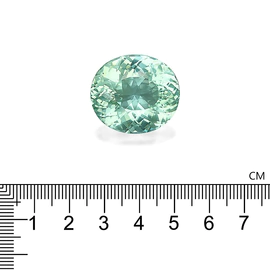
  Mozambique Paraiba Green Tourmaline 39.20 Carats Mozambique Paraiba Green Tourmaline 39.20 Carats Paraiba tourmaline is a rare, unique and vibrant gemstone discovered in Brazil in the 1980s. It is appreciated for its neon blue and green shades, as well as for its copper and manganese content, which distinguishes it from other types of tourmaline. The value of Paraibo tourmaline is estimated based on color saturation, purity, cut and weight in carats, while neon blue, high saturation, fewer inclusions and a larger size are considered the most desirable. There is disagreement in the jewelry industry about whether the term "Paraibo tourmaline" should be limited to stones from a Brazilian deposit or also include stones from Nigeria and Mozambique, as this may affect the value of the gemstone. The value of paraiba tourmaline is determined by four parameters: color, purity, cut and weight in carats. The cost estimate also takes into account the origin and any processing performed. The weight in carats, especially for paraiba tourmalines, plays an important role, as it significantly affects the assessment of the overall quality of this special gemstone. Prized for its stunningly bright neon blue and green shades (due to copper and manganese), Paraiba tourmaline stands out among other varieties of this precious mineral. These mesmerizing shades range from bright blue to a delicate mint green, presenting a fascinating sight for both the eyes and the scientific mind.
353 500 ₽
Available in stock
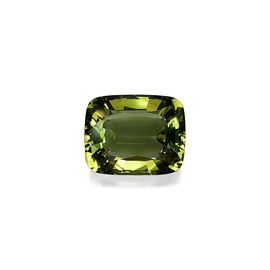
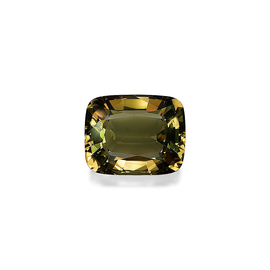
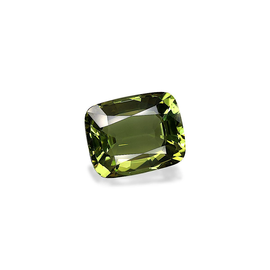
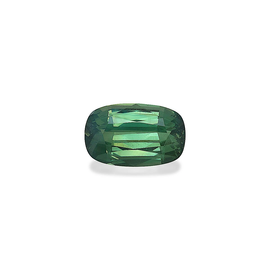
  Olive Green Mozambique Tourmaline Paraiba 33.03 carats Olive Green Mozambique Tourmaline Paraiba 33.03 carats Paraiba tourmaline is a rare, unique and vibrant gemstone discovered in Brazil in the 1980s. It is appreciated for its neon blue and green shades, as well as for its copper and manganese content, which distinguishes it from other types of tourmaline. The value of Paraibo tourmaline is estimated based on color saturation, purity, cut and weight in carats, while neon blue, high saturation, fewer inclusions and a larger size are considered the most desirable. There is disagreement in the jewelry industry over whether the term "Paraibo tourmaline" should be limited to stones from a Brazilian deposit or also include stones from Nigeria and Mozambique, as this may affect the value of the gemstone. The value of paraiba tourmaline is determined by four parameters: color, purity, cut and weight in carats. The cost estimate also takes into account the origin and any processing performed. The weight in carats, especially for paraiba tourmalines, plays an important role, as it significantly affects the assessment of the overall quality of this special gemstone. Prized for its stunningly bright neon blue and green shades (due to copper and manganese), Paraiba tourmaline stands out among other varieties of this precious mineral. These mesmerizing shades range from bright blue to a delicate mint green, presenting a fascinating sight for both the eyes and the scientific mind.
533 900 ₽
Available in stock
  Green, Unprocessed Madagascar Alexandrite, color-changing 30.27 carats Green, Unprocessed Madagascar Alexandrite, color-changing 30.27 carats Alexandrite is a rare and valuable gemstone, first discovered in Russia in the 1830s. It is valued for its unique ability to change color, which is due to the presence of traces of chromium in its composition. Alexandrite can have a greenish tint in daylight and reddish in incandescent light, making it a popular choice for jewelry. Natural alexandrite is a unique gemstone, first discovered in the Ural Mountains in Russia in the 1830s. It was named after Alexander II, the then tsar of Russia. This type of chrysoberyl is distinguished by its extraordinary ability to change color — from green to red — depending on the type of lighting. Alexandrite became quite popular in the Victorian era, when it was used in jewelry and other decorative items. However, due to its rarity, it was quite expensive and accessible only to the wealthy elite. Today, natural alexandrite is found in a wide variety of colors and sizes and is relatively affordable than before. It is still popular for making jewelry and collectibles, and is also considered one of the precious stones that should be carefully preserved.
3 174 200 ₽
Available in stock
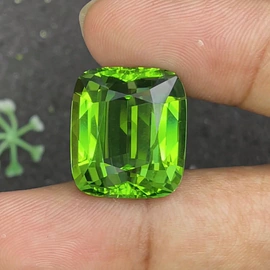
  Bright Green Raw Burmese Peridot 31.78 Carats – 19x17 mm Bright Green Raw Burmese Peridot 31.78 Carats – 19x17 mm The peridot gemstone has a long and complex history. It was first discovered on the island of Zabargad, which is now part of Egypt. The ancient Egyptians were the first to mine this unique green stone. In ancient Egypt, green peridots were used for a variety of purposes, including for ornaments of the pharaohs and as funeral gifts for loved ones. This tradition continued for centuries, and peridot eventually became known as the "stone of the sun." Recently, peridot has become a popular gemstone for various jewelry items. It is especially popular in engagement and wedding rings. Peridot is also considered the birth stone for August. The most characteristic feature of jewelry-quality peridot is its purity. There are no visible inclusions in the stone, and it is one of the few precious stones with a perfectly transparent shell. Sometimes there may be reflective discs in the stones, visible under a microscope. They are called "water lilies" and they are prized by both jewelers and collectors. The stones of the highest quality will have a minimum number of inclusions, defects or opacities, or none at all. Cutting a stone changes its appearance. Peridot needs a cut that highlights its beautiful shades and exceptional purity. Fortunately, due to its hardness (or lack thereof), peridot is easy to process and process. The most popular cuts are pillow-shaped, marquise, round, oval and trillionth. Most peridots are green or yellowish-green in color. The color intensity depends on the amount of iron in the crystal structure. Peridots with a higher iron content will have a darker green color, while peridots with a lower iron content will be lighter or even yellowish-green (light green). Some peridots may also have a brown tint due to trace amounts of other elements in their crystal structure.
577 200 ₽
Available in stock
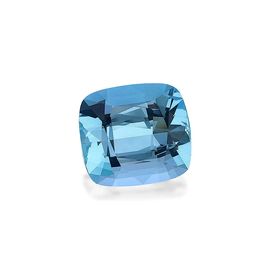
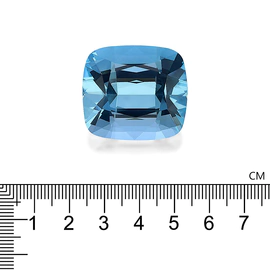
  Blue African Aquamarine Santa Maria 98.74 carats Blue African Aquamarine Santa Maria 98.74 carats Aquamarine is a beautiful blue—green gemstone that has been valued since ancient times. Blue aquamarines adorn the jewelry of elite jewelers around the world, mainly due to their light blue or deep blue color, which makes them special in every way. Aquamarines are usually faceted into a rectangular shape, as they are formed in nature in the form of solid long crystals. Aquamarine shapes form the basis of most designs used in jewelry. Aquamarines are worn by members of royal families, for example, the royal family of Great Britain. These precious stones are used by jewelers even in Asian markets due to their feng shui-related properties, which Chinese buyers also believe in. Aquamarines are known for their blue or greenish-blue color and are among the most popular gemstones of all time. They are also considered the March stone or the birth stone for March. Greenish blue or blue is also one of the preferred shades of aquamarine. - Santa Maria is considered the best color for aquamarines. - Arctic blue is a very good color. - Sky blue is an average color. - Light blue is the lightest color. The most common and expensive aquamarine, known by the trade name Santa Maria, is famous for its deep blue color, characteristic of Brazil. This material is very rare and expensive. Nowadays, the word "Santa Maria" is used as a defining word for the color blue, and gems from other regions have also begun to use the term to describe the color aquamarine, especially from Mozambique, Madagascar, and India.
1 940 600 ₽
Available in stock
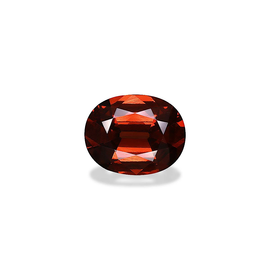
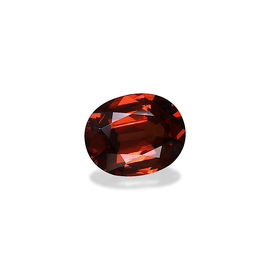
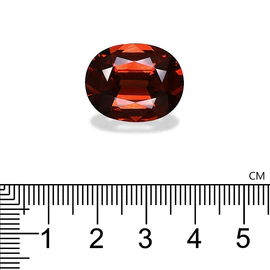
  Orange African Garnet Spessartite 22.15 Carats Orange African Garnet Spessartite 22.15 Carats Spessartite garnet is a representative of the pomegranate family. Its color ranges from a dazzling tangerine to a majestic deeper orange-red hue, making it a gemstone that should not be overlooked. Spessartite, characteristic of the garnet family, is rarely pure, it contains inclusions and cracks, so pure stones are highly valued in trade. The most expensive copies have a bright neon orange color, which is sometimes called the "orange shade of Fanta", by analogy with the popular orange carbonated drink.
577 200 ₽
Available in stock
  Fiery Orange African Garnet Spessartite 18.73 carats, pair Fiery Orange African Garnet Spessartite 18.73 carats, pair Spessartite garnet is a representative of the pomegranate family. Its color ranges from a dazzling tangerine to a majestic deeper orange-red hue, making it a gemstone that should not be overlooked. Spessartite, characteristic of the garnet family, is rarely pure, it contains inclusions and cracks, so pure stones are highly valued in trade. The most expensive copies have a bright neon orange color, which is sometimes called the "orange shade of Fanta", by analogy with the popular orange carbonated drink.
267 000 ₽
Available in stock
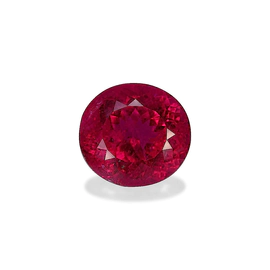
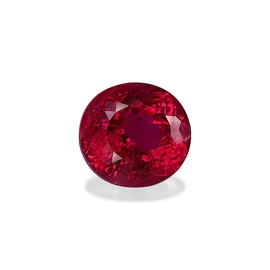
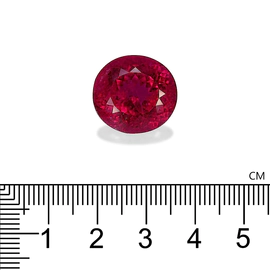
Starlanka Bright Pink African Rubellite-Tourmaline 23.94 carats Bright Pink African Rubellite-Tourmaline 23.94 carats This gemstone is known as red tourmaline because of its wide range of colors, from purplish pink to purple-red. Although it is called red tourmaline, not all red tourmalines are rubellite. This name is reserved exclusively for the brightest stones. Due to its beautiful color scheme, the stone is also called the "Stone of the Perfect Heart", which connects it with love and relationships. Due to its high refractive index, regardless of the lighting, it will look amazing and incredibly beautiful. One of the most interesting properties of this gemstone is its pyroelectric properties. This means that it is charged with an electric current when heated or cooled. This phenomenon occurs because the crystal structure of the stone is polarized when exposed to different temperatures, thereby creating stress. Due to these properties, rubellite is believed to help protect against various harmful energies of everyday life. Due to its hardness of 7.0–7.5, tourmalines are perfect for jewelry making. However, they should be handled carefully. Avoid rough handling and the use of mechanical cleaning methods.
577 200 ₽
Available in stock
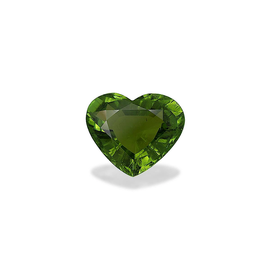
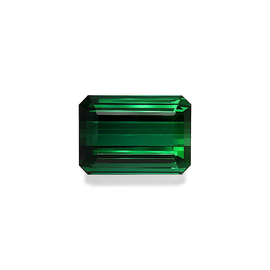
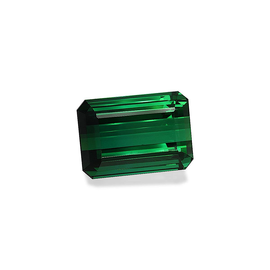
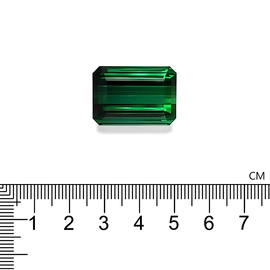
Starlanka Bright Green African Tourmaline 59.71 carats Bright Green African Tourmaline 59.71 carats Green tourmaline is a type of tourmaline, specifically green in color; it is sometimes referred to as verdelite in the trade. The color varies from bright electric to pale green, which makes it a very sought-after stone in the family of green stones. The most common noticeable property that helps gemstone dealers identify tourmaline is the double refraction effect, which is characteristic of these stones. Tourmaline jewelry is very durable and suitable for everyday wear, but it should be worn with caution, as falling on concrete can cause physical damage to the stone. Clean jewelry with tourmaline with warm soapy water and a soft brush. Avoid mechanical cleaning, as it can damage the stones. If you are not sure, take your tourmaline jewelry to a professional dry cleaner.
440 100 ₽
Available in stock
Starlanka Bright Green Nigerian Tourmaline 14.86 carats Bright Green Nigerian Tourmaline 14.86 carats Green tourmaline is a type of tourmaline, specifically green in color; it is sometimes referred to as verdelite in the trade. The color varies from bright electric to pale green, which makes it a very sought-after stone in the family of green stones. The most common noticeable property that helps gemstone dealers identify tourmaline is the double refraction effect, which is characteristic of these stones. Tourmaline jewelry is very durable and suitable for everyday wear, but it should be worn with caution, as falling on concrete can cause physical damage to the stone. Clean jewelry with tourmaline with warm soapy water and a soft brush. Avoid mechanical cleaning, as it can damage the stones. If you are not sure, take your tourmaline jewelry to a professional dry cleaner.
396 800 ₽
Available in stock
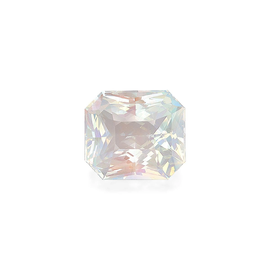
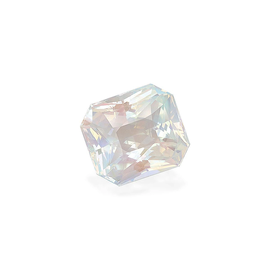
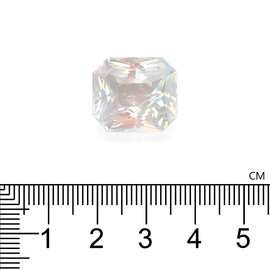
Starlanka White Rainbow Moonstone from Madagascar 18.18 Carats – 17x15 mm White Rainbow Moonstone from Madagascar 18.18 Carats – 17x15 mm Understanding the rainbow moonstone goes beyond its shining surface. This gemstone is valued for its unique play of color, as well as for the sense of peace and clarity it is believed to bring. From exploring its healing properties to exploring its role in jewelry and personal growth, our guide sheds light on the multifaceted nature of rainbow moonstone and how to preserve its beauty and effectiveness. Rainbow moonstones stand out due to the unique effect of adulescence, which demonstrates the play of different colors compared to the soft white luster of a traditional moonstone. Traditional moonstones usually have a white or blue luster, while rainbow moonstones can exhibit a wider range of colors, including blue, green, and pink hues. Rainbow moonstone, consisting mainly of two minerals, orthoclase and albite, is a type of feldspar. These minerals form a unique structure that determines the bright colors of the stone. The microscopic layering of these minerals diffuses the incident light, creating a play of colors characteristic of the stone, known as adulescence.
396 800 ₽
Available in stock
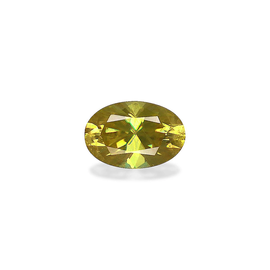
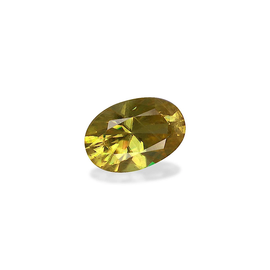
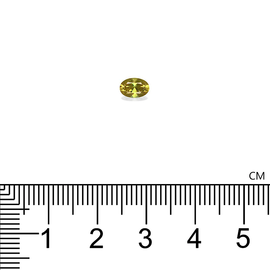
Starlanka Yellow Indian Titanite 463.07 carats – 6x4 mm Yellow Indian Titanite 463.07 carats – 6x4 mm Sphene, or titanite, belongs to the group of titanite minerals and is the most titanium-rich representative of this group. It is the only representative of the group widely used as a gemstone and in jewelry. However, despite their accessibility, these stones remain little known to most jewelry lovers and gemstone collectors. Everyone knows that color, purity, and carat value are all factors that influence the evaluation of precious stones, along with craftsmanship and cutting techniques. As for the sphene, light tones such as yellow, light orange and green best emphasize the dispersion of the stone, and therefore are the preferred colors for collectors and jewelers. Canada, Madagascar, and Mexico are the main sources of sphene gems. Yellow-brown, brown, green, and dark green (chrome) crystals up to 4 inches in size are mined in Baja California, Mexico. This may be one of the largest sphene deposits in the world. Madagascar produces green crystals, sometimes large ones. Brown and black crystals are mined in Canada.
440 100 ₽
Available in stock
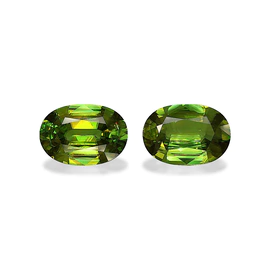
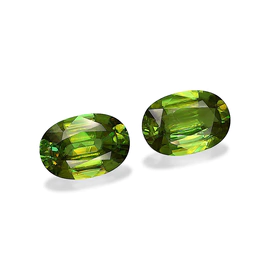
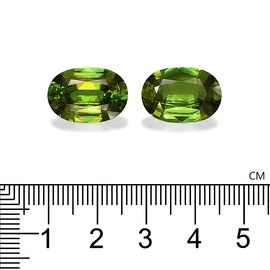
Starlanka Green Unprocessed Madagascar Titanite 18.19 carats, pair Green Unprocessed Madagascar Titanite 18.19 carats, pair Sphene, or titanite, belongs to the group of titanite minerals and is the most titanium-rich representative of this group. It is the only representative of the group widely used as a gemstone and in jewelry. However, despite their accessibility, these stones remain little known to most jewelry lovers and gemstone collectors. Everyone knows that color, purity, and carat value are all factors that influence the evaluation of precious stones, along with craftsmanship and cutting techniques. As for the sphene, light tones such as yellow, light orange and green best emphasize the dispersion of the stone, and therefore are the preferred colors for collectors and jewelers. Canada, Madagascar, and Mexico are the main sources of sphene gems. Yellow-brown, brown, green, and dark green (chrome) crystals up to 4 inches in size are mined in Baja California, Mexico. This may be one of the largest sphene deposits in the world. Madagascar produces green crystals, sometimes large ones. Brown and black crystals are mined in Canada.
267 000 ₽
Available in stock
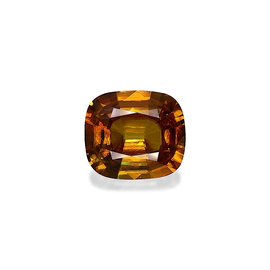
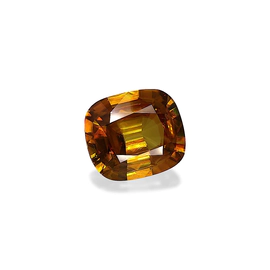
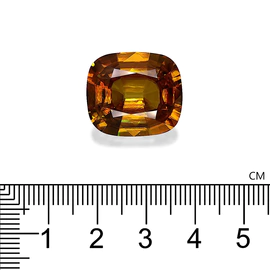
Starlanka Honey Yellow Untreated Madagascar Titanite 24.98 carats Honey Yellow Untreated Madagascar Titanite 24.98 carats Sphene, or titanite, belongs to the group of titanite minerals and is the most titanium-rich representative of this group. It is the only representative of the group widely used as a gemstone and in jewelry. However, despite their accessibility, these stones remain little known to most jewelry lovers and gemstone collectors. Everyone knows that color, purity, and carat value are all factors that influence the evaluation of precious stones, along with craftsmanship and cutting techniques. As for the sphene, light tones such as yellow, light orange and green best emphasize the dispersion of the stone, and therefore are the preferred colors for collectors and jewelers. Canada, Madagascar, and Mexico are the main sources of sphene gems. Yellow-brown, brown, green, and dark green (chrome) crystals up to 4 inches in size are mined in Baja California, Mexico. This may be one of the largest sphene deposits in the world. Madagascar produces green crystals, sometimes large ones. Brown and black crystals are mined in Canada.
267 000 ₽
Available in stock
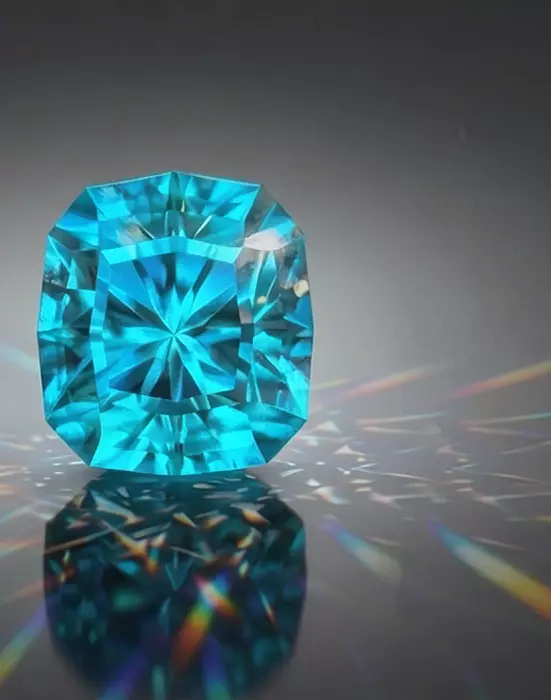
Starlanka Sky Blue Mozambican Tourmaline Cuprian 18.58 Carats – 18x16 mm Sky Blue Mozambican Tourmaline Cuprian 18.58 Carats – 18x16 mm Tourmaline is a family of related minerals with different properties. Due to the wide variety of colors, these stones are popular in jewelry. High-quality tourmaline is found in a wide variety of colors and varieties, from colorless to pink and even black, with amazing varieties such as Paraiba tourmaline and watermelon tourmaline. The most common noticeable property that helps gemstone dealers identify tourmaline is the double refraction effect, which is characteristic of these stones. Tourmaline jewelry is very durable and suitable for everyday wear, but it should be worn with caution, as falling on concrete can cause physical damage to the stone. Clean jewelry with tourmaline with warm soapy water and a soft brush. Avoid mechanical cleaning, as it can damage the stones. If you are not sure, take your tourmaline jewelry to a professional dry cleaner.
440 100 ₽
Available in stock
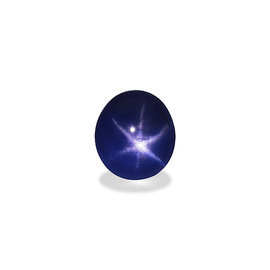
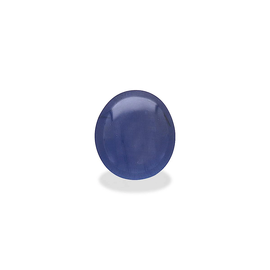
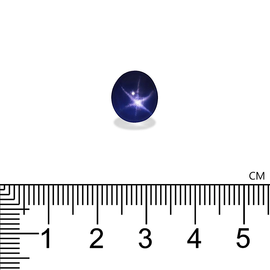
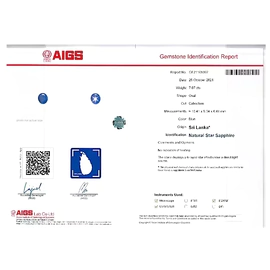
Starlanka Blue Uncut star sapphire from Sri Lanka 7.07 carats Blue Uncut star sapphire from Sri Lanka 7.07 carats Star sapphire usually has a blue hue and belongs to the corundum family, except for the appearance of white asterisms. It is mined in several places such as Sri Lanka, Madagascar, Myanmar and Vietnam. In the trade, these gems are also called "six-pointed" or "stars on Earth." The main feature that distinguishes star sapphire from other varieties of sapphire is the asterism that gave the stone its name. Due to its hardness and durability, this gemstone is almost impossible to confuse with any other, although it is known that there are other stones with a similar luster and color. It is most often confused with star garnet and star diopside.
490 600 ₽
Available in stock
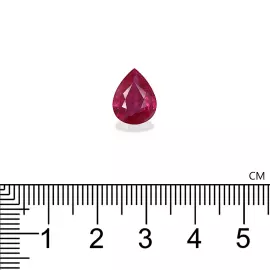
  Pink Burmese Ruby 3.3 carats Pink Burmese Ruby 3.3 carats Ruby is a pink to blood—red gemstone, a type of the mineral corundum (aluminum oxide). Other varieties of jewelry-grade corundum are called sapphires. Ruby is considered one of the four precious stones along with sapphire, emerald and diamond. The word "ruby" comes from the Latin ruber, which means "red". The ruby's color is due to traces of chromium in its composition. Some cabochon-cut rubies have a star shape due to the reflection of light. Rubies were used as currency and jewelry as early as 600 BC. Rubies were found in Sri Lanka as early as 300 BC, but until the XVIII century AD, most of them were mined in Burma. The Burmese ruby is considered the most expensive red gemstone in the world after red diamonds. The hardness of ruby on the Mohs scale is 9. Burma is the oldest source of rubies, and it was very difficult to get them in good quality. Due to the chromium content, Burmese rubies have a fluorescent glow. Burmese rubies are still considered one of the most expensive gems in the world.
613 200 ₽
Available in stock
  Pink rough sapphire from Madagascar 3.47 carats Pink rough sapphire from Madagascar 3.47 carats Pink sapphires are the perfect way to add a touch of luxury and elegance to any outfit or jewelry collection. And because they are natural and unprocessed, they are also a great investment. The name "sapphire" comes from the Greek word "sapphiros", which means "blue". In ancient times, it was believed that sapphires have a very powerful power. Although blue sapphires are the most well-known variety, pink sapphires are becoming increasingly popular, especially as an alternative to pink diamonds, which can be quite expensive. In many cultures, pink sapphires are also associated with trust, loyalty, sincerity, and intense love. This is why they have become a popular choice for wedding rings, especially among brides who want something unique and feminine. Natural pink sapphires perfectly complement the wedding themes in soft pink tones. One of the reasons why pink sapphires are cheaper than pink diamonds is that diamonds are much rarer. While diamonds form deep in the bowels of the earth, pink sapphires form closer to the surface, which means that there are many more of them. However, this does not mean that pink sapphires are less beautiful or valuable. Some pink sapphires can be just as rare and valuable, but still have the same quality as diamonds, depending on their size, quality, and color intensity. Since pink sapphires are considered lighter-colored stones, their rarity and beauty make them highly prized gems. Whether raw or framed, pink sapphires are a luxurious and unique addition to any collection. These stones are less common than sapphires of other colors, which determines their high value. Any stone larger than half a carat is preserved exactly in this size to preserve the few large pink sapphires that still exist. Pink sapphires are considered extremely rare due to their limited geographical distribution around the world. The main deposits of these stones are in Sri Lanka, Myanmar and East Africa. However, thanks to the discovery of pink sapphires in Madagascar in the late 1990s, they have become a little more accessible to a wider range of consumers.
310 200 ₽
Available in stock
  Yellow Raw Sapphire from Sri Lanka 6.02 carats – 11x9 mm Yellow Raw Sapphire from Sri Lanka 6.02 carats – 11x9 mm Yellow sapphire is a rare gemstone with a rich history and captivating appearance. As a member of the corundum family of minerals, it has characteristics similar to related stones — ruby and blue sapphire. It is known for its exceptional durability and luster, making it a popular choice for jewelry. Yellow sapphires are formed in the same way as other sapphires, such as blue ones. The mineral corundum consists of aluminum and oxygen. Therefore, the unique and attractive yellow color of these precious stones is determined by the presence of trace elements, metals such as iron and titanium, as well as the crystal structure of the mineral. The intensity of the yellow color may vary depending on the concentration of these elements. Yellow sapphires can also be colored naturally by exposure to weak radiation in the earth's crust or as a result of laboratory irradiation. Yellow sapphires are often appreciated for the impressive variety of colors that can convey the essence of the sun and nature to the naked eye. The bright shades of these gems can vary greatly, from a rich canary yellow to a softer, muted lemon yellow. They may also contain shades of green, yellow gold or orange, which gives each stone a unique character that distinguishes it from other precious stones.
533 900 ₽
Available in stock
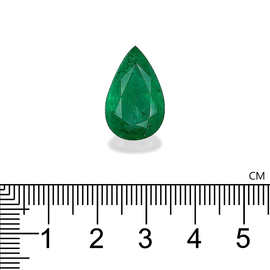
  Green Zambian Emerald 10.87 carats Green Zambian Emerald 10.87 carats Natural Zambian emerald is one of the most refined and richly colored beryls in Africa. Its purity is usually determined by the composition of the stone, but the Zambian emerald is expensive. Emerald belongs to the beryl family, which also includes aquamarine, morganite and red beryl. There are many sources of emeralds, but Zambian emeralds from Gemfields are mined ethically and have the best value for money. The value of emeralds, like all stones, is determined by four parameters: color, purity, carat and cut, with color being the most important. Nuances of saturation and hue can significantly affect the price of a stone. The most desirable color is blue—green, medium-dark, with a bright, saturated color. Cleanliness is also important. Although inclusions in emeralds are allowed to a greater extent than in all other precious stones. Raw, high-quality gemstones (with the appropriate certification) can cost up to 50% more than stones of the same size, color and purity, but processed. The geological conditions of Colombia determine exactly the color and saturation that consumers are looking for, which makes Colombian emeralds very valuable. However, the popularity of Zambian emeralds is also growing. Emeralds from an African country may also have an unusual blue hue with blue-green/yellow-green pleochroism, since their iron content is relatively high at 0.73%. They can have an intense zonal coloration with almost colorless kernels and dark green edges, similar to watermelon tourmaline. In Zambian emeralds, inclusions may occur, such as: biotite (black crystals) in the form of small dots or specks; point inclusions, inclusions in the form of bread crumbs; as well as tourmaline (dravite) and magnetite. The Kitwe material contains rutile, chrysoberyl, muscovite, apatite, quartz, ilmenite, tourmaline, color zonation, and two-phase inclusions.
267 000 ₽
Available in stock
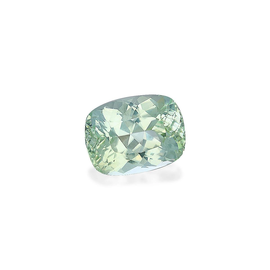
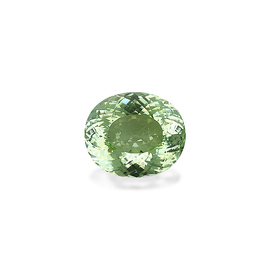
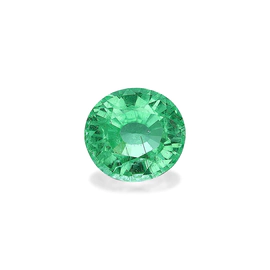
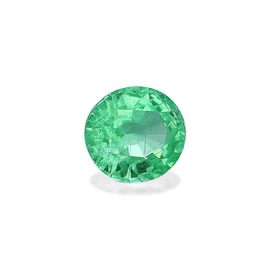
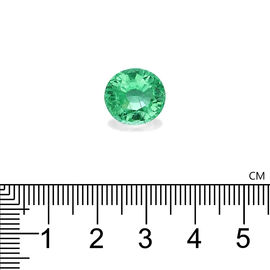
  Green Mozambique Paraiba Tourmaline 9.03 carats Green Mozambique Paraiba Tourmaline 9.03 carats Paraiba tourmaline is a rare, unique and vibrant gemstone discovered in Brazil in the 1980s. It is valued for its neon blue and green shades, as well as for its copper and manganese content, which distinguishes it from other types of tourmaline. The value of Paraibo tourmaline is estimated based on color saturation, purity, cut and weight in carats, while neon blue, high saturation, fewer inclusions and a larger size are considered the most desirable. There is disagreement in the jewelry industry about whether the term "Paraibo tourmaline" should be limited to stones from a Brazilian deposit or also include stones from Nigeria and Mozambique, as this may affect the value of the gemstone. The value of paraiba tourmaline is determined by four parameters: color, purity, cut and weight in carats. The cost estimate also takes into account the origin and any processing performed. The weight in carats, especially for paraiba tourmalines, plays an important role, as it significantly affects the assessment of the overall quality of this special gemstone. Prized for its stunningly bright neon blue and green shades (due to copper and manganese), Paraiba tourmaline stands out among other varieties of this precious mineral. These mesmerizing shades range from bright blue to a delicate mint green, presenting a fascinating sight for both the eyes and the scientific mind.
1 587 100 ₽
Available in stock
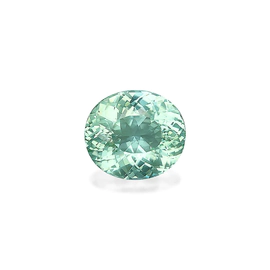
  Pale Green Mozambique Paraiba Tourmaline 63.81 Carats Pale Green Mozambique Paraiba Tourmaline 63.81 Carats Paraiba tourmaline is a rare, unique and vibrant gemstone discovered in Brazil in the 1980s. It is appreciated for its neon blue and green shades, as well as for its copper and manganese content, which distinguishes it from other types of tourmaline. The value of Paraibo tourmaline is estimated based on color saturation, purity, cut and weight in carats, while neon blue, high saturation, fewer inclusions and a larger size are considered the most desirable. There is disagreement in the jewelry industry about whether the term "Paraibo tourmaline" should be limited to stones from a Brazilian deposit or also include stones from Nigeria and Mozambique, as this may affect the value of the gemstone. The value of paraiba tourmaline is determined by four parameters: color, purity, cut and weight in carats. The cost estimate also takes into account the origin and any processing performed. The weight in carats, especially for paraiba tourmalines, plays an important role, as it significantly affects the assessment of the overall quality of this special gemstone. Prized for its stunningly bright neon blue and green shades (due to copper and manganese), Paraiba tourmaline stands out among other varieties of this precious mineral. These mesmerizing shades range from bright blue to a delicate mint green, presenting a fascinating sight for both the eyes and the scientific mind.
1 854 000 ₽
Available in stock
  Green Mozambique Paraiba Tourmaline 13.13 Carats – 15 mm Green Mozambique Paraiba Tourmaline 13.13 Carats – 15 mm Paraiba tourmaline is a rare, unique and vibrant gemstone discovered in Brazil in the 1980s. It is valued for its neon blue and green shades, as well as for its copper and manganese content, which distinguishes it from other types of tourmaline. The value of Paraibo tourmaline is estimated based on color saturation, purity, cut and weight in carats, while neon blue, high saturation, fewer inclusions and a larger size are considered the most desirable. There is disagreement in the jewelry industry about whether the term "Paraibo tourmaline" should be limited to stones from a Brazilian deposit or also include stones from Nigeria and Mozambique, as this may affect the value of the gemstone. The value of paraiba tourmaline is determined by four parameters: color, purity, cut and weight in carats. The cost estimate also takes into account the origin and any processing performed. The weight in carats, especially for paraiba tourmalines, plays an important role, as it significantly affects the assessment of the overall quality of this special gemstone. Prized for its stunningly bright neon blue and green shades (due to copper and manganese), Paraiba tourmaline stands out among other varieties of this precious mineral. These mesmerizing shades range from bright blue to a delicate mint green, presenting a fascinating sight for both the eyes and the scientific mind.
310 200 ₽
Available in stock
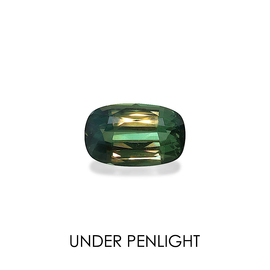
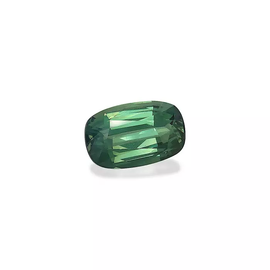
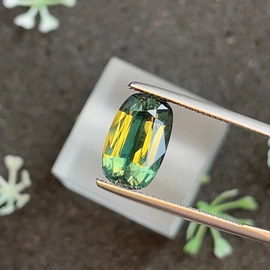
  Green Raw Indian Alexandrite, changing color 5.11 Carats Green Raw Indian Alexandrite, changing color 5.11 Carats Alexandrite is a rare and valuable gemstone, first discovered in Russia in the 1830s. It is valued for its unique ability to change color, which is due to the presence of traces of chromium in its composition. Alexandrite can have a greenish tint in daylight and reddish in incandescent light, making it a popular choice for jewelry. Natural alexandrite is a unique gemstone, first discovered in the Ural Mountains in Russia in the 1830s. It was named after Alexander II, the then tsar of Russia. This type of chrysoberyl is distinguished by its extraordinary ability to change color — from green to red — depending on the type of lighting. Alexandrite became quite popular in the Victorian era, when it was used in jewelry and other decorative items. However, due to its rarity, it was quite expensive and accessible only to the wealthy elite. Today, natural alexandrite is found in a wide variety of colors and sizes and is relatively affordable than before. It is still popular for making jewelry and collectibles, and is also considered one of the precious stones that should be carefully preserved.
1 630 400 ₽
Available in stock
Next
Precious stones
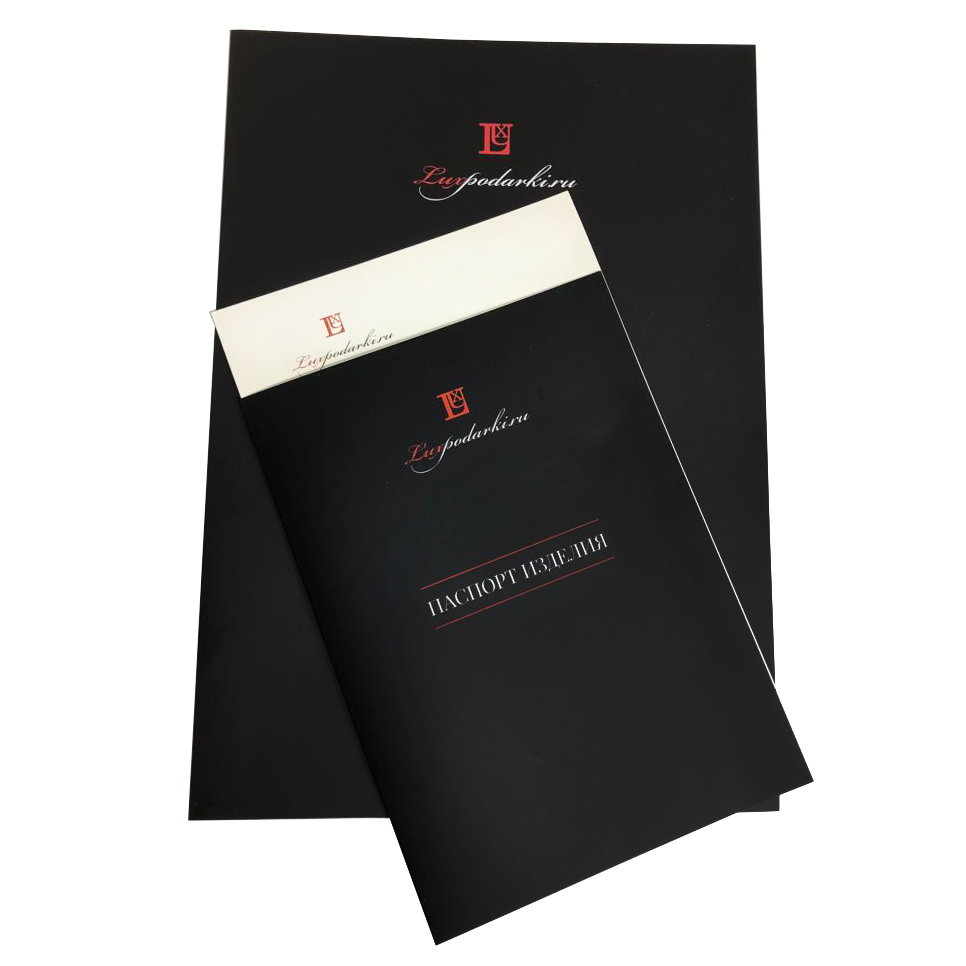
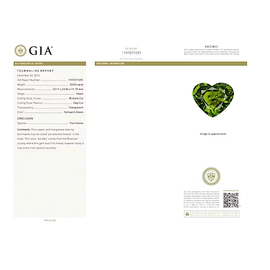
Product passport

A passport is attached to products that cost more than 10,000 ₽:

Engravement of the nameplate
30
30
30
30

How is it more convenient for you to contact us?