







Top.Mail.Ru
Filters
Price , ₽
Selection
Country of manufacture
Material
Форма
Colour
Natural peridot Natural peridots
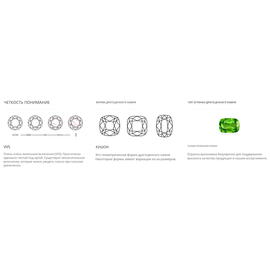
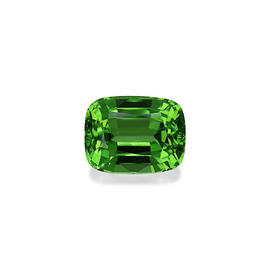
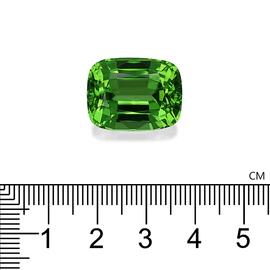
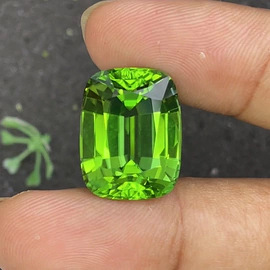
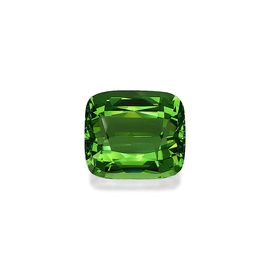
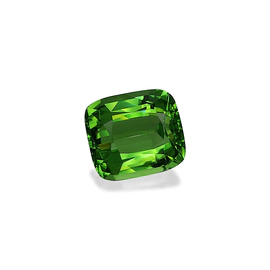
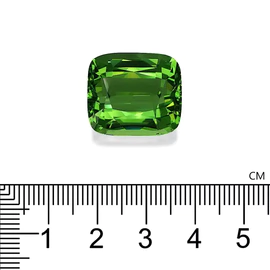
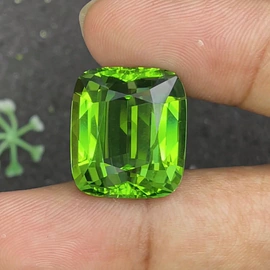
  Bright Green Raw Burmese Peridot 31.78 Carats – 19x17 mm Bright Green Raw Burmese Peridot 31.78 Carats – 19x17 mm The peridot gemstone has a long and complex history. It was first discovered on the island of Zabargad, which is now part of Egypt. The ancient Egyptians were the first to mine this unique green stone. In ancient Egypt, green peridots were used for a variety of purposes, including for ornaments of the pharaohs and as funeral gifts for loved ones. This tradition continued for centuries, and peridot eventually became known as the "stone of the sun." Recently, peridot has become a popular gemstone for various jewelry items. It is especially popular in engagement and wedding rings. Peridot is also considered the birth stone for August. The most characteristic feature of jewelry-quality peridot is its purity. There are no visible inclusions in the stone, and it is one of the few precious stones with a perfectly transparent shell. Sometimes there may be reflective discs in the stones, visible under a microscope. They are called "water lilies" and they are prized by both jewelers and collectors. The stones of the highest quality will have a minimum number of inclusions, defects or opacities, or none at all. Cutting a stone changes its appearance. Peridot needs a cut that highlights its beautiful shades and exceptional purity. Fortunately, due to its hardness (or lack thereof), peridot is easy to process and process. The most popular cuts are pillow-shaped, marquise, round, oval and trillionth. Most peridots are green or yellowish-green in color. The color intensity depends on the amount of iron in the crystal structure. Peridots with a higher iron content will have a darker green color, while peridots with a lower iron content will be lighter or even yellowish-green (light green). Some peridots may also have a brown tint due to trace amounts of other elements in their crystal structure.
575 300 ₽
Available in stock
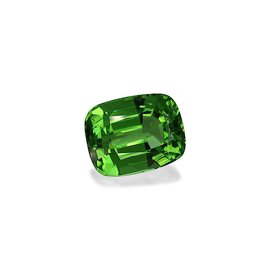
  Green Burmese Peridot 50.98 carats Green Burmese Peridot 50.98 carats The peridot gemstone has a long and complex history. It was first discovered on the island of Zabargad, which is now part of Egypt. The ancient Egyptians were the first to mine this unique green stone. In ancient Egypt, green peridots were used for a variety of purposes, including for ornaments of the pharaohs and as funeral gifts for loved ones. This tradition continued for centuries, and peridot eventually became known as the "sun stone." Recently, peridot has become a popular gemstone for various jewelry items. It is especially popular in engagement and wedding rings. Peridot is also considered the birth stone for August. The most characteristic feature of jewelry-quality peridot is its purity. There are no visible inclusions in the stone, and it is one of the few precious stones with a perfectly transparent shell. Sometimes there may be reflective discs in the stones, visible under a microscope. They are called "water lilies," and they are prized by both jewelers and collectors. The stones of the highest quality will have a minimum number of inclusions, defects or opacities, or none at all. Cutting a stone changes its appearance. Peridot needs a cut that highlights its beautiful shades and exceptional purity. Fortunately, due to its hardness (or lack thereof), peridot is easy to process and process. The most popular cuts are pillow-shaped, marquise, round, oval and trillionth. Most peridots are green or yellowish-green in color. The color intensity depends on the amount of iron in the crystal structure. Peridots with a higher iron content will have a darker green color, while peridots with a lower iron content will be lighter or even yellowish-green (light green). Some peridots may also have a brown tint due to trace amounts of other elements in their crystal structure.
1 582 000 ₽
Available in stock
  Green Burmese Peridot 24.58 carats Green Burmese Peridot 24.58 carats The peridot gemstone has a long and complex history. It was first discovered on the island of Zabargad, which is now part of Egypt. The ancient Egyptians were the first to mine this unique green stone. In ancient Egypt, green peridots were used for a variety of purposes, including for ornaments of the pharaohs and as funeral gifts for loved ones. This tradition continued for centuries, and peridot eventually became known as the "stone of the sun." Recently, peridot has become a popular gemstone for various jewelry items. It is especially popular in engagement and wedding rings. Peridot is also considered the birth stone for August. The most characteristic feature of jewelry-quality peridot is its purity. There are no visible inclusions in the stone, and it is one of the few precious stones with a perfectly transparent shell. Sometimes there may be reflective discs in the stones, visible under a microscope. They are called "water lilies," and they are prized by both jewelers and collectors. The stones of the highest quality will have a minimum number of inclusions, defects or opacities, or none at all. Cutting a stone changes its appearance. Peridot needs a cut that highlights its beautiful shades and exceptional purity. Fortunately, due to its hardness (or lack thereof), peridot is easy to process and process. The most popular cuts are pillow-shaped, marquise, round, oval and trillionth. Most peridots are green or yellowish-green in color. The color intensity depends on the amount of iron in the crystal structure. Peridots with a higher iron content will have a darker green color, while peridots with a lower iron content will be lighter or even yellowish-green (light green). Some peridots may also have a brown tint due to trace amounts of other elements in their crystal structure.
532 200 ₽
Available in stock
  Green Unprocessed Burmese Peridot 28.65 carats Green Unprocessed Burmese Peridot 28.65 carats The peridot gemstone has a long and complex history. It was first discovered on the island of Zabargad, which is now part of Egypt. The ancient Egyptians were the first to mine this unique green stone. In ancient Egypt, green peridots were used for a variety of purposes, including for ornaments of the pharaohs and as funeral gifts for loved ones. This tradition continued for centuries, and peridot eventually became known as the "stone of the sun." Recently, peridot has become a popular gemstone for various jewelry items. It is especially popular in engagement and wedding rings. Peridot is also considered the birth stone for August. The most characteristic feature of jewelry-quality peridot is its purity. There are no visible inclusions in the stone, and it is one of the few precious stones with a perfectly transparent shell. Sometimes there may be reflective discs in the stones, visible under a microscope. They are called "water lilies," and they are prized by both jewelers and collectors. The stones of the highest quality will have a minimum number of inclusions, defects or opacities, or none at all. Cutting a stone changes its appearance. Peridot needs a cut that highlights its beautiful shades and exceptional purity. Fortunately, due to its hardness (or lack thereof), peridot is easy to handle and process. The most popular cuts are pillow-shaped, marquise, round, oval and trillionth. Most peridots are green or yellowish-green in color. The color intensity depends on the amount of iron in the crystal structure. Peridots with a higher iron content will have a darker green color, while peridots with a lower iron content will be lighter or even yellowish-green (light green). Some peridots may also have a brown tint due to trace amounts of other elements in their crystal structure.
532 200 ₽
Available in stock
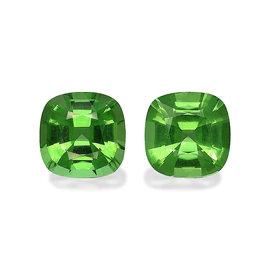
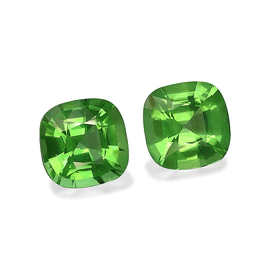
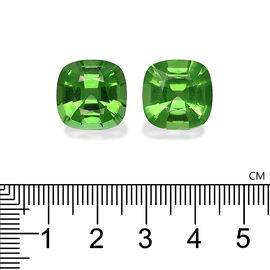
  Pistachio-green unprocessed Burmese Peridot 27.24 carats – 14 mm, pair Pistachio-green unprocessed Burmese Peridot 27.24 carats – 14 mm, pair The peridot gemstone has a long and complex history. It was first discovered on the island of Zabargad, which is now part of Egypt. The ancient Egyptians were the first to mine this unique green stone. In ancient Egypt, green peridots were used for a variety of purposes, including for ornaments of the pharaohs and as funeral gifts for loved ones. This tradition continued for centuries, and peridot eventually became known as the "stone of the sun." Recently, peridot has become a popular gemstone for various jewelry items. It is especially popular in engagement and wedding rings. Peridot is also considered the birth stone for August. The most characteristic feature of jewelry-quality peridot is its purity. There are no visible inclusions in the stone, and it is one of the few precious stones with a perfectly transparent shell. Sometimes there may be reflective discs in the stones, visible under a microscope. They are called "water lilies" and they are prized by both jewelers and collectors. The stones of the highest quality will have a minimum number of inclusions, defects or opacities, or none at all. Cutting a stone changes its appearance. Peridot needs a cut that highlights its beautiful shades and exceptional purity. Fortunately, due to its hardness (or lack thereof), peridot is easy to process and process. The most popular cuts are pillow-shaped, marquise, round, oval and trillionth. Most peridots are green or yellowish-green in color. The color intensity depends on the amount of iron in the crystal structure. Peridots with a higher iron content will have a darker green color, while peridots with a lower iron content will be lighter or even yellowish-green (light green). Some peridots may also have a brown tint due to trace amounts of other elements in their crystal structure.
352 400 ₽
Available in stock
Natural peridots
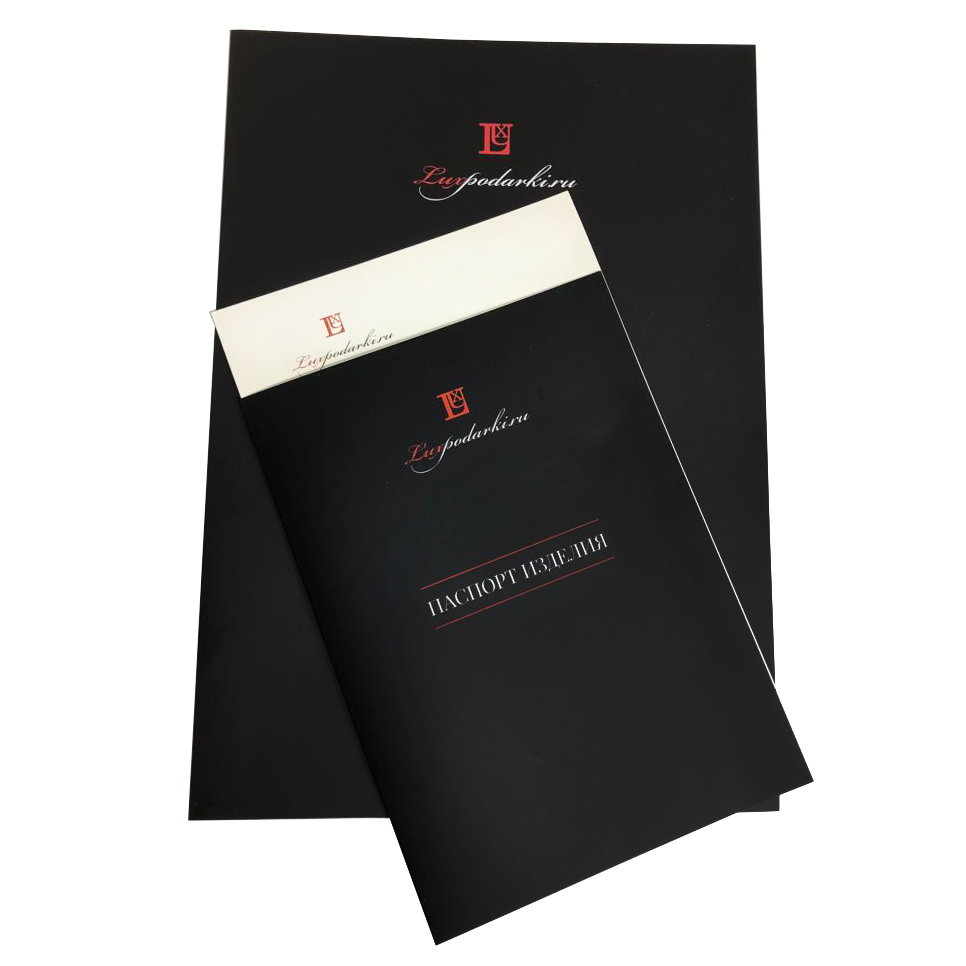
Product passport

A passport is attached to products that cost more than 10,000 ₽:

Engravement of the nameplate
30
30
30
30

How is it more convenient for you to contact us?