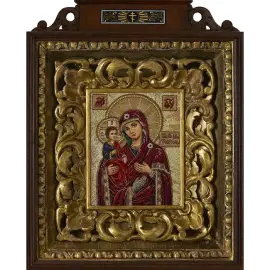
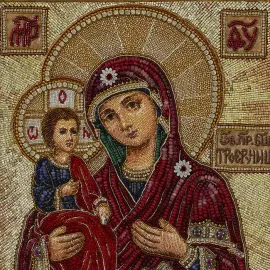
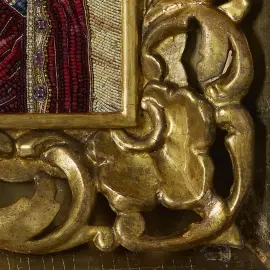
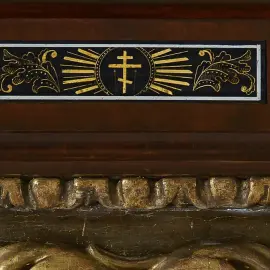
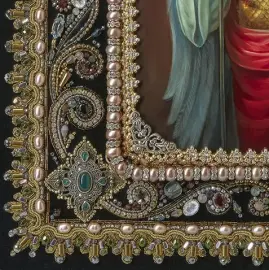
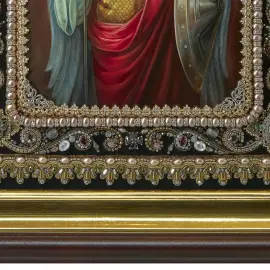
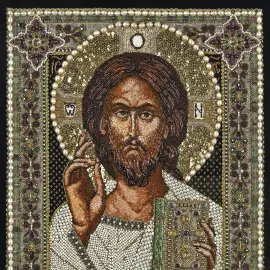
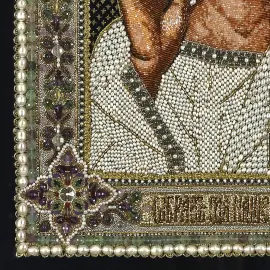
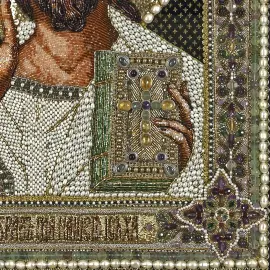
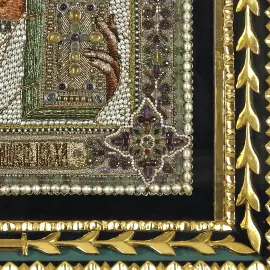
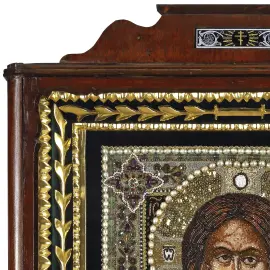
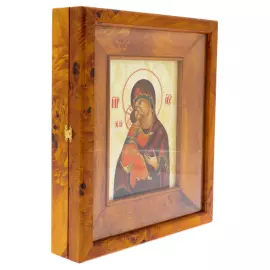
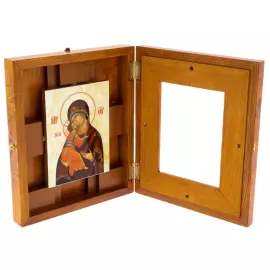
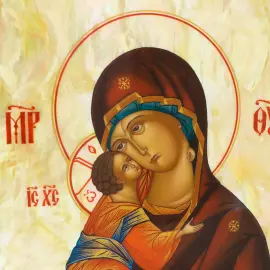
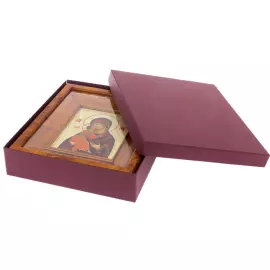
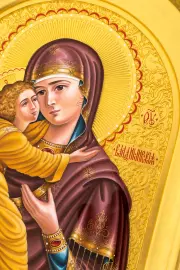
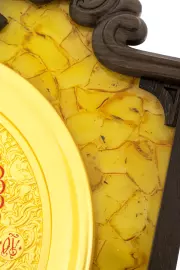
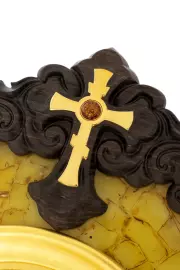
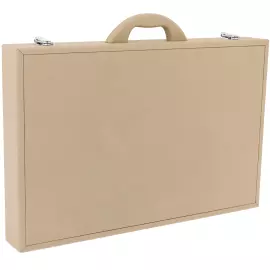
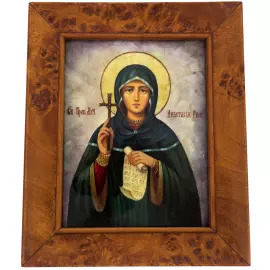
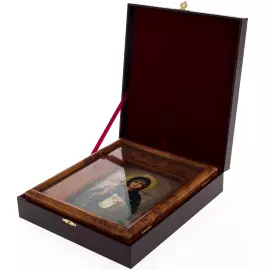
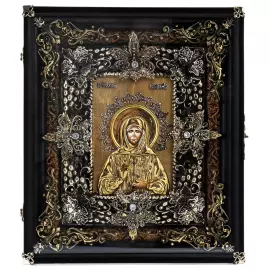
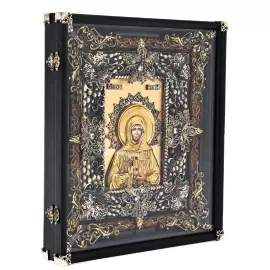
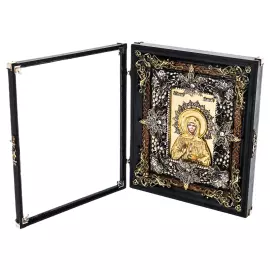
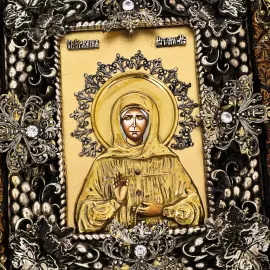
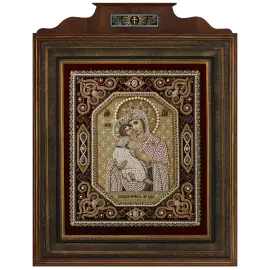
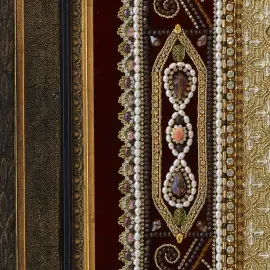
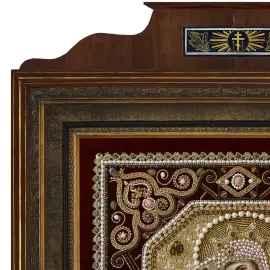
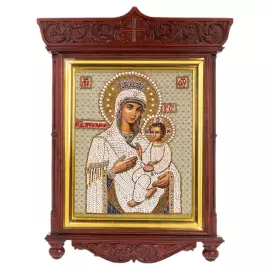
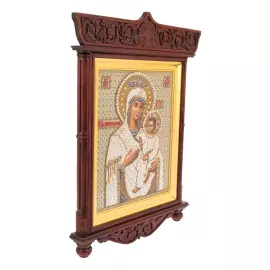
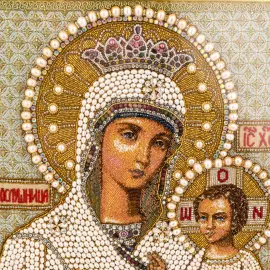
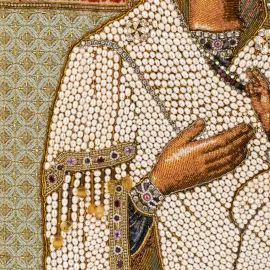
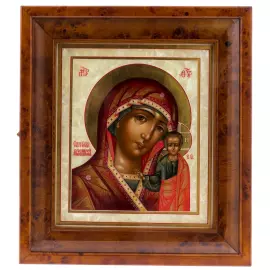
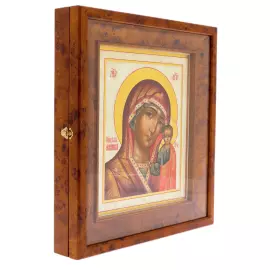
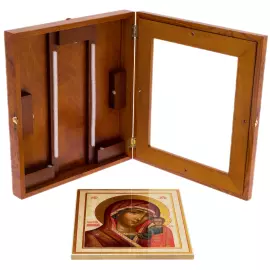
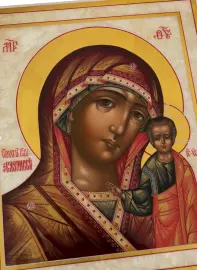
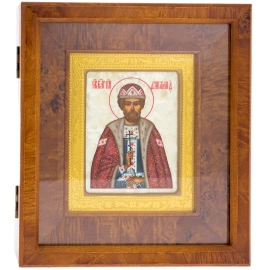
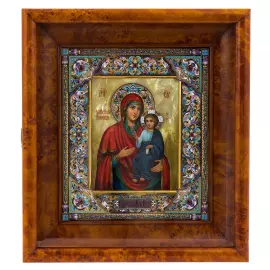
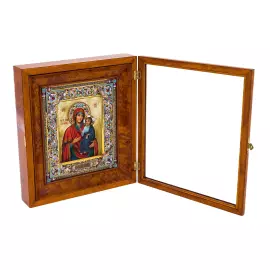
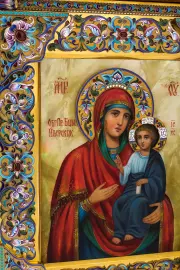
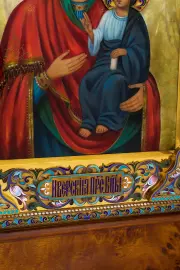
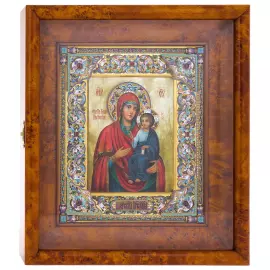
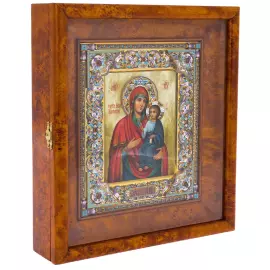
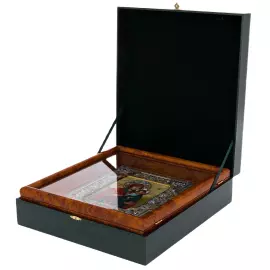
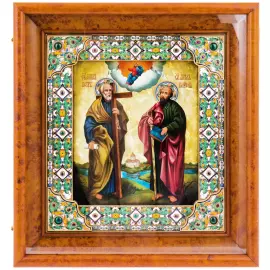
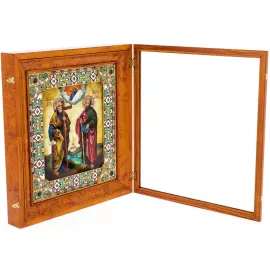
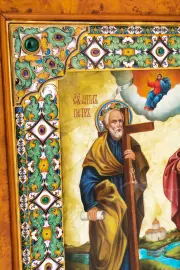
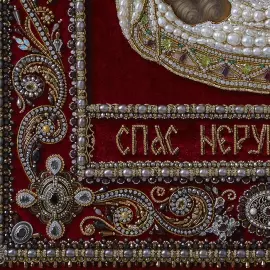
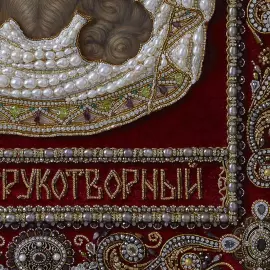
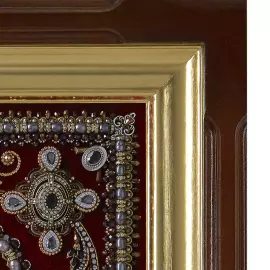
Article number: 406-27 Available: Lubyanka Embroidered icon of Our Lady of the Three Hands in antique frame and case In the cart 5 100 000 ₽
Article number: 406-38 Available: Lubyanka Embroidered icon of Our Lady of Smolensk in antique frame and case In the cart 5 250 000 ₽
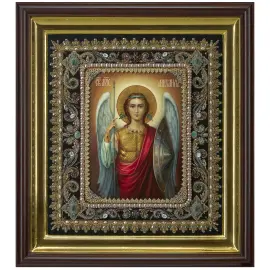
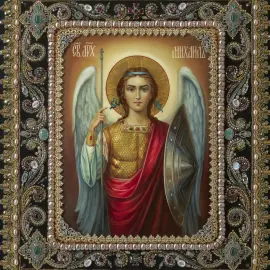
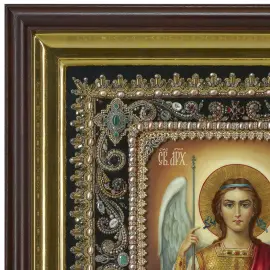
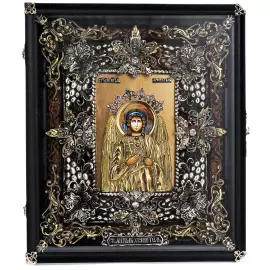
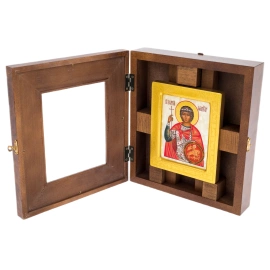
Article number: 406-2 Available: Lubyanka The embroidered icon "St. Michael the Archangel" in a kiosk In the cart 1 485 000 ₽
Article number: 406-13 Available: Lubyanka The embroidered icon "The Lord Almighty" in an antique frame and a kiosk In the cart 7 050 000 ₽
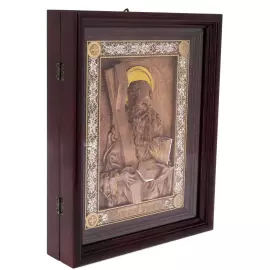
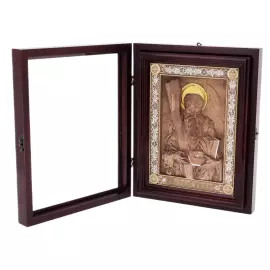
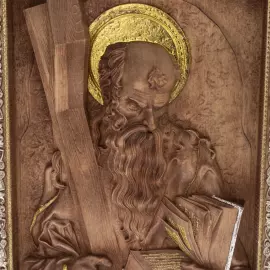
Article number: 374-5 Available: Lubyanka The icon "Andrew the First-Called" in the kiosk In the cart 46 000 ₽
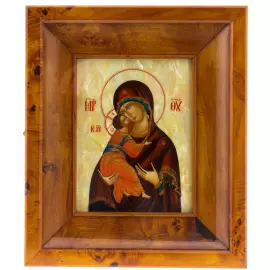
Article number: 332-191 Available: Lubyanka Icon on natural mother-of-pearl "Our Lady of Vladimir" in Kyoto In the cart 165 000 ₽
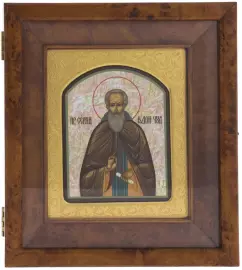
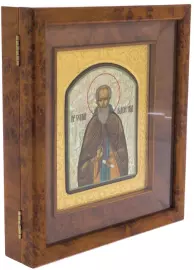
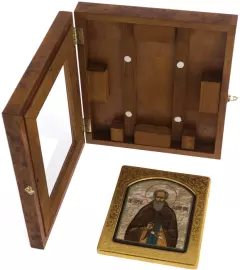
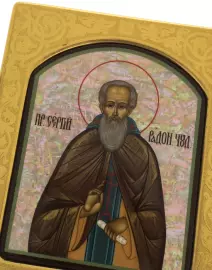
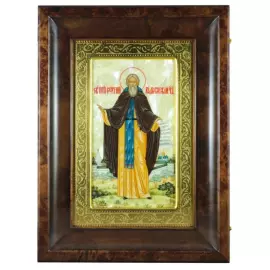
Article number: 332-263 Available: Lubyanka Icon on natural mother-of-pearl "Sergius of Radonezh" in a gold frame and a kiosk In the cart 178 000 ₽
Article number: 332-366 Available: Lubyanka The icon "Sergius of Radonezh" on natural mother-of-pearl in a kiosk In the cart 252 000 ₽
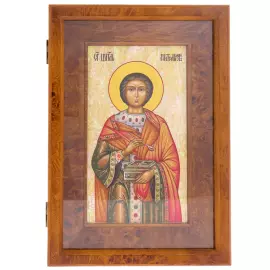
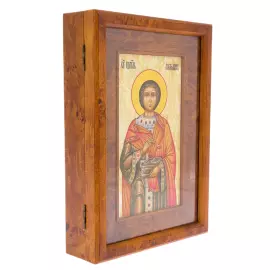
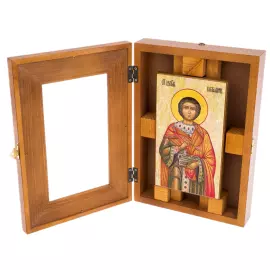
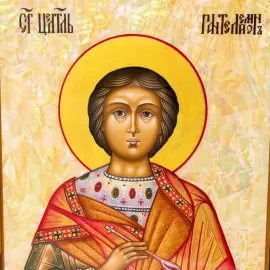
Article number: 332-399 Available: Lubyanka Icon on natural mother-of-pearl "Panteleimon the Healer" in Kyoto In the cart 178 000 ₽
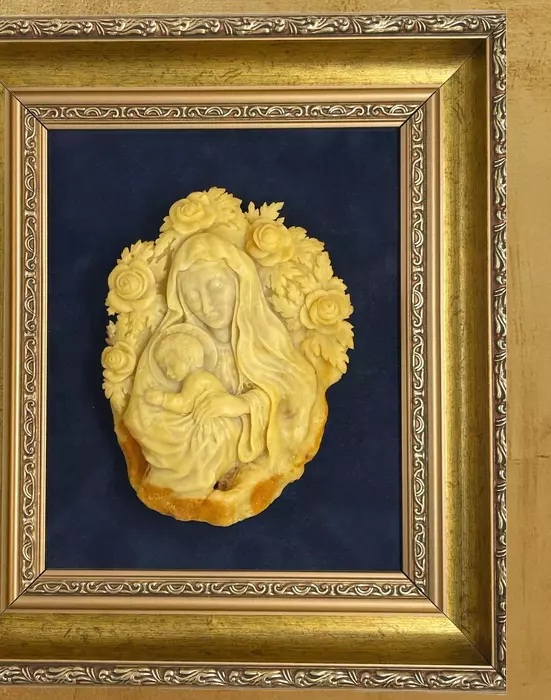
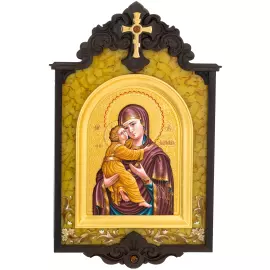
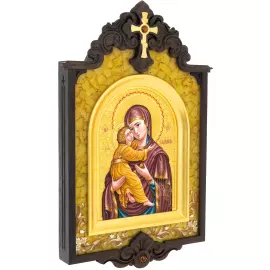
Article number: 052-240 Available: Lubyanka Emelyanov Amber icon in the "Vladimir Mother of God" kiosk In the cart 375 000 ₽
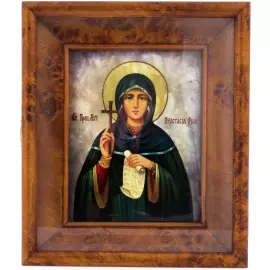
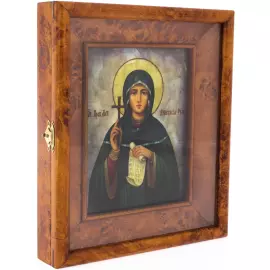
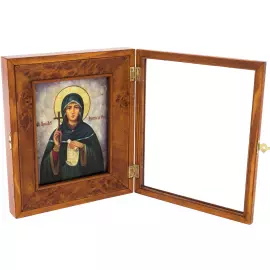
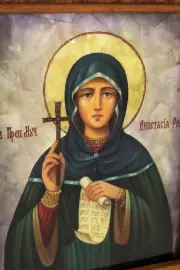
Article number: 205-197 Available: Lubyanka Евгений Бутенко Icon on mother-of-pearl "Saint Anastasia" In the cart 140 000 ₽
Article number: 228-51 Available: Lubyanka Icon with artistic casting of bronze "Matrona Moskovskaya" In the cart 45 000 ₽
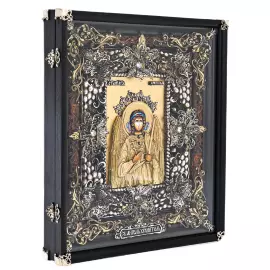
Article number: 228-52 Available: Lubyanka Icon with artistic casting of bronze "Guardian Angel" In the cart 45 000 ₽
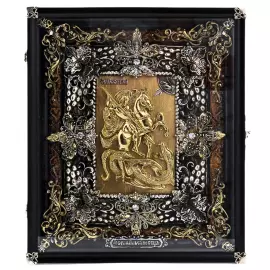
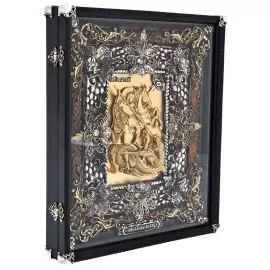
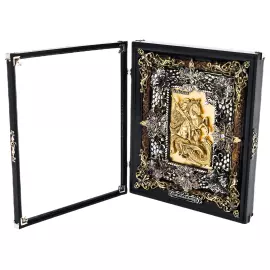
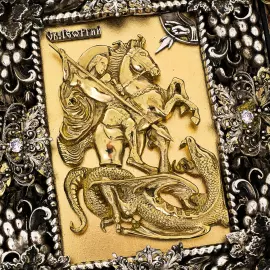
Article number: 228-53 Available: Lubyanka Icon with artistic casting of bronze "George the Victorious" In the cart 45 000 ₽
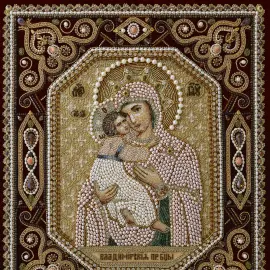
Article number: 406-11 Available: Lubyanka The embroidered icon "Our Lady of Vladimir" in a frame and a kiosk In the cart 2 850 000 ₽
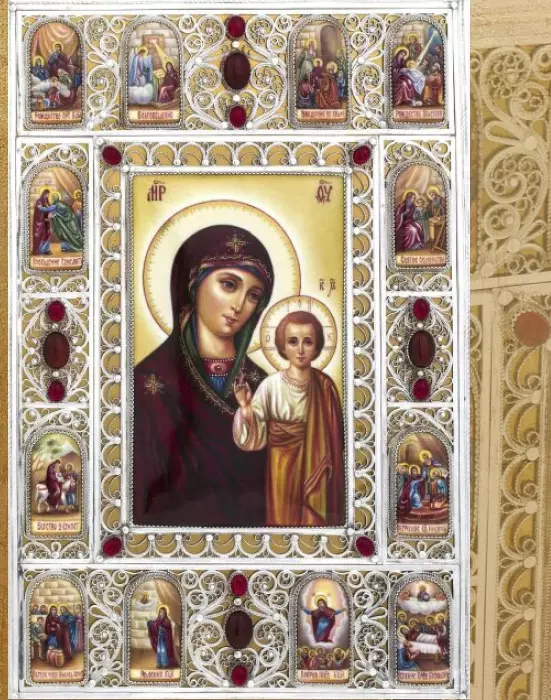
Article number: 406-14 Available: Lubyanka The embroidered icon of the Mother of God in an antique kiosk In the cart 3 150 000 ₽
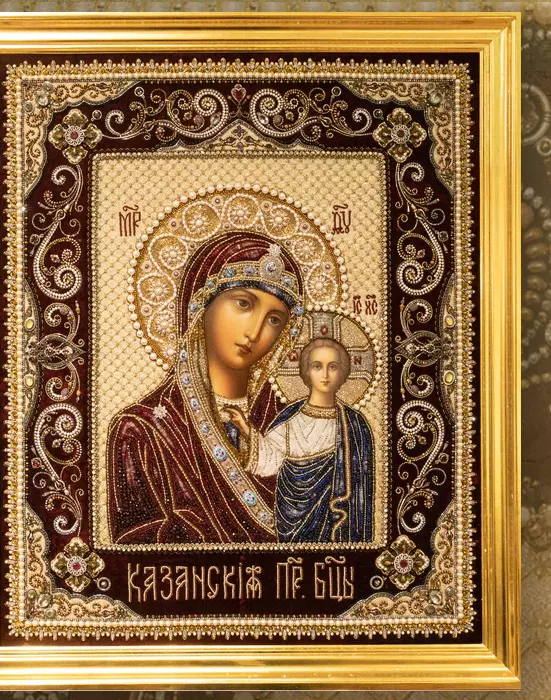
Article number: 332-389 Available: Lubyanka Icon on natural mother-of-pearl "Our Lady of Kazan" in Kyoto In the cart 250 000 ₽
Article number: 332-402 Available: Lubyanka The icon on natural mother-of-pearl "Dmitry Donskoy" in a gold frame and a kiosk In the cart 206 000 ₽
Article number: 332-404 Available: Lubyanka The icon on natural mother-of-pearl "George the Victorious" in a gold frame and a kiosk In the cart 206 000 ₽
Article number: 406-22 Available in stock The embroidered icon of the Annunciation. Archangel Gabriel" in a frame Price by request
Article number: 406-23 Available in stock The embroidered icon of the Annunciation. The Virgin" in a frame Price by request
Article number: 406-24 Available in stock The embroidered icon "Epiphany. Epiphany of the Lord" in the frame Price by request
Article number: 406-26 Available in stock The embroidered triptych icon "The Lord Almighty. Our Lady of Vladimir. St. Nicholas the Wonderworker"" in an antique frame and a kiosk Price by request
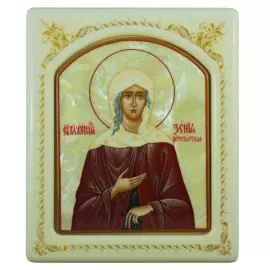
Article number: 332-35 Available in stock The icon with mother-of-pearl "Xenia of St. Petersburg" in a white frame with an ornament In the cart 80 000 ₽
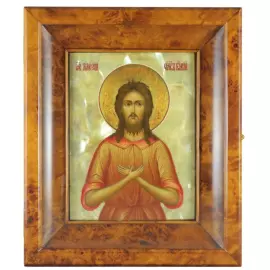
Article number: 332-171 Available in stock Icon on natural mother-of-pearl "Alexy the man of God" in Kyoto In the cart 165 000 ₽
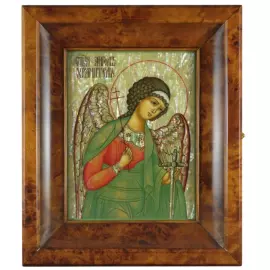
Article number: 332-172 Available in stock Icon on natural mother-of-pearl "Guardian Angel" in Kyoto In the cart 165 000 ₽
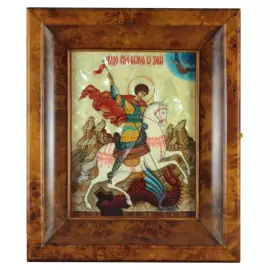
Article number: 332-173 Available in stock Icon on natural mother-of-pearl "George the Victorious" in Kyoto In the cart 165 000 ₽
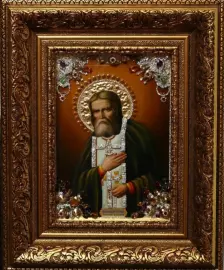
Article number: 125-56 Available in stock Icon with precious stones "St. Seraphim of Sarov" gilded small Price by request
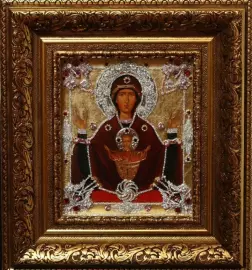
Article number: 125-70 Available in stock Icon with precious stones "Inexhaustible bowl" with hand gilding Price by request
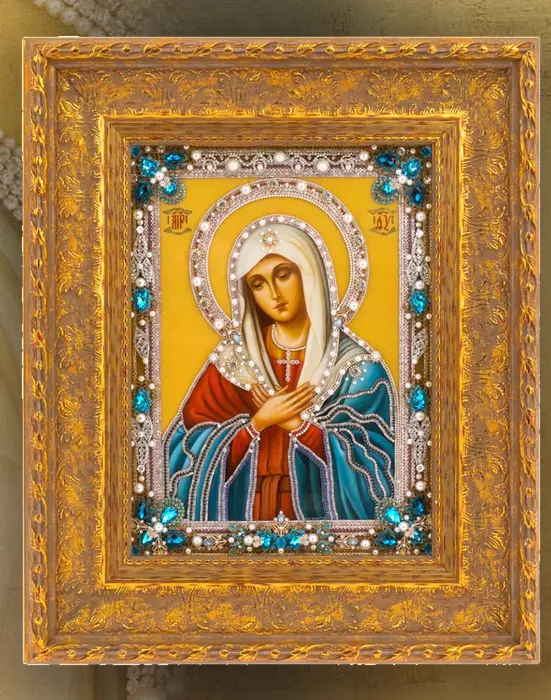
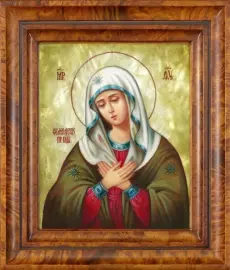
Article number: 205-86 Available in stock Евгений Бутенко Icon of the Mother of God "Tenderness" with mother of pearl In the cart 150 000 ₽
Article number: 205-204 Available in stock Евгений Бутенко Icon of the Most Holy Theotokos of Iveria with mother of pearl In the cart 1 200 000 ₽
Article number: 205-205 Available in stock Евгений Бутенко Icon of Saints Peter and Paul with mother of pearl In the cart 1 900 000 ₽
Article number: 406-28 Available in stock Embroidered icon of Our Lady of Iveria in a frame and a kiosk Price by request
Article number: 406-29 Available in stock Embroidered icon of Our Lady of Vladimir in antique frame and case Price by request
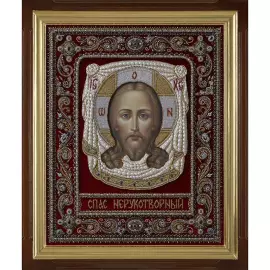
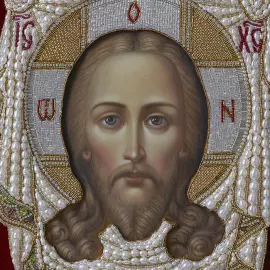
Article number: 406-9 Available in stock Embroidered icon of the Savior Not Made with Hands in a kiosk In the cart 4 180 000 ₽
Article number: 406-30 Available in stock Embroidered icon of Our Lady of Passion in a frame and antique case Price by request