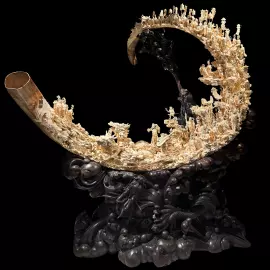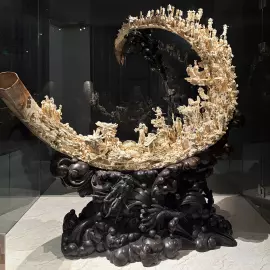






































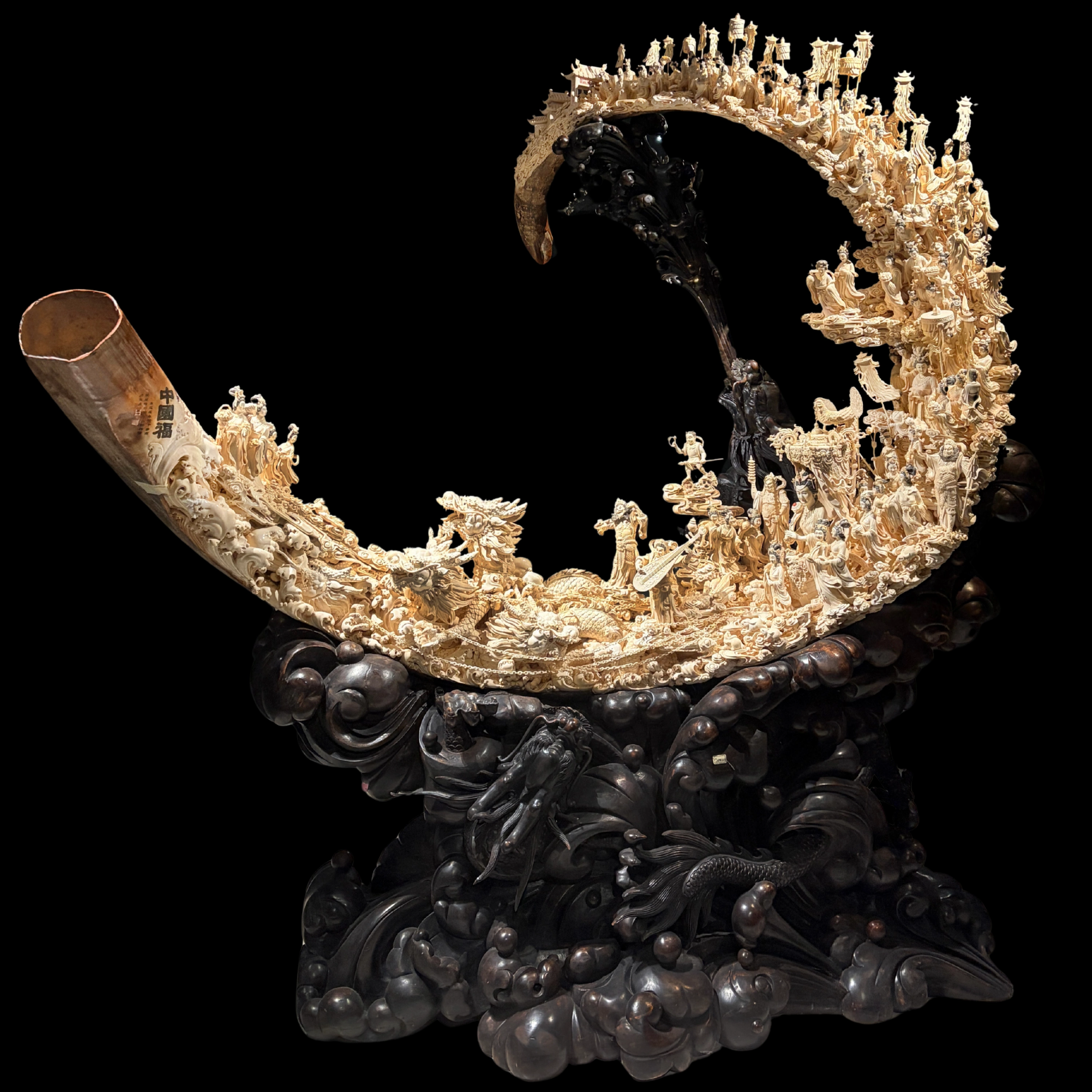
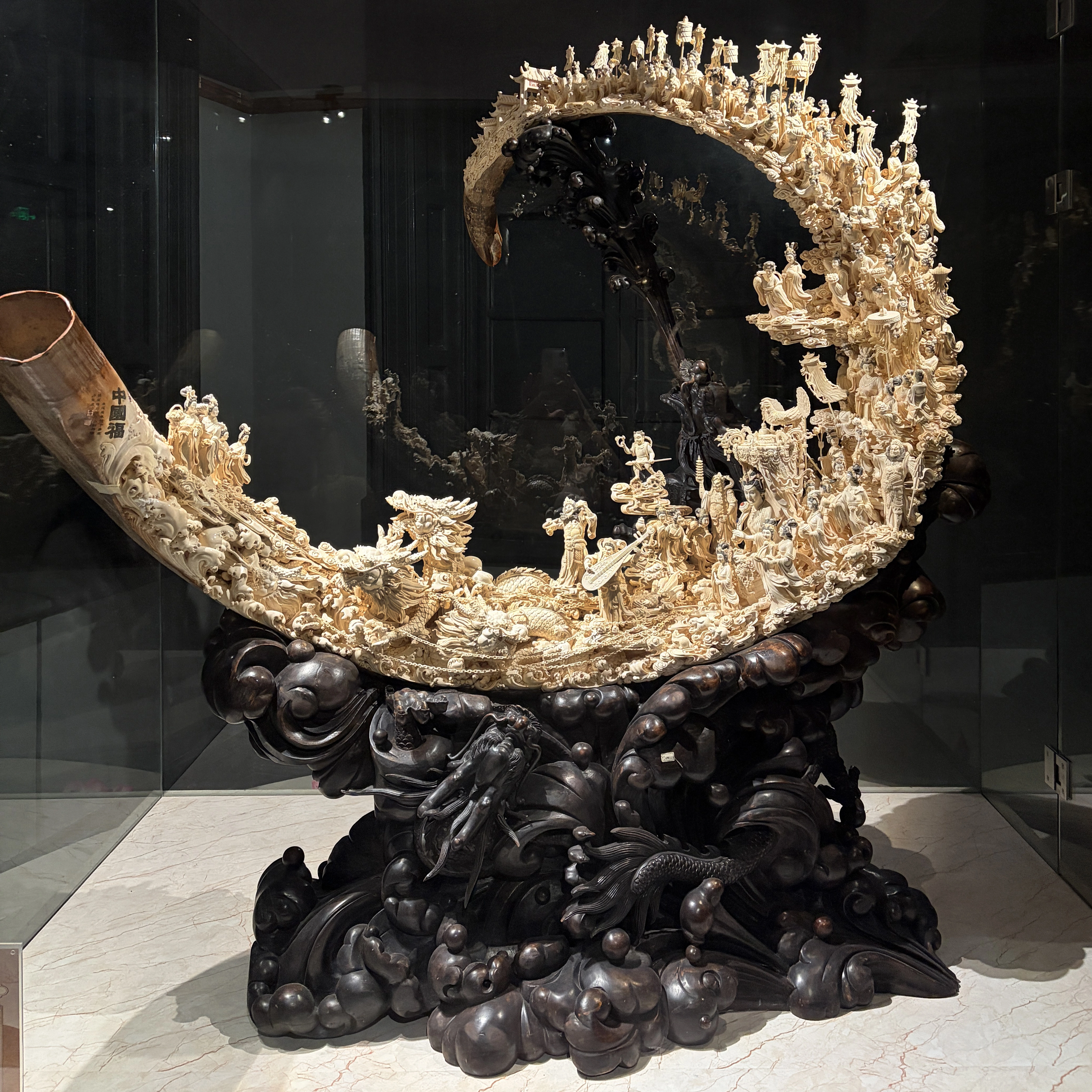
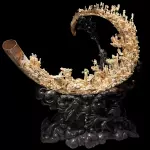
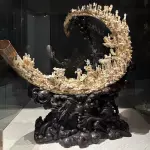
Mammoth tusk composition "Chinese Happiness"

1 404 000 000 ₽
0
Add a gift label
Engraving on the nameplate 1500 ₽
Delivery options
Worldwide
Delivery by a transport company in the shortest possible time
VIP air delivery
Delivery rates
About this product
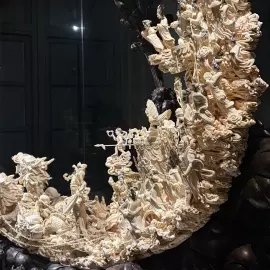
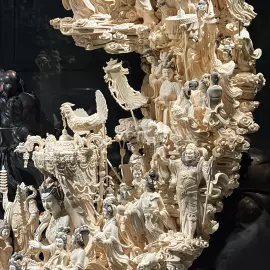
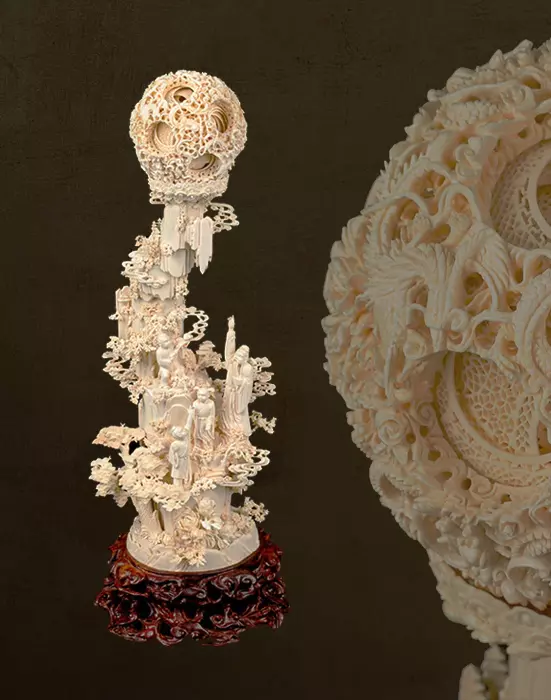
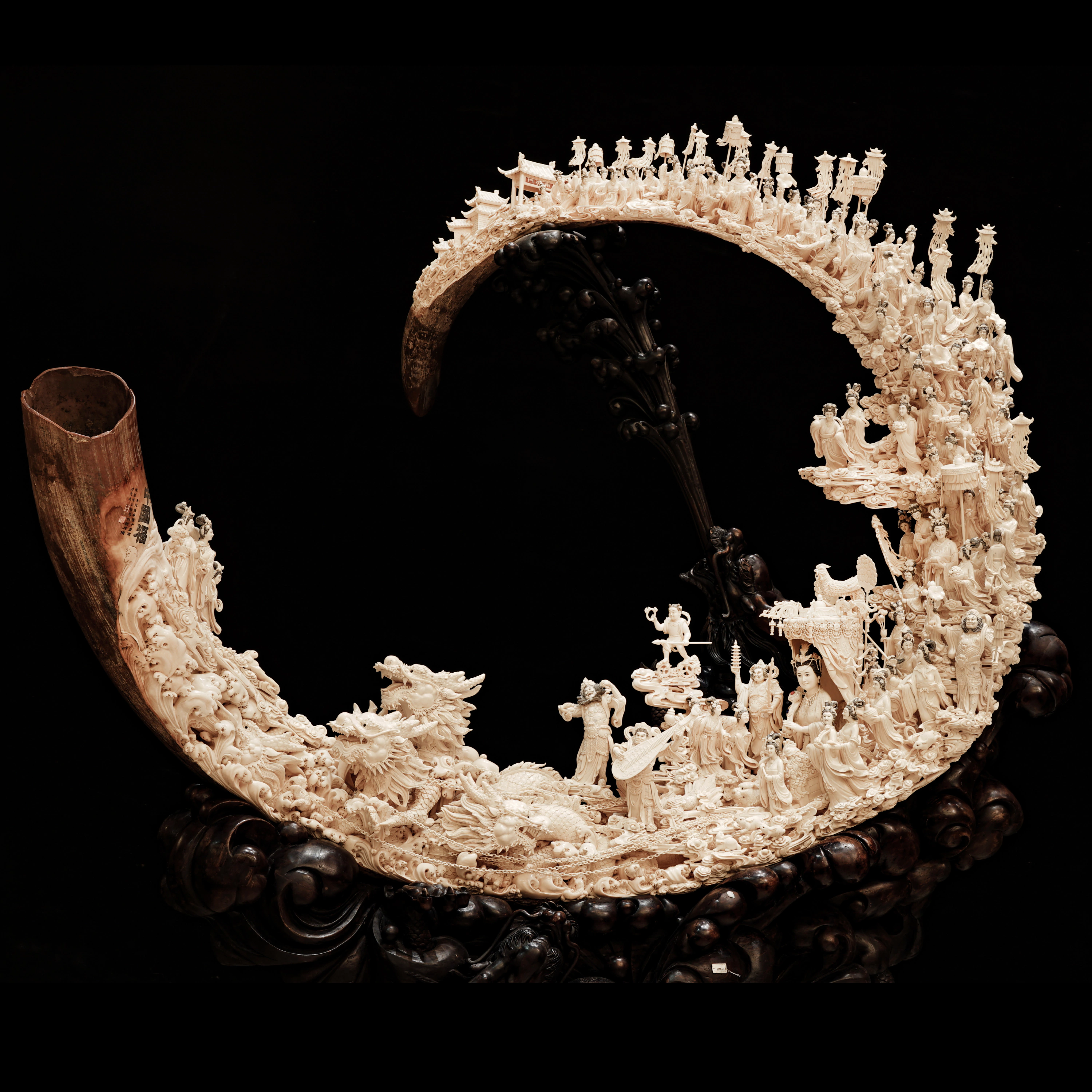
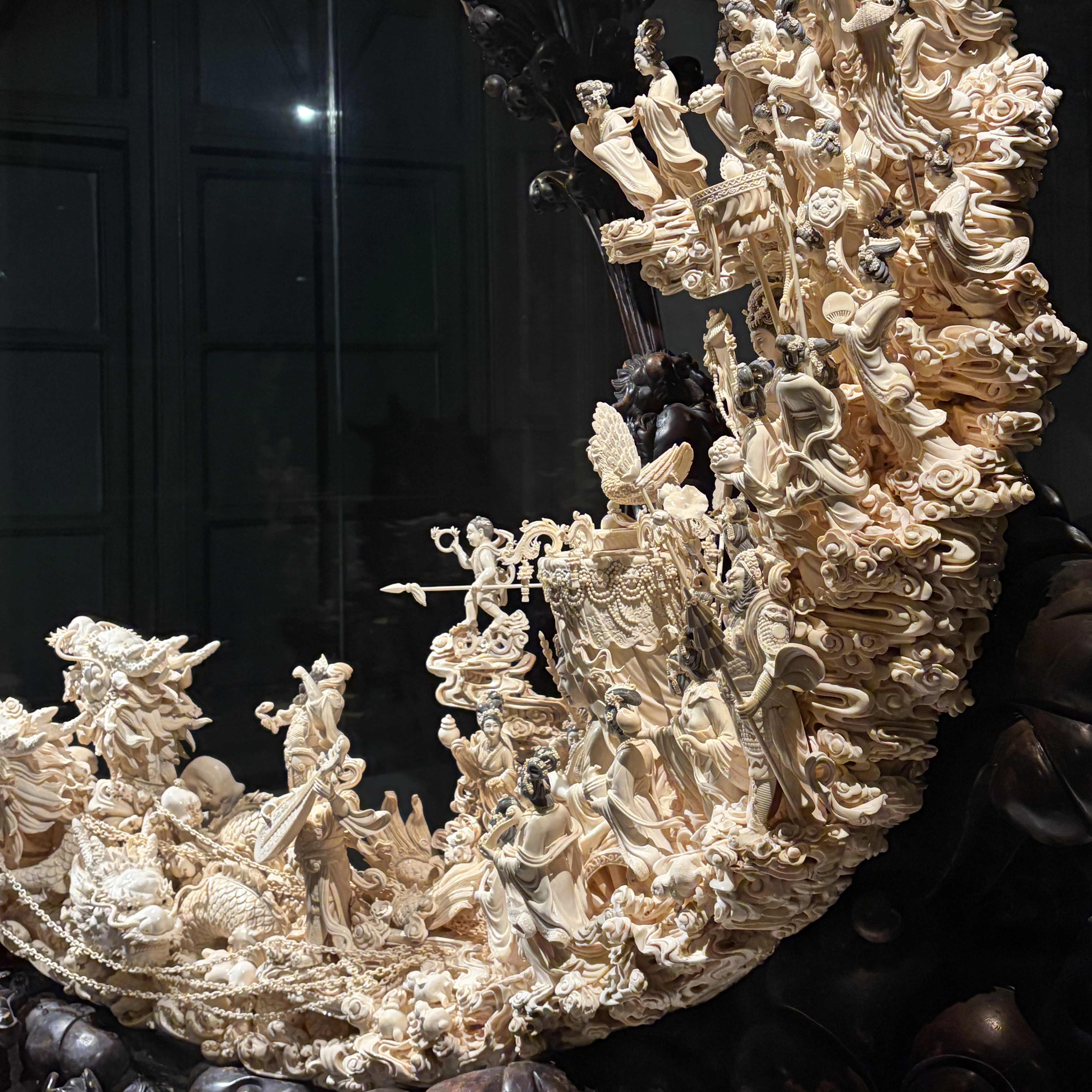
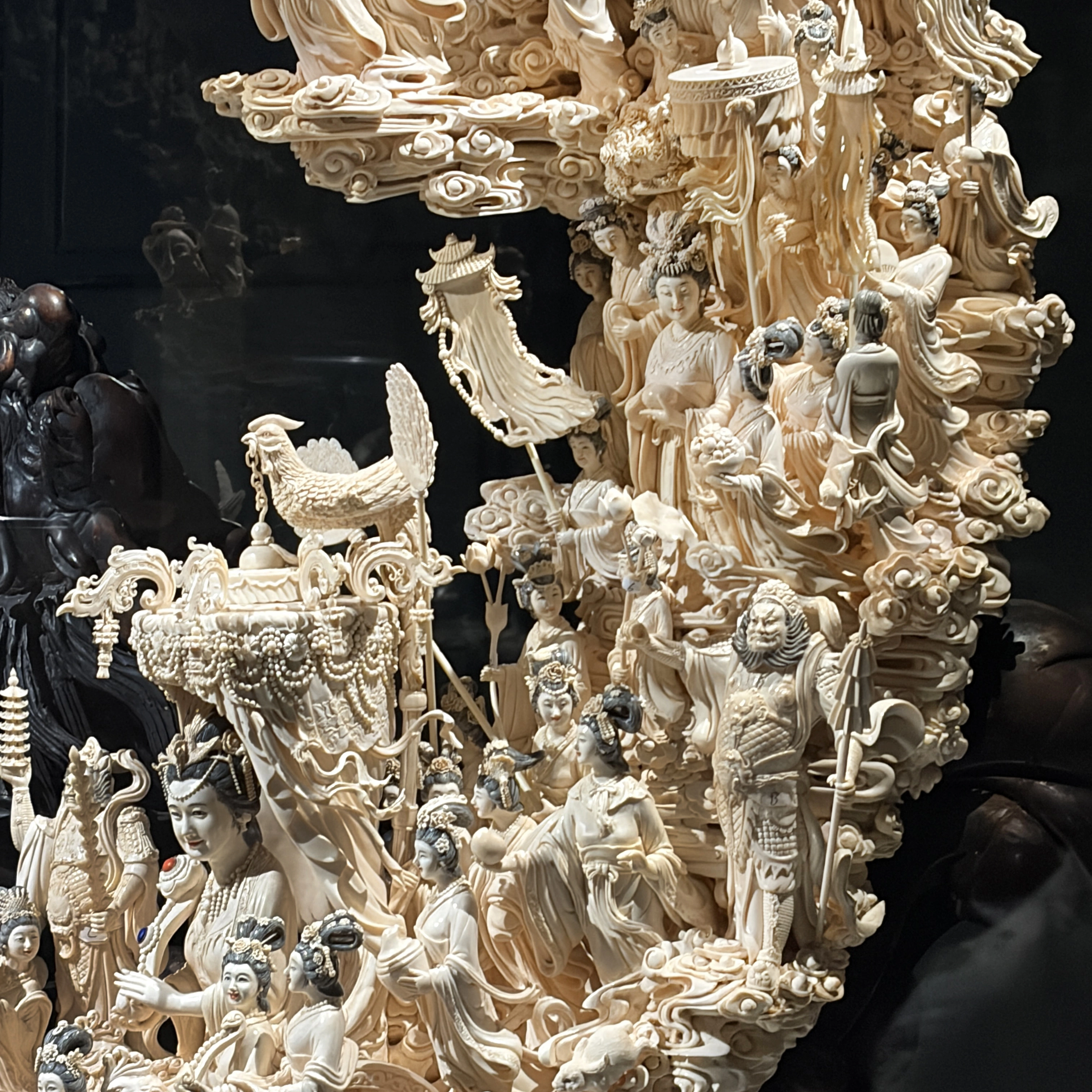
The mammoth tusk composition "Chinese Happiness" is a monumental work carved from a single ice Age tusk transformed into a curved rainbow connecting heaven and earth. The plot is based on the image of the Patron Mother descending from the east on a dragon chariot, accompanied by the Heavenly King Nezha and a host of heavenly fairies who bring blessings throughout the Celestial Empire. The plastic of the tusk reveals itself as a heavenly bridge: in the upper register is a solemn heavenly cortege, below is the earthly world receiving the gifts of prosperity. The work symbolizes the happiness, prosperity and blessing of the country, embodied in an exquisite artistic form.
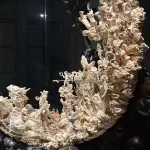
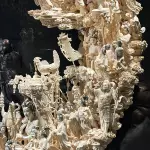
The multi-tiered composition is built with filigree precision. Thousands of miniature figures — celestial beings, warriors, musicians, court ladies, children — form the living fabric of the narrative. Flowing cloud swirls support celestial platforms, graceful pavilions, and throne stages. Dragons, phoenixes, symbols of power and rebirth, are woven into the general rhythm of plastic art. The central image of the Mother Queen is endowed with majestic calmness and dignity, embodying the idea of reverence, mercy and supreme patronage. The light tone of the ancient tusk emphasizes the purity and solemnity of the scene, and the dark carved base, like swirling waves and clouds, creates a sense of cosmic depth and support.
The meaning of the composition is revealed as an allegory of prosperity and a common future. The image of China is interpreted as the image of a Mother who unites people into a harmonious community with a common destiny. The scene of the heavenly procession's descent is perceived as a blessing of the world, as an affirmation of beauty, nobility and spiritual strength. "Chinese Happiness" is a work in which ancient materials and traditional symbols take on the scale of a national manifesto, expressing the idea of prosperity, greatness and cultural continuity.
Tusk length: 460 cm
Thread thickness: 46 cm
Characteristics
- Country of manufacture:
- China
- Material:
- the mammoth tusk, The ebony tree
- Technique of execution:
- Cantonese bone carving
- Sizes:
- 196 × 125 × 193 cm.
- Weight:
- 92 kg.
Similar products