





























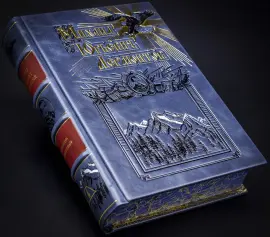
Nothing was found for your request. Try to change the wording or go to the Catalog
Also you may call +7 (495) 927 60 67 and we will help you choose the best gift.
Nothing was found for your request. Try to change the wording or go to the Catalog
Also you may call +7 (495) 927 60 67 and we will help you choose the best gift.
Catalog


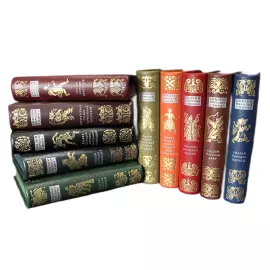
Enter the phone number. The manager will call you back to confirm the order
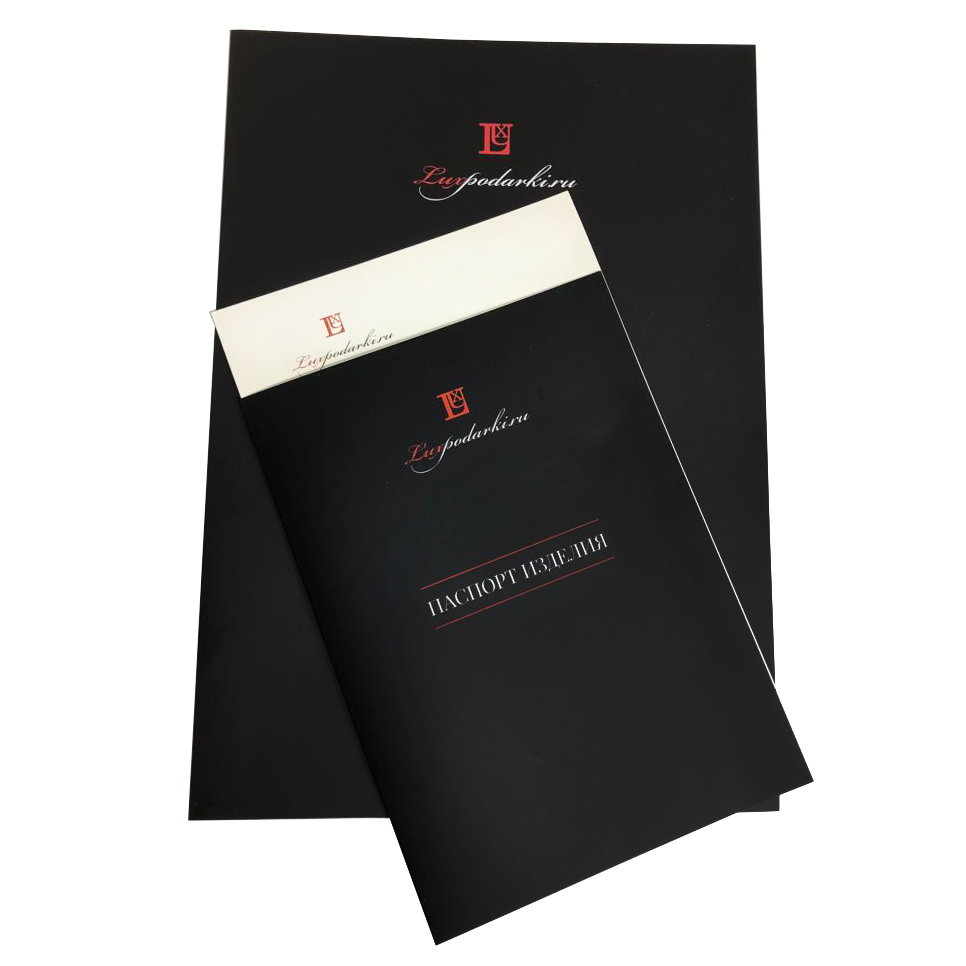
A passport is attached to products that cost more than 10,000 ₽
Вход и регистрация происходит по номеру телефона.

Order No.
The manager will contact you at to confirm the order within 15 minutes during business hours.
Чтобы заказать изделие, заполните форму и отправьте нам. В течение 10 минут в рабочее время специалист свяжется с вами для подтверждения запроса!
| Изделие: | Статуэтка железнодорожнику «Стрелочник» |
| Количество: | От 1шт. |
| Упаковка: | Стандартная (бесплатно) |
| Услуги: | 2 |
Fill in the form and send it to us — during business hours our specialist will tell you the price within 10 minutes.
Selected item: Art.: