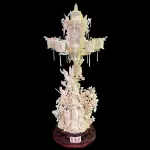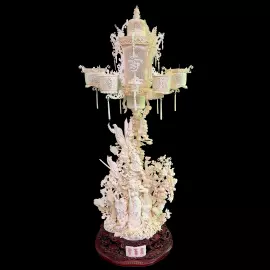



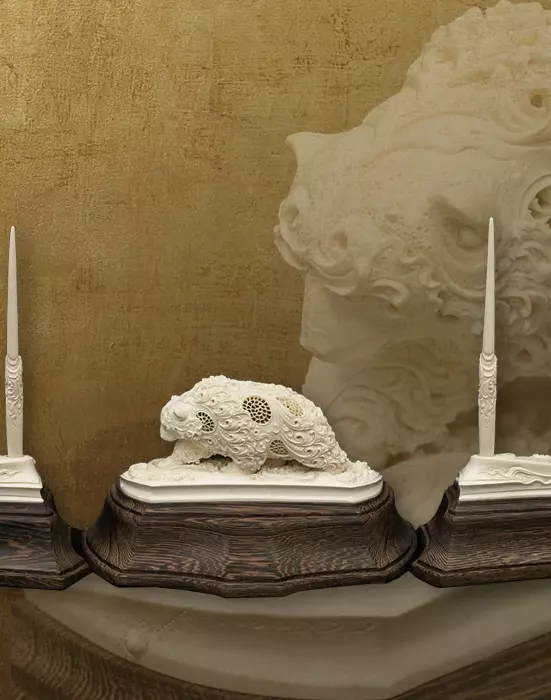






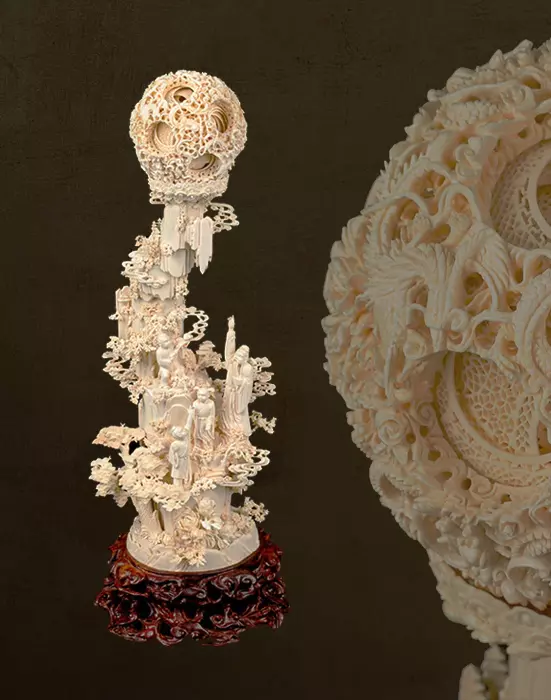
















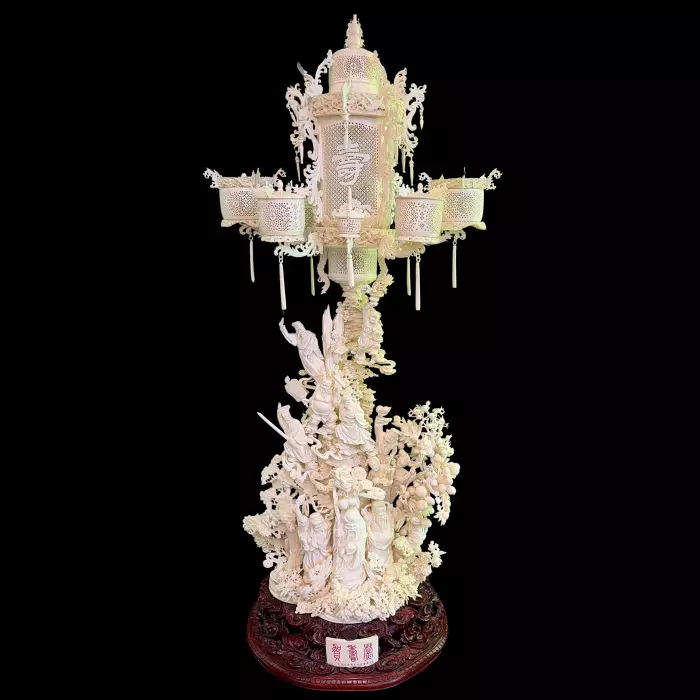
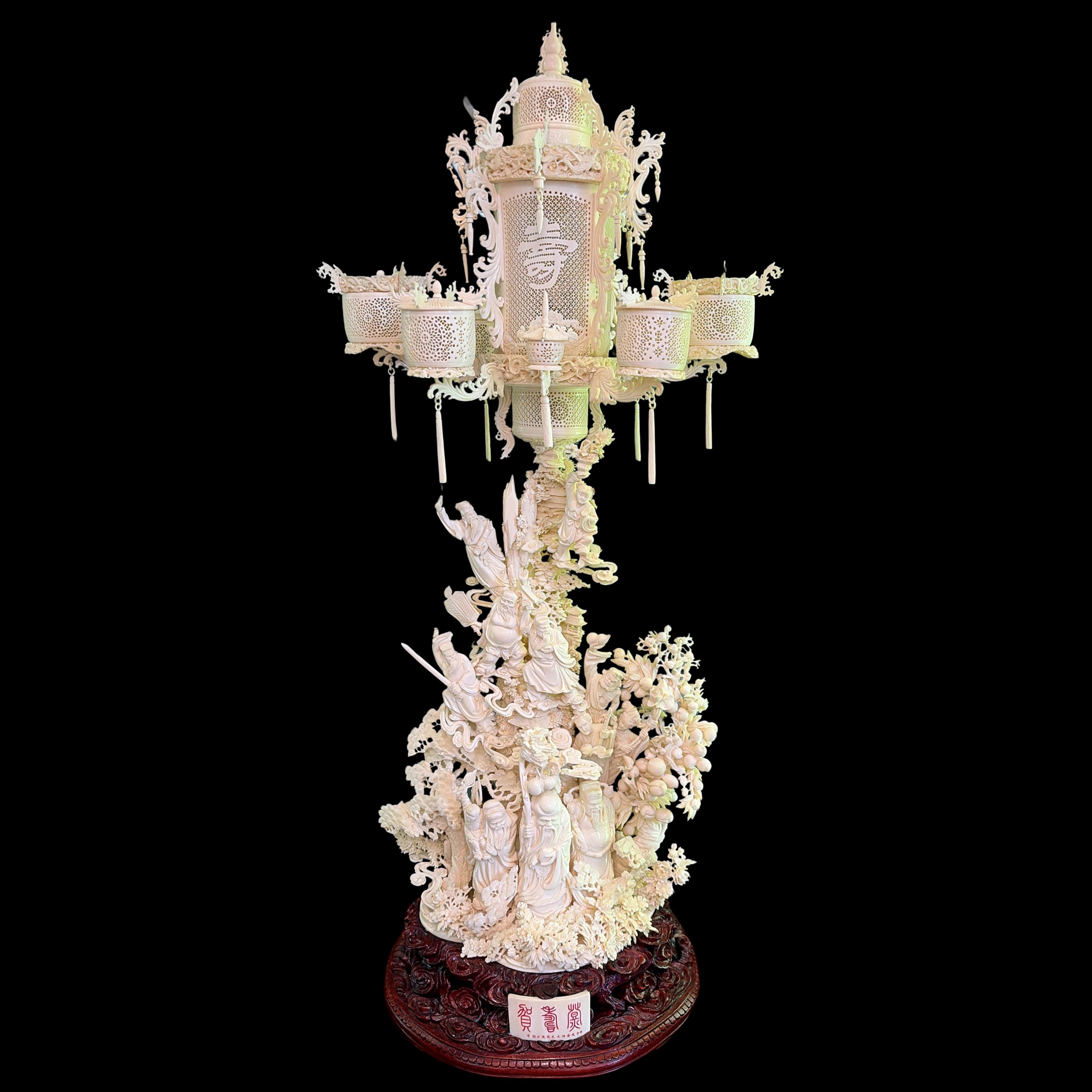
Mammoth tusk composition "One hundred sons celebrate birthday" 37 spheres
88 452 000 ₽
0
Add a gift label
Engraving on the nameplate 1500 ₽
Delivery options
Worldwide
Delivery by a transport company in the shortest possible time
VIP air delivery
Delivery rates
About this product
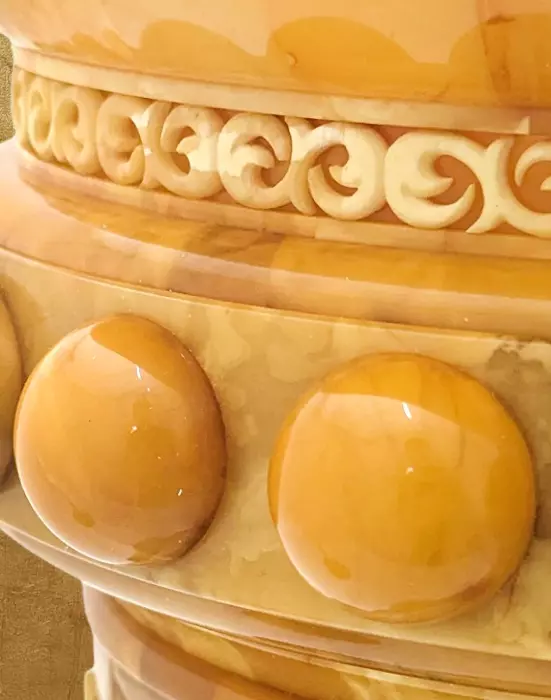
The mammoth tusk composition "One Hundred Sons celebrate their birthday" is a large-scale and extremely complex work that combines sculpture sculpture, delicate carvings and deep symbolism of traditional Oriental culture. The base is made of mammoth tusk, processed with exceptional care: the material reveals itself in soft shades ranging from cold milk to warm cream, creating a feeling of inner glow. The composition is built vertically and ends with a multi-tiered carved lantern decorated with the finest ornaments, pendants and decorative elements that create a feeling of lightness despite all the architectural complexity.
The lower part is full of figures — a multi-layered scene with characters unfolds here, among which one can distinguish elders, children, warriors and sages. Each image is made with a high degree of detail: folds of clothing, facial expressions, gestures and poses create a vivid, dynamic picture. The motif of the "hundred sons" in the Chinese tradition symbolizes the continuation of the family, prosperity and the highest form of well—being - numerous offspring as a sign of heavenly blessing. The figures are arranged in such a way that the gaze gradually rises upward, following the development of the plot — from the earthly scene to the sublime decorative completion.
The Cantonese carving technique reaches its apogee here: the openwork elements of the lantern are made with jewelry precision, creating the effect of a lace structure that transmits light. The layering of the composition allows you to look at it from different angles, each time revealing new details — hidden figures, subtle ornaments, decorative bundles. The contrast between the light tusk and the dark carved wood base enhances the depth and emphasizes the complexity of the shape.
"One hundred sons celebrate their birthday" is not just a decorative object, but a symbolic statement about the fullness of life, continuity and harmony of generations. The composition embodies the idea of abundance, family unity and blessing, turning into an expressive center of space in which tradition and craftsmanship take on a visible form.
Characteristics
- Country of manufacture:
- China
- Material:
- the mammoth tusk, The ebony tree
- Number of spheres:
- 37
- Technique of execution:
- кантонская резьба по кости
- Sizes:
- 59.5 × 40.5 × 115 cm.
Similar products