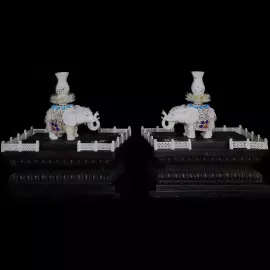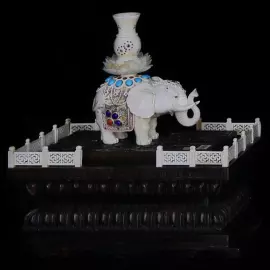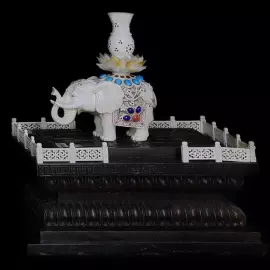


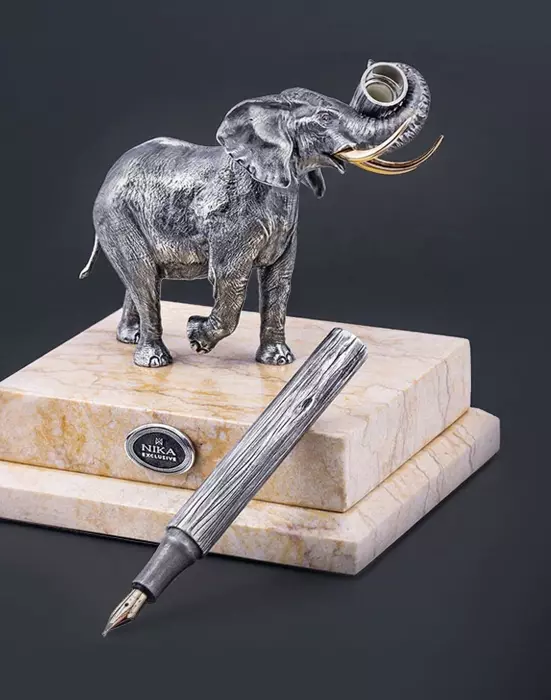

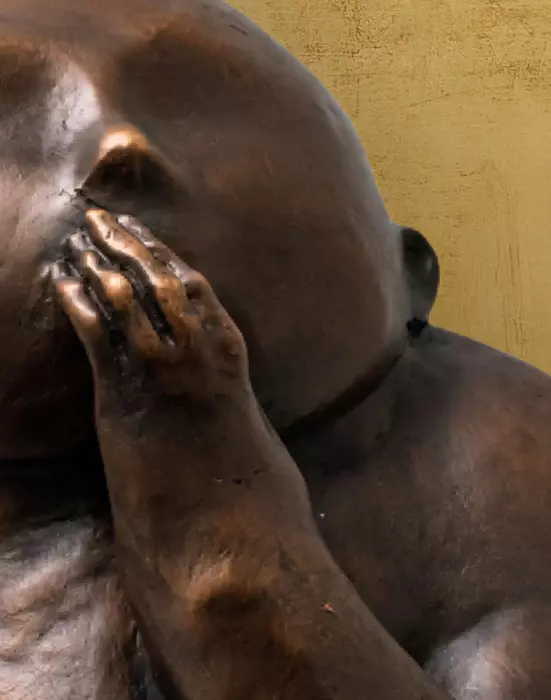








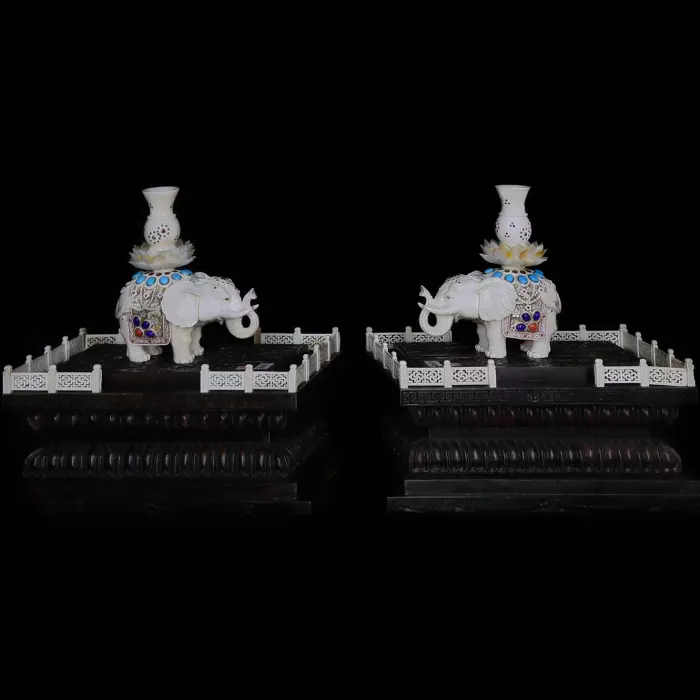
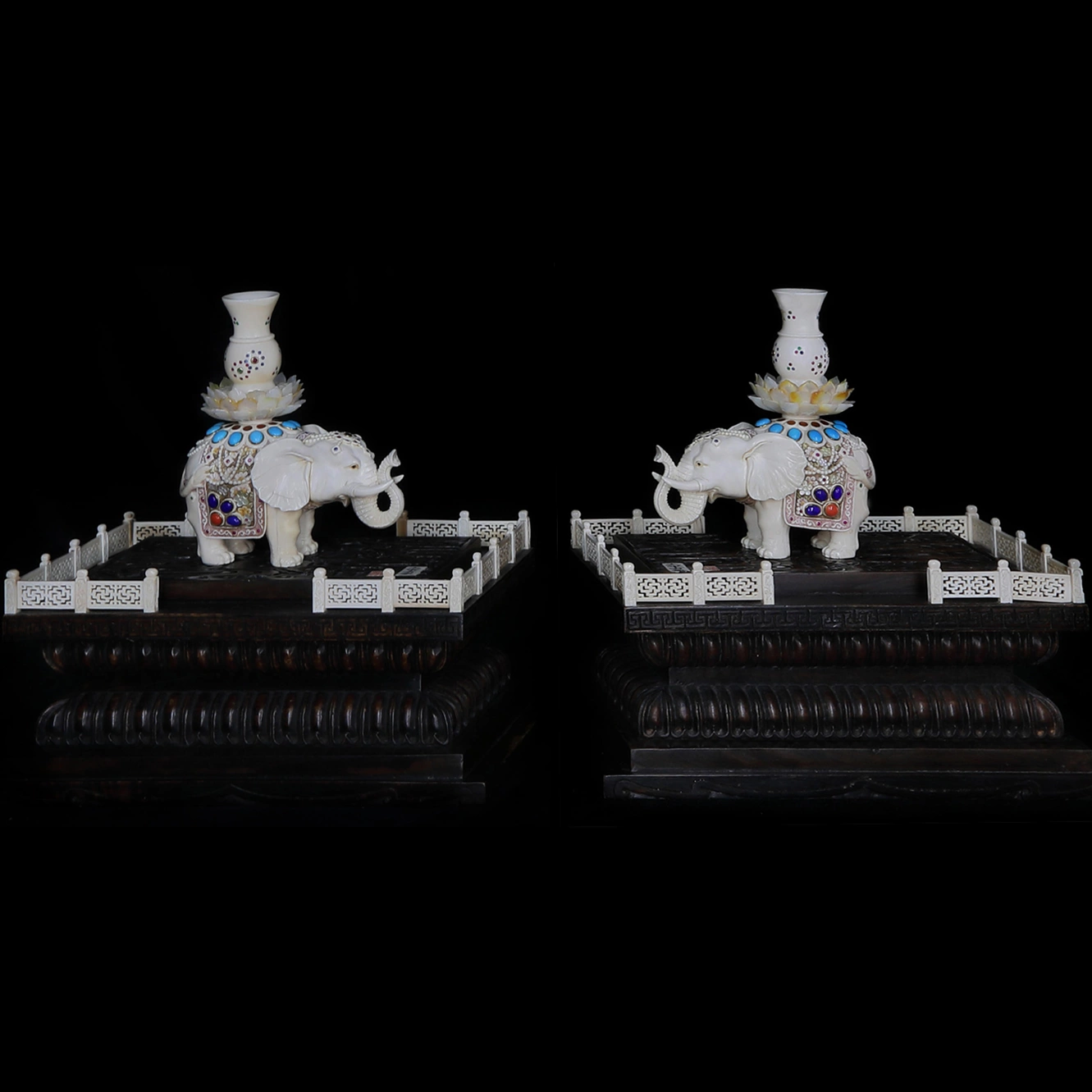
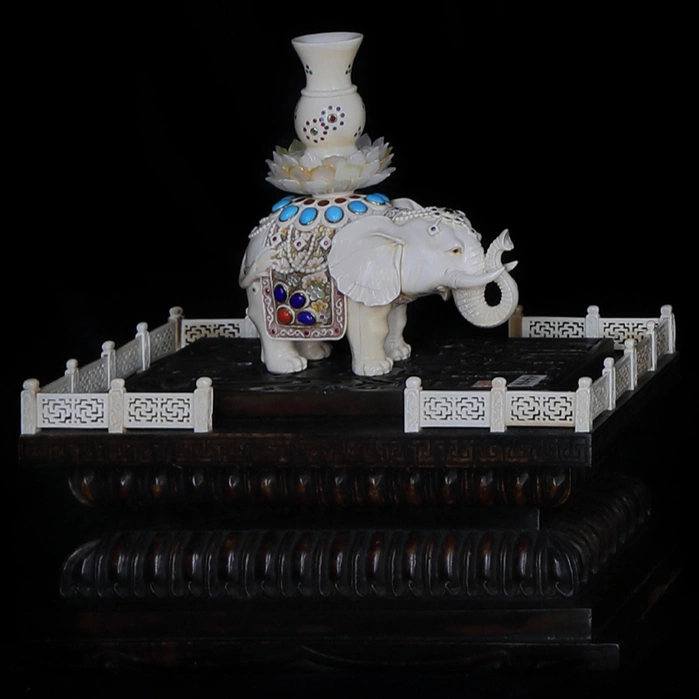
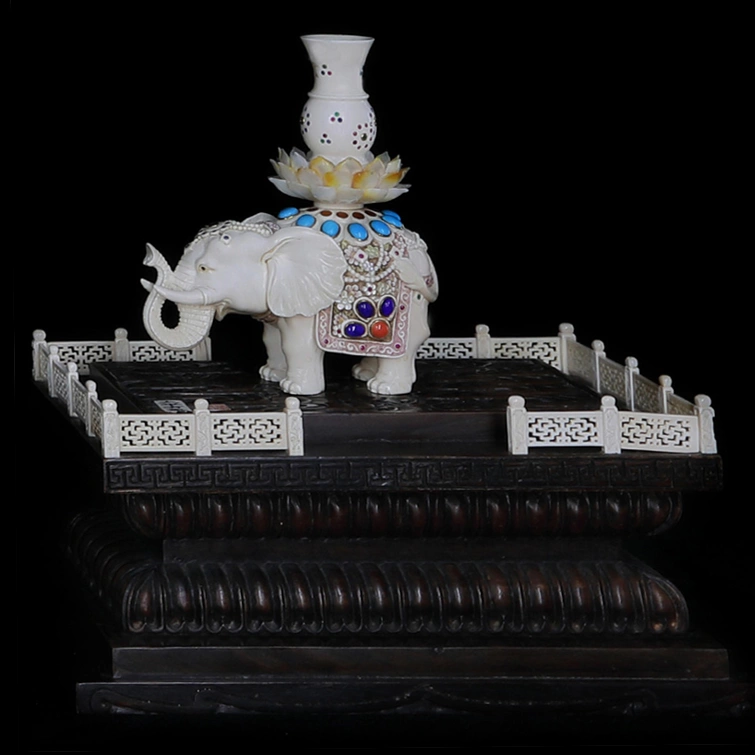
The mammoth tusk composition "Elephant of Universal Peace" refers to one of the most auspicious symbols in Chinese culture, where the image of an elephant is associated with peace, stability and harmony. The very sound of the word "elephant" (xiang) is consonant with the concept of "image" and "sign", therefore it is perceived as a bearer of good omens and the embodiment of an orderly, peaceful world.
The elephant in the Eastern tradition symbolizes strength under control, wisdom and stability. This is not aggressive power, but a majestic calmness capable of maintaining balance and protecting space. That is why such images are often associated with the idea of "universal peace" — a state in which there are no conflicts, and each part of the world is in its place.
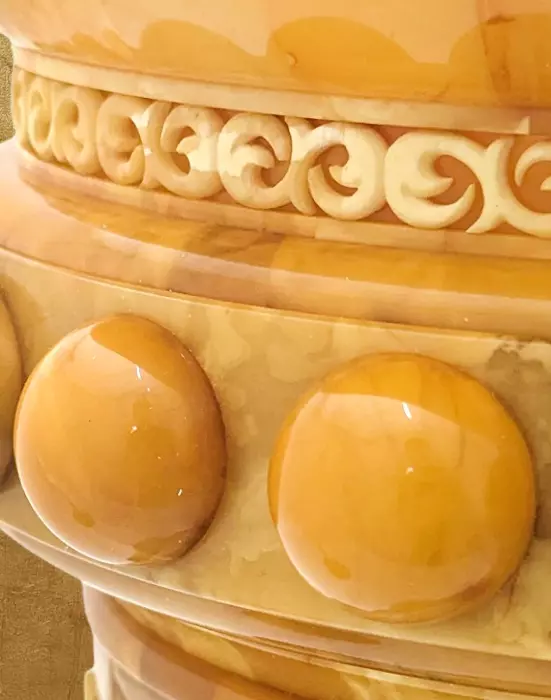
An additional meaning is given to the composition by a vessel placed on the animal's back. In Chinese symbolism, such vessels are associated with abundance, accumulation of goods and conservation of energy. Combined with the elephant, this is an image of sustainable well—being - not accidental, but built on a solid foundation and preserved over time.
The pairing of the composition enhances the importance of harmony. In Chinese aesthetics, paired objects are perceived as a reflection of the balance of yin and yang, complementary forces that create integrity. Two elephants facing each other form an enclosed space of harmony in which energy does not dissipate, but circulates, enhancing the sense of stability and order.
The "Elephant of universal Peace" is an image of power brought to harmony and well—being based on sustainability. The composition combines the rarity of the mammoth tusk, the delicate work of the master and the deep symbolism, creating a work filled with a sense of calm, protection and favorable balance.