
















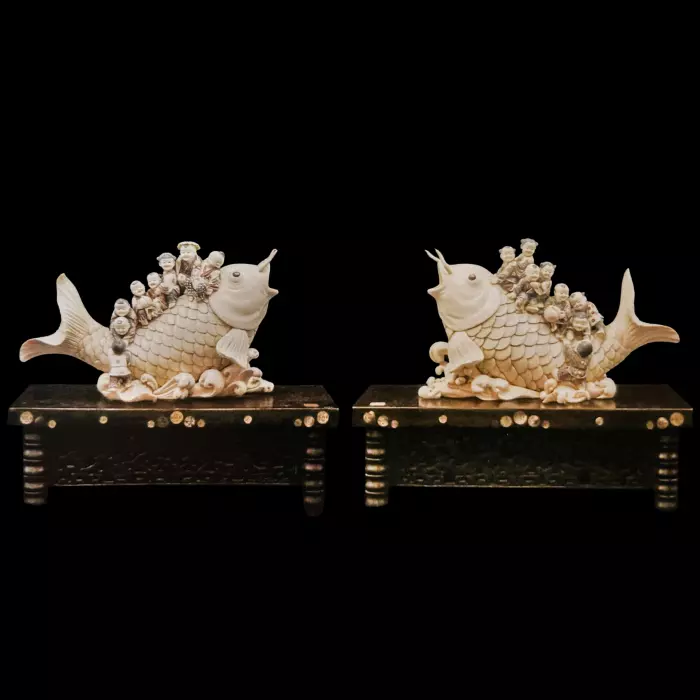
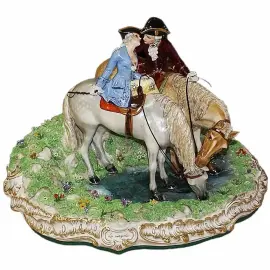
Mammoth tusk composition "Fish and eight children"
14 040 000 ₽
0
Add a gift label
Engraving on the nameplate 1500 ₽
Delivery options
Worldwide
Delivery by a transport company in the shortest possible time
VIP air delivery
Delivery rates
About this product
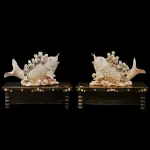
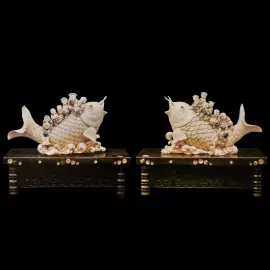
The mammoth tusk composition "Fish and Eight Children" embodies one of the joyful and benevolent subjects of Chinese decorative art, where each image is filled with deep symbolic meaning. A large fish is depicted in the center of the stage, on which children are playing and laughing. Such plots traditionally express wishes for happiness, prosperity and a harmonious family life.
Fish in Chinese culture is considered a symbol of abundance and wealth. The Chinese word "yu" itself, meaning fish, is consonant with the word "surplus" or "prosperity". Therefore, the image of a fish means wishing that there is always more than necessary in the house — more joy, well-being and good luck.
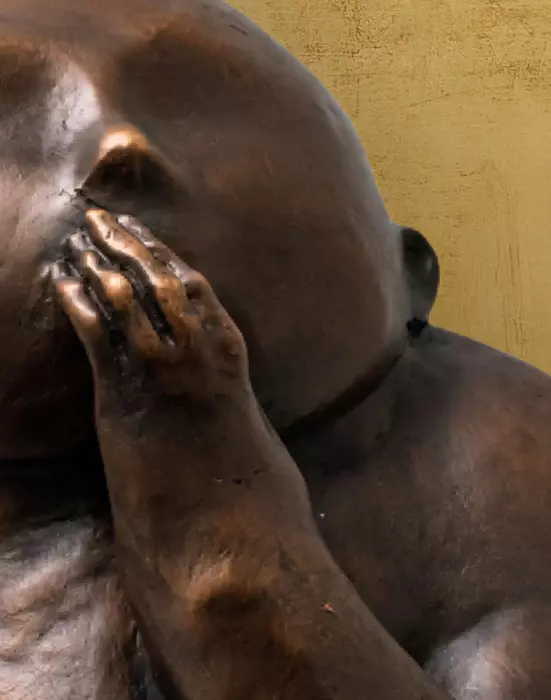
Eight children placed around the fish and on its back enhance the benevolent meaning of the composition. In Chinese tradition, children symbolize procreation, family happiness, and vitality. The number eight is considered especially auspicious because it is associated with wealth and luck. Combined with the image of a fish, this motif creates a wish for prosperity and numerous offspring.
Masterful mammoth tusk carving allows you to convey the smallest details: fish scales, soft folds of clothing, lively expressions of children's faces and their playful movements. Thanks to the delicate plasticity of the figures, the composition looks filled with movement, as if the children are really frolicking on the waves.
The base, made in a traditional style, gives the work a sense of stability and completeness, and the contrast of the light tusk and dark wood emphasizes the expressiveness of the entire scene.
Such a composition is perceived as a symbol of blessing and joy. In Chinese culture, the image of fish and children is considered a wish for prosperity, family happiness and a harmonious life filled with joy and well-being.
Characteristics
- Country of manufacture:
- China
- Material:
- the mammoth tusk, The ebony tree
- Technique of execution:
- Beijing bone carving
- Sizes:
- 37 × 20 × 31 cm.
- Weight:
- 4.28 kg.
Similar products