




















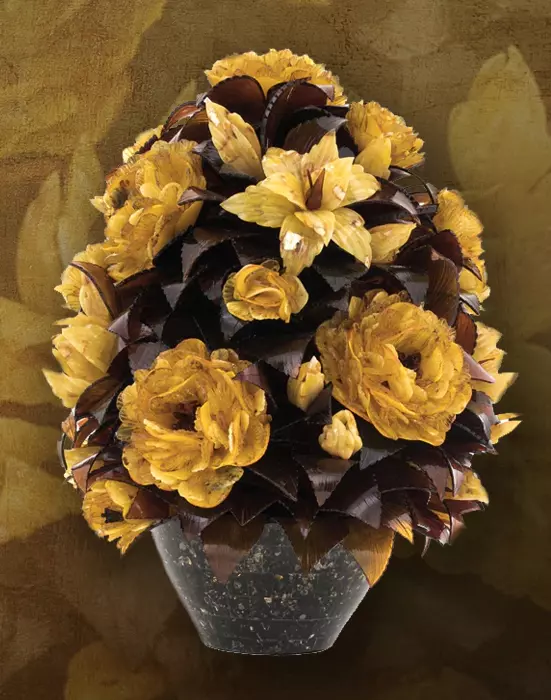



















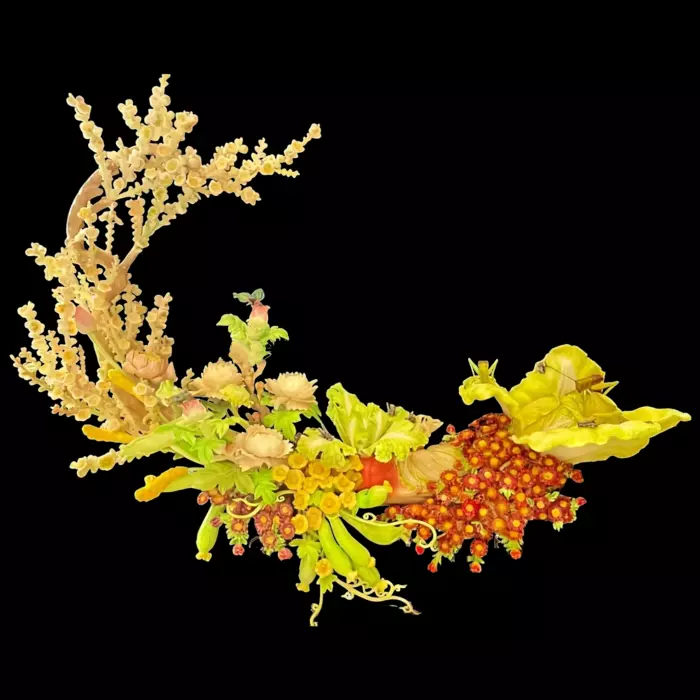
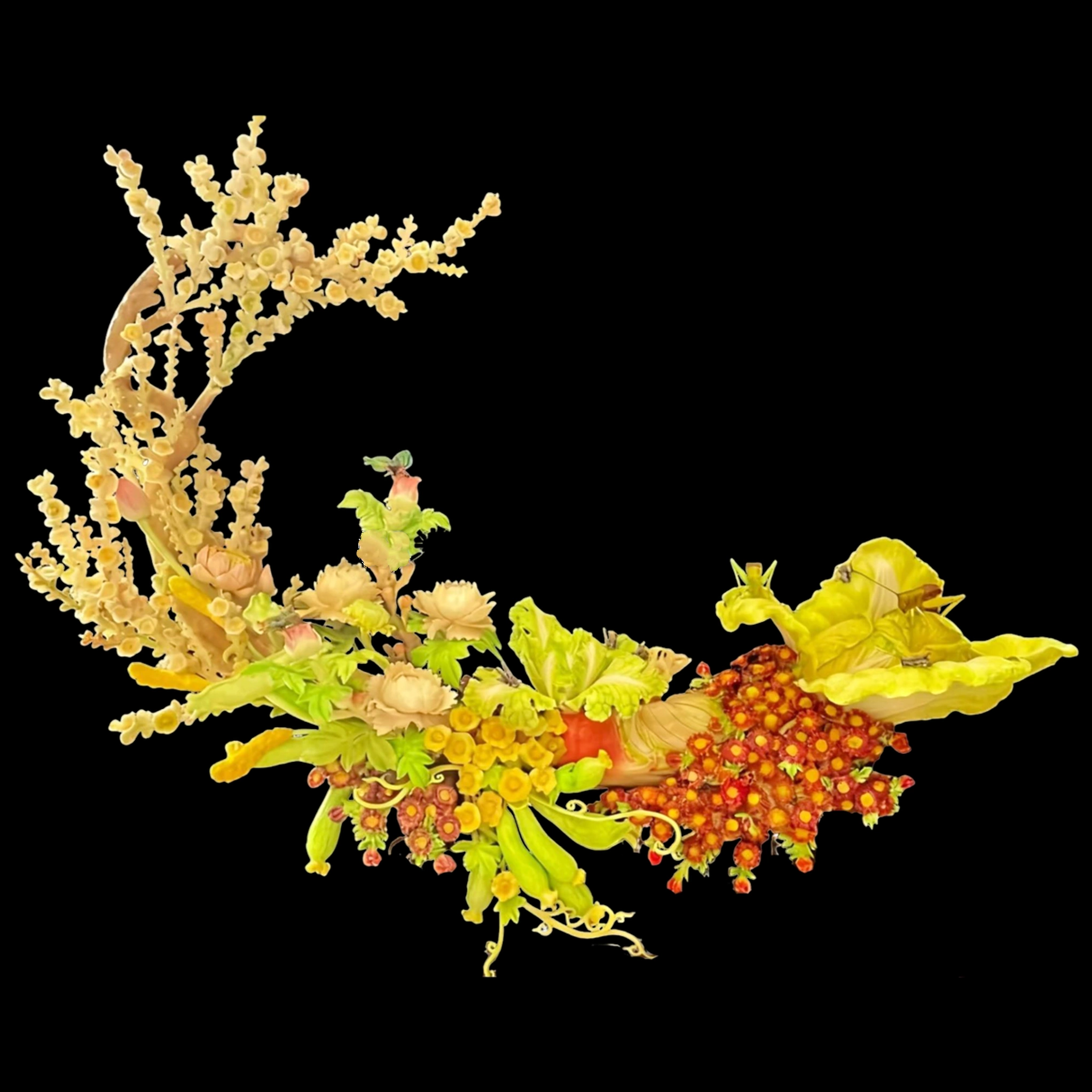
Mammoth tusk composition "Peony Cabbage"
8 088 000 ₽
0
Add a gift label
Engraving on the nameplate 1500 ₽
Delivery options
Worldwide
Delivery by a transport company in the shortest possible time
VIP air delivery
Delivery rates
About this product
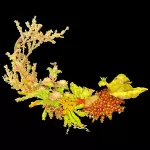
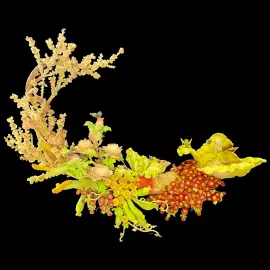
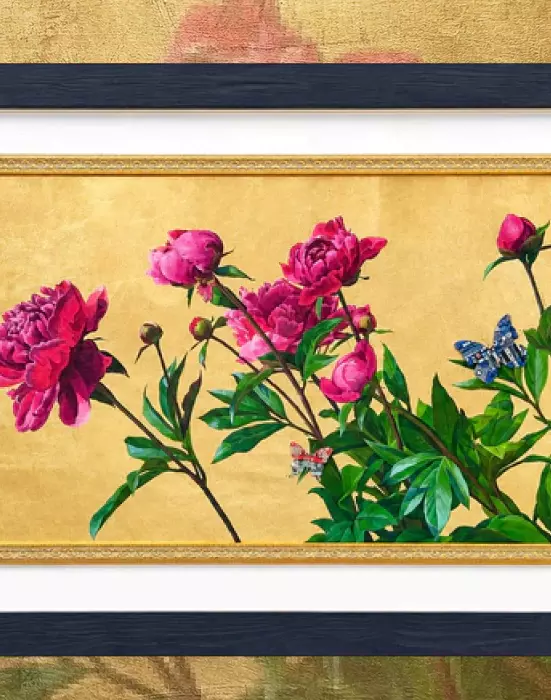
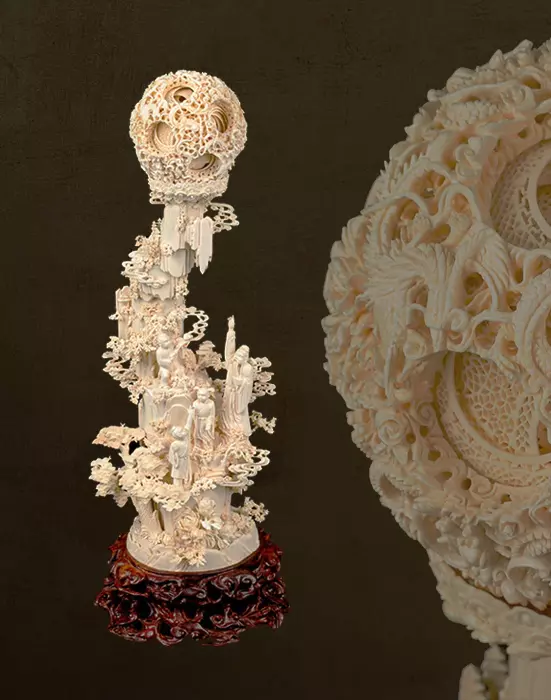
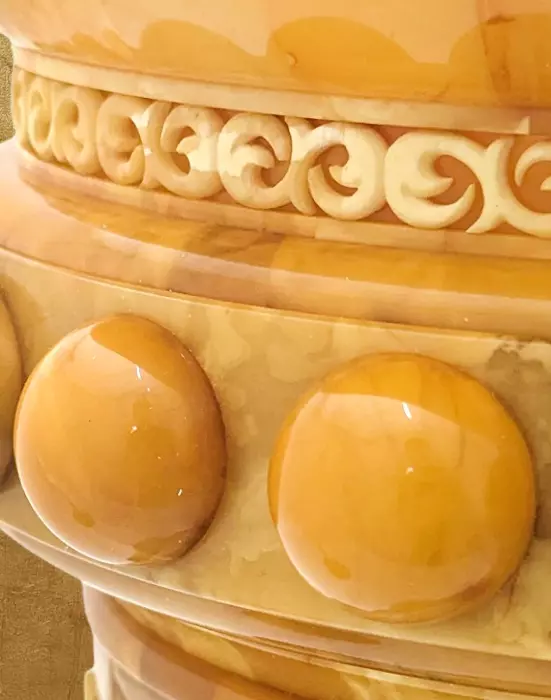
The composition of the mammoth tusk "Peony Cabbage" is an elegant decorative work based on a subtle combination of natural forms and symbolic content. The product is made of mammoth tusk with a natural color gradation — from warm cream and golden shades to soft greenish and amber transitions, which allows the master to create the effect of a living, breathing flora. The composition unfolds in a dynamic, asymmetrical line, where each element seems to grow and unfold, obeying the inner rhythm of nature.
At the center of the artistic idea is a combination of peonies and cabbage leaves, traditionally symbolizing wealth, prosperity and material well—being. The lush flowers, made with filigree precision, convey the softness of the petals and the depth of their layered structure, while the leaves are characterized by expressive plasticity, accentuated by natural curves and veins. The composition is complemented by small fruits and decorative elements that create a sense of generosity and fullness of life, where every detail works for the overall impression of abundance.
The technique of Cantonese carving is revealed in the extreme elaboration of texture and complex multilevel composition. The master skillfully uses the natural shades of the material, without resorting to unnecessary interference, but only emphasizing them, thereby creating the effect of a soft glow and depth. The contrast between the light carving and the invisible supporting part enhances the feeling of lightness, despite the complexity and saturation of the shape.
The name "Peony cabbage" combines two powerful symbols of Chinese culture: peony as a sign of wealth and high status, and cabbage as an image of accumulation and preservation of wealth. Together, they form the desire for sustainable well-being, harmony and growth. The composition is perceived as a sophisticated talisman of prosperity, capable of becoming an expressive accent of the interior and an object with a deep cultural and aesthetic meaning.
Characteristics
- Country of manufacture:
- China
- Material:
- the mammoth tusk, The ebony tree
- Technique of execution:
- кантонская резьба по кости
- Sizes:
- 102 × 90 × 30 cm.
Similar products