



























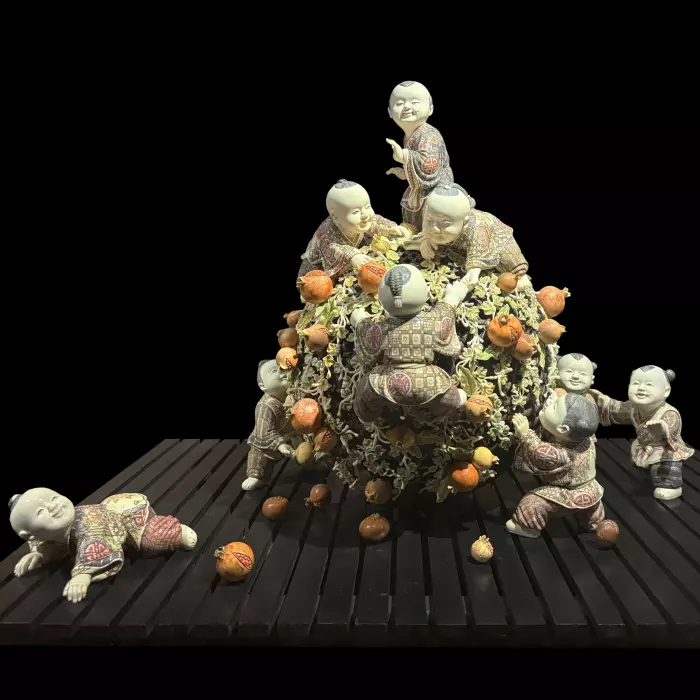
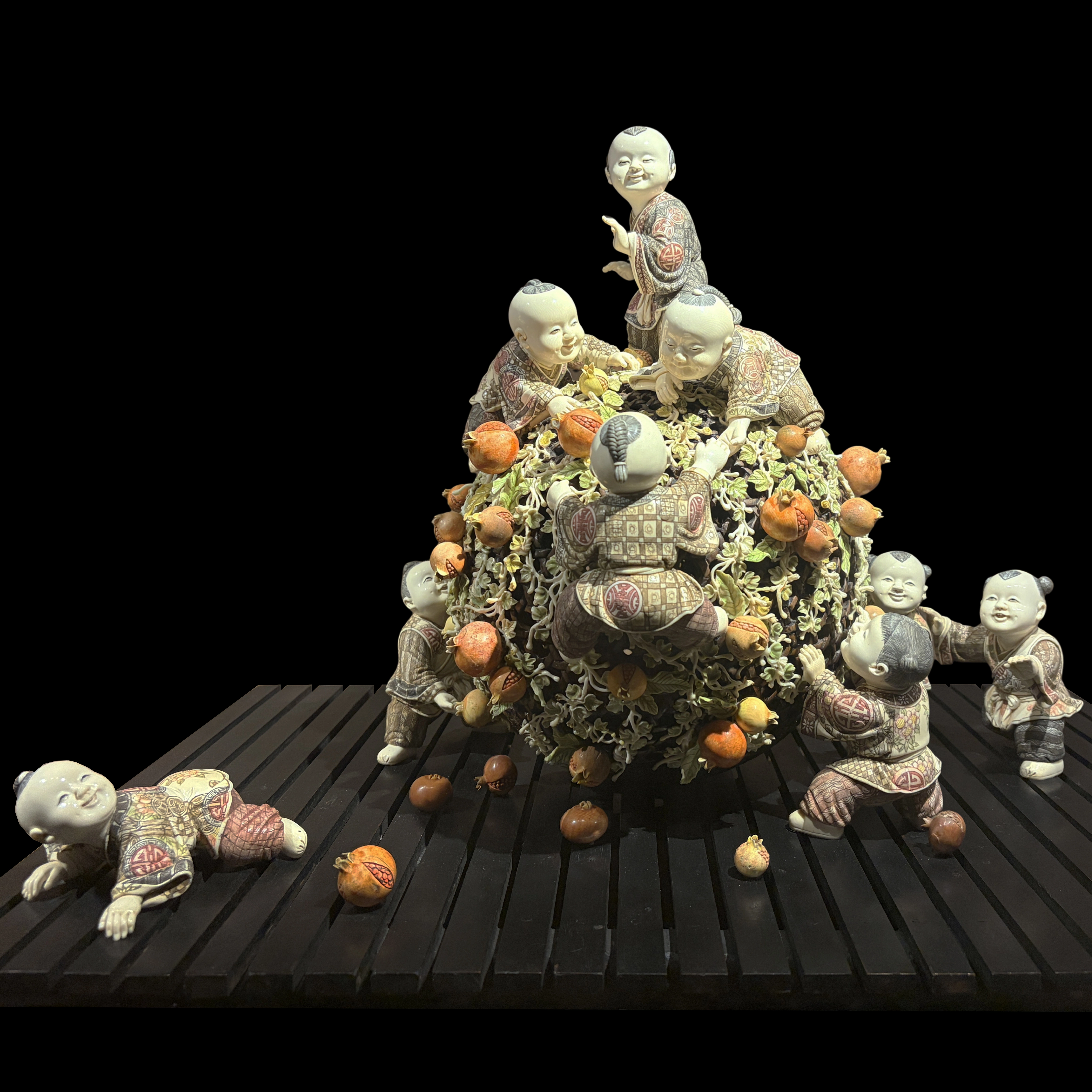
Mammoth tusk composition "Pomegranates bring good omen"
37 440 000 ₽
0
Add a gift label
Engraving on the nameplate 1500 ₽
Delivery options
Worldwide
Delivery by a transport company in the shortest possible time
VIP air delivery
Delivery rates
About this product
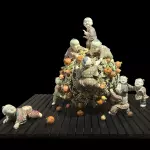
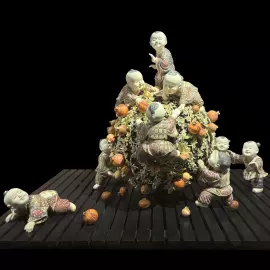
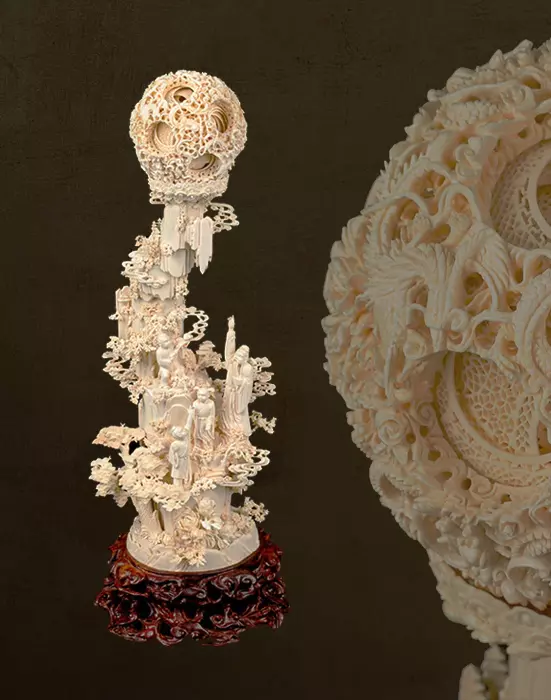
The mammoth tusk composition "Pomegranates bring good omen" reveals one of the most joyful and auspicious images of Chinese symbolism. Pomegranate in the Eastern tradition is considered a sign of abundance, procreation and family happiness. Its fruit is filled with many grains, and therefore for centuries it has been perceived as a symbol of numerous offspring, family prosperity and the blessings of heaven.
In the center of the composition stands a large pomegranate fruit, densely entwined with branches and leaves. Its surface is covered with many ripe fruits, as if nature itself generously shares its gifts. A lively and joyful scene unfolds around him: children climb up, reach for the branches, help each other climb the fruit and collect precious fruits.
Images of children in Chinese art are always filled with a special meaning. They symbolize the future, vital energy and procreation. Their cheerful faces and free movements create an atmosphere of play and carelessness, but behind this scene there is a deep benevolence. In traditional culture, such images expressed a family's desire to have many healthy and happy children who would grow up in prosperity and harmony.
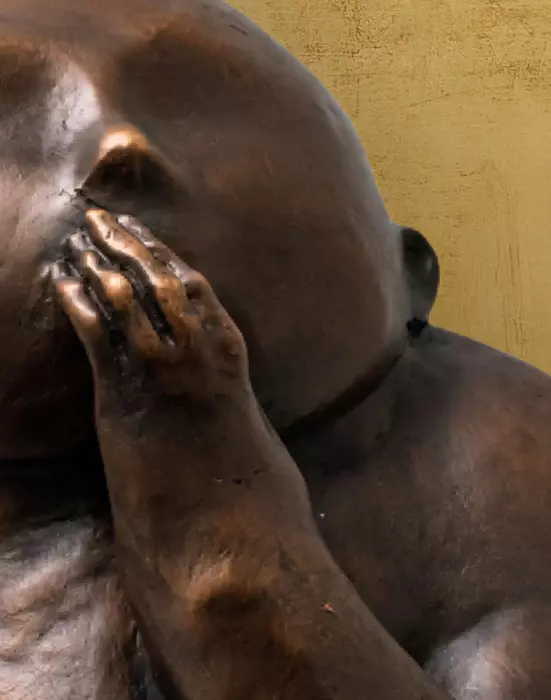
The fine carving on the mammoth tusk allows the master to convey an amazing wealth of details. The carefully crafted faces of the children, the folds of their clothes, the texture of the leaves and the shapes of the fruits create the feeling of a lively scene filled with movement and joy.
This composition carries an ancient benevolence familiar to Chinese culture for many centuries. Where pomegranate is present, happiness comes, children are born in the house, and life is filled with abundance, joy, and procreation.
Characteristics
- Country of manufacture:
- China
- Material:
- the mammoth tusk, The ebony tree
- Technique of execution:
- Beijing bone carving
- Sizes:
- 100 × 60 × 86 cm.
- Weight:
- 10.35 kg.
Similar products