











































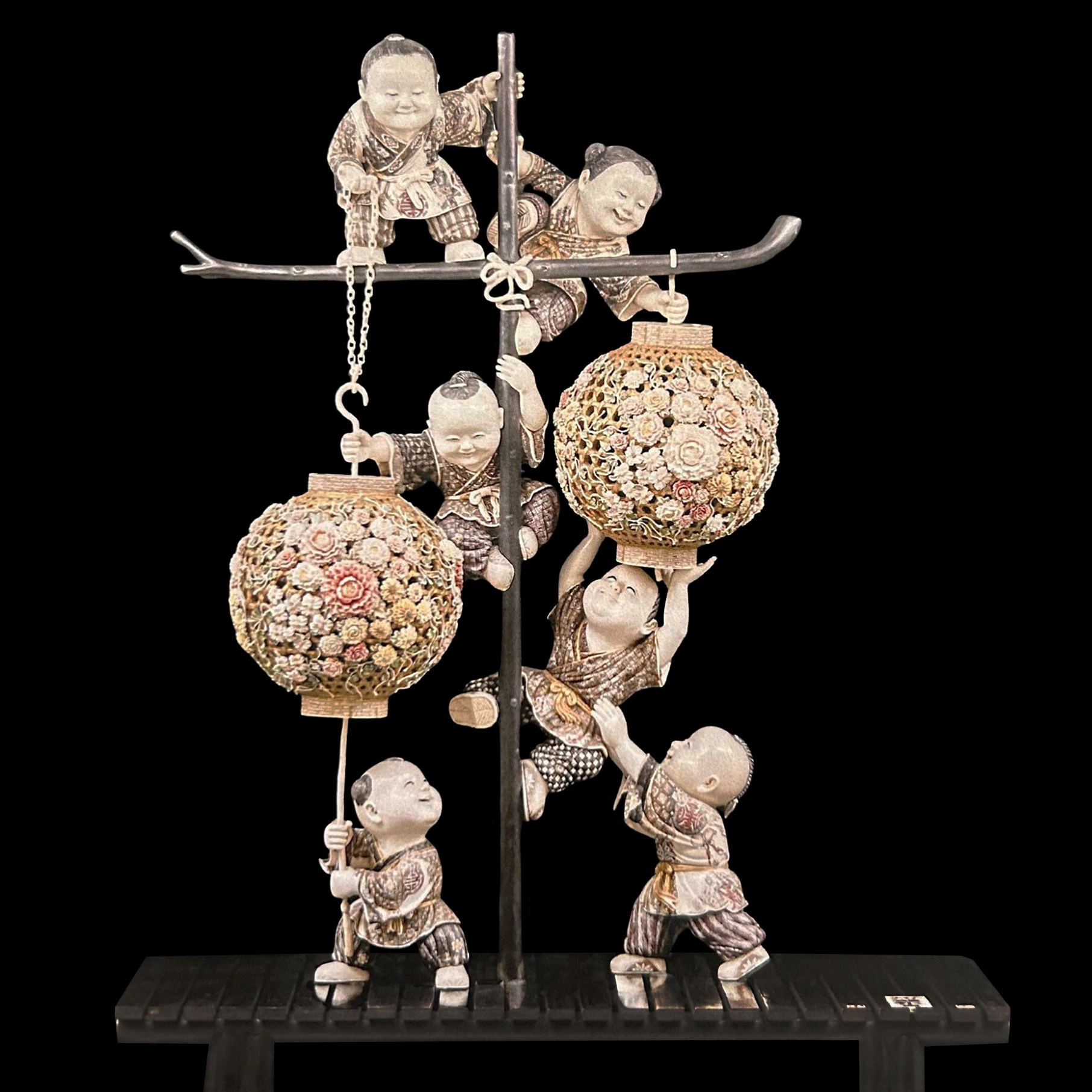
Mammoth tusk composition "Lanterns proclaim joy"
19 656 000 ₽
0
Add a gift label
Engraving on the nameplate 1500 ₽
Delivery options
Worldwide
Delivery by a transport company in the shortest possible time
VIP air delivery
Delivery rates
About this product
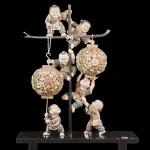
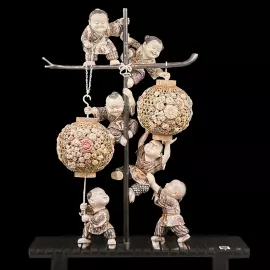
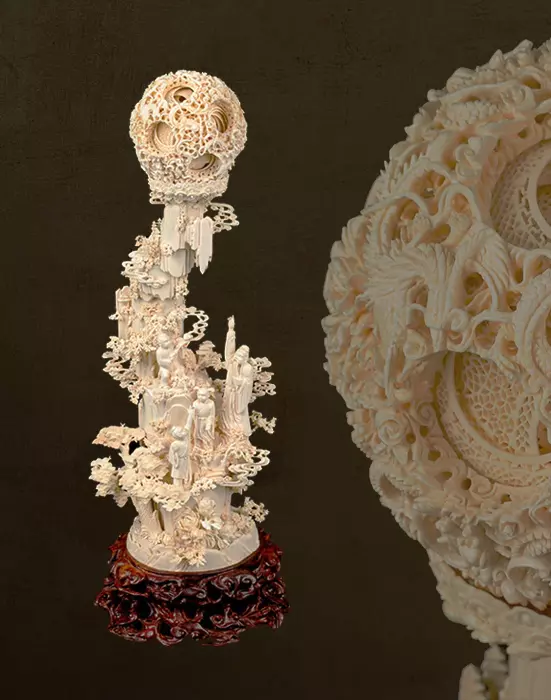
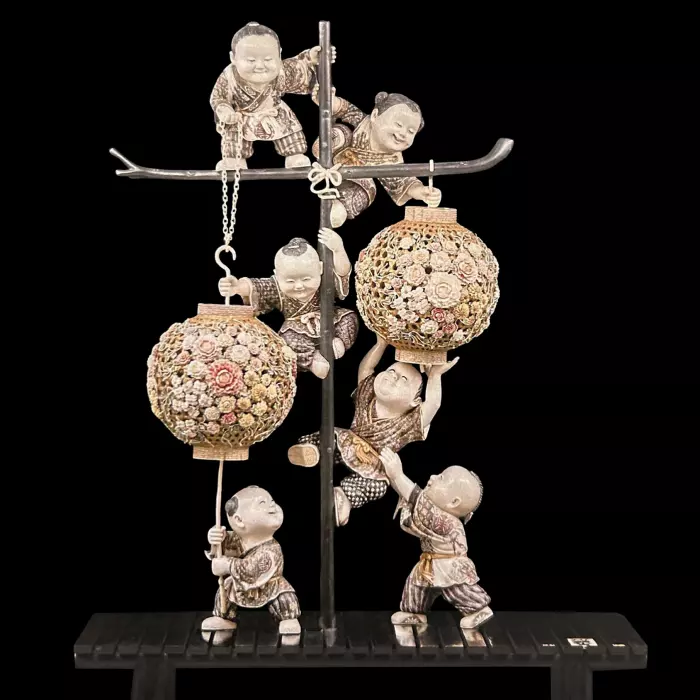
The mammoth tusk composition "Lanterns proclaim Joy" refers to one of the brightest and most beloved images of the Chinese tradition — the lantern festival, symbolizing joy, hope and the beginning of a new prosperous period of life. In Eastern culture, a lighted lantern means the light of good luck, which dispels darkness and opens the way to happiness. It is believed that the glow of lanterns attracts good forces and brings peace, prosperity and joyful events to the house.
In the center of the composition stands a tall pole, on which two large carved lanterns decorated with rich floral ornaments are suspended. Their shapes resemble celestial bodies, like small suns filling the space with the soft light of a holiday. Children are moving briskly around the lanterns — they climb the pole, support the lanterns, reach out to the light, helping each other. Their movements are full of vivacity and joyful excitement, as if the whole scene is filled with children's laughter and anticipation of the holiday.
The image of children in the Chinese artistic tradition is always associated with the wish of procreation, happiness and prosperity of the family. Their presence gives the composition a special meaning: children's joy here becomes a symbol of future well-being and harmony. Every gesture, every pose is conveyed with a subtle sense of movement — the master seemed to capture a moment of play and fun that lasts beyond time.
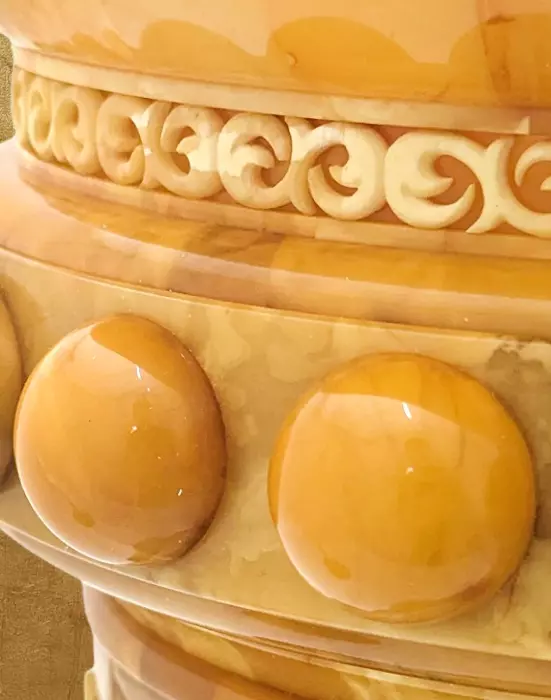
The special expressiveness of the composition is given by openwork lanterns covered with intricate carvings of flowers and ornaments. The light mammoth tusk allows you to convey the finest texture of patterns and the softness of shapes, and the contrast with the dark base enhances the feeling of festive radiance.
The work seems to convey an ancient wish familiar to every home in the East: let the light of lanterns illuminate the path to happiness, and joy and well-being come as easily and naturally as the light fills the night sky during a holiday.
Characteristics
- Country of manufacture:
- China
- Material:
- the mammoth tusk, The ebony tree
- Technique of execution:
- Beijing bone carving
- Sizes:
- 67 × 36 × 92 cm.
- Weight:
- 8.86 kg.
Similar products