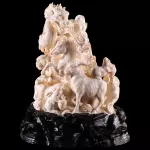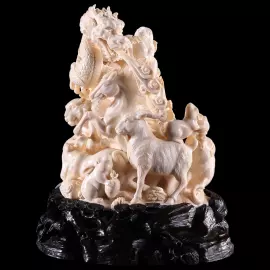



















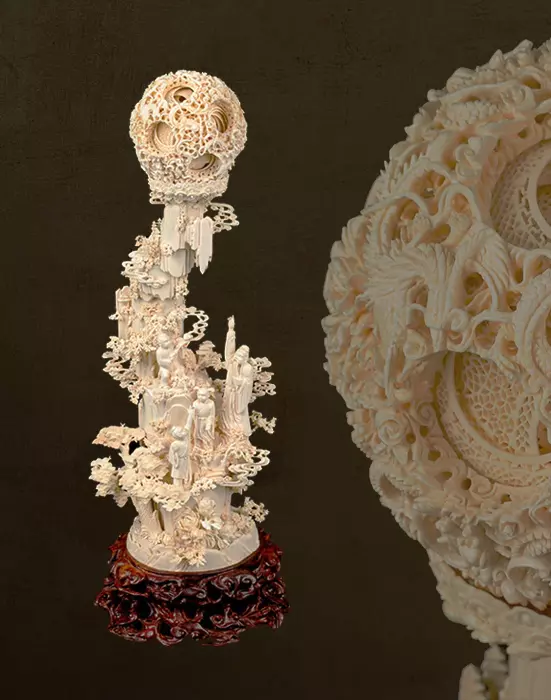












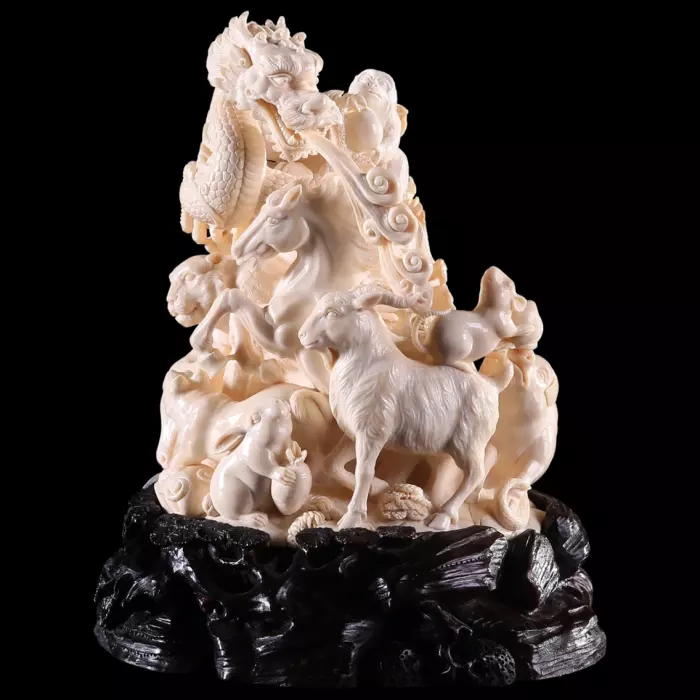
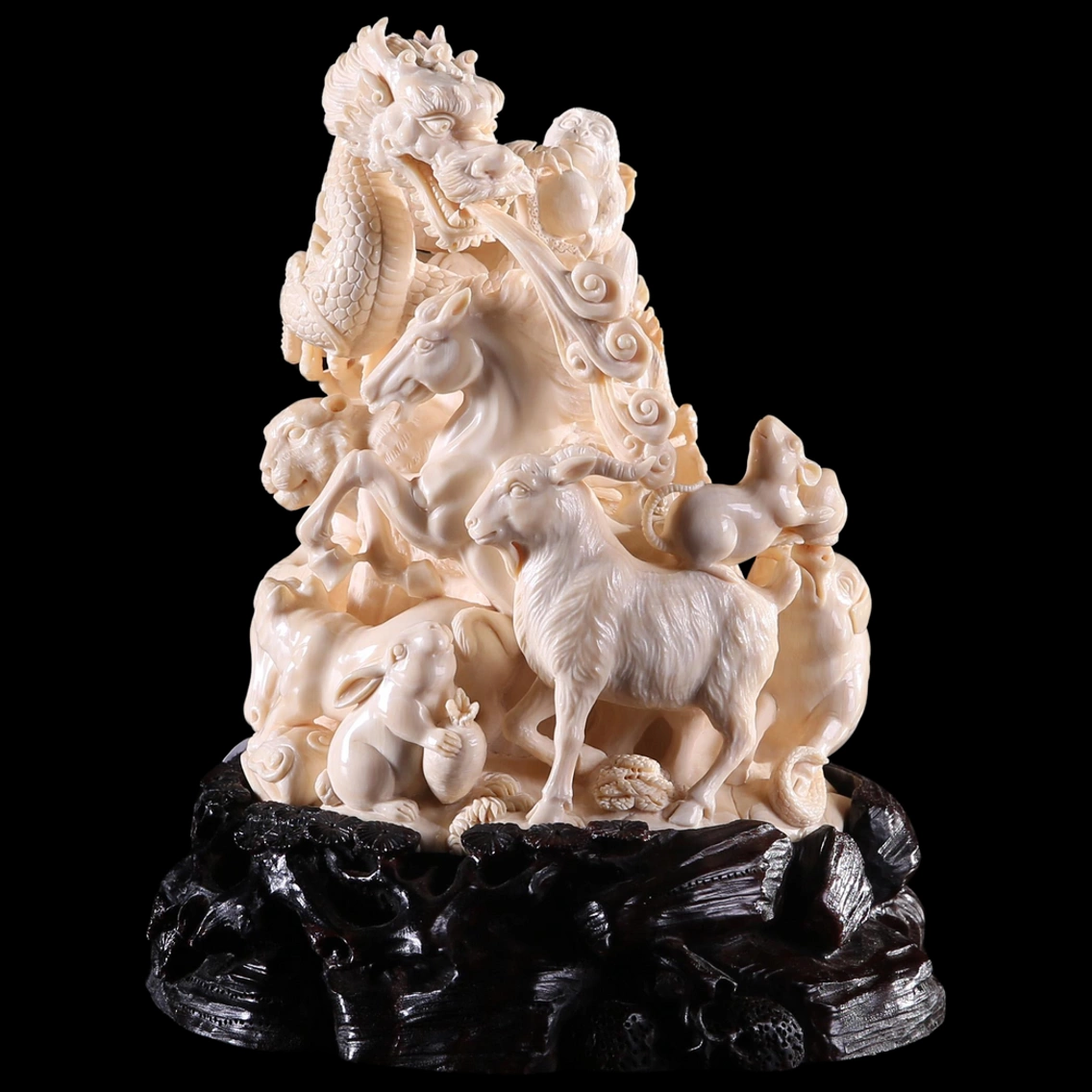
The mammoth tusk composition "The Twelve Signs of the Chinese Zodiac" refers to an ancient symbol system reflecting the cyclical nature of time and man's connection with the cosmic order. In the Chinese tradition, the zodiac is not just a calendar, but a whole philosophy in which each year is endowed with character, energy and a special influence on fate.
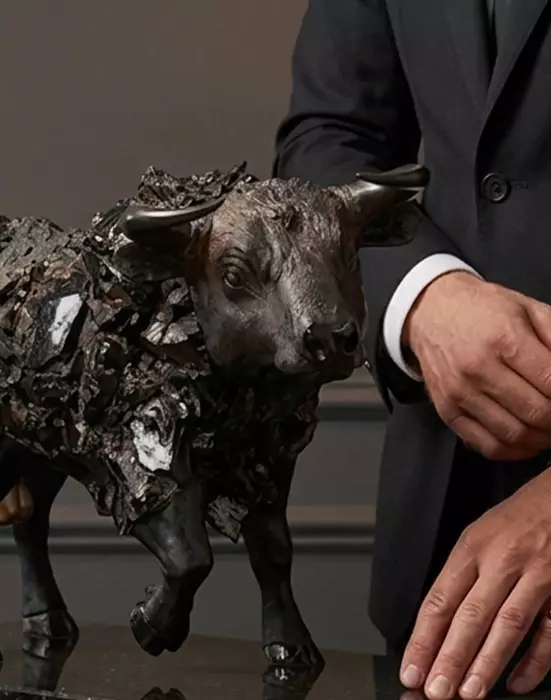
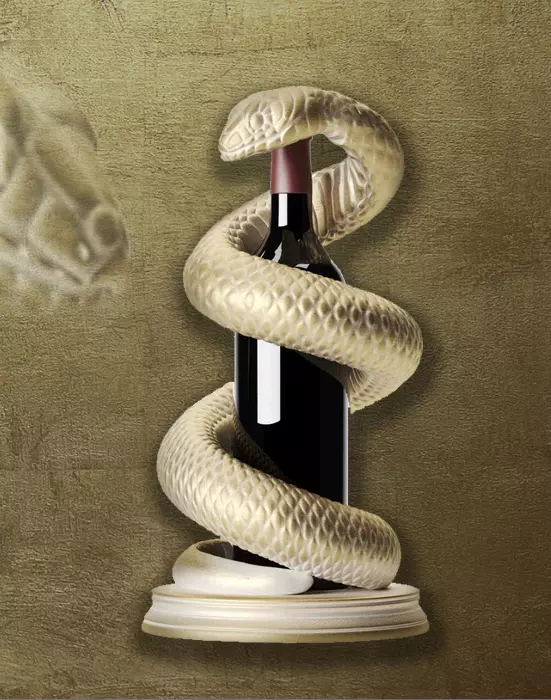
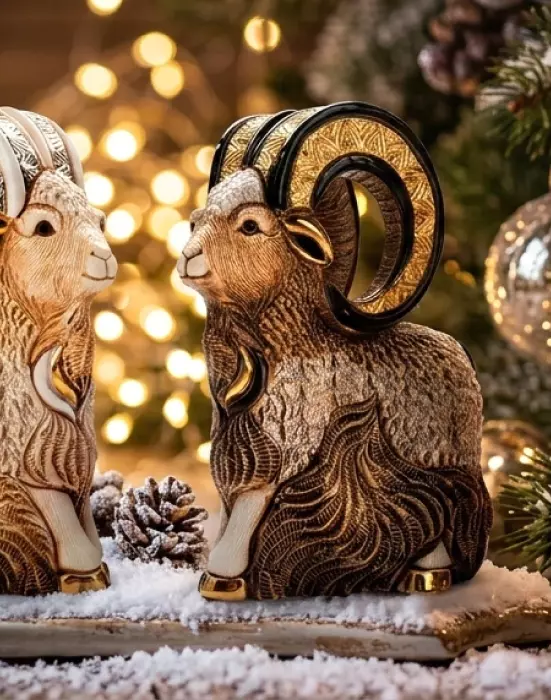
Twelve animals — a rat, a bull, a tiger, a rabbit, a dragon, a snake, a horse, a goat, a monkey, a rooster, a dog and a pig — form a complete circle, symbolizing the continuous movement of time. Each sign is associated with certain qualities: strength, wisdom, flexibility, intuition, or determination. Together they create a model of the world in which different energies replace each other, maintaining balance.
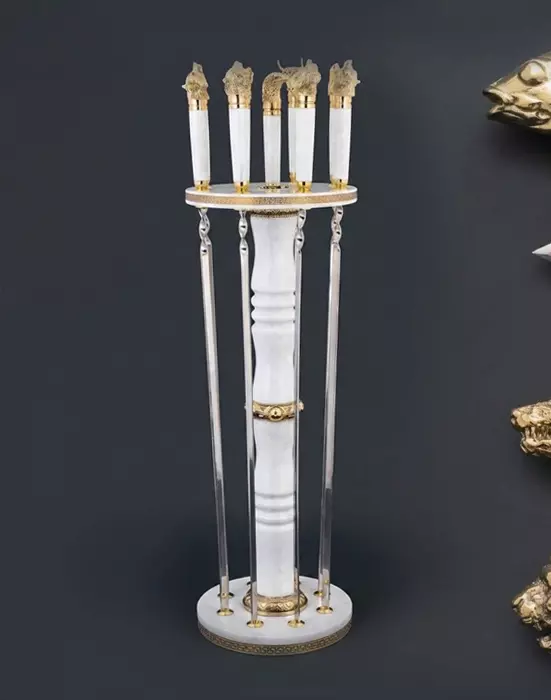
A special place in the composition is occupied by the dragon, the only mythical creature in the zodiac, personifying higher power, authority and the heavenly principle. His presence unites all the other images, giving the composition a sense of center and hierarchy. The rest of the animals, represented in dynamics and interaction, form a single space where each energy takes its place.
In Chinese culture, such images are perceived as a symbol of protection and well-being. It is believed that the presence of all signs simultaneously creates balance and harmony, leveling extremes and attracting good luck. This is a kind of model of an ideal world where no one force dominates, but everyone exists in harmony.
The "Twelve Signs of the Chinese zodiac" is an image of time, cyclicity and harmony, in which each energy finds its expression. The composition combines the rarity of a mammoth tusk, complex multi-figure carvings and deep symbolism, creating a work filled with dynamics, meaning and a sense of perpetual motion.