




















Nothing was found for your request. Try to change the wording or go to the Catalog
Also you may call +7 (495) 927 60 67 and we will help you choose the best gift.
Nothing was found for your request. Try to change the wording or go to the Catalog
Also you may call +7 (495) 927 60 67 and we will help you choose the best gift.
Catalog


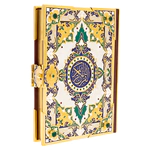
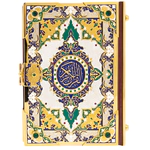
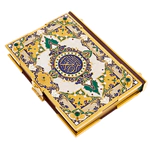
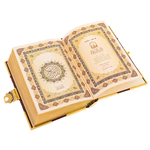
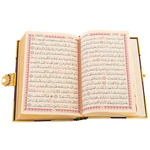
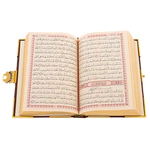
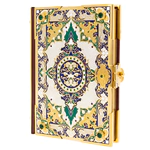
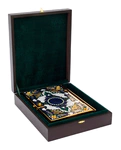
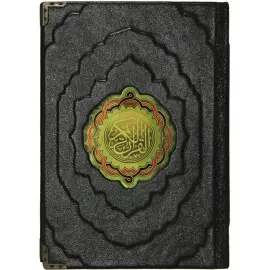
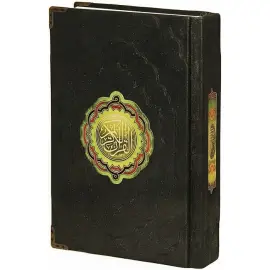
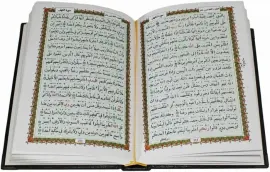
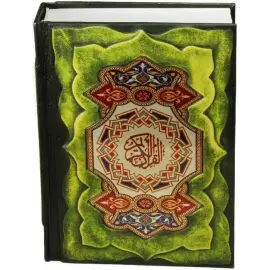
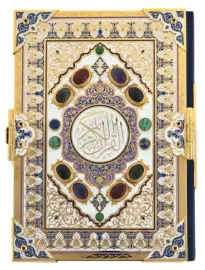
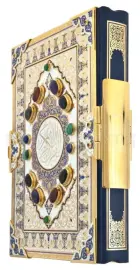
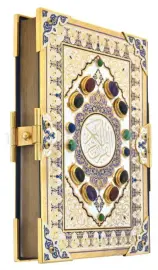
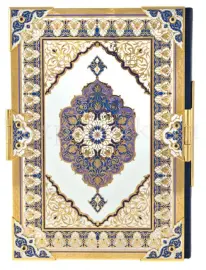
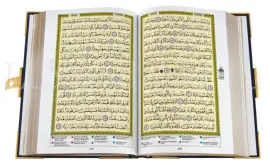
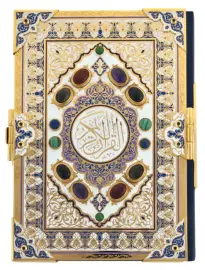
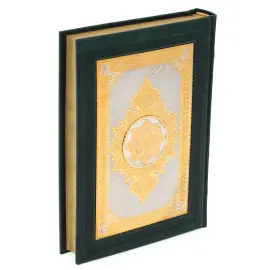
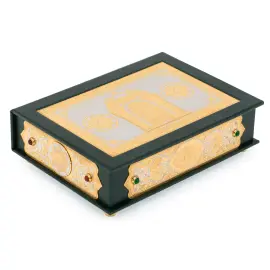
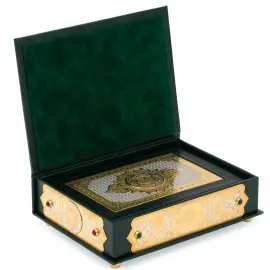
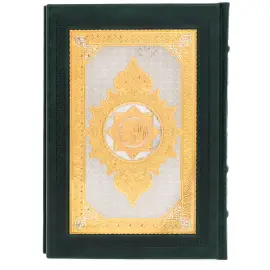
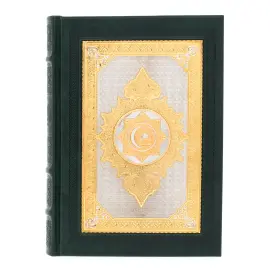
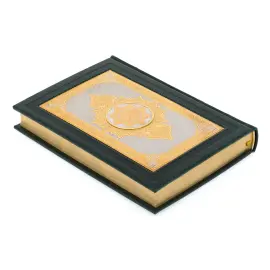
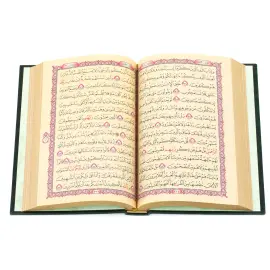
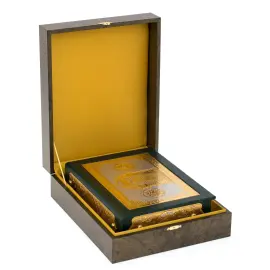
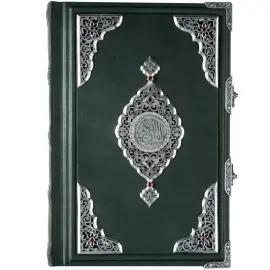
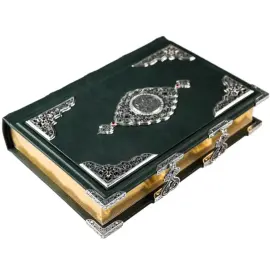
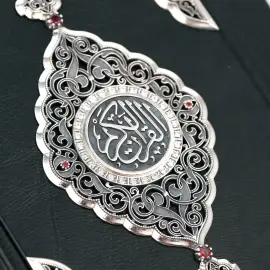
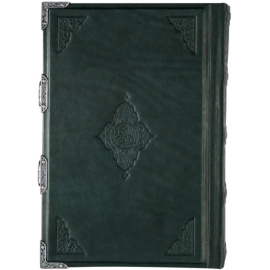
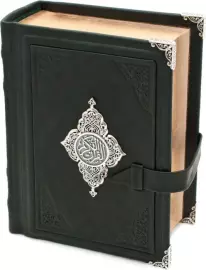
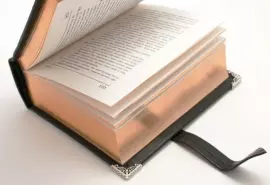
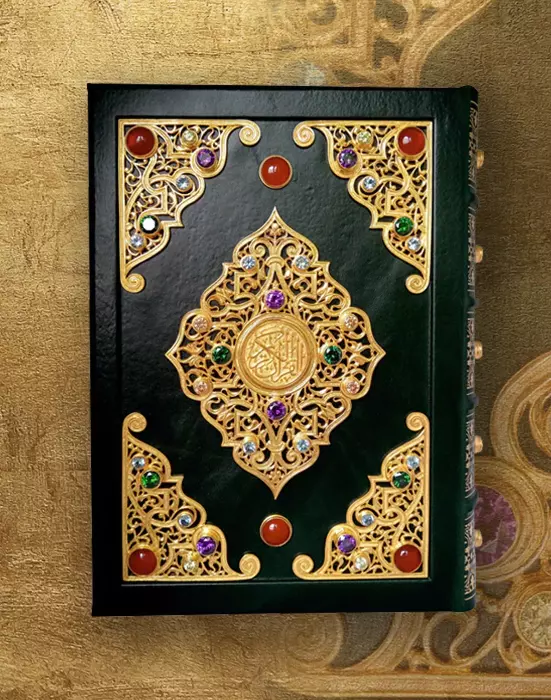
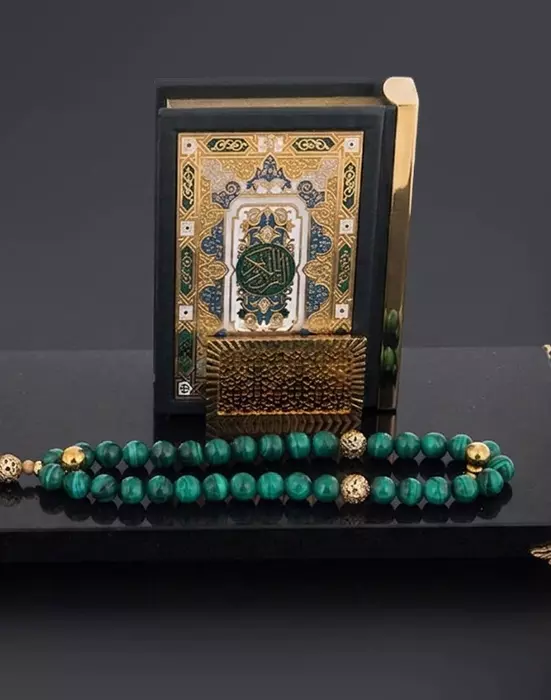
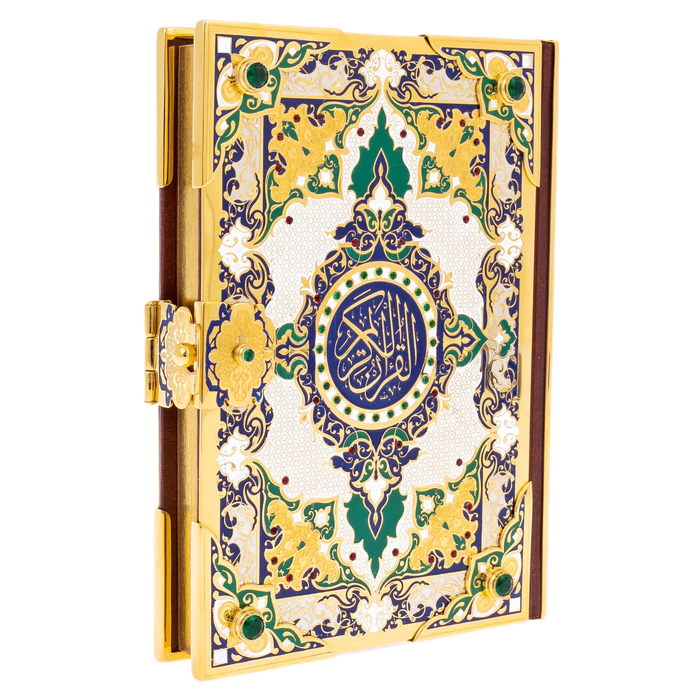
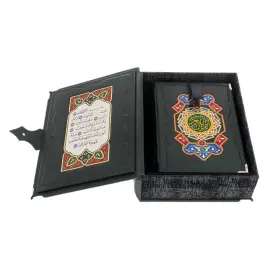
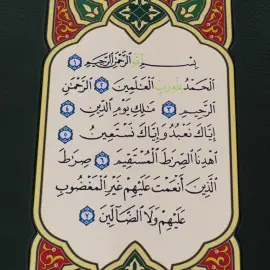
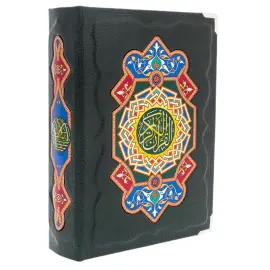
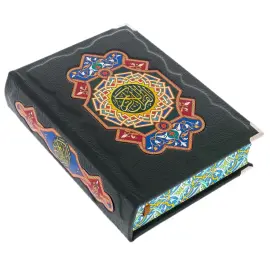
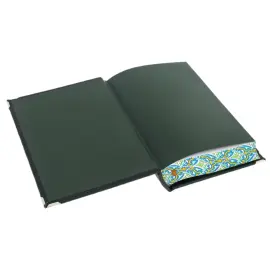
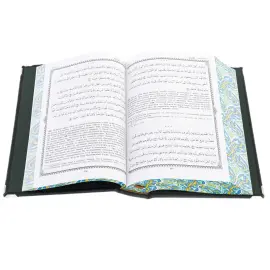
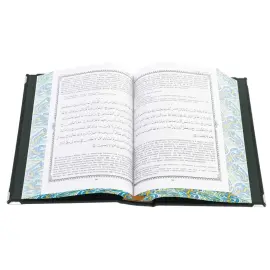
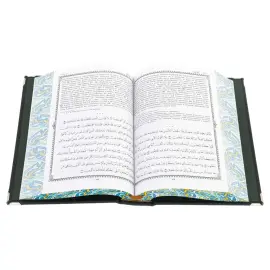
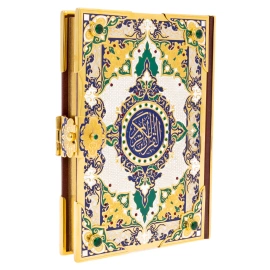
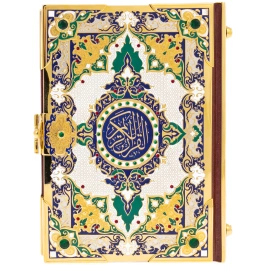
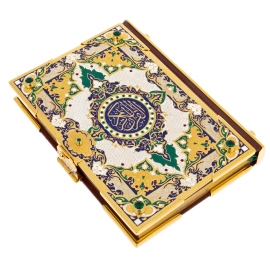
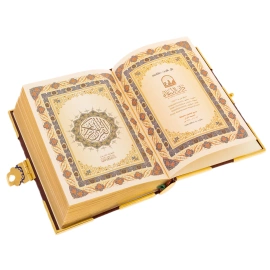
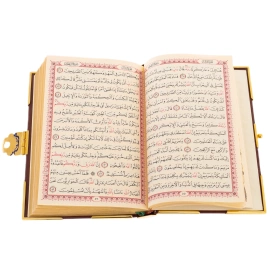
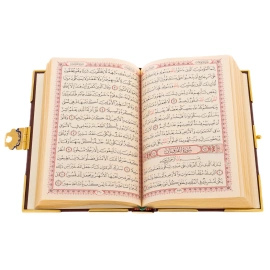
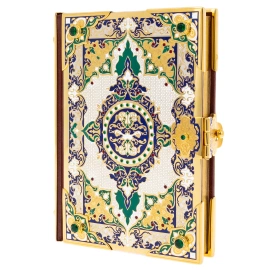
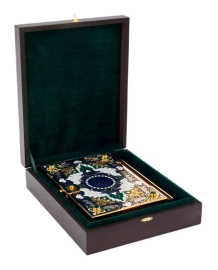
The gift Koran with Faith enamels from Zlatoust is a status publication intended for a private library, office or protocol gift. The binding is covered with a decorative metal overlay with rich ornaments gathered around a central medallion with Arabic calligraphy; the composition is framed by curly corners and wide edging, giving the book a monumental, almost architectural silhouette. A subtle play of shades can be read on the front side: deep blue and emerald are combined with a milky background supported by a warm sheen of gilding, and accents are placed with inserts of green stone in the corner elements and on the clasp. The block is made in a solemn manner: the pages open wide, the cut looks nobly golden, inside there are traditional frames and screensavers that emphasize the sacred rhythm of the text; such an edition is chosen for people who know how to appreciate symbols of faith, respect for tradition and rare handmade items.
The Zlatoust school is recognized in the impeccable balance of metal, engraving and enamel: the surface is calibrated to mirror purity, the ornament is brought out with jewelry precision, then emphasized with gilding, giving relief and depth to the lines. Hand-applied multicolor enamel forms rich fields and subtle transitions, preserving the clarity of the pattern even in the most complex curls; the contours are read confidently without getting lost in the decorative richness. The finishing touch is the careful planting of the stones and the careful fitting of the fastener, providing a sense of wholeness: the book is perceived not just as a binding, but as a full—fledged artistic object.
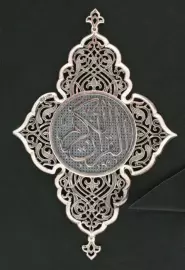
The design is dominated by oriental ornamental motifs: smooth floral swirls side by side with geometry, gathering into strict symmetry, suggesting order and harmony. The central circle of calligraphy holds the eye, like a seal of meaning, and the gold along the edges and details guides the light along the plane, enlivening the enamel and making the shades sound different with each turn. When opened, the publication gives the impression of a ceremony: the frames on the pages, the solemn tone of the paper, the radiance of the cut and the noble heaviness of the binding create a rare sense of the presence of a thing born to inherit and to give with an impeccable measure of respect.
Enter the phone number. The manager will call you back to confirm the order
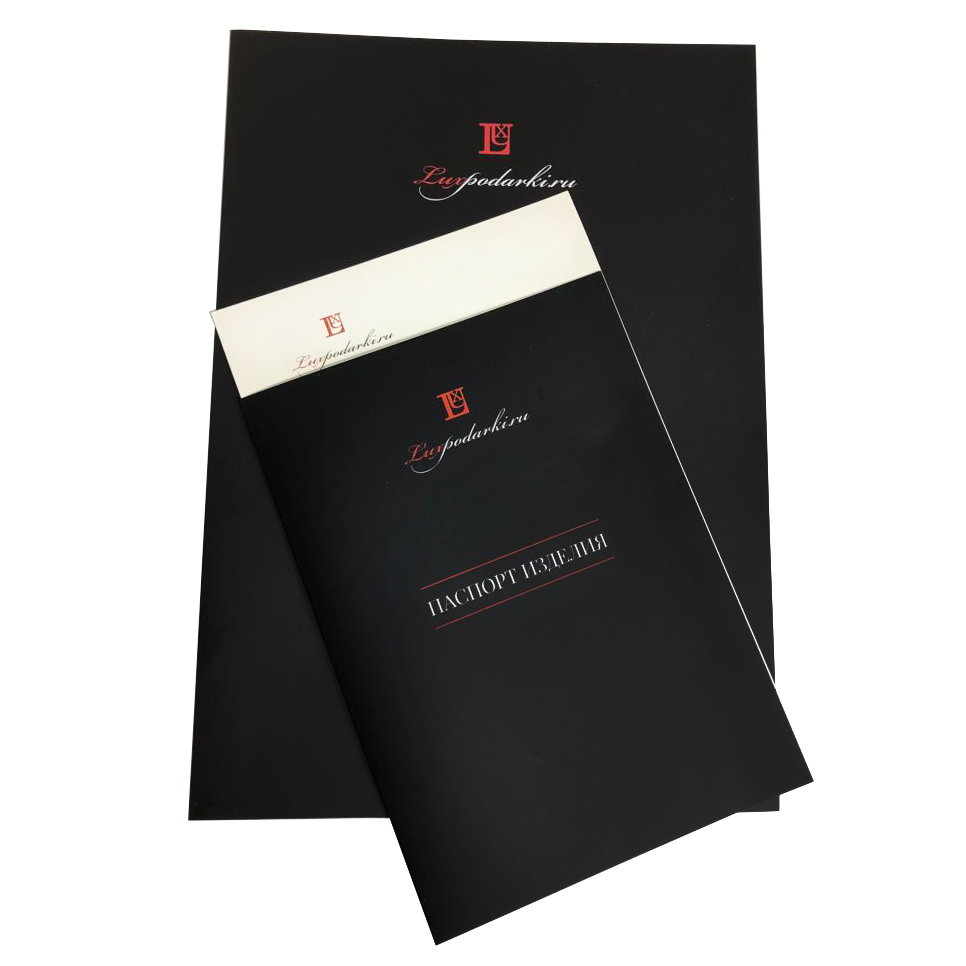
A passport is attached to products that cost more than 10,000 ₽
Вход и регистрация происходит по номеру телефона.

Order No.
The manager will contact you at to confirm the order within 15 minutes during business hours.
Чтобы заказать изделие, заполните форму и отправьте нам. В течение 10 минут в рабочее время специалист свяжется с вами для подтверждения запроса!
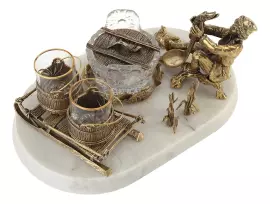
| Изделие: | Статуэтка железнодорожнику «Стрелочник» |
| Количество: | От 1шт. |
| Упаковка: | Стандартная (бесплатно) |
| Услуги: | 2 |
Fill in the form and send it to us — during business hours our specialist will tell you the price within 10 minutes.
Selected item: Art.: