Filters
1
Price , ₽
Подборка
Brand
Country of manufacture
Material
Божество
Религии
Technique of execution
Style
Colour
porcelain
Божества, ангелы, религия
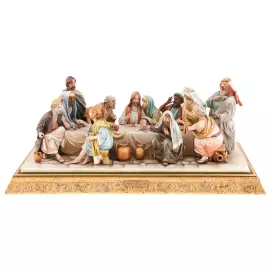
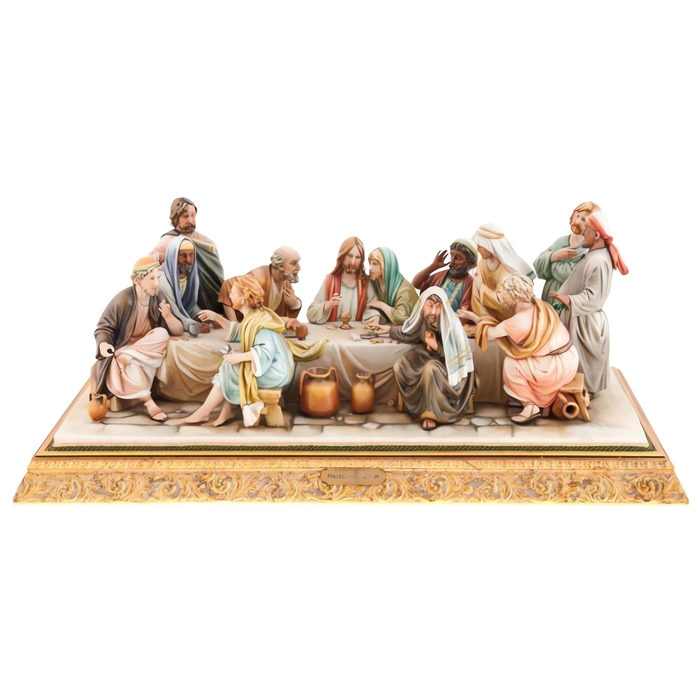
  The Last Supper statuette The Last Supper statuette We present to your attention the statuette "The Last Supper", an exquisite piece of Italian porcelain, embodying deep spirituality and mastery of art. This statuette, made in Italy, is a living reflection of the great Christian tradition and cultural heritage. The richness of the Italian ceramic tradition is felt in every detail of the statuette. Beautifully designed and detailed, it presents the scene of Jesus Christ's last supper with the apostles, bringing to life this key moment of Christian history with unsurpassed artistic precision and emotional depth. The Last Supper is not only a biblical episode, but also a moment filled with deep meaning and symbolism, reflecting the ideals of community, faith and sacrifice. This is the time when Jesus shared with the apostles not only bread and wine, but also his latest teachings, leaving a message of love and unity that has endured for centuries. By purchasing the Last Supper statuette, you bring into your home not only the beauty of Italian art, but also a symbol of faith that will inspire and unite all who share her views. This work is the epitome of religious thought and artistic sophistication, making it a valuable addition to any collection.
1 481 800 ₽
Available in stock
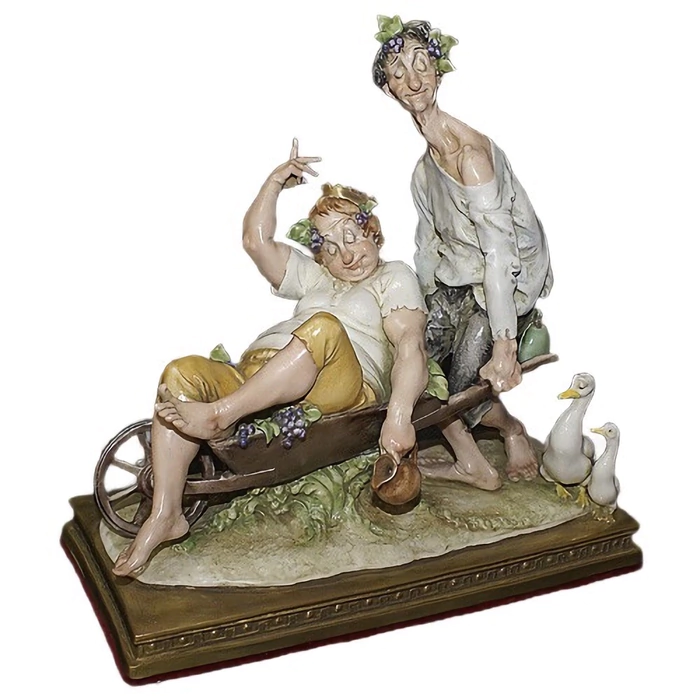
  The statuette "The Triumph of Bacchus" The statuette "The Triumph of Bacchus" Italian sculptor Alessandro Maggoni, having created the Elite & Fabris company in 1972, decided to revive the direction of the art school of Northern Italy. The innovative ideas of Alessandro Maggoni, combined with the craftsmanship of the artisans of Prof. FABRIS, have led to the creation of beautiful porcelain collections that are admired by the whole world. One of the features of Elite & Fabris porcelain products is attention to the smallest details, which are drawn with precision and realism. On the faces of the characters, you can catch the most subtle shades of emotions, their facial expressions are mobile and extremely colorful.
261 100 ₽
Available in stock
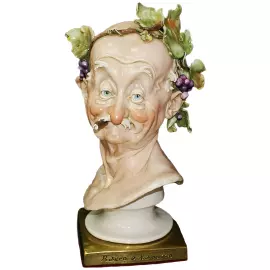
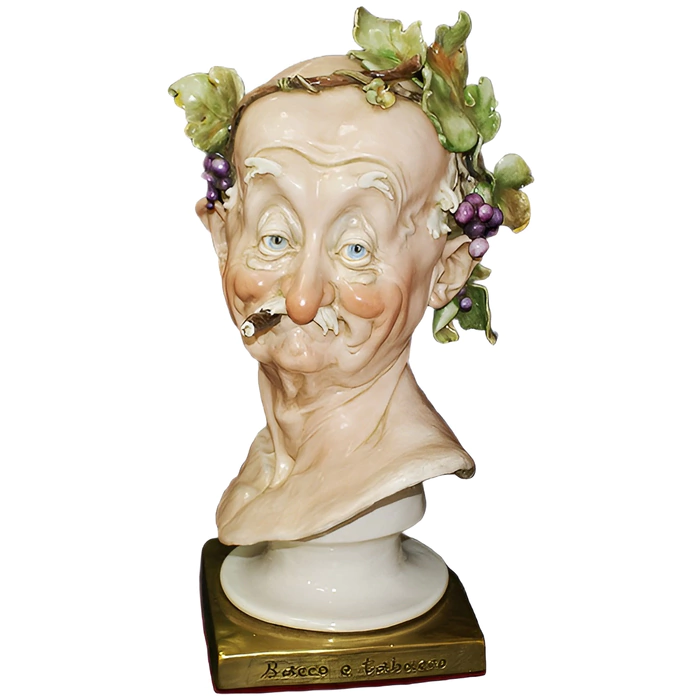
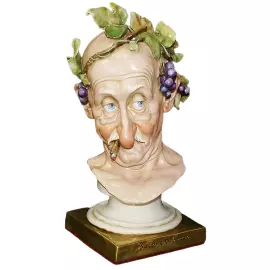
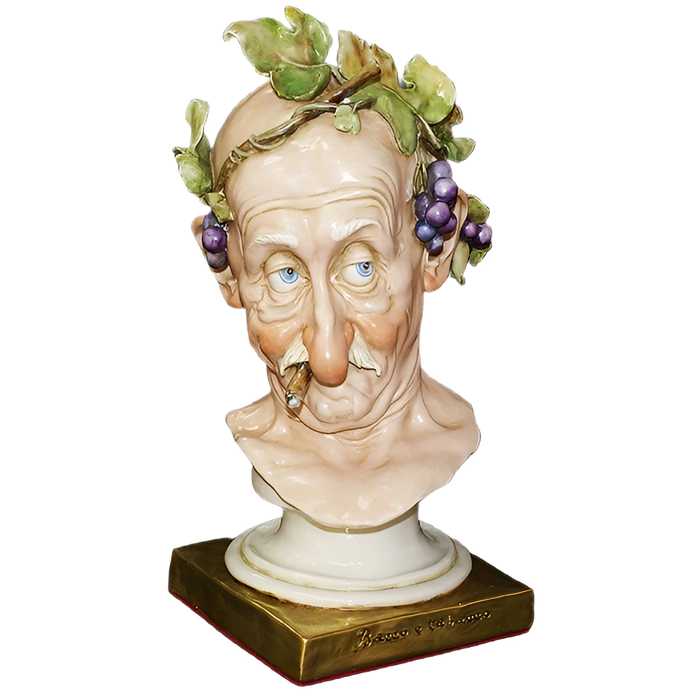
  Statuette "Smoking Bacchus" Statuette "Smoking Bacchus" Italian sculptor Alessandro Maggoni, having created the Elite & Fabris company in 1972, decided to revive the direction of the art school of Northern Italy. The innovative ideas of Alessandro Maggoni, combined with the craftsmanship of the artisans of Prof. FABRIS, have led to the creation of beautiful porcelain collections that are admired by the whole world. One of the features of Elite & Fabris porcelain products is the attention to the smallest details, which are drawn with precision and realism. On the faces of the characters, you can catch the most subtle shades of emotions, their facial expressions are mobile and extremely colorful.
243 500 ₽
Available in stock
  The statuette "Pensive Bacchus" The statuette "Pensive Bacchus" Italian sculptor Alessandro Maggoni, having created the Elite & Fabris company in 1972, decided to revive the direction of the art school of Northern Italy. The innovative ideas of Alessandro Maggoni, combined with the craftsmanship of the artisans of Prof. FABRIS, have led to the creation of beautiful porcelain collections that are admired by the whole world. One of the features of Elite & Fabris porcelain products is attention to the smallest details, which are drawn with precision and realism. On the faces of the characters, you can catch the most subtle shades of emotions, their facial expressions are mobile and extremely colorful.
240 000 ₽
Available in stock
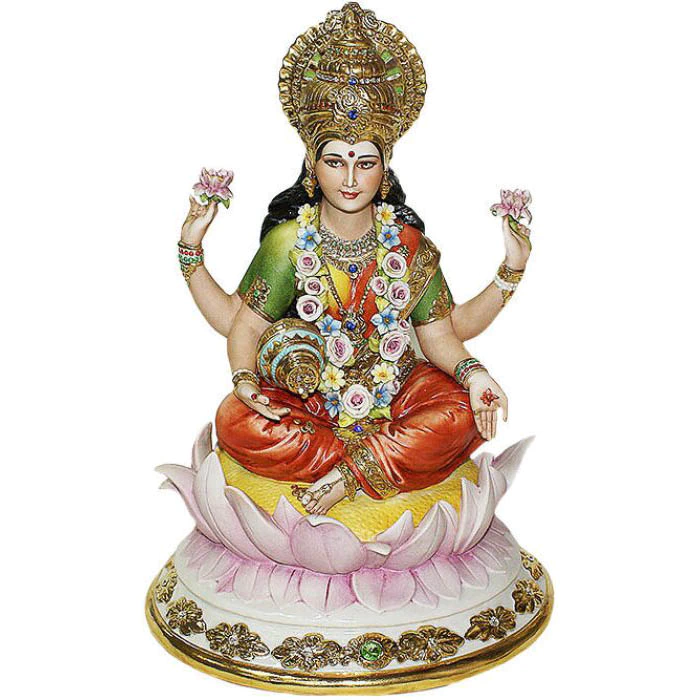
  The statuette "Lakshmi" The statuette "Lakshmi" The Italian porcelain factory Porcellane Principe works in the Neapolitan technique, which appeared in the middle of the XVIII century in Naples. The hands of talented craftsmen turn ordinary clay into animated works of art, and filigree handwork and magnificent artistic taste arouse admiration and a desire to purchase accessories. Porcellane Principe sculptors pass on the secrets of craftsmanship from generation to generation, so the traditions of Neapolitan porcelain technique are enriched with modern techniques. The work of the company's sculptors and artists was greatly influenced by ancient art and the Renaissance era with its magnificent decor, refinement of forms, a riot of colors, love of life and a positive attitude, so Italian porcelain accessories cheer up and cause a smile on your face. Porcellane Principe porcelain products are a wonderful souvenir for lovers of beauty and grace who strive to surround themselves with only beautiful things.
381 100 ₽
Available in stock
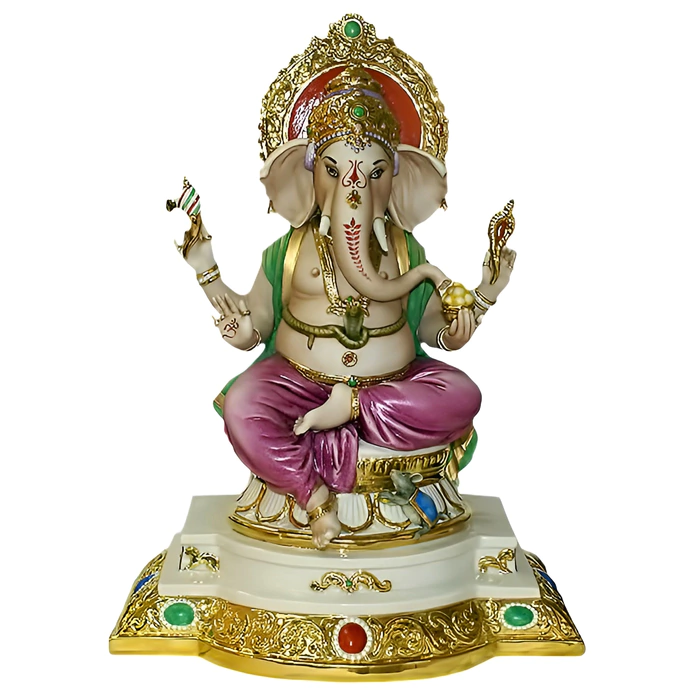
  The statuette "Ganesha is the god of wisdom and well-being" The statuette "Ganesha is the god of wisdom and well-being" The Italian porcelain factory Porcellane Principe works in the Neapolitan technique, which appeared in the middle of the XVIII century in Naples. The hands of talented craftsmen turn ordinary clay into animated works of art, and filigree handwork and magnificent artistic taste arouse admiration and a desire to purchase accessories. Porcellane Principe sculptors pass on the secrets of craftsmanship from generation to generation, so the traditions of Neapolitan porcelain technique are enriched with modern techniques. The work of the company's sculptors and artists was greatly influenced by ancient art and the Renaissance era with its magnificent decor, refinement of forms, a riot of colors, love of life and a positive attitude, so Italian porcelain accessories cheer up and cause a smile on your face. Porcellane Principe porcelain products are a wonderful souvenir for lovers of beauty and grace who strive to surround themselves with only beautiful things.
367 000 ₽
Available in stock
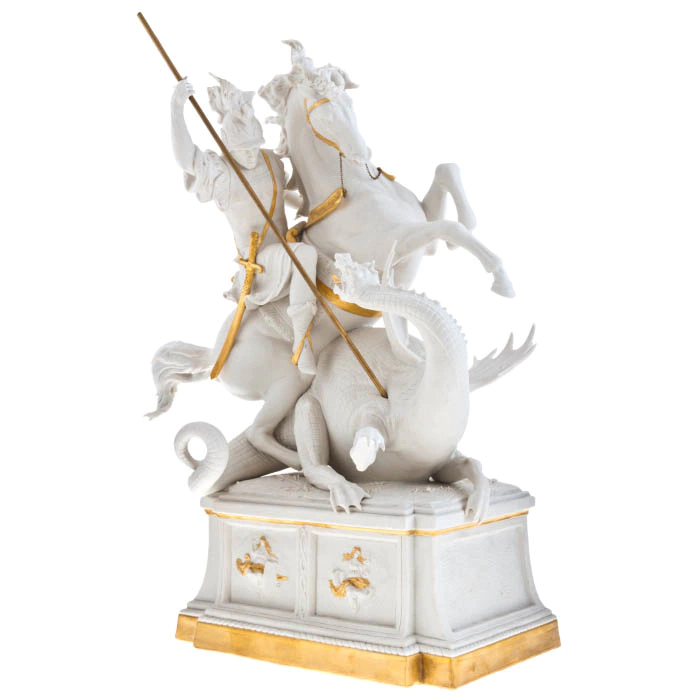
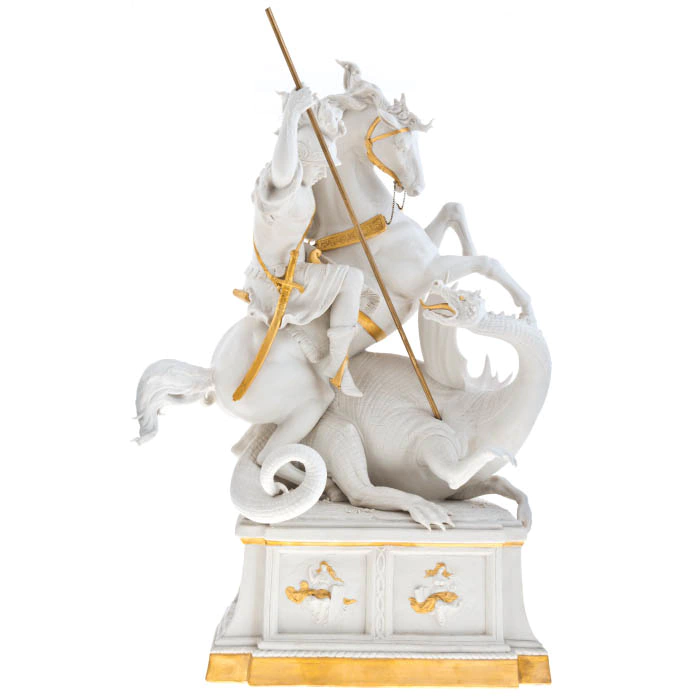
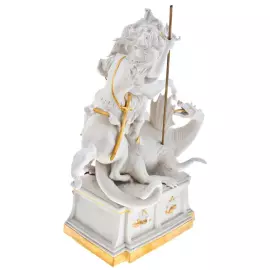
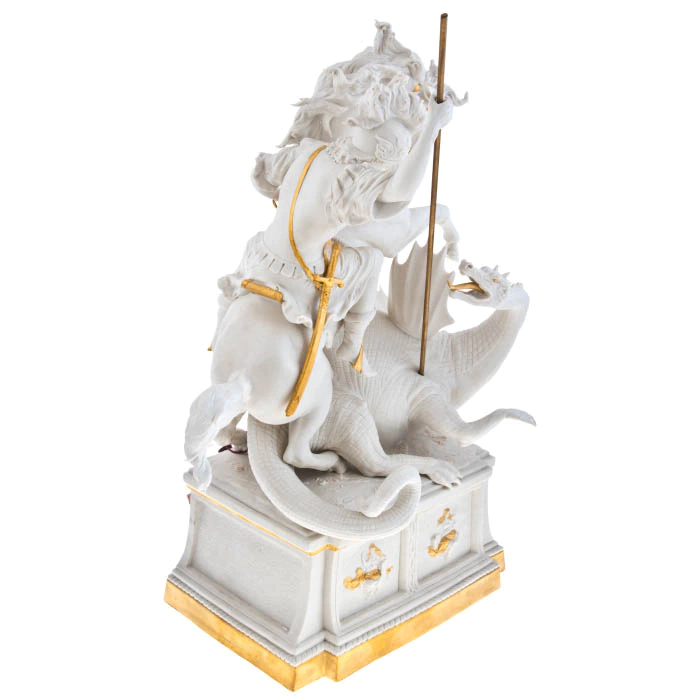
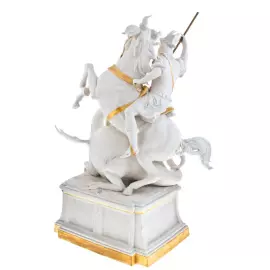
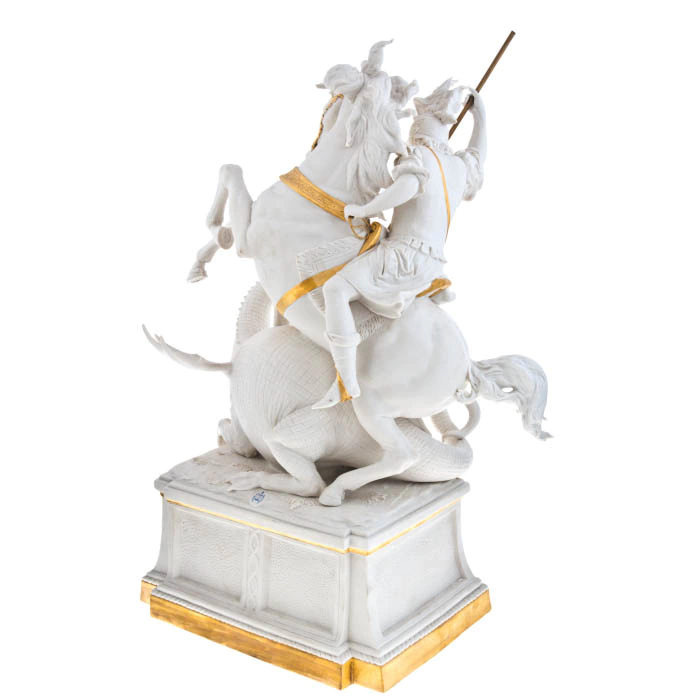
  Porcelain sculpture "George the Victorious" Porcelain sculpture "George the Victorious" St. George is the patron saint of the army. The image of St. George on horseback symbolizes victory over the devil— the "ancient serpent." This image was included in the ancient coat of arms of the city of Moscow. The Great Martyr George was the son of rich and pious parents who raised him in the Christian faith. He was born in the city of Beirut (in ancient times — Belit), at the foot of the Lebanese Mountains. Having entered military service, the Great Martyr George stood out among other soldiers for his intelligence, bravery, physical strength, military bearing and beauty. Having soon reached the rank of commander of thousands, St. George became a favorite of Emperor Diocletian. Diocletian was a talented ruler, but a fanatical follower of the Roman gods. Having set himself the goal of reviving the dying paganism in the Roman Empire, he went down in history as one of the most brutal persecutors of Christians. Having once heard in court the inhuman verdict of the extermination of Christians, St. George was inflamed with compassion for them. Anticipating that suffering awaited him too, George distributed his possessions to the poor, set his slaves free, went to Diocletian and, declaring himself a Christian, denounced him of cruelty and injustice. St. George's speech was full of strong and convincing objections to the imperial order to persecute Christians. After fruitless persuasions to renounce Christ, the emperor ordered the saint to be subjected to various tortures. St. George was imprisoned, where he was laid with his back to the ground, his feet were put in stocks, and a heavy stone was placed on his chest. But St. George courageously endured suffering and glorified the Lord. Then George's tormentors began to become more sophisticated in cruelty. They beat the saint with ox veins, charioted him, threw him into quicklime, and forced him to run in boots with sharp nails inside. The Holy martyr endured everything patiently. In the end, the emperor ordered the saint's head to be cut off with a sword. So the holy sufferer departed to Christ in Nicomedia in 303. The Great Martyr George is also called the Victorious for his courage and spiritual victory over the tormentors who could not force him to renounce Christianity, as well as for his miraculous help to people in danger. The relics of St. George the Victorious were laid in the Palestinian city of Lida, in the temple bearing his name, and his head was kept in Rome in a temple also dedicated to him. On the icons, St. George is depicted sitting on a white horse and striking a serpent with a spear. The Italian porcelain factory Porcellane Principe uses Neapolitan technology, which appeared in the middle of the XVIII century in Naples. The hands of talented craftsmen transform ordinary clay into animated works of art, and the filigree handwork and magnificent artistic taste arouse admiration and desire to purchase accessories. Porcellane Principe sculptors pass on the secrets of craftsmanship from generation to generation, so the traditions of Neapolitan porcelain techniques are enriched with modern techniques. The work of the company's sculptors and artists was greatly influenced by ancient art and the Renaissance era with its magnificent decor, refinement of forms, riot of colors, love of life and a positive attitude, so Italian porcelain accessories cheer up and make a smile on your face. Porcellane Principe porcelain products are a wonderful souvenir for lovers of beauty and grace who strive to surround themselves with only beautiful things.
458 700 ₽
Available in stock
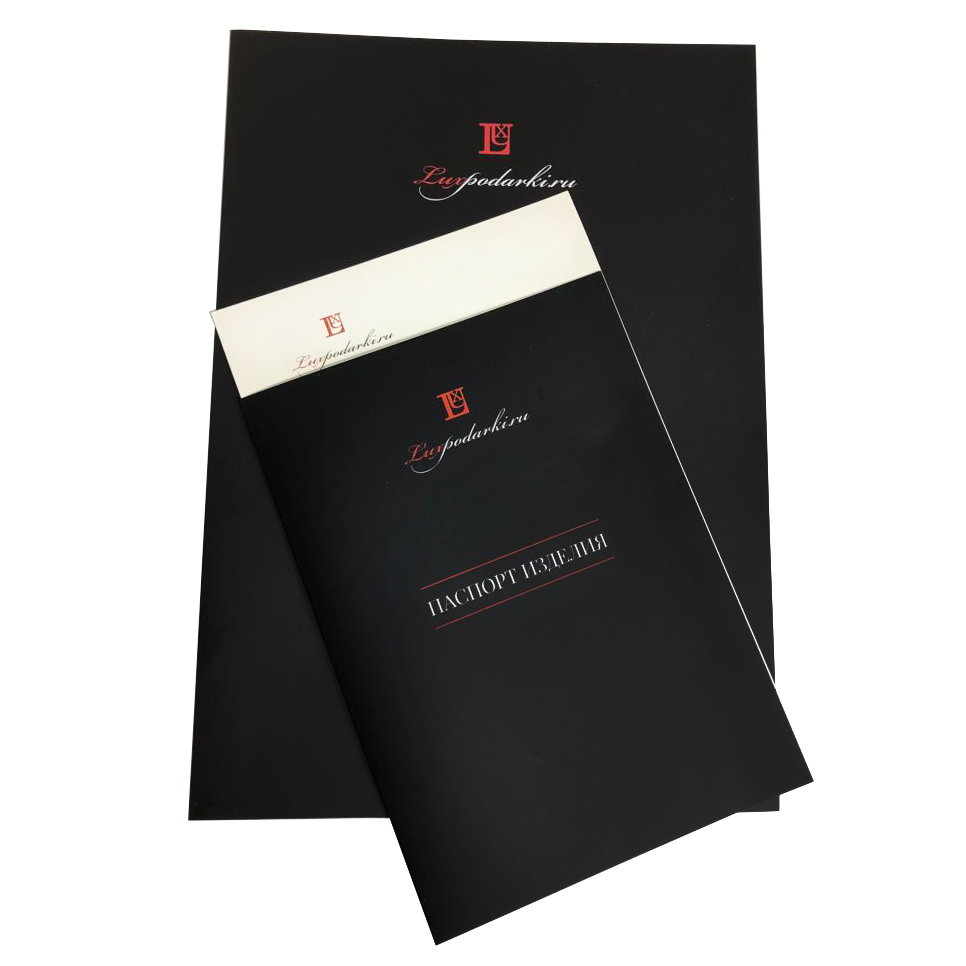
Product passport

A passport is attached to products that cost more than 10,000 ₽:
Engravement of the nameplate
30
30
30
30

How is it more convenient for you to contact us?