



Top.Mail.Ru
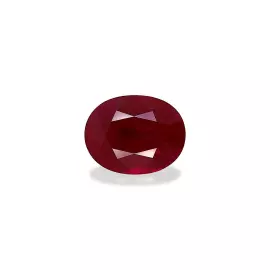
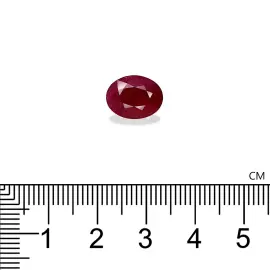
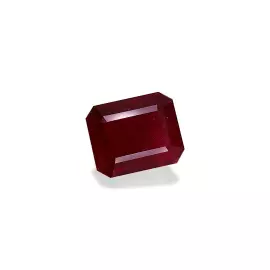
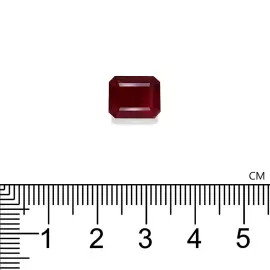
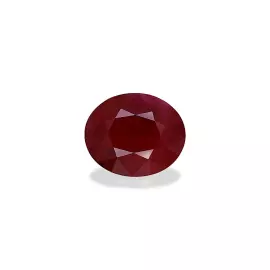
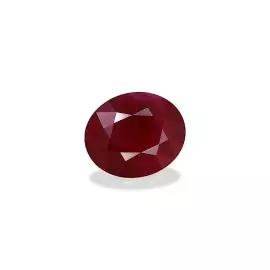
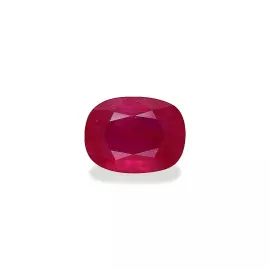
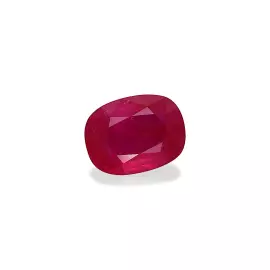
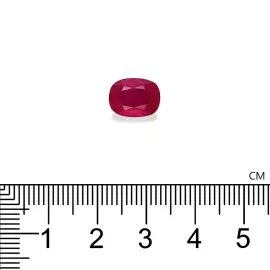
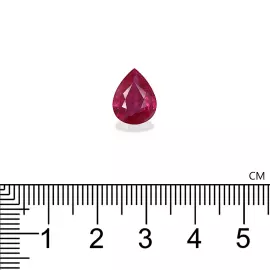
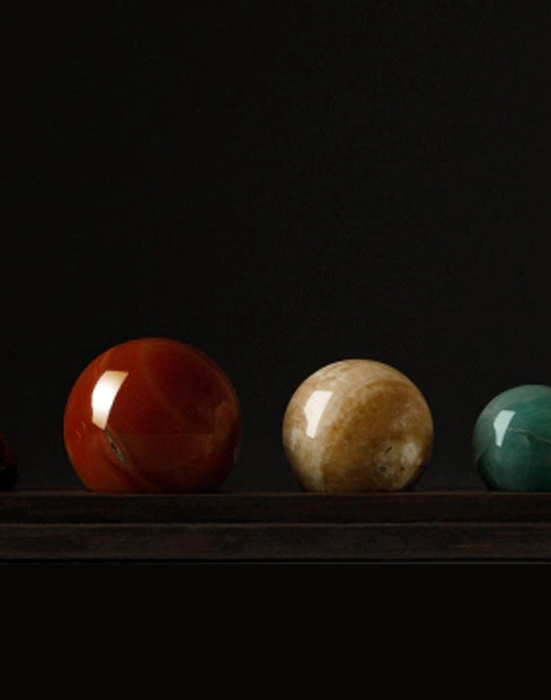
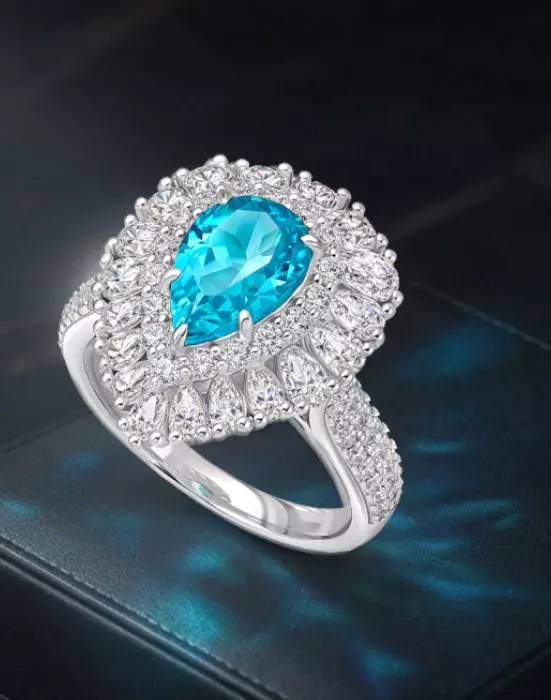
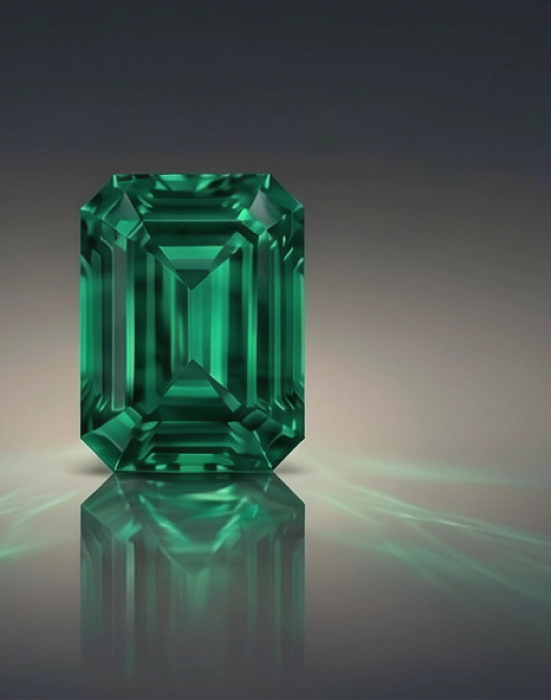
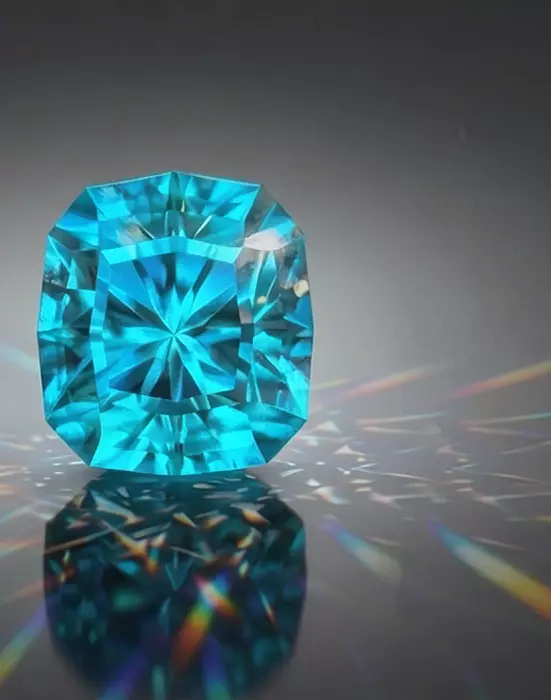
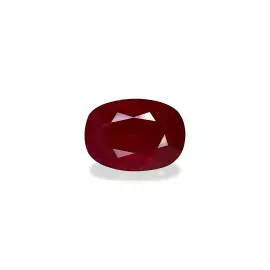
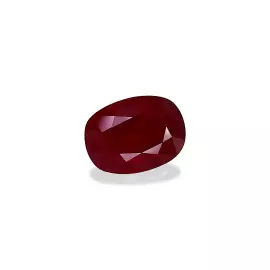
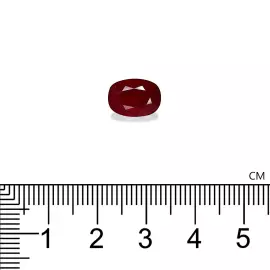
Green Mozambique Paraiba Tourmaline 13.13 Carats – 15 mm
Art. : 434-263
Available in stock
257 600 ₽
Add a gift label
Engraving on the nameplate (1500 ₽)
Wrapping
Standard packaging (free )
Delivery options
Moscow :
Worldwide :
  • Delivery by a transport company in the shortest possible time
  • VIP air delivery
  • Delivery rates
About this product
Art. : 434-263
Paraiba tourmaline is a rare, unique and vibrant gemstone discovered in Brazil in the 1980s. It is valued for its neon blue and green shades, as well as for its copper and manganese content, which distinguishes it from other types of tourmaline.

The value of Paraibo tourmaline is estimated based on color saturation, purity, cut and weight in carats, while neon blue, high saturation, fewer inclusions and a larger size are considered the most desirable.

There is disagreement in the jewelry industry about whether the term "Paraibo tourmaline" should be limited to stones from a Brazilian deposit or also include stones from Nigeria and Mozambique, as this may affect the value of the gemstone.

The value of paraiba tourmaline is determined by four parameters: color, purity, cut and weight in carats. The cost estimate also takes into account the origin and any processing performed. The weight in carats, especially for paraiba tourmalines, plays an important role, as it significantly affects the assessment of the overall quality of this special gemstone.

Prized for its stunningly bright neon blue and green shades (due to copper and manganese), Paraiba tourmaline stands out among other varieties of this precious mineral. These mesmerizing shades range from bright blue to a delicate mint green, presenting a fascinating sight for both the eyes and the scientific mind.
Paraiba tourmaline is a rare, unique and vibrant gemstone discovered in Brazil in the 1980s. It is valued for its neon blue and green shades, as well as for its copper and manganese content, which distinguishes it from other types of tourmaline.

The value of Paraibo tourmaline is estimated based on color saturation, purity, cut and weight in carats, while neon blue, high saturation, fewer inclusions and a larger size are considered the most desirable.

There is disagreement in the jewelry industry about whether the term "Paraibo tourmaline" should be limited to stones from a Brazilian deposit or also include stones from Nigeria and Mozambique, as this may affect the value of the gemstone.

The value of paraiba tourmaline is determined by four parameters: color, purity, cut and weight in carats. The cost estimate also takes into account the origin and any processing performed. The weight in carats, especially for paraiba tourmalines, plays an important role, as it significantly affects the assessment of the overall quality of this special gemstone.

Prized for its stunningly bright neon blue and green shades (due to copper and manganese), Paraiba tourmaline stands out among other varieties of this precious mineral. These mesmerizing shades range from bright blue to a delicate mint green, presenting a fascinating sight for both the eyes and the scientific mind.
Expand
Characteristics
Country of manufacture:
Material:
: , , , , , ,
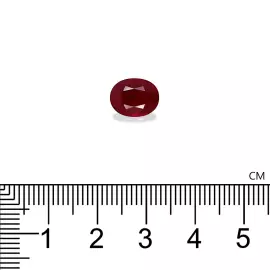
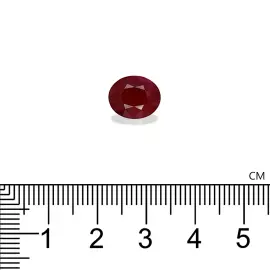
Sizes: 1.515 × 1.508 × 0.878 cm .
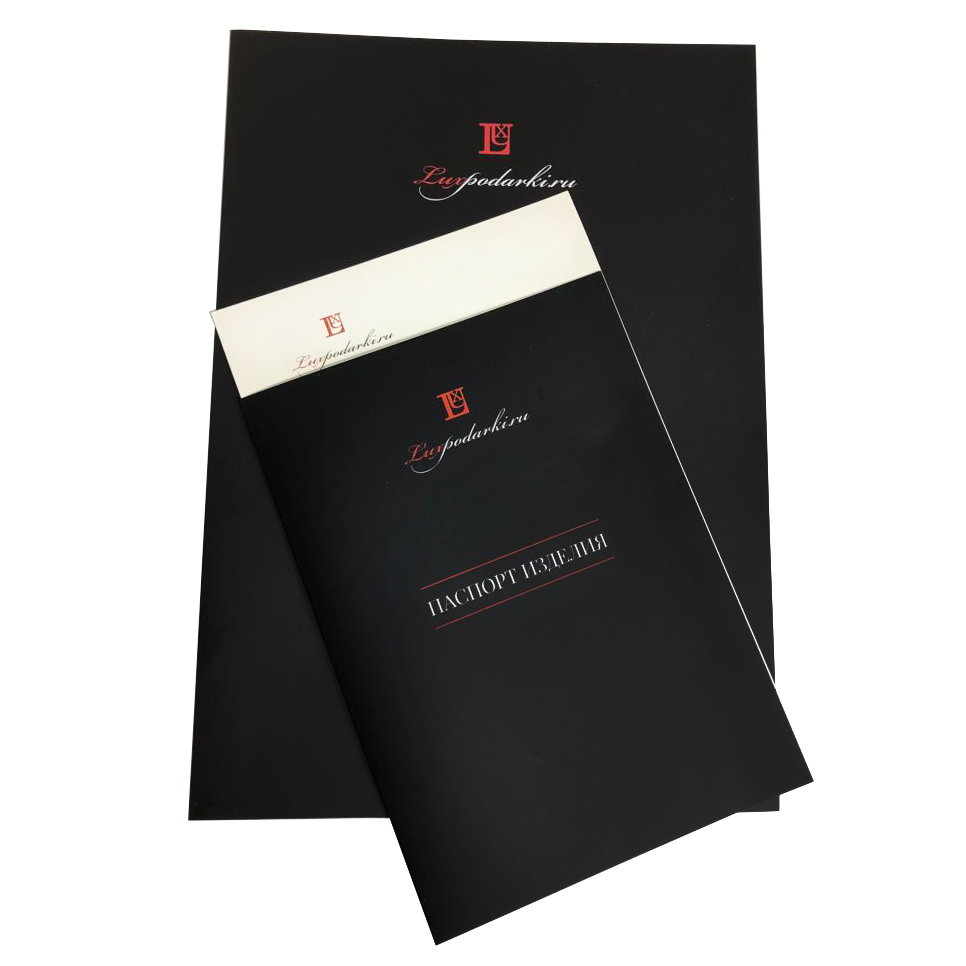
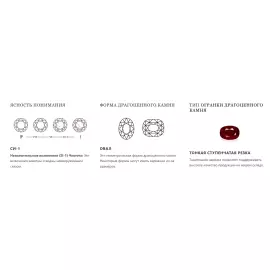
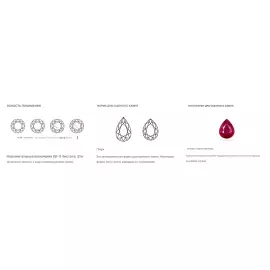
You will receive a passport with this product.

Similar products

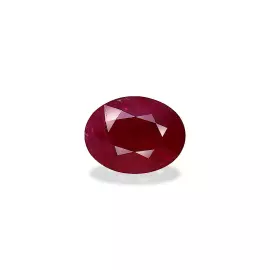
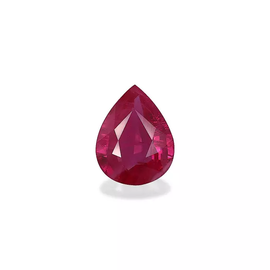
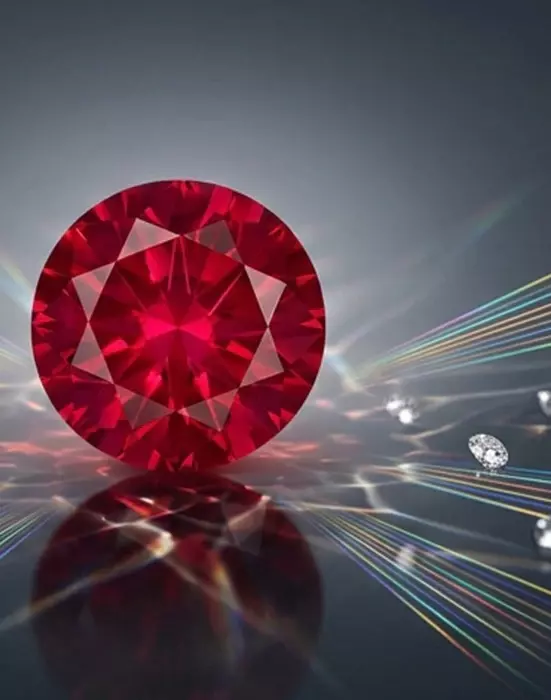
  Red Burmese ruby 3.34 carats Red Burmese ruby 3.34 carats Ruby is a pink to blood—red gemstone, a type of the mineral corundum (aluminum oxide). Other varieties of jewelry-grade corundum are called sapphires. Ruby is considered one of the four precious stones along with sapphire, emerald and diamond. The word "ruby" comes from the Latin ruber, which means "red". The ruby's color is due to traces of chromium in its composition. Some cabochon-cut rubies have a star shape due to the reflection of light. Rubies were used as currency and jewelry as early as 600 BC. Rubies were found in Sri Lanka as early as 300 BC, but until the XVIII century AD, most of them were mined in Burma. The Burmese ruby is considered the most expensive red gemstone in the world after red diamonds. The hardness of ruby on the Mohs scale is 9. Burma is the oldest source of rubies, and it was very difficult to get them in good quality. Due to the chromium content, Burmese rubies have a fluorescent glow. Burmese rubies are still considered one of the most expensive gems in the world.
815 700 ₽
Available in stock
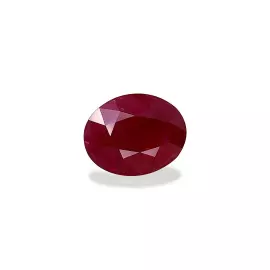
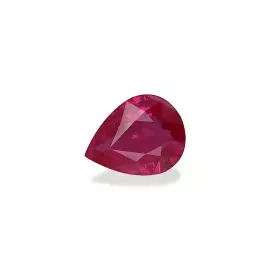
  Red Burmese Ruby 3.67 carats Red Burmese Ruby 3.67 carats Ruby is a pink to blood—red gemstone, a type of the mineral corundum (aluminum oxide). Other varieties of jewelry-grade corundum are called sapphires. Ruby is considered one of the four precious stones along with sapphire, emerald and diamond. The word "ruby" comes from the Latin ruber, which means "red". The ruby's color is due to traces of chromium in its composition. Some cabochon-cut rubies have a star shape due to the reflection of light. Rubies were used as currency and jewelry as early as 600 BC. Rubies were found in Sri Lanka as early as 300 BC, but until the XVIII century AD, most of them were mined in Burma. The Burmese ruby is considered the most expensive red gemstone in the world after red diamonds. The hardness of ruby on the Mohs scale is 9. Burma is the oldest source of rubies, and it was very difficult to get them in good quality. Due to the chromium content, Burmese rubies have a fluorescent glow. Burmese rubies are still considered one of the most expensive gems in the world.
601 000 ₽
Available in stock
  Red Burmese Ruby 3.07 carats Red Burmese Ruby 3.07 carats Ruby is a pink to blood—red gemstone, a type of the mineral corundum (aluminum oxide). Other varieties of jewelry-grade corundum are called sapphires. Ruby is considered one of the four precious stones along with sapphire, emerald and diamond. The word "ruby" comes from the Latin ruber, which means "red". The ruby's color is due to traces of chromium in its composition. Some cabochon-cut rubies have a star shape due to the reflection of light. Rubies were used as currency and jewelry as early as 600 BC. Rubies were found in Sri Lanka as early as 300 BC, but until the XVIII century AD, most of them were mined in Burma. The Burmese ruby is considered the most expensive red gemstone in the world after red diamonds. The hardness of ruby on the Mohs scale is 9. Burma is the oldest source of rubies, and it was very difficult to get them in good quality. Due to the chromium content, Burmese rubies have a fluorescent glow. Burmese rubies are still considered one of the most expensive gems in the world.
508 000 ₽
Available in stock
  Red Burmese Ruby 3.7 carats Red Burmese Ruby 3.7 carats Ruby is a pink to blood—red gemstone, a type of the mineral corundum (aluminum oxide). Other varieties of jewelry-grade corundum are called sapphires. Ruby is considered one of the four precious stones along with sapphire, emerald and diamond. The word "ruby" comes from the Latin ruber, which means "red". The ruby's color is due to traces of chromium in its composition. Some cabochon-cut rubies have a star shape due to the reflection of light. Rubies were used as currency and jewelry as early as 600 BC. Rubies were found in Sri Lanka as early as 300 BC, but until the XVIII century AD, most of them were mined in Burma. The Burmese ruby is considered the most expensive red gemstone in the world after red diamonds. The hardness of ruby on the Mohs scale is 9. Burma is the oldest source of rubies, and it was very difficult to get them in good quality. Due to the chromium content, Burmese rubies have a fluorescent glow. Burmese rubies are still considered one of the most expensive gems in the world.
608 200 ₽
Available in stock
  Red Burmese Ruby 3.88 carats Red Burmese Ruby 3.88 carats Ruby is a pink to blood—red gemstone, a type of the mineral corundum (aluminum oxide). Other varieties of jewelry-grade corundum are called sapphires. Ruby is considered one of the four precious stones along with sapphire, emerald and diamond. The word "ruby" comes from the Latin ruber, which means "red". The ruby's color is due to traces of chromium in its composition. Some cabochon-cut rubies have a star shape due to the reflection of light. Rubies were used as currency and jewelry as early as 600 BC. Rubies were found in Sri Lanka as early as 300 BC, but until the XVIII century AD, most of them were mined in Burma. The Burmese ruby is considered the most expensive red gemstone in the world after red diamonds. The hardness of ruby on the Mohs scale is 9. Burma is the oldest source of rubies, and it was very difficult to get them in good quality. Due to the chromium content, Burmese rubies have a fluorescent glow. Burmese rubies are still considered one of the most expensive gems in the world.
636 800 ₽
Available in stock
  Red Burmese Ruby 3.56 carats Red Burmese Ruby 3.56 carats Ruby is a pink to blood—red gemstone, a type of the mineral corundum (aluminum oxide). Other varieties of jewelry-grade corundum are called sapphires. Ruby is considered one of the four precious stones along with sapphire, emerald and diamond. The word "ruby" comes from the Latin ruber, which means "red". The ruby's color is due to traces of chromium in its composition. Some cabochon-cut rubies have a star shape due to the reflection of light. Rubies were used as currency and jewelry as early as 600 BC. Rubies were found in Sri Lanka as early as 300 BC, but until the XVIII century AD, most of them were mined in Burma. The Burmese ruby is considered the most expensive red gemstone in the world after red diamonds. The hardness of ruby on the Mohs scale is 9. Burma is the oldest source of rubies, and it was very difficult to get them in good quality. Due to the chromium content, Burmese rubies have a fluorescent glow. Burmese rubies are still considered one of the most expensive gems in the world.
586 700 ₽
Available in stock
  Pink Burmese Ruby 3.05 carats Pink Burmese Ruby 3.05 carats Ruby is a pink to blood—red gemstone, a type of the mineral corundum (aluminum oxide). Other varieties of jewelry-grade corundum are called sapphires. Ruby is considered one of the four precious stones along with sapphire, emerald and diamond. The word "ruby" comes from the Latin ruber, which means "red". The ruby's color is due to traces of chromium in its composition. Some cabochon-cut rubies have a star shape due to the reflection of light. Rubies were used as currency and jewelry as early as 600 BC. Rubies were found in Sri Lanka as early as 300 BC, but until the XVIII century AD, most of them were mined in Burma. The Burmese ruby is considered the most expensive red gemstone in the world after red diamonds. The hardness of ruby on the Mohs scale is 9. Burma is the oldest source of rubies, and it was very difficult to get them in good quality. Due to the chromium content, Burmese rubies have a fluorescent glow. Burmese rubies are still considered one of the most expensive gems in the world.
744 100 ₽
Available in stock
  Pink Burmese Ruby 3.3 carats Pink Burmese Ruby 3.3 carats Ruby is a pink to blood—red gemstone, a type of the mineral corundum (aluminum oxide). Other varieties of jewelry-grade corundum are called sapphires. Ruby is considered one of the four precious stones along with sapphire, emerald and diamond. The word "ruby" comes from the Latin ruber, which means "red". The ruby's color is due to traces of chromium in its composition. Some cabochon-cut rubies have a star shape due to the reflection of light. Rubies were used as currency and jewelry as early as 600 BC. Rubies were found in Sri Lanka as early as 300 BC, but until the XVIII century AD, most of them were mined in Burma. The Burmese ruby is considered the most expensive red gemstone in the world after red diamonds. The hardness of ruby on the Mohs scale is 9. Burma is the oldest source of rubies, and it was very difficult to get them in good quality. Due to the chromium content, Burmese rubies have a fluorescent glow. Burmese rubies are still considered one of the most expensive gems in the world.
608 200 ₽
Available in stock
Product passport

A passport is attached to products that cost more than 10,000 ₽:

Delivery rates
Moscow
Pickup from the gallery free
In the next day (27 May) 300 ₽
On the day of the order (26 May) 400 ₽
Within 2 hours (26 May) Check with the manager
Evening delivery (26 May) Check with the manager
Beyond the Moscow Ring Road
up to 6 km from MKAD (26 May) 600 ₽
from 6 to 10 from MKAD (26 May) 900 ₽
Over 10 km from MKAD (26 May) Check with the manager
To other cities
VIP, by courier (today)(26 May, today) from 3 000 ₽ (check with the manager)
The transport company according to the tariff of the TC
SDEK - Pick-up points, courier delivery to the door Check with the manager
Delovye Linii - Pick-up points, courier delivery to the door Check with the manager
Russian Post - to the post office (Pick-up points), courier delivery to the door Check with the manager

Courier delivery is carried out when ordering for a total amount of 5000 ₽

Available in galleries
 
Engravement of the nameplate
30
30
30
30

How is it more convenient for you to contact us?