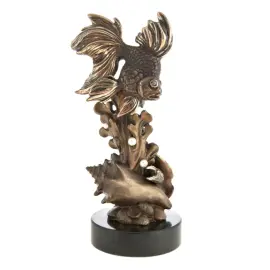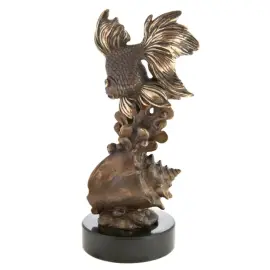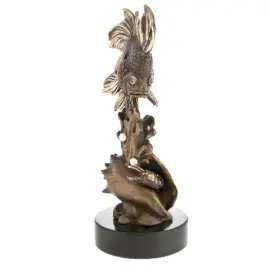





























































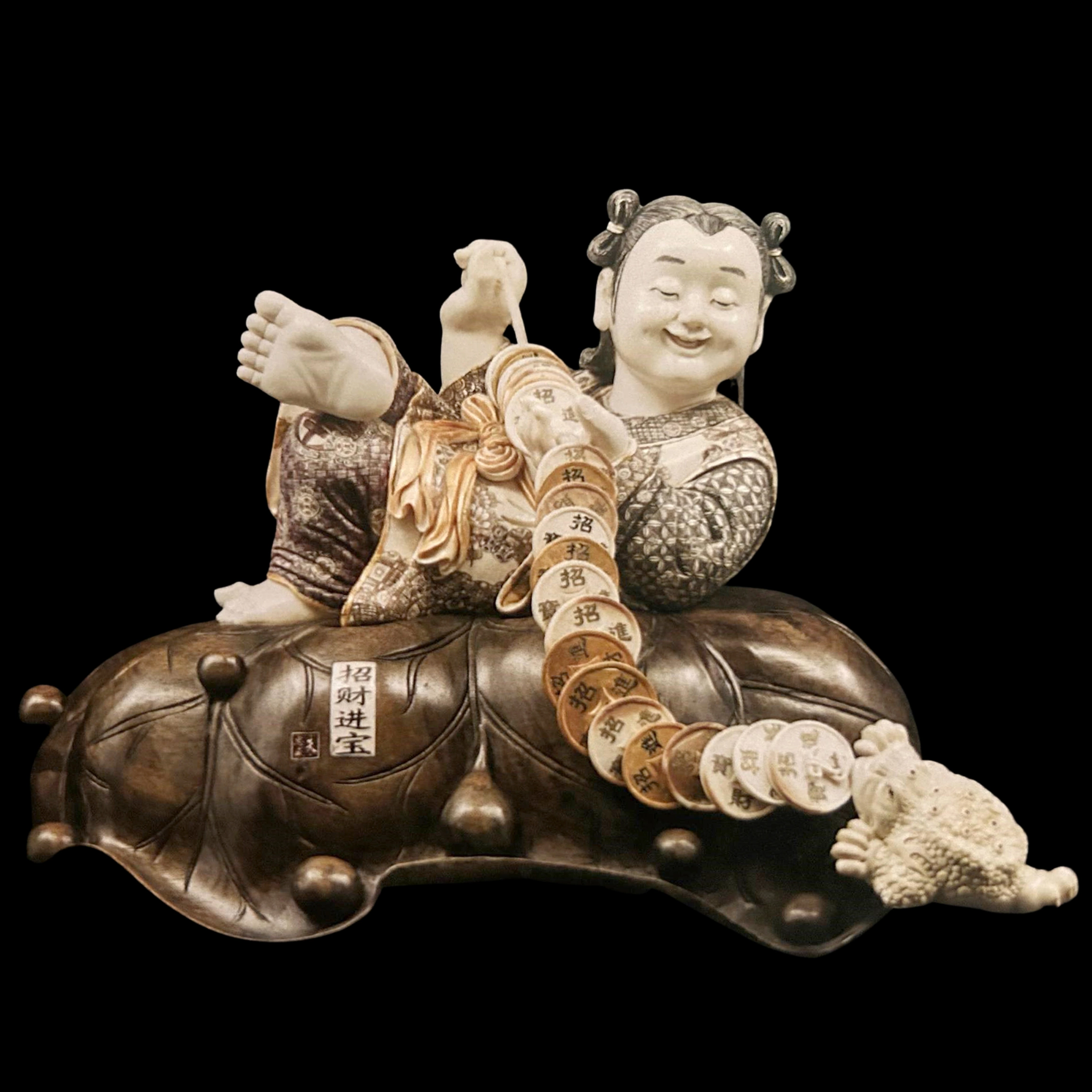
Mammoth tusk composition "Liu Hai catches a golden toad" small
13 455 000 ₽
0
Add a gift label
Engraving on the nameplate 1500 ₽
Delivery options
Worldwide
Delivery by a transport company in the shortest possible time
VIP air delivery
Delivery rates
About this product
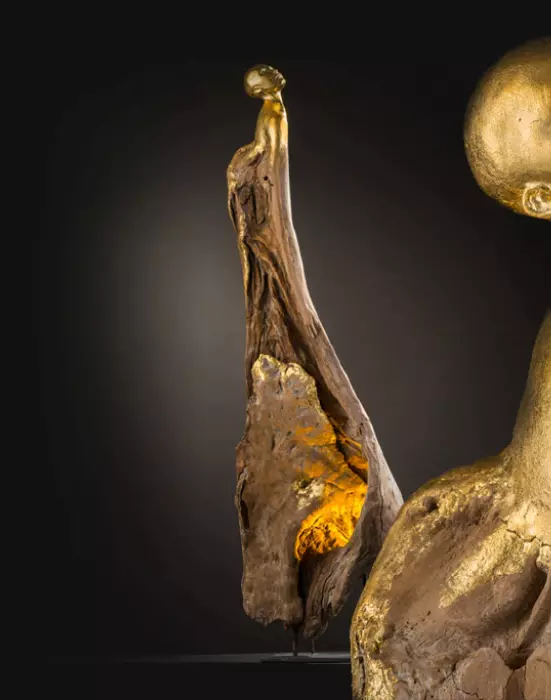
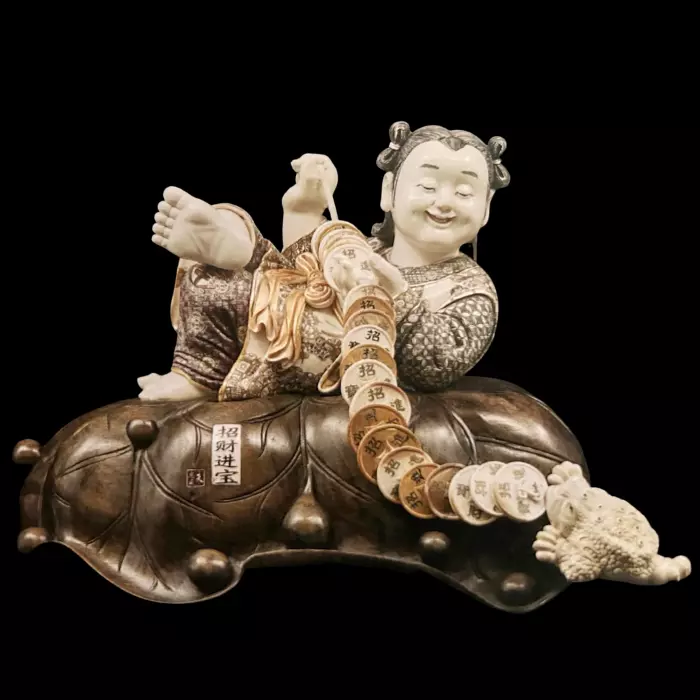
The mammoth tusk composition "Liu Hai catches a golden toad" refers to one of the most recognizable plots of Chinese mythology associated with attracting wealth and good luck. Liu Hai is a character in Taoist legends who is traditionally portrayed as a cheerful and slightly mischievous sage. His image symbolizes lightness of mind, ingenuity and the ability to attract prosperity.
Legend has it that Liu Hai once met a magical three-legged toad with the ability to bring wealth. To catch her, he used a bunch of gold coins as bait. In Chinese culture, this story has become a symbol of how luck and prosperity come to a person who knows how to act with wisdom and playful resourcefulness.
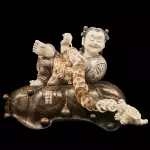
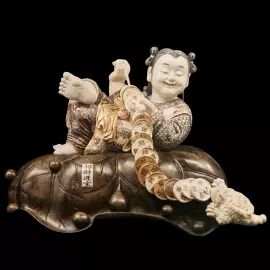
In the composition, Liu Hai is depicted in a relaxed pose, with a slight smile and a calm expression on his face. He holds a long bundle of ancient coins strung on a cord that gently fall down. At the end of this chain is the golden toad, a mythical creature considered one of the most powerful symbols of monetary luck in the Chinese tradition. The three-legged toad is associated with the legends of heavenly treasures and is considered the guardian of wealth.
The figure of Liu Hai is located on a large lotus leaf. The lotus in Eastern philosophy is a symbol of purity, spiritual balance and harmony. Rising from the water, he reminds of the ability to maintain clarity and inner strength even in the midst of life's challenges.
The carving on the mammoth tusk is executed with exceptional precision. The master conveyed the soft folds of clothing, expressive facial features, the finest details of ancient coins and the texture of a lotus leaf. This makes the composition look lively and dynamic, as if a fragment of an ancient legend is unfolding in front of the viewer.
This work is perceived as an artistic wish for well-being, good luck and material prosperity. The image of Liu Hai and the golden toad in Chinese culture reminds us that wealth comes to those who combine wisdom, lightness of character and the ability to enjoy life.
Characteristics
- Country of manufacture:
- China
- Material:
- the mammoth tusk, The ebony tree
- Technique of execution:
- Beijing bone carving
- Sizes:
- 45 × 30 × 35 cm.
- Weight:
- 4.24 kg.
Similar products