












































Nothing was found for your request. Try to change the wording or go to the Catalog
Also you may call +7 (495) 927 60 67 and we will help you choose the best gift.
Nothing was found for your request. Try to change the wording or go to the Catalog
Also you may call +7 (495) 927 60 67 and we will help you choose the best gift.
Catalog
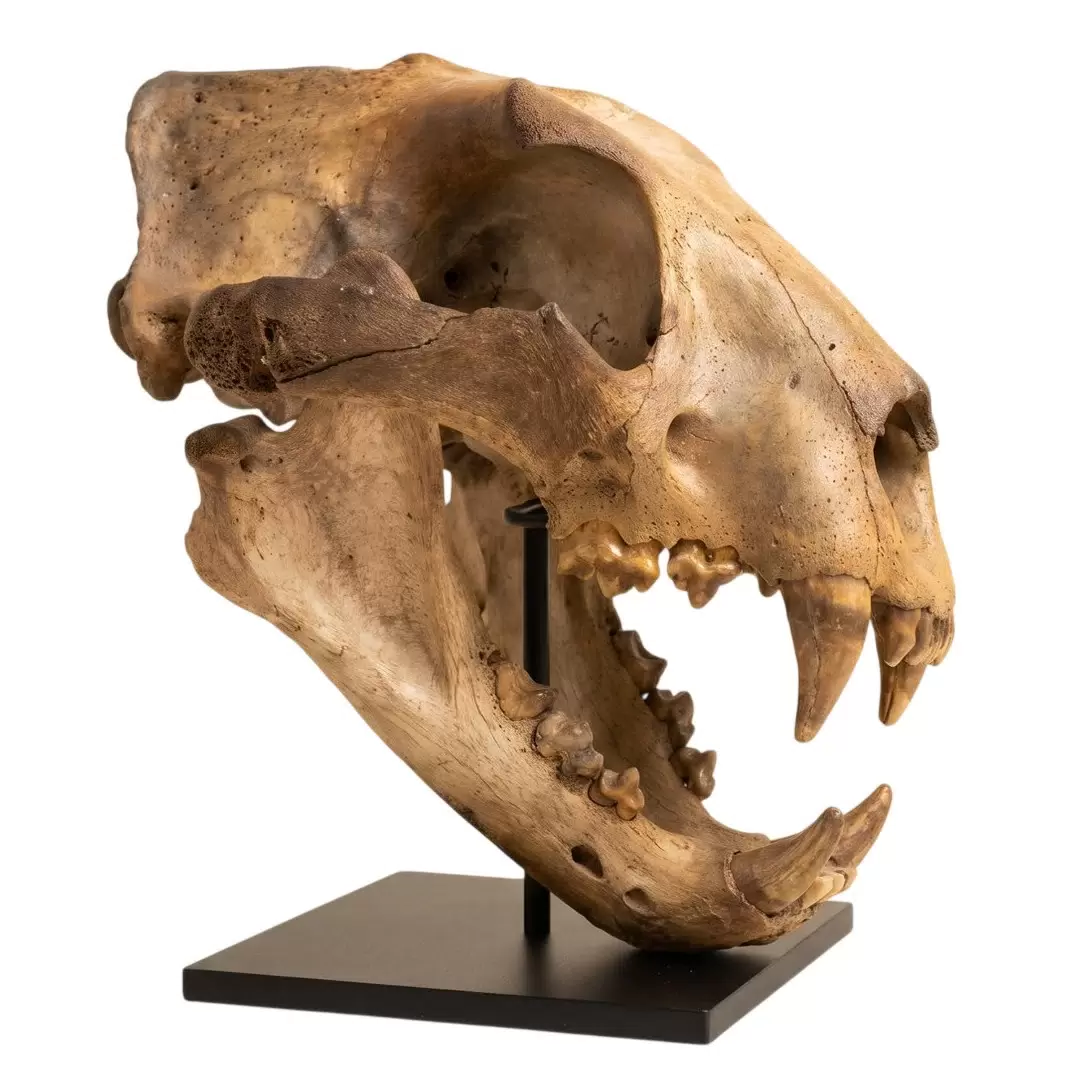
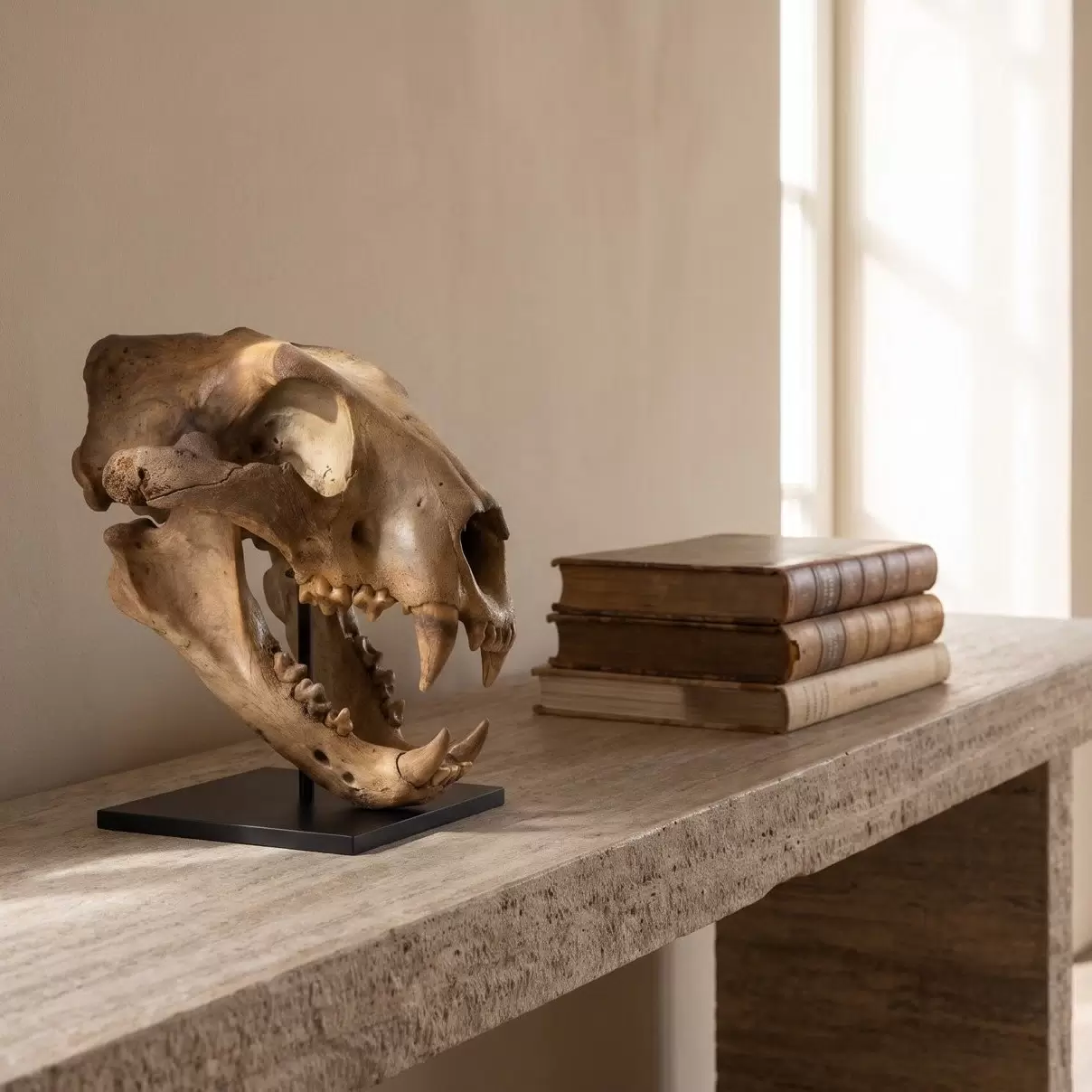
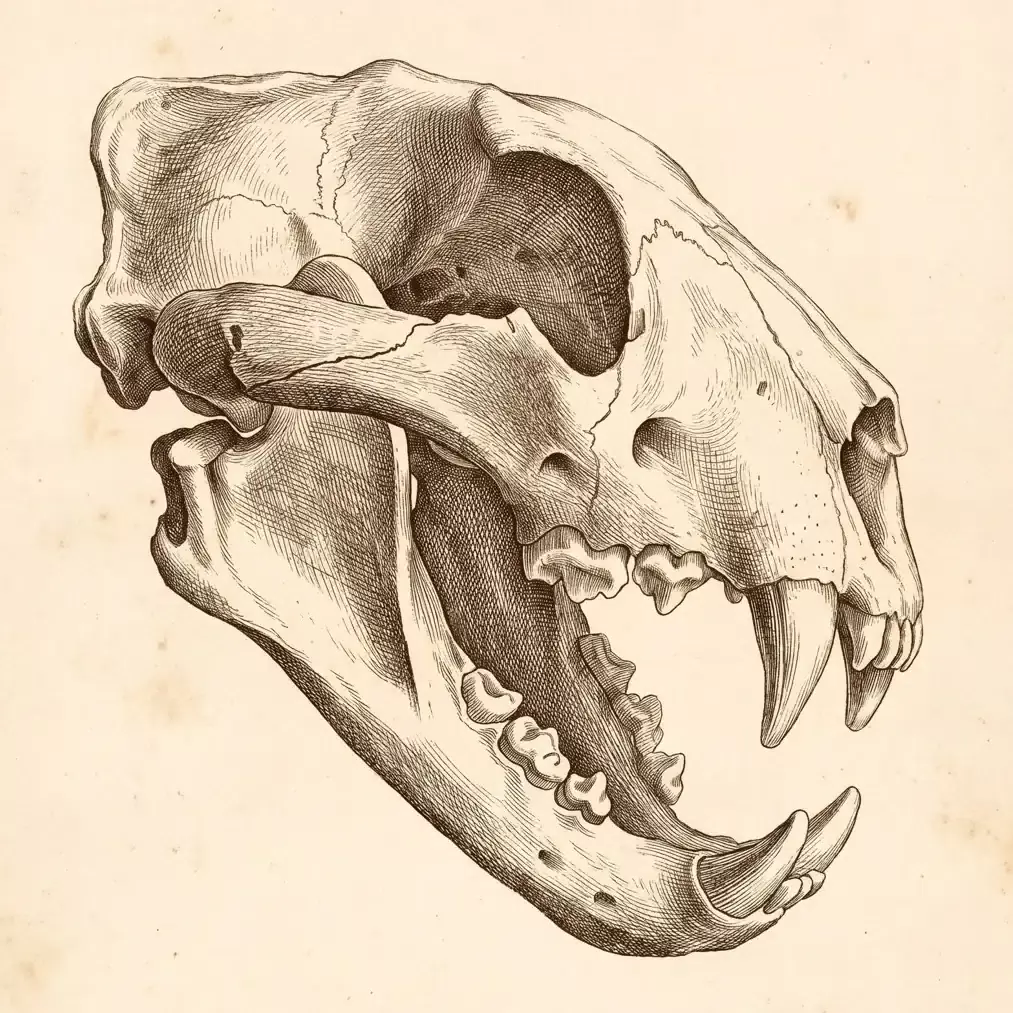

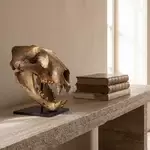
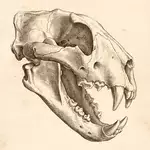

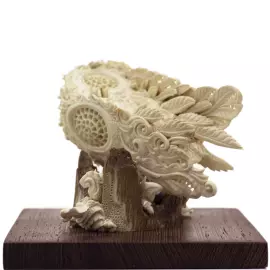
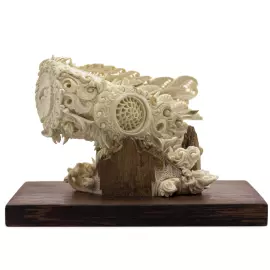
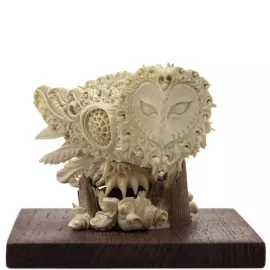
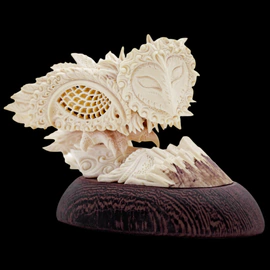
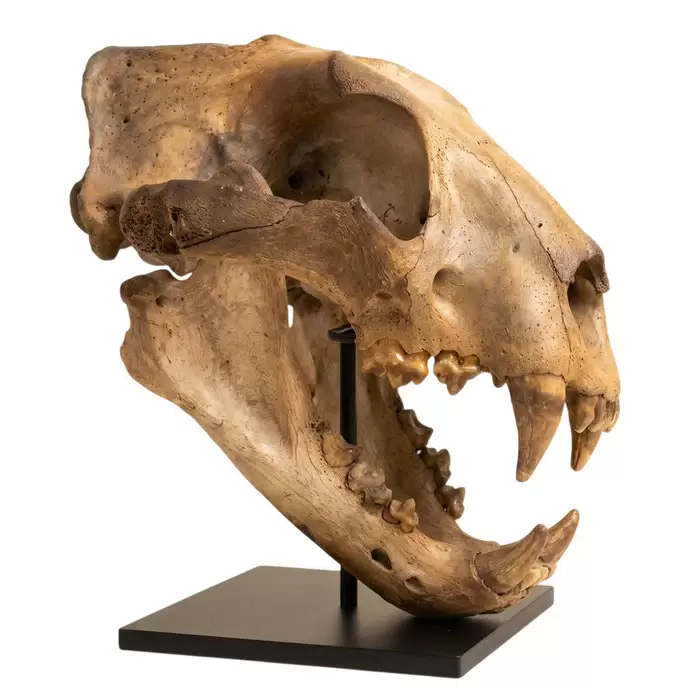
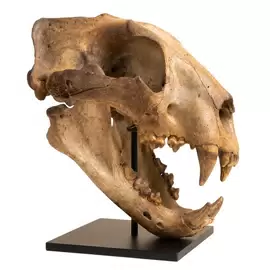
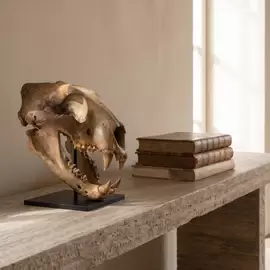
The cave lion Panthera leo spelaea hunted in the cold steppes of Eurasia in the Late Pleistocene, from the British Isles to Chukotka and Alaska. It was larger than a modern African lion and hunted bison, wild horses, reindeer and young mammoths.
Paleolithic people knew this beast by sight: lions occupy entire panels in the Chauvet cave in southern France, and the males in the paintings are almost devoid of manes. The last cave lions disappeared about thirteen thousand years ago, along with the glacial steppe and its mammoth fauna.
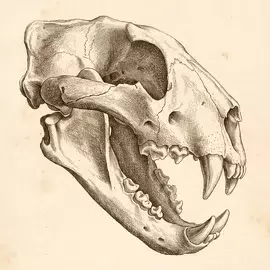
The open mouth reveals the predator's entire arsenal: long fangs for a stranglehold and predatory teeth that cut meat like scissors. Over the millennia, the bone in the sediments mineralized to a warm brown tone with sandy patches.
Relictum is a Russian House of rare natural artifacts, combining science, art and culture of collecting. His philosophy is based on a special attitude towards the works created by nature itself over millions and billions of years. The brand reveals the beauty of ancient finds, turning the evidence of distant geological epochs into objects of aesthetic admiration and collectible value. Each exhibit preserves its own history, allowing you to touch the Earth's past and the mysteries of the universe.
The Relictum collection unites three areas: Vita — ancient life, Terra — Earth's natural resources, and Cosmos — extraterrestrial matter. The collection includes authentic fossils, ammonites, skeletons and skulls of dinosaurs, remains of animals from the Ice Age, rare minerals, crystals and meteorites, including samples of lunar and Martian origin. Special attention is paid to the origin, preservation and scientific reliability of the finds. The exhibits are accompanied by passports with information about their age, origin and condition, and specialized specialists are involved for the most significant items. This combination of scientific value and natural aesthetics makes it possible to consider artifacts as independent works of art.
Relictum develops a culture of private collecting, offering not only individual rarities, but also comprehensive solutions for residential interiors, executive offices and private galleries. The house carries out a personal search for exhibits, organizes professional delivery and installation, and invites connoisseurs of ancient history to paleontological expeditions. Objects from the Relictum collection become expressive interior accents, the basis of family collections and special gifts for people who are close to science, art and history. These are values that are contained not only in the rarity of natural materials, but also in time, which cannot be reproduced.

Enter the phone number. The manager will call you back to confirm the order
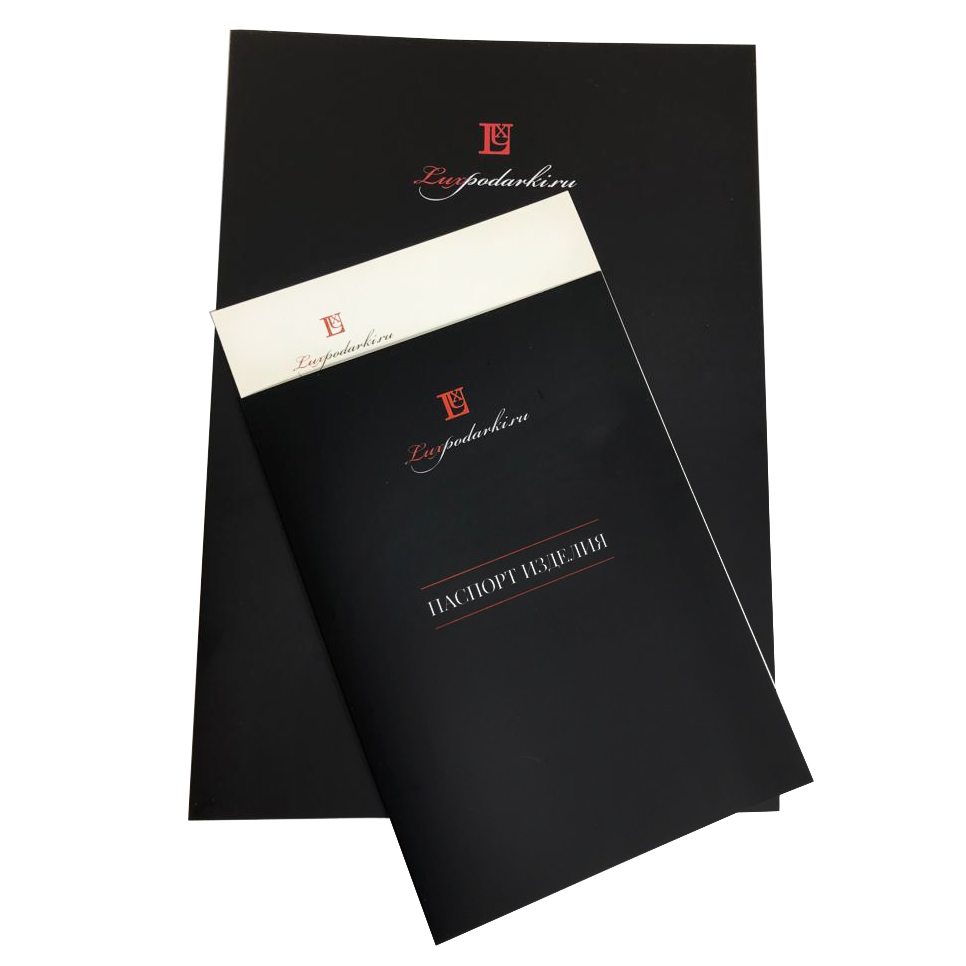
A passport is attached to products that cost more than 10,000 ₽
Вход и регистрация происходит по номеру телефона.

Order No.
The manager will contact you at to confirm the order within 15 minutes during business hours.
Чтобы заказать изделие, заполните форму и отправьте нам. В течение 10 минут в рабочее время специалист свяжется с вами для подтверждения запроса!
| Изделие: | Статуэтка железнодорожнику «Стрелочник» |
| Количество: | От 1шт. |
| Упаковка: | Стандартная (бесплатно) |
| Услуги: | 2 |
Fill in the form and send it to us — during business hours our specialist will tell you the price within 10 minutes.
Selected item: Art.: