






































Soon the streets will be filled with the aroma of freshly baked pancakes, and the air will ring with cheerful songs and laughter – Carnival is approaching! This ancient Slavic holiday, celebrated a week before Lent, is one of the most beloved and vibrant in the national calendar.
Where do the roots of the holiday come from?
The history of Maslenitsa goes back to ancient times, to pagan times. Initially, the holiday was associated with the end of winter and the awakening of nature, with the arrival of spring and the beginning of a new agricultural cycle. The sun, as a symbol of life and warmth, played a central role in rituals. Pancakes, round and golden like a small sun, have become an integral attribute of the holiday, symbolizing rebirth and fertility.
With the adoption of Christianity, Maslenitsa did not disappear, but organically fit into the church calendar, becoming the last week before Lent. This is a time when you can enjoy a hearty meal, have fun and let go of all resentments in order to meet the fast with a pure soul.
Traditions that have been around for centuries:
Maslenitsa is not just a week of pancakes, it is a kaleidoscope of bright and cheerful traditions.:
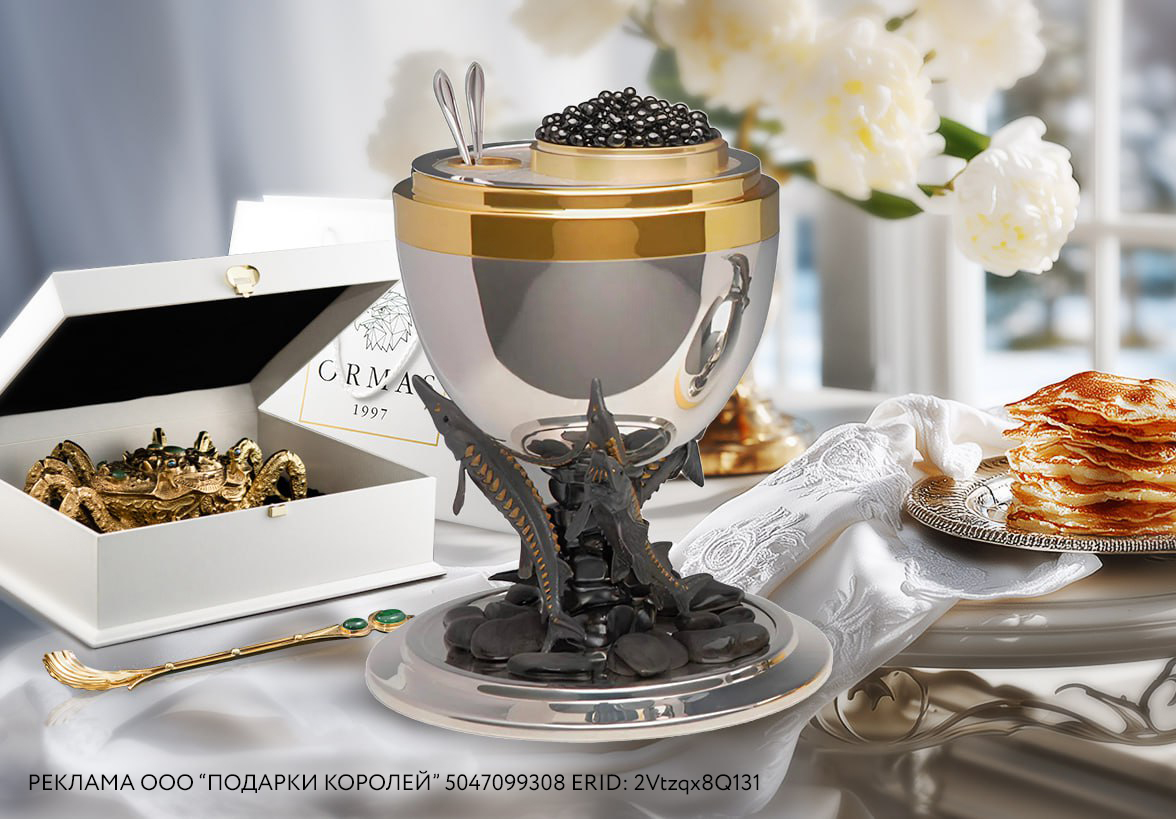
Pancakes are the head of everything! The main characters of Maslenitsa are pancakes. They are baked from morning to evening, with a wide variety of fillings: from sweet with jam and honey to hearty with meat, fish or caviar. It is believed that the more pancakes you bake, the richer and more productive the year will be.
Festivities and entertainment: Throughout the week, people have fun, arrange roller coasters, fist fights, round dances and songs. A special place is occupied by folk games and amusements that help to lose the energy accumulated over the winter.
Meeting and seeing off: Every day of the Carnival week has its own name and special traditions. For example, on Monday they celebrate Maslenitsa, on Tuesday they celebrate games, on Wednesday they celebrate dainty, on Thursday they celebrate revelry, on Friday they celebrate mother–in–law's evenings, on Saturday they celebrate sister–in–law's gatherings, and the culmination of the holiday is Forgiven Sunday.
Burning of an effigy: On the last day of Maslenitsa, on the Forgiven Sunday, it is customary to burn an effigy of Maslenitsa. This ceremony symbolizes the departure of winter, getting rid of all the old and bad, as well as purification before Lent. The ashes from the effigy were scattered across the fields to ensure a good harvest.
Forgiveness and reconciliation: Forgiven Sunday is a day when it is customary to ask forgiveness from family and friends for all offenses, as well as to forgive those who offended you. This is an important stage of preparation for spiritual purification.
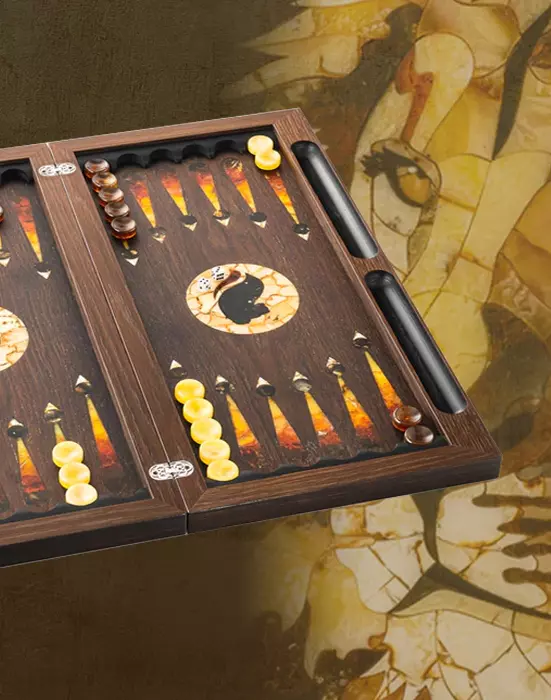
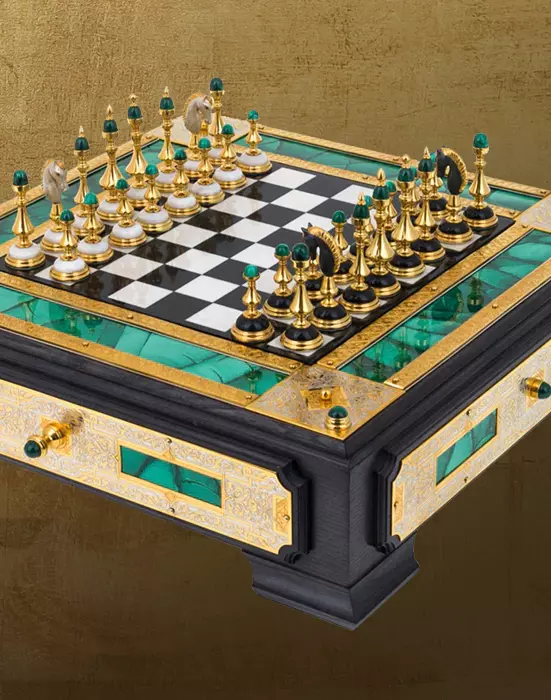
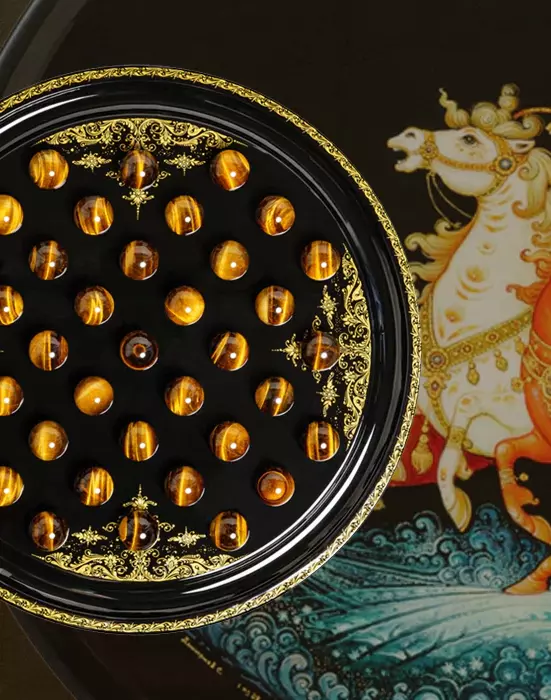
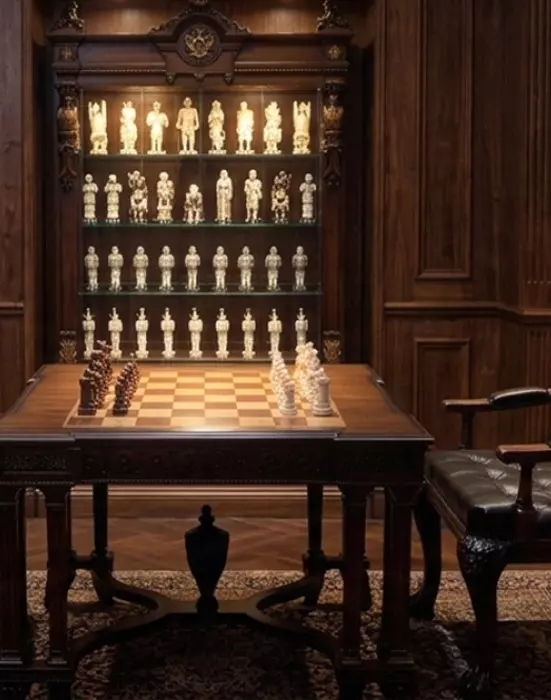
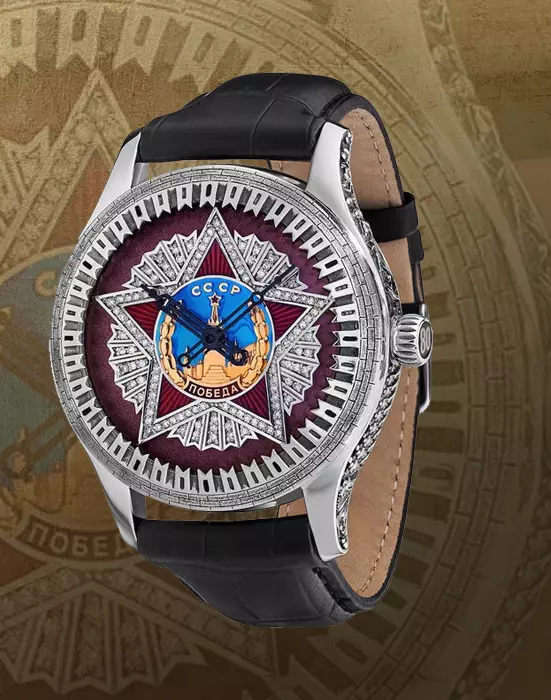
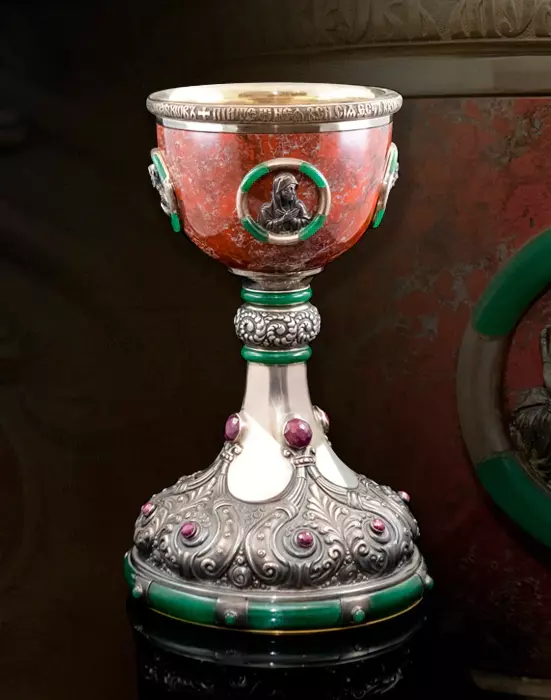
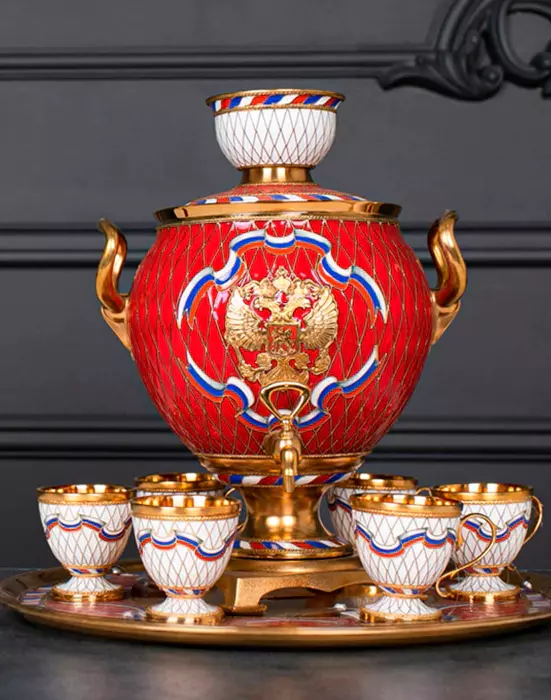
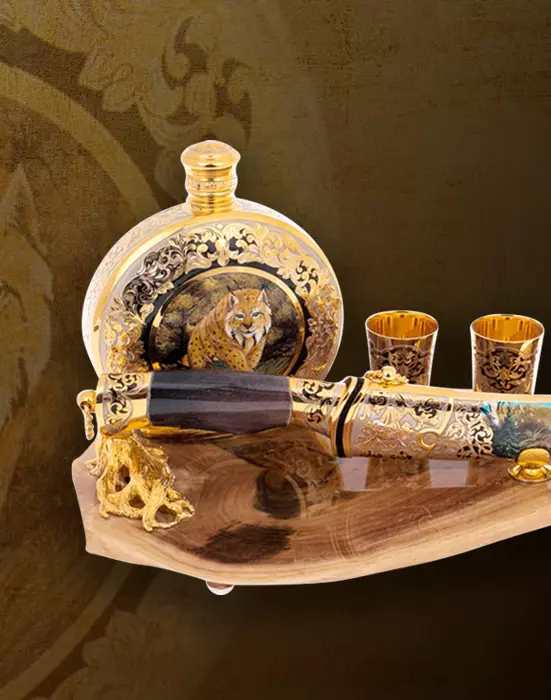
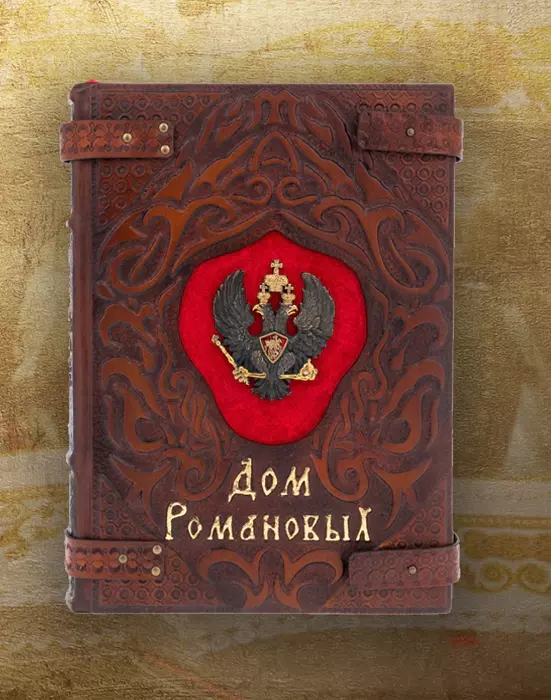
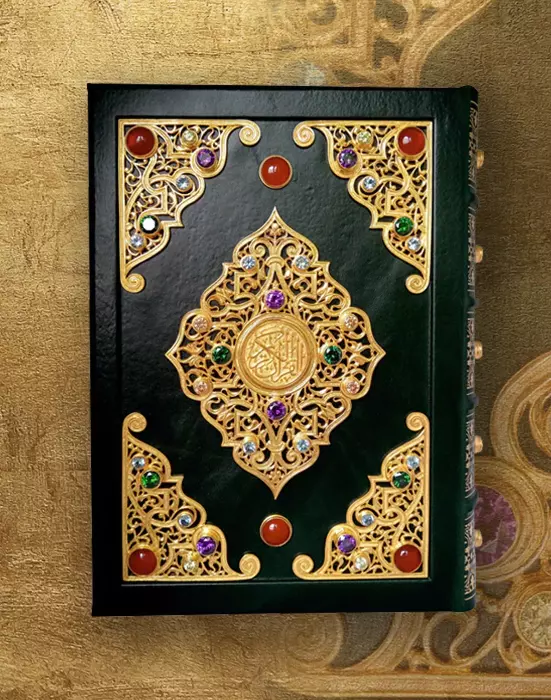
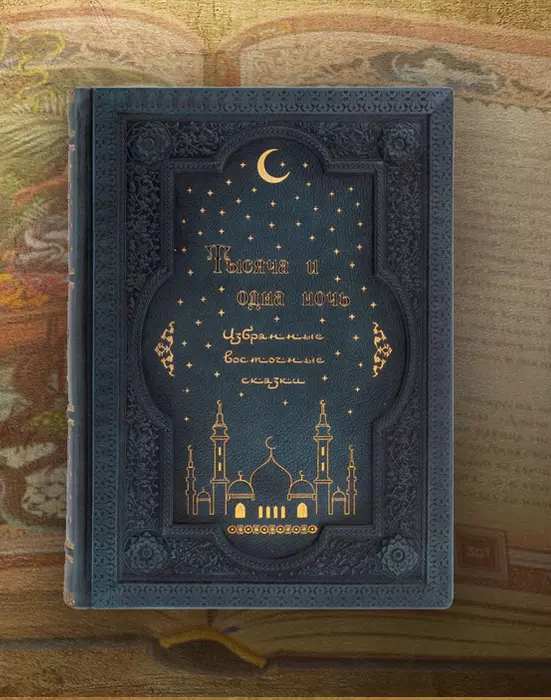
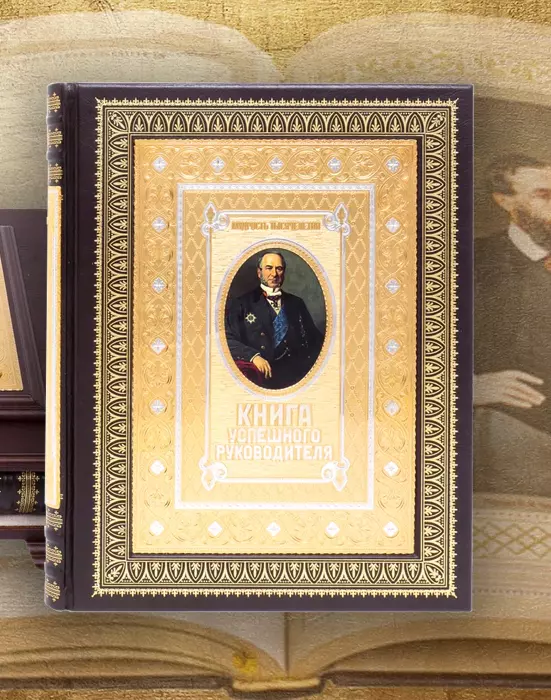
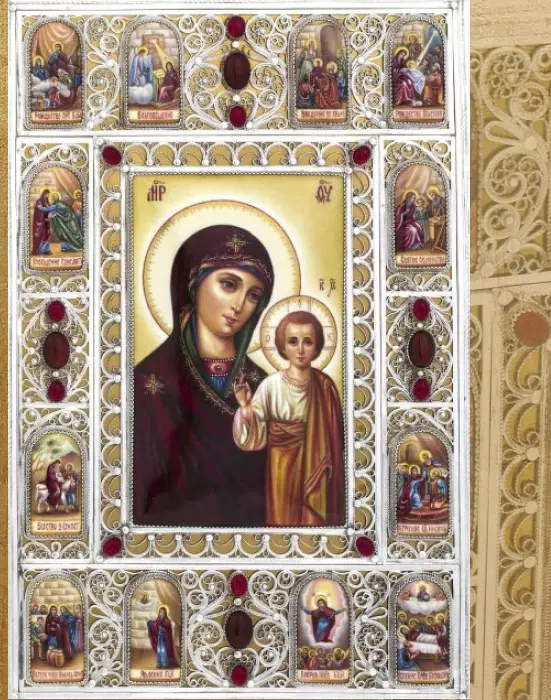
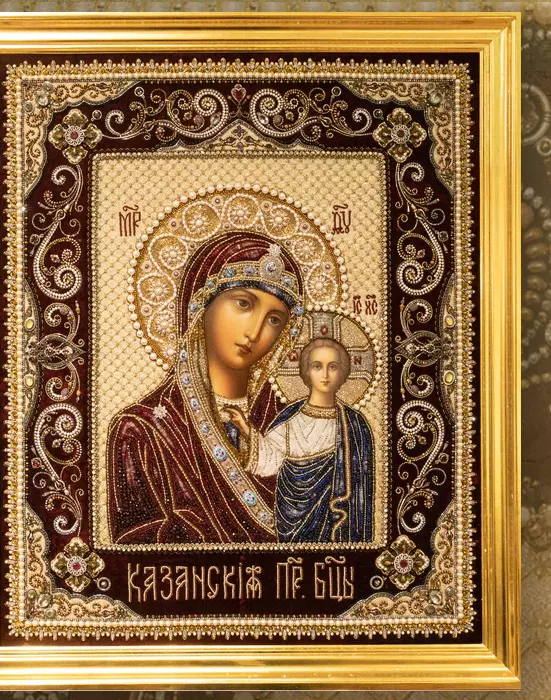
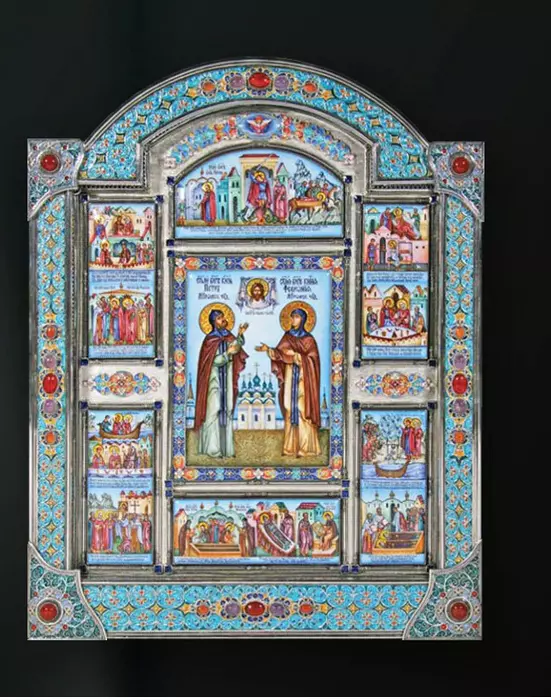
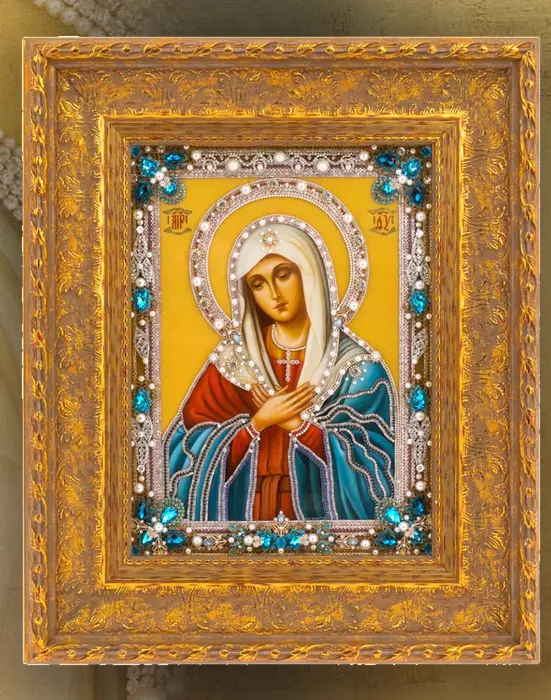
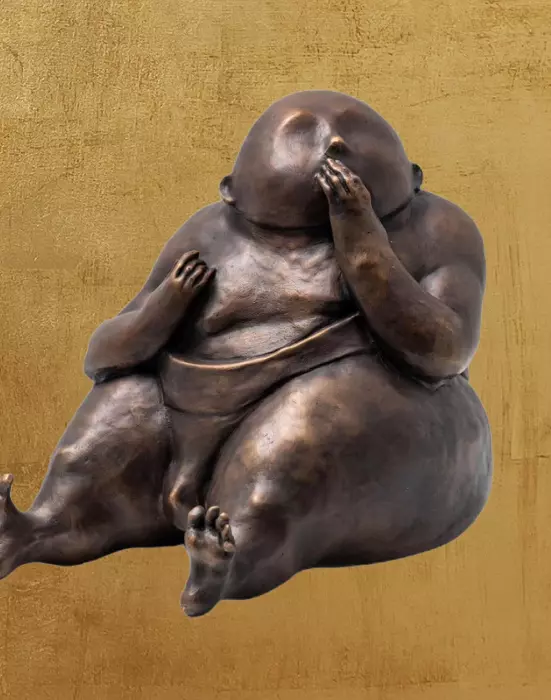
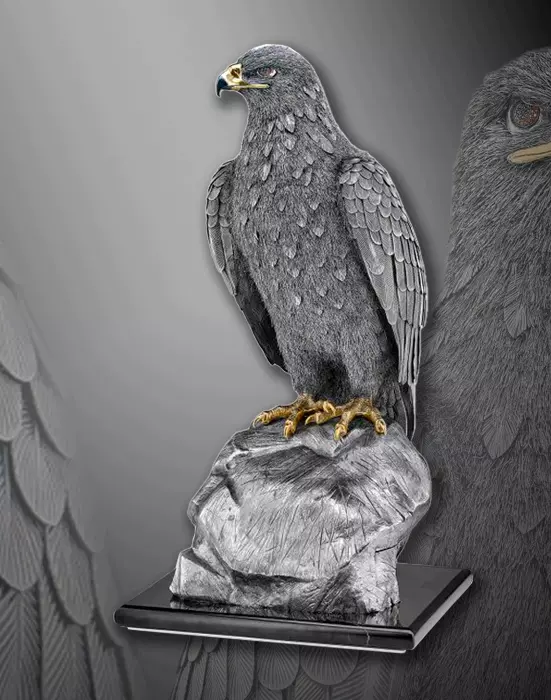
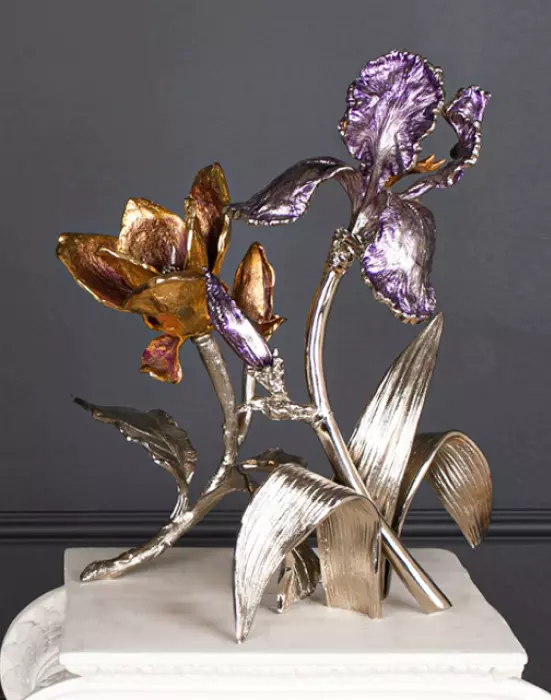
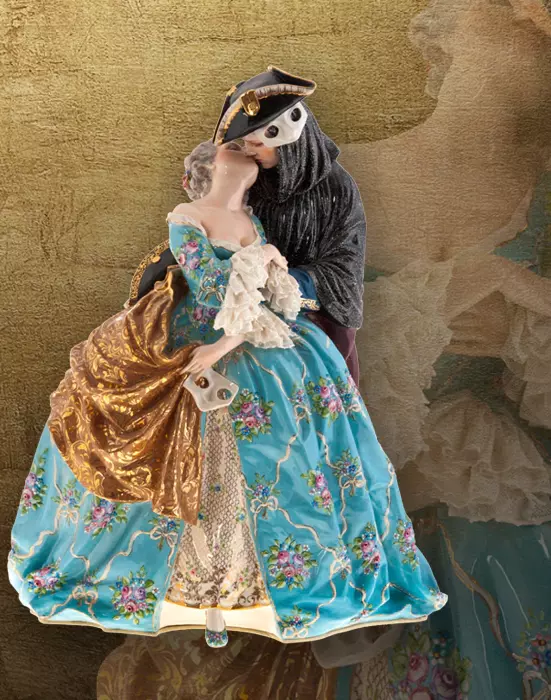
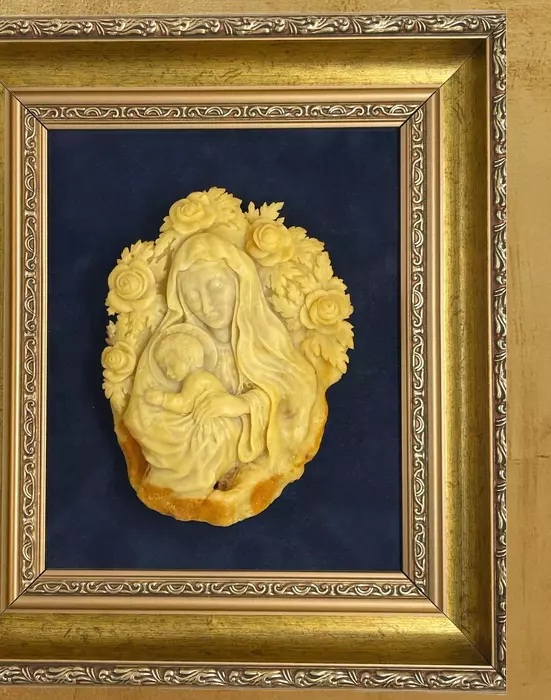
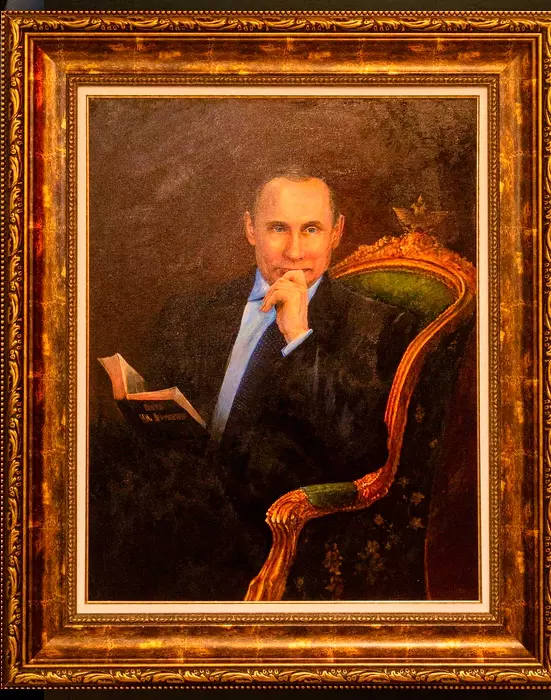
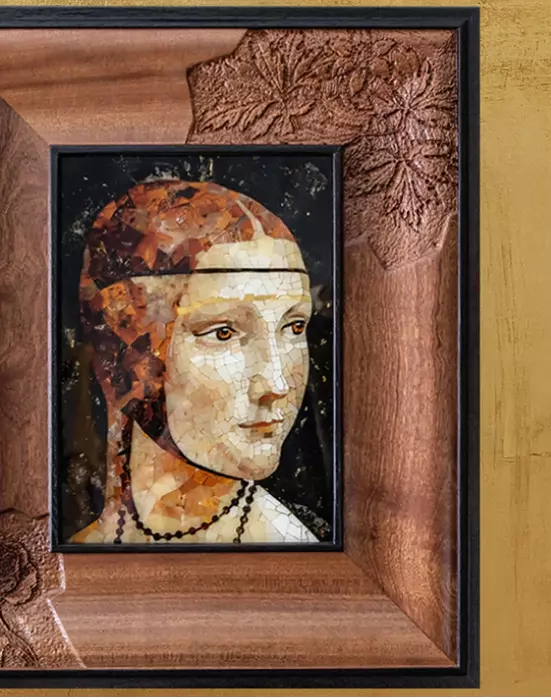
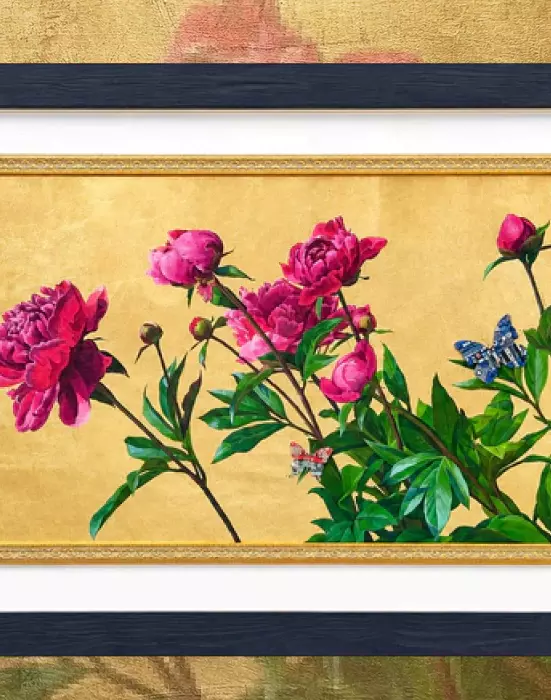
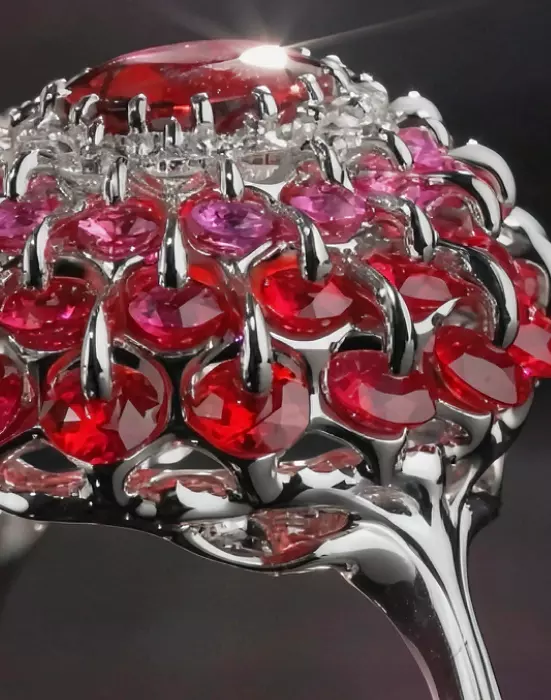
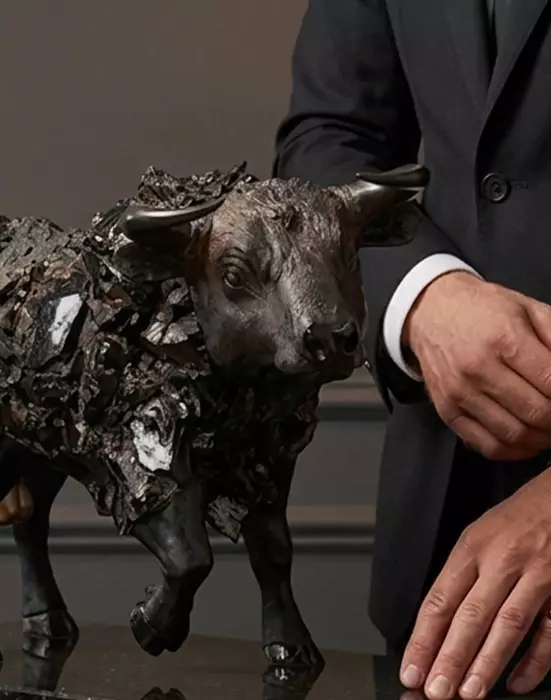
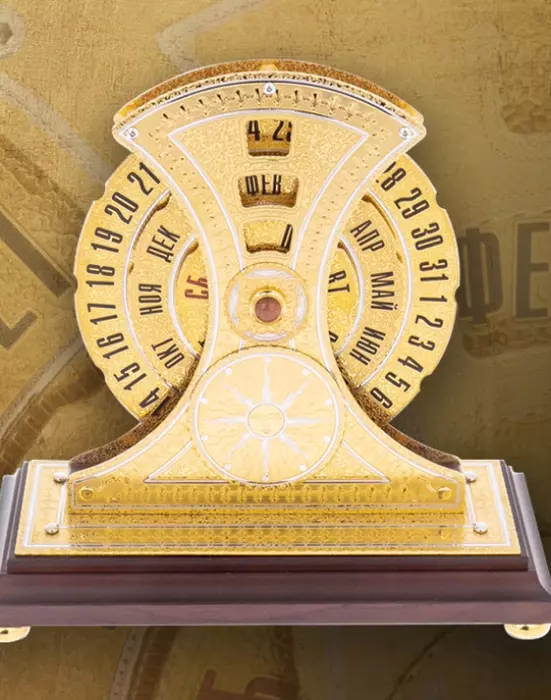
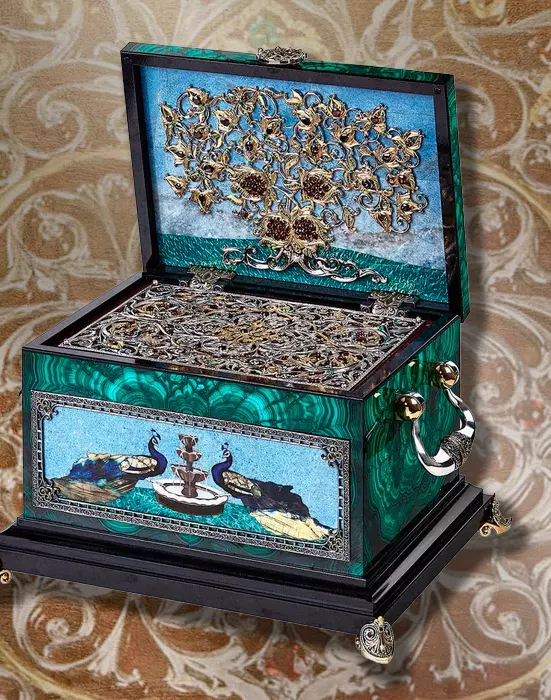
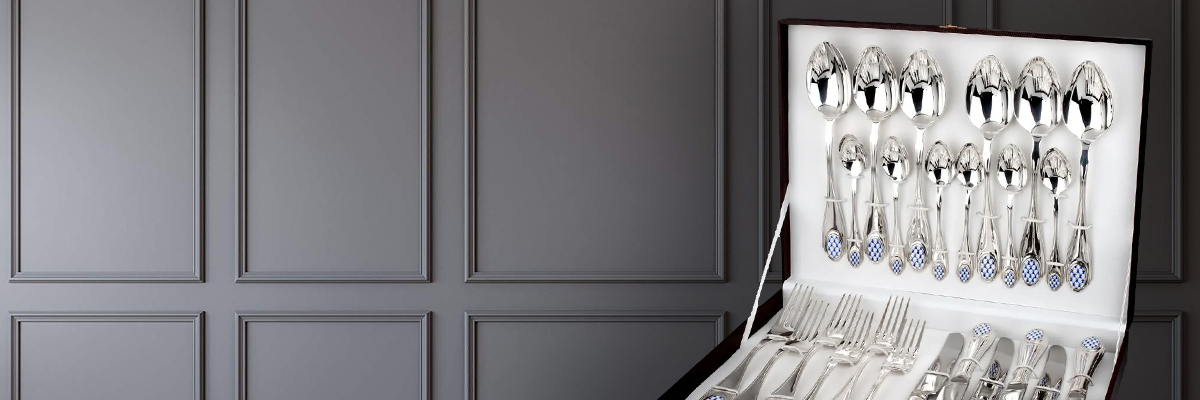
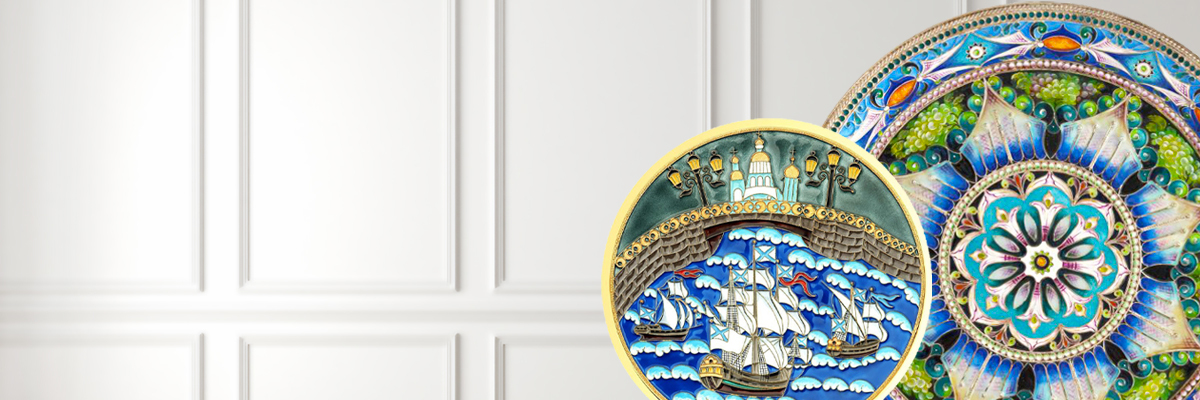
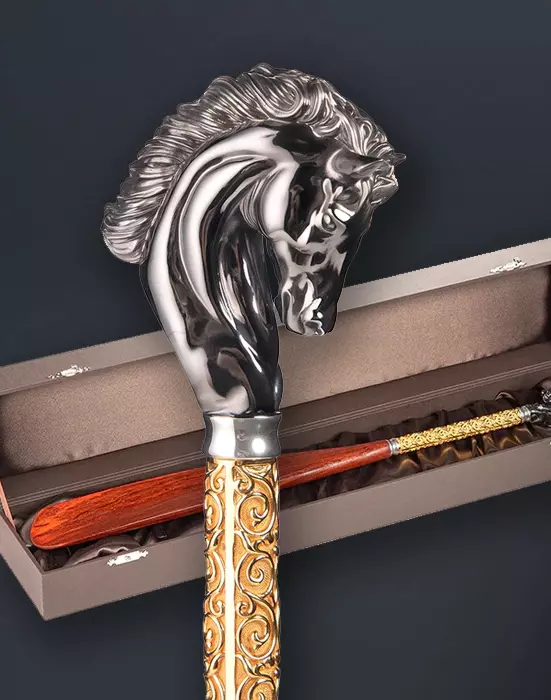
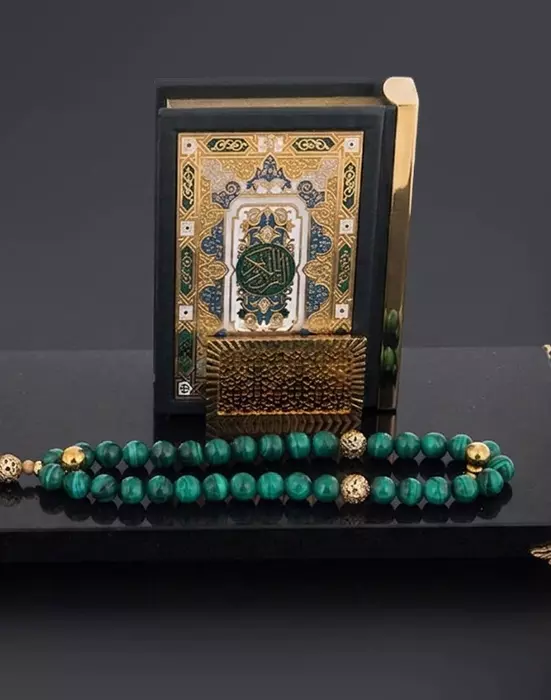
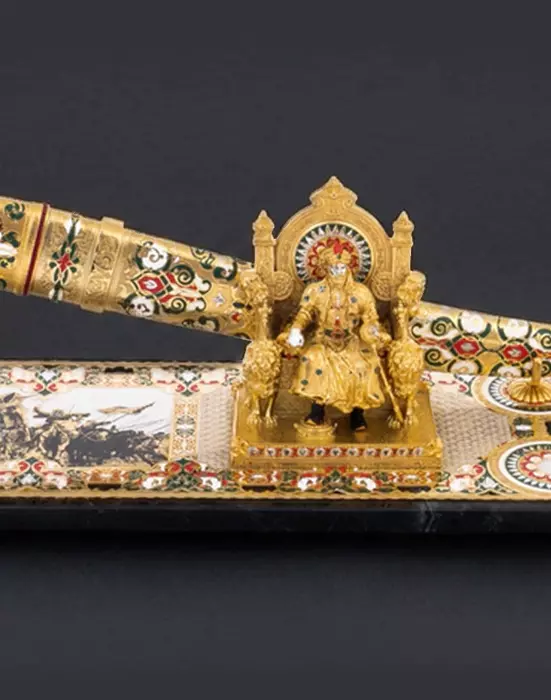
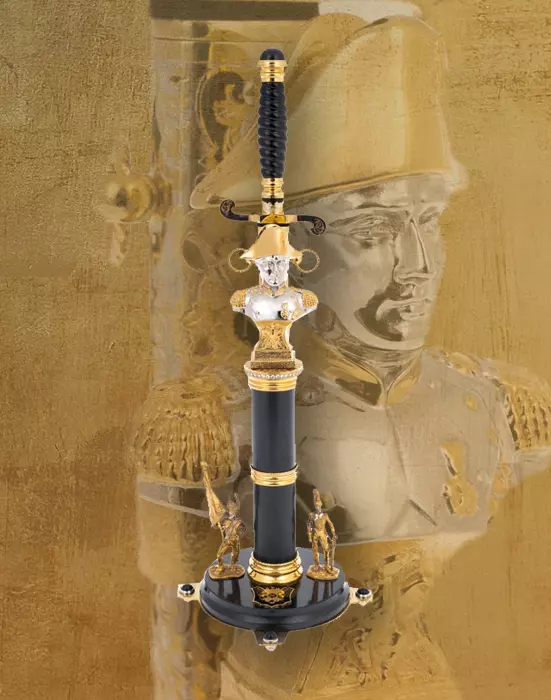
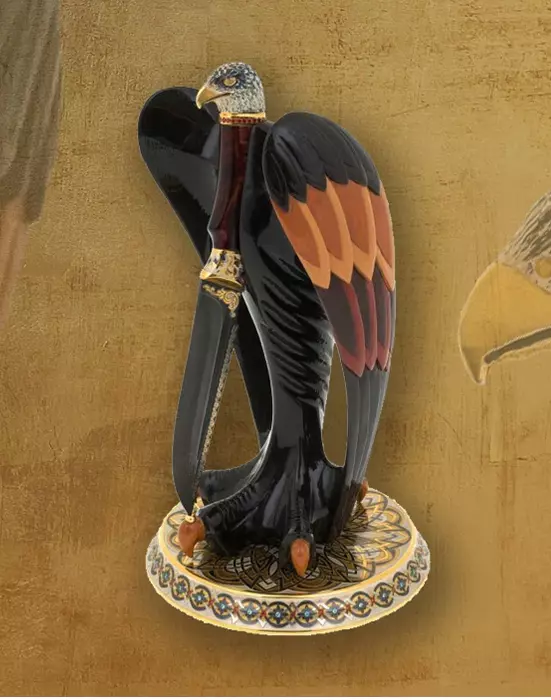
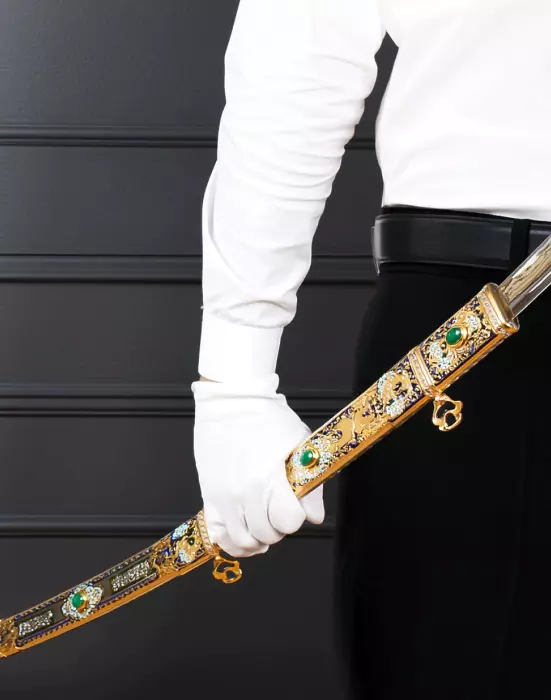
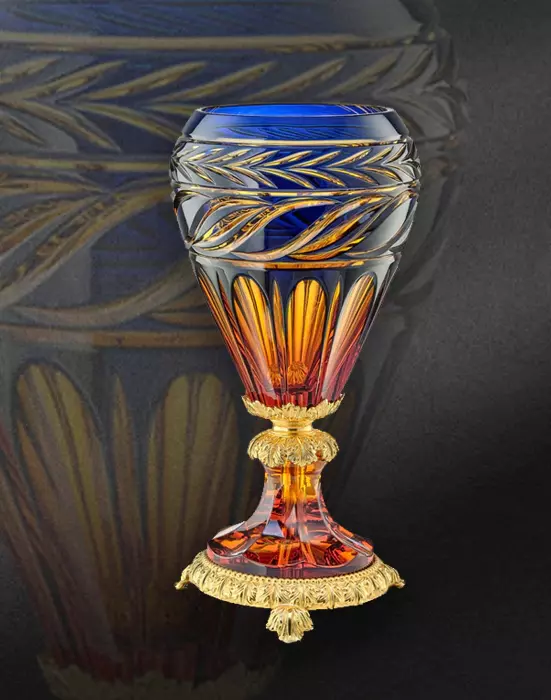
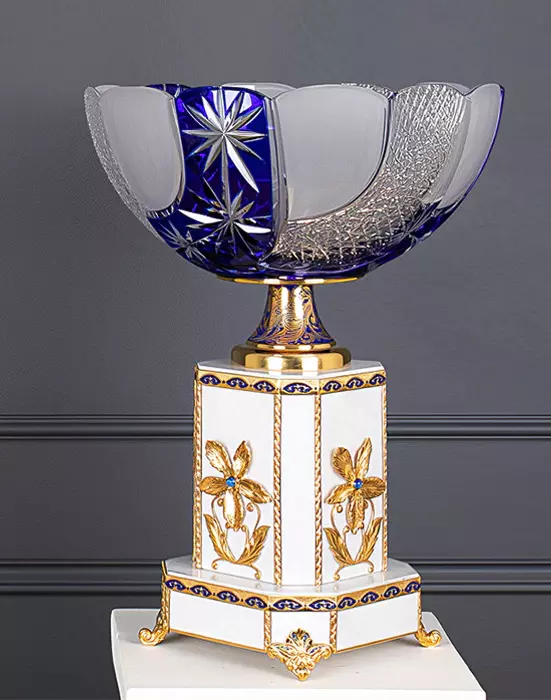
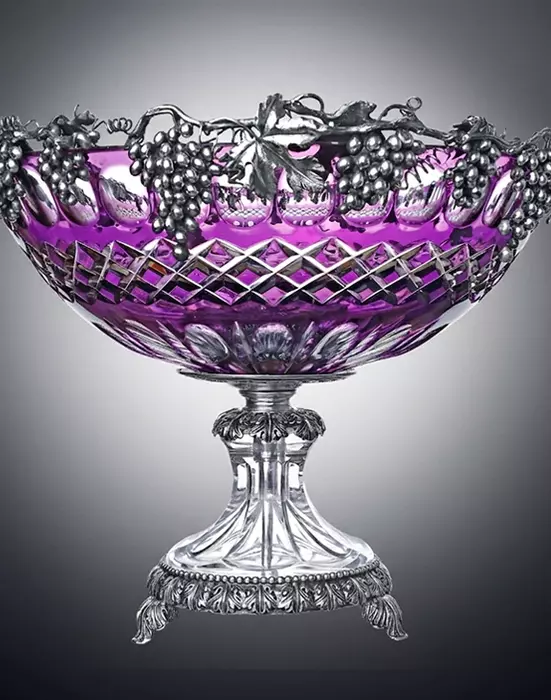
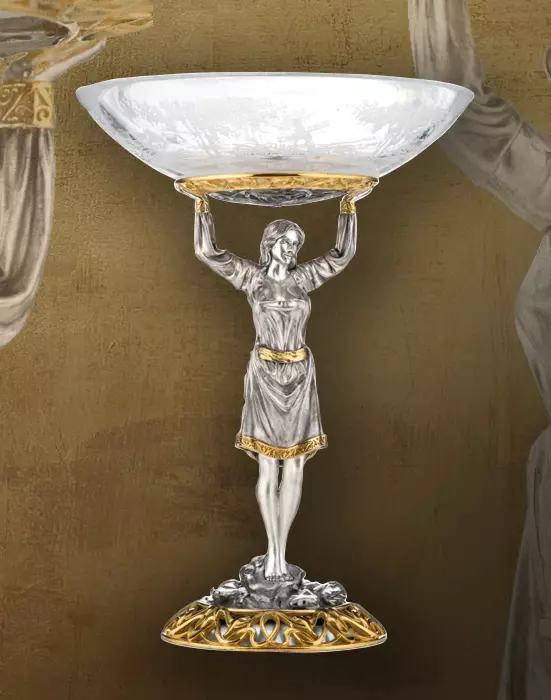
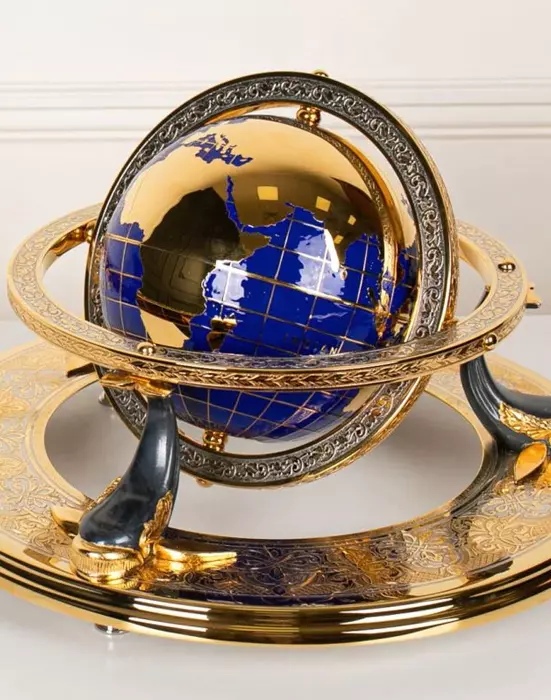
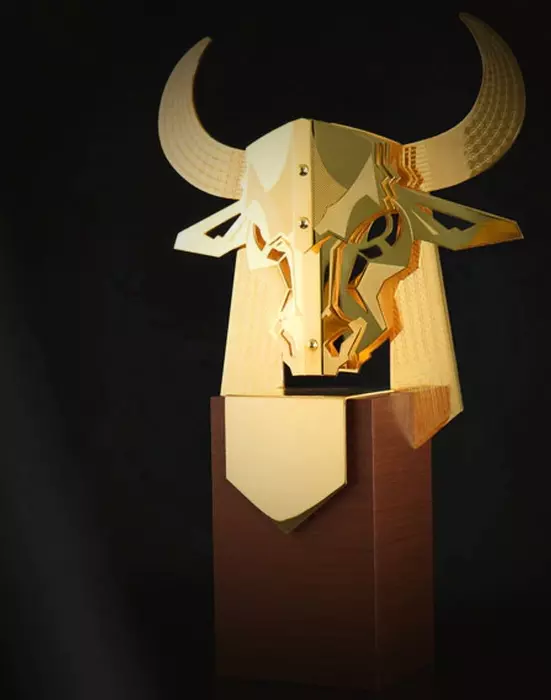
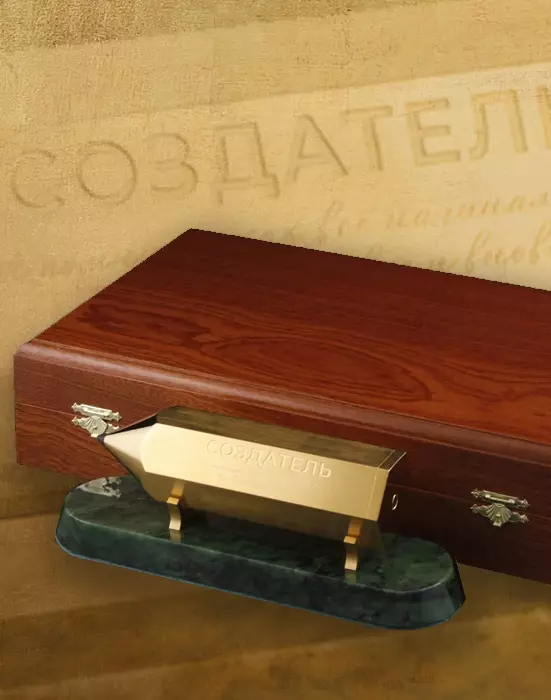
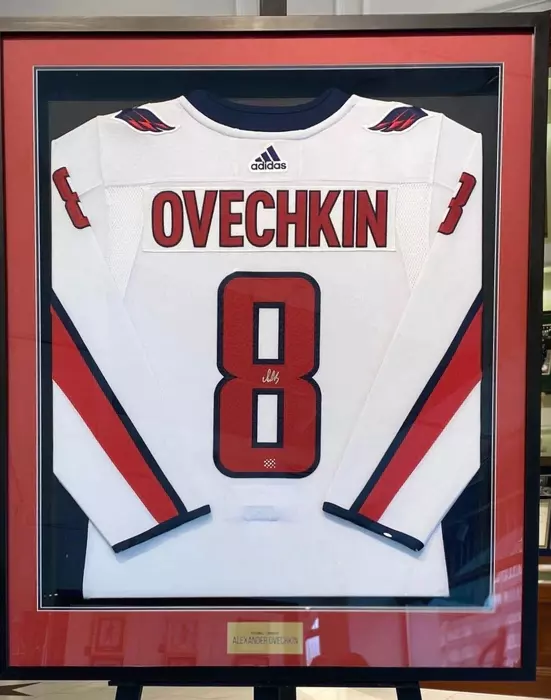
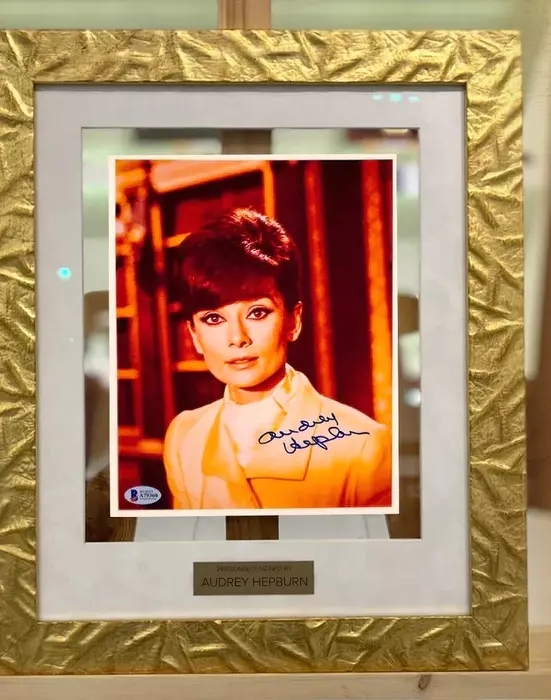
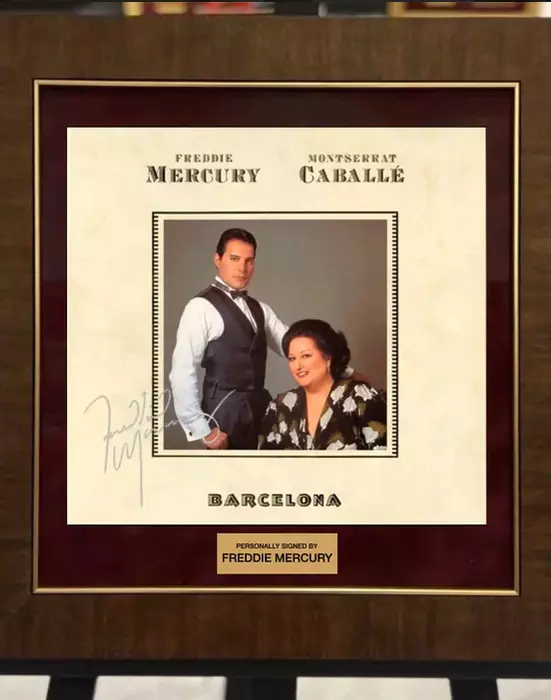
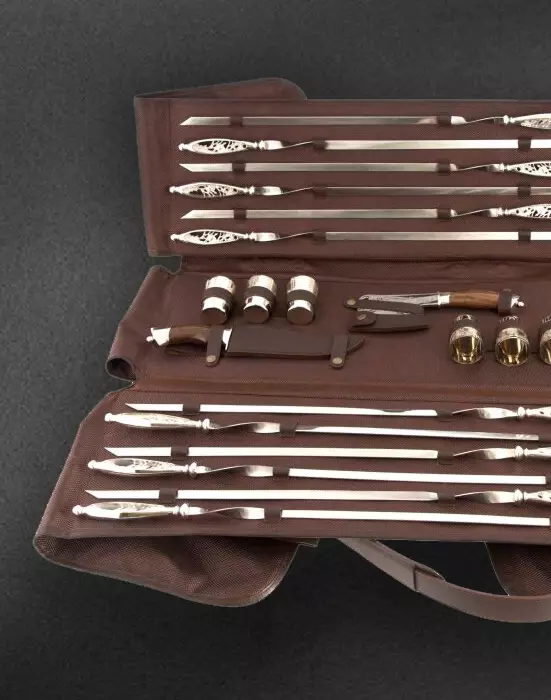
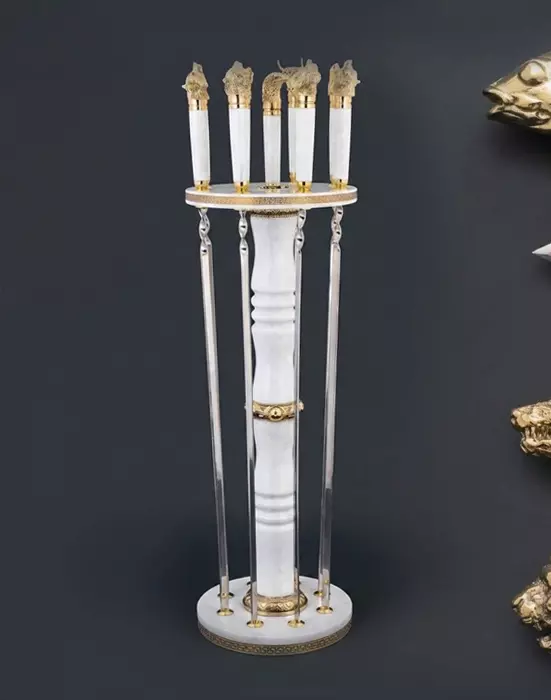
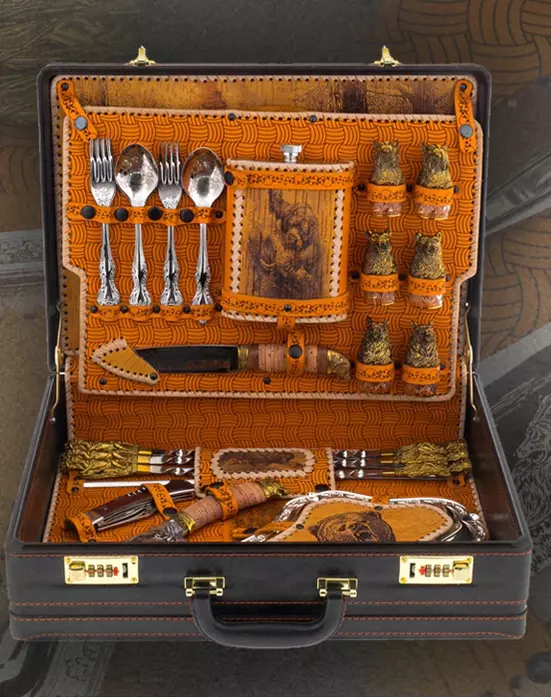
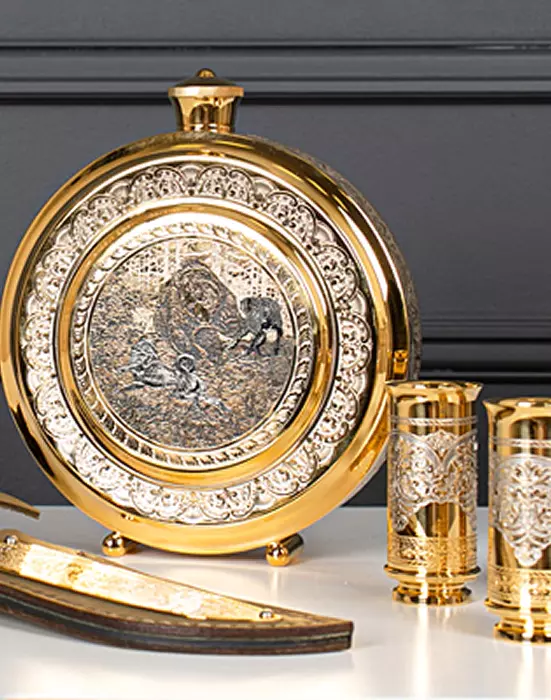
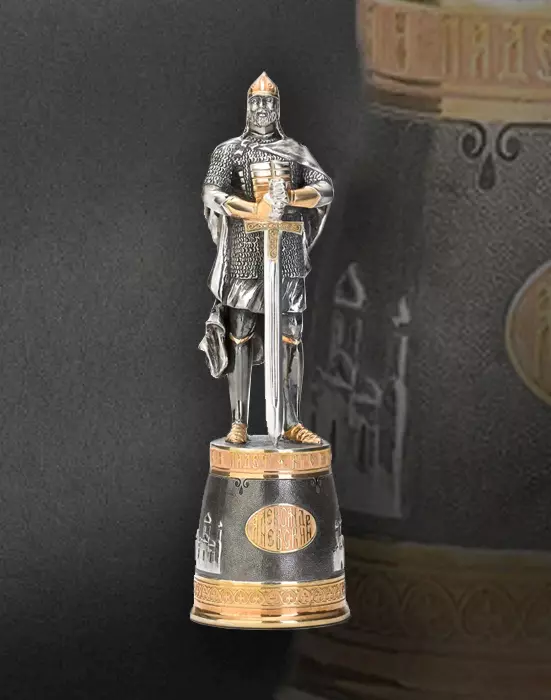
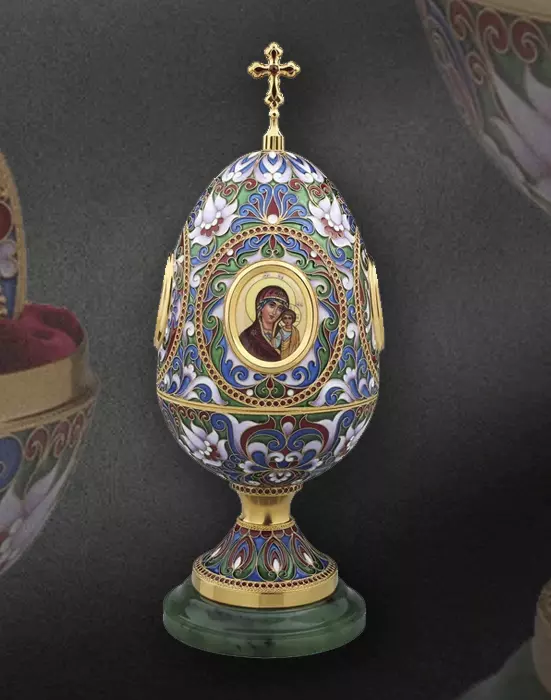
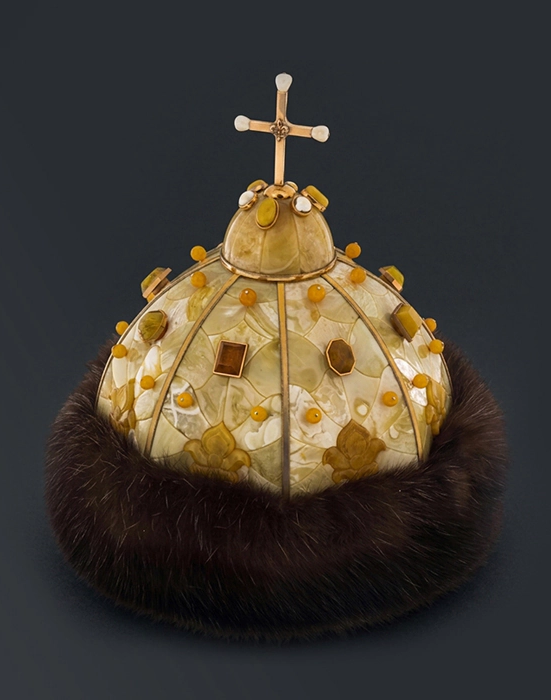
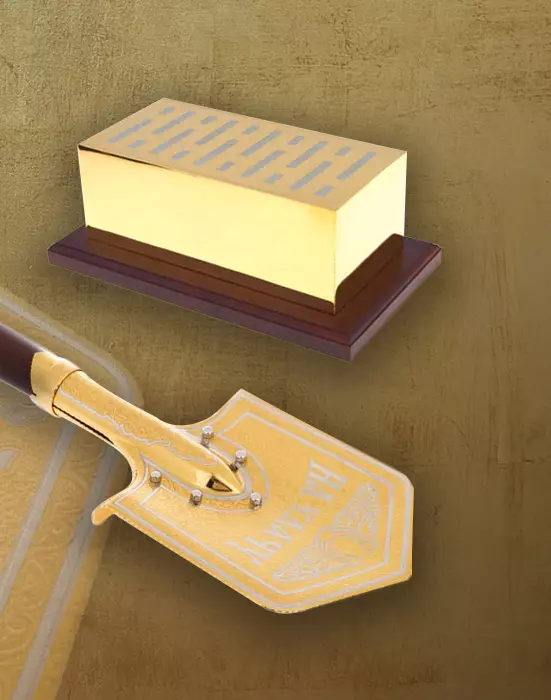
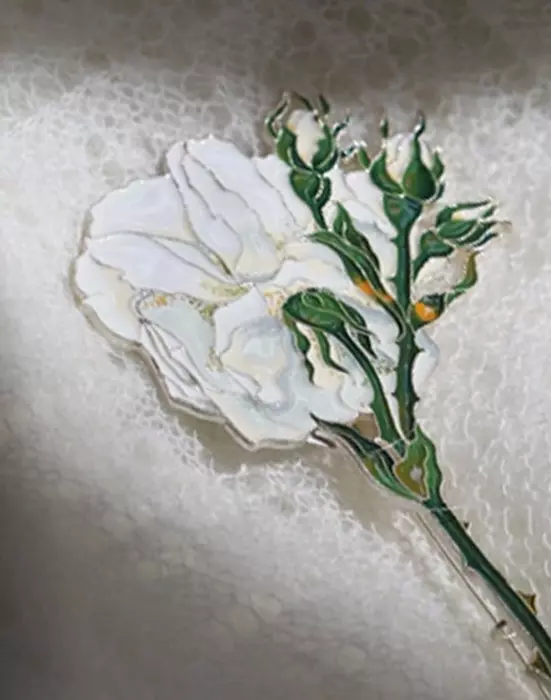
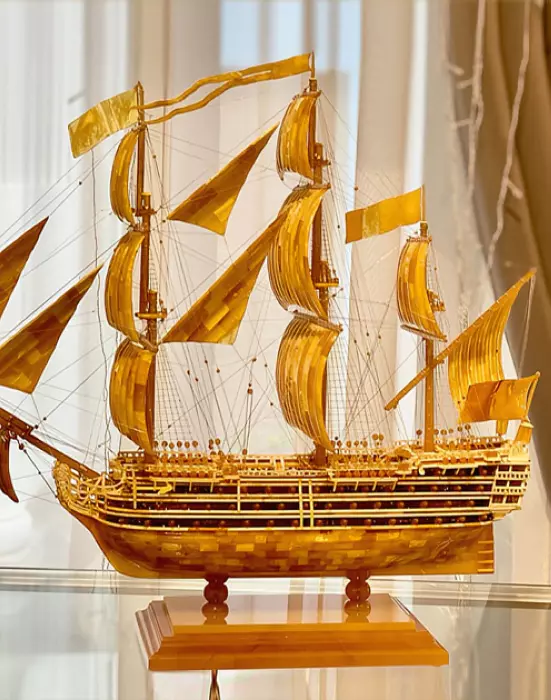
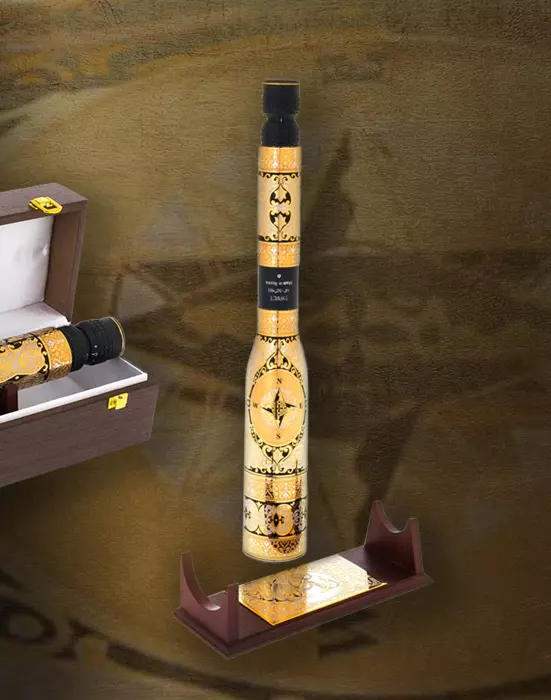
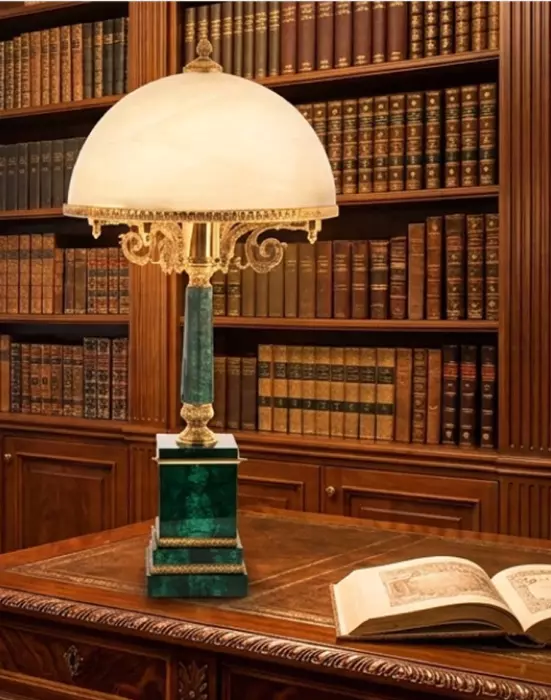
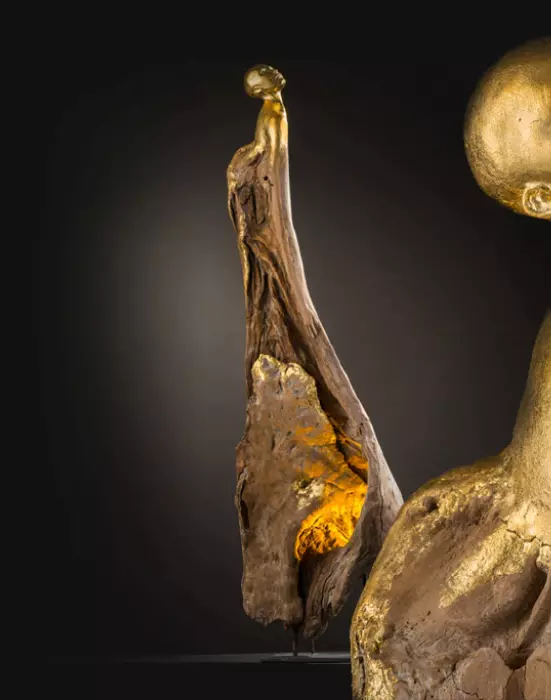
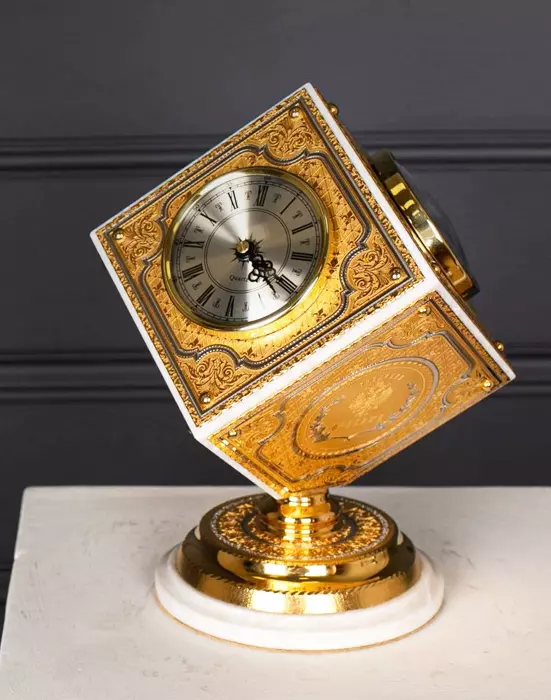
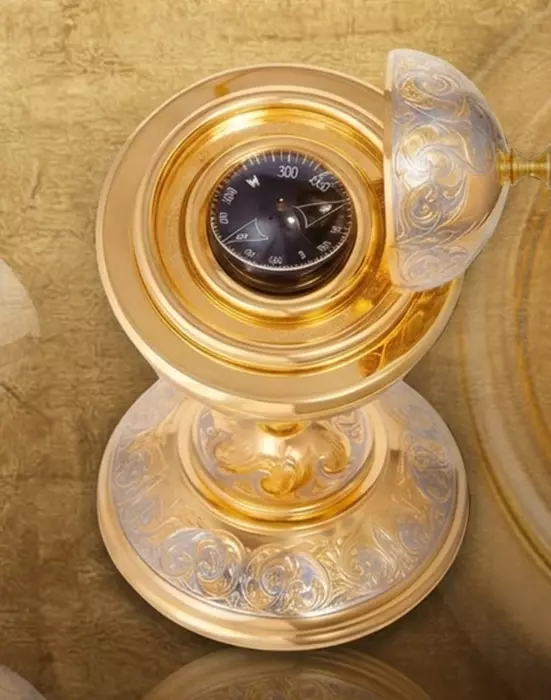
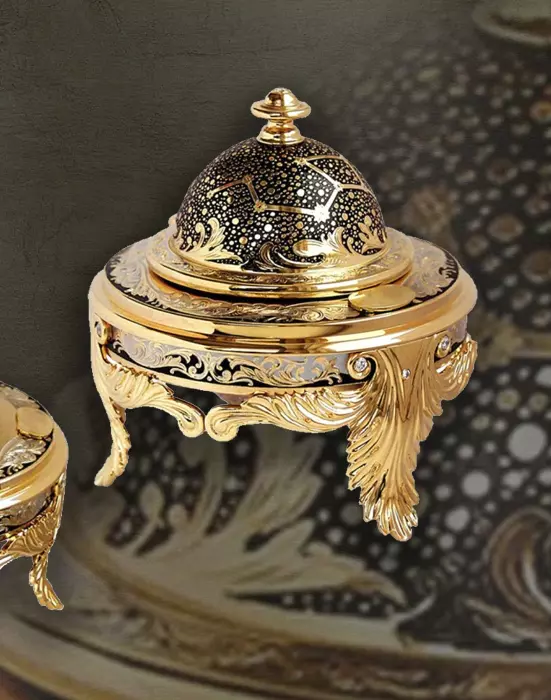
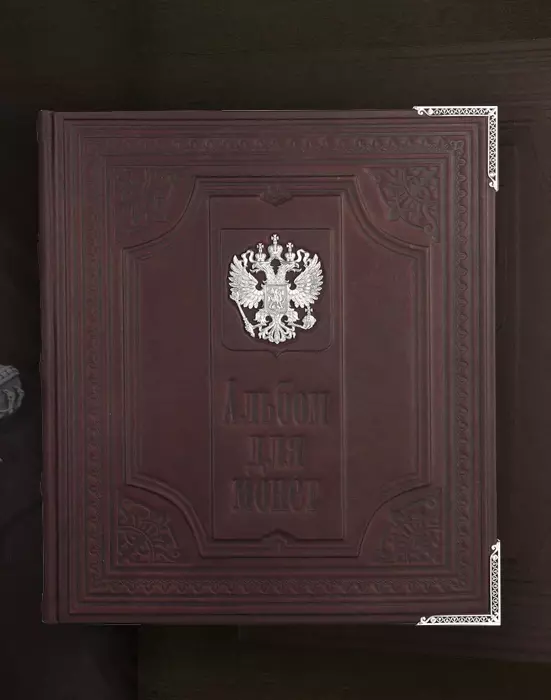
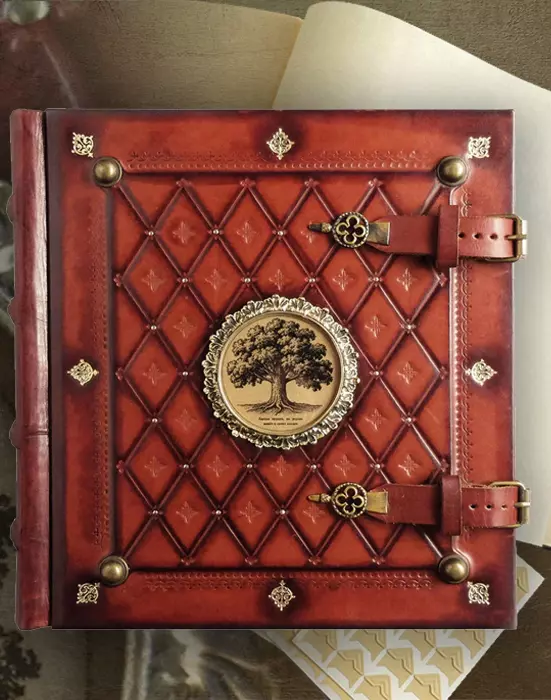
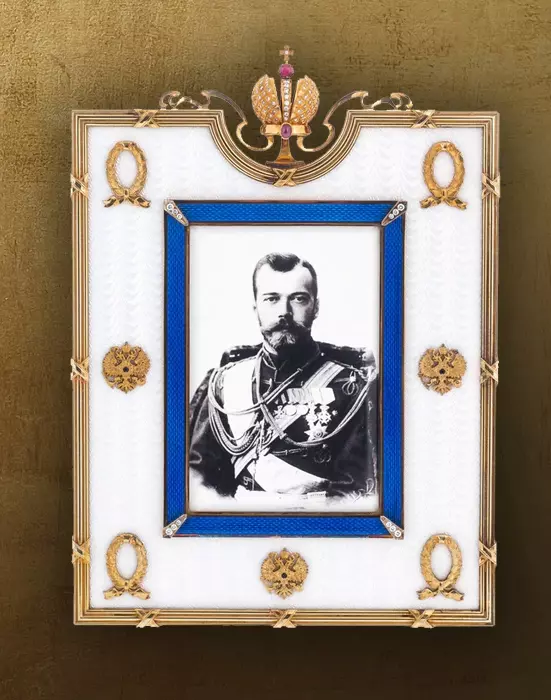
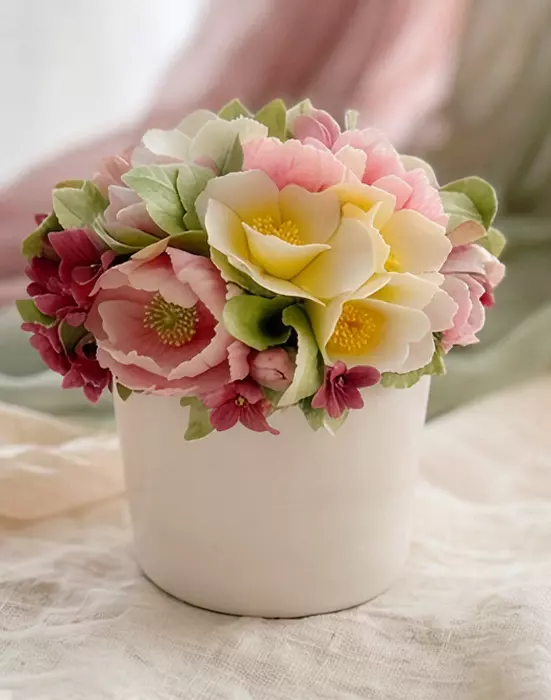
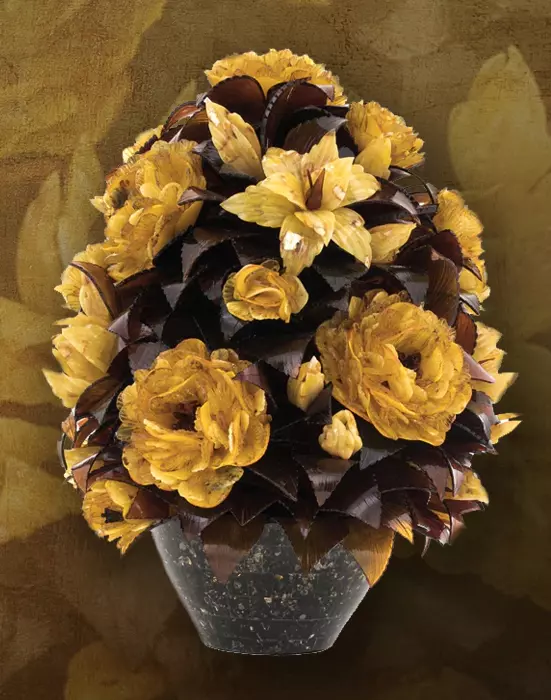
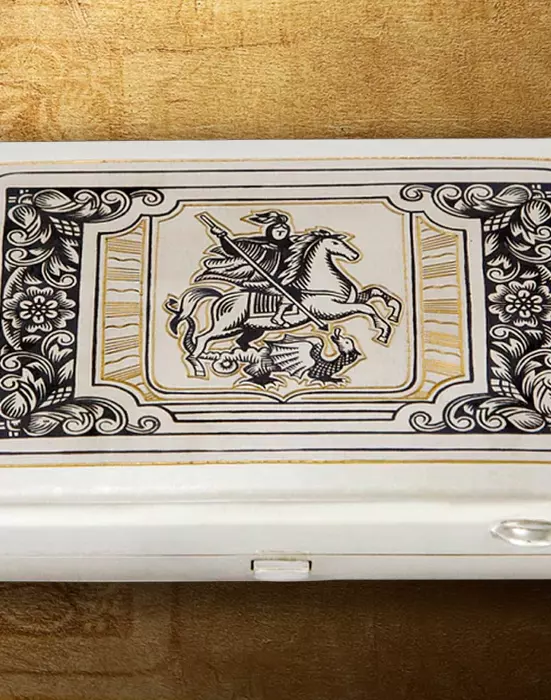
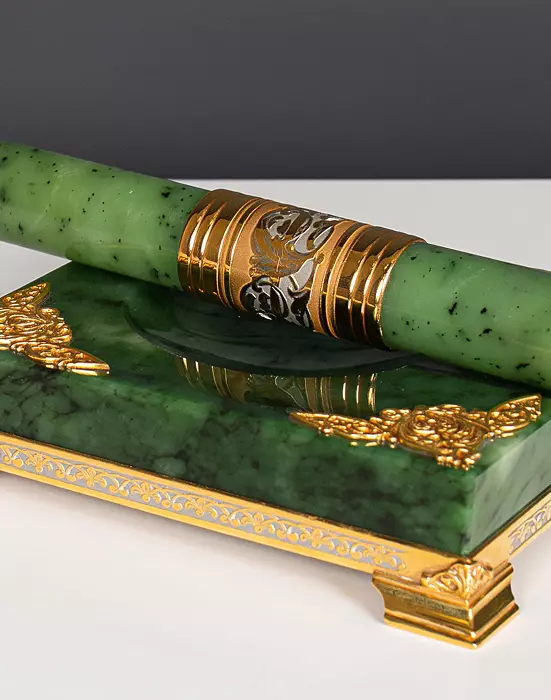
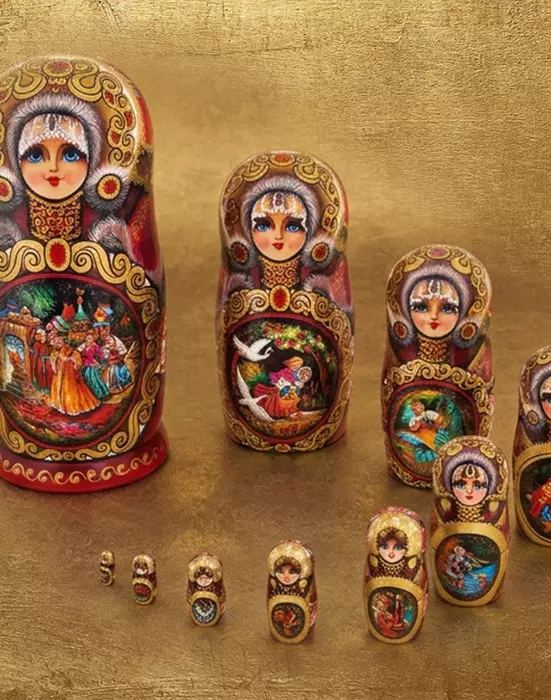
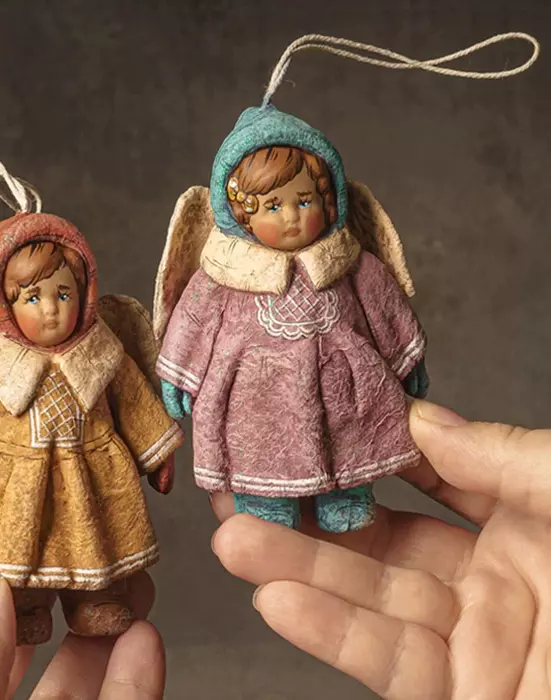
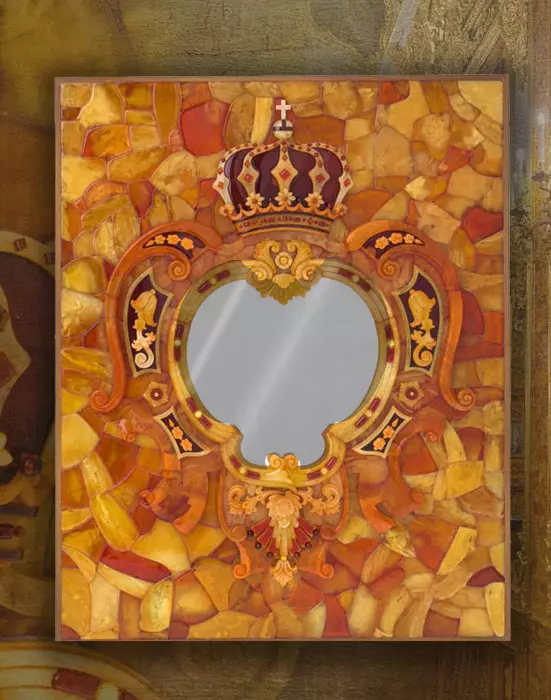
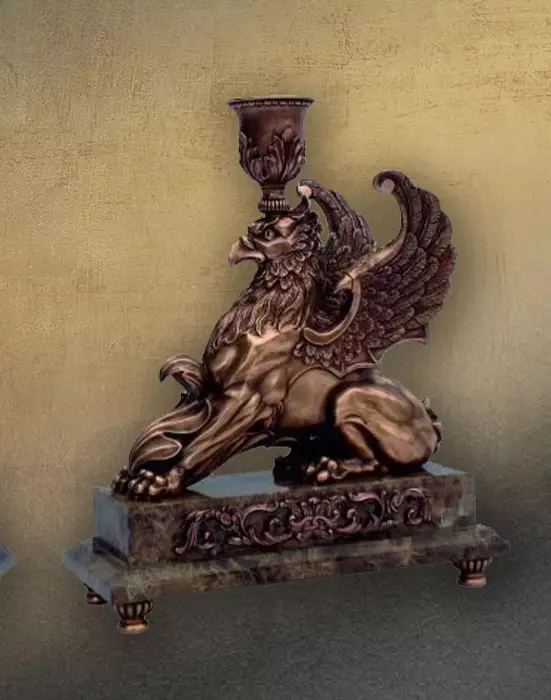
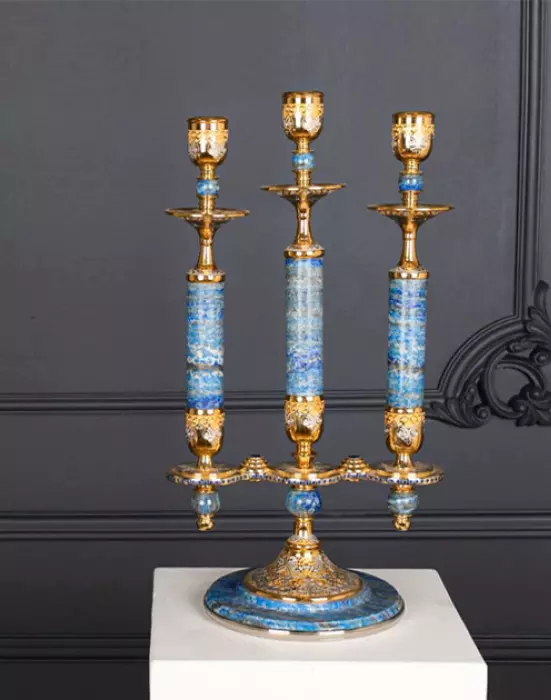
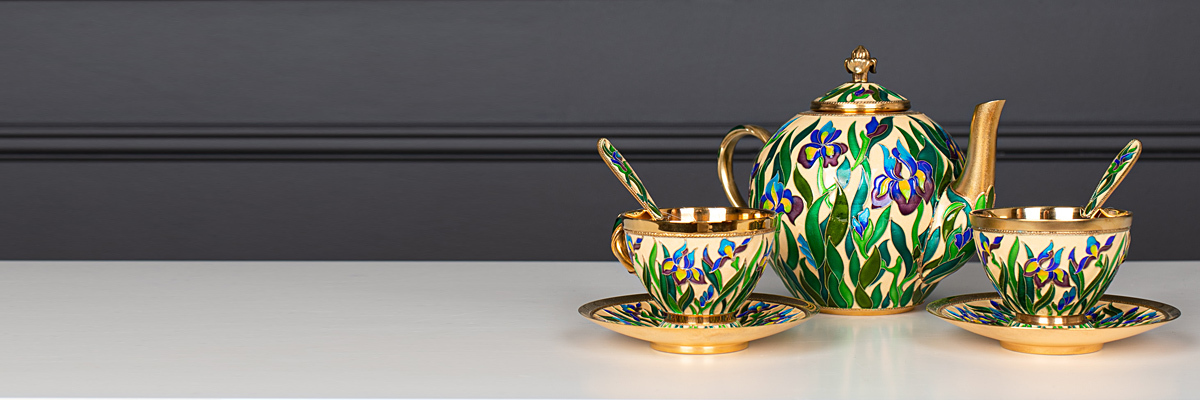
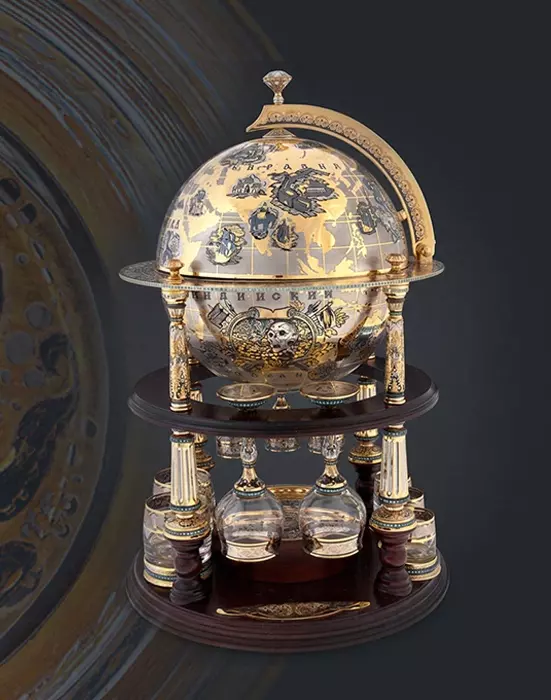
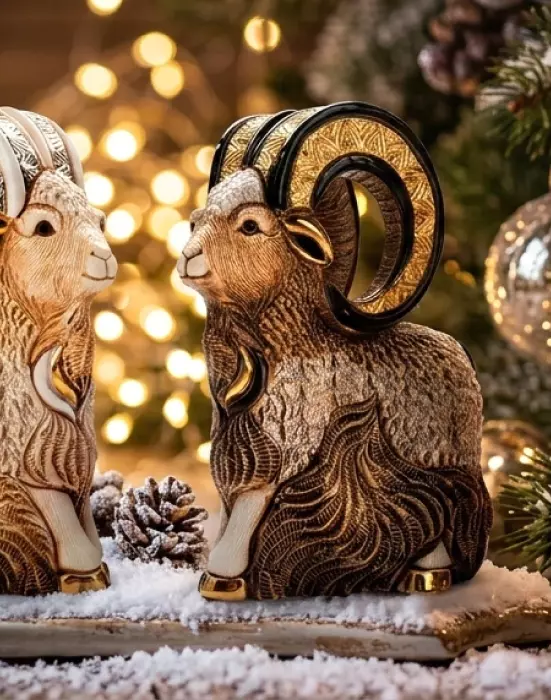
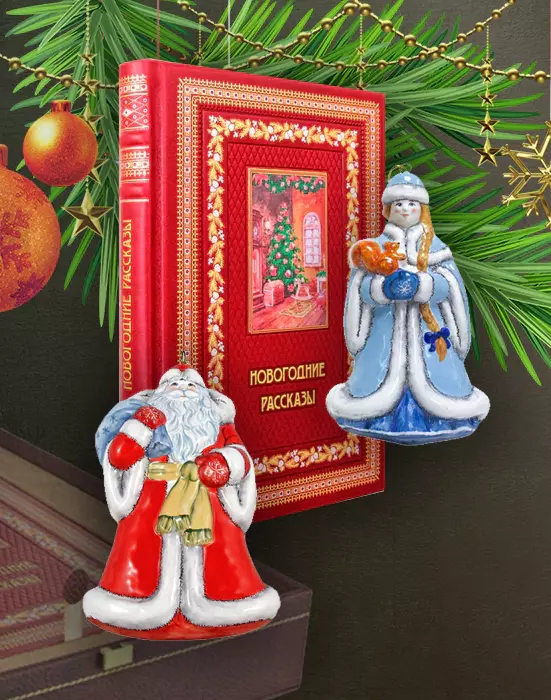
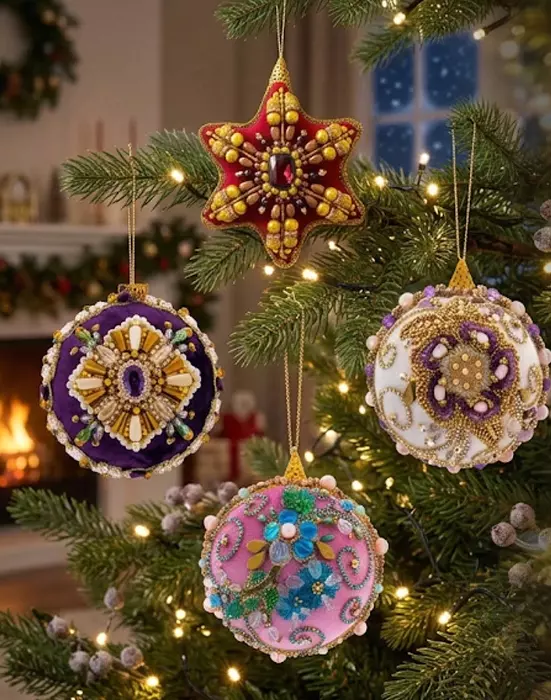
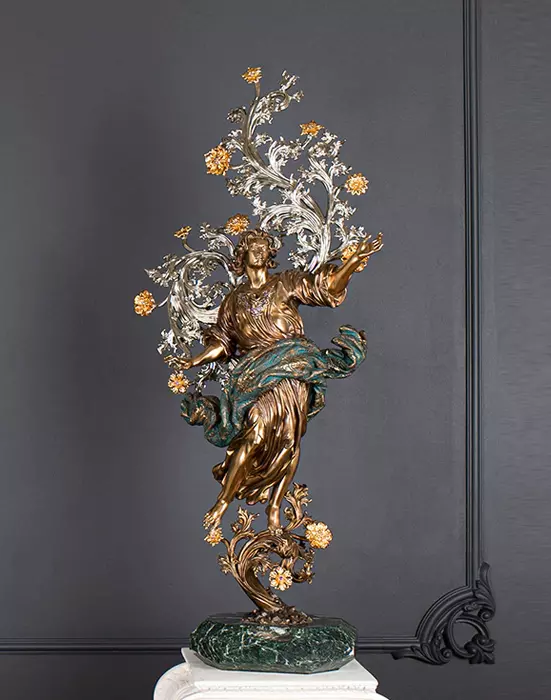
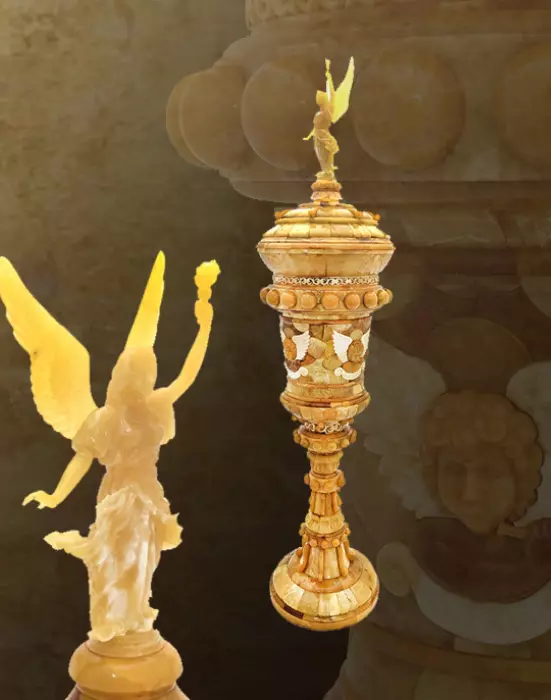
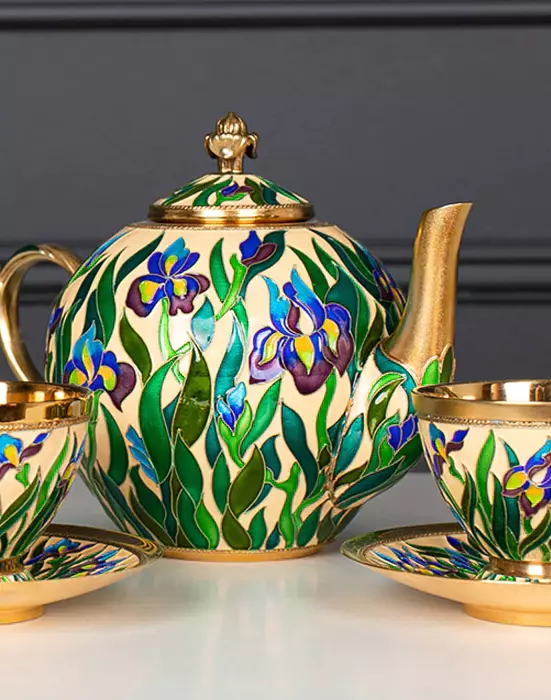
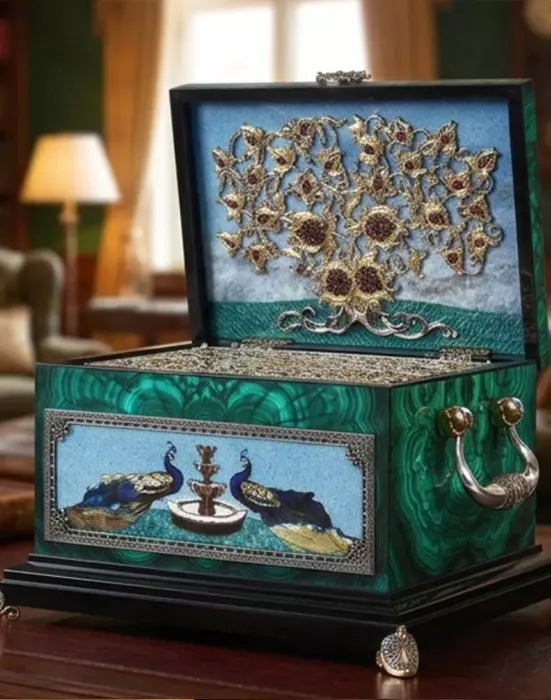
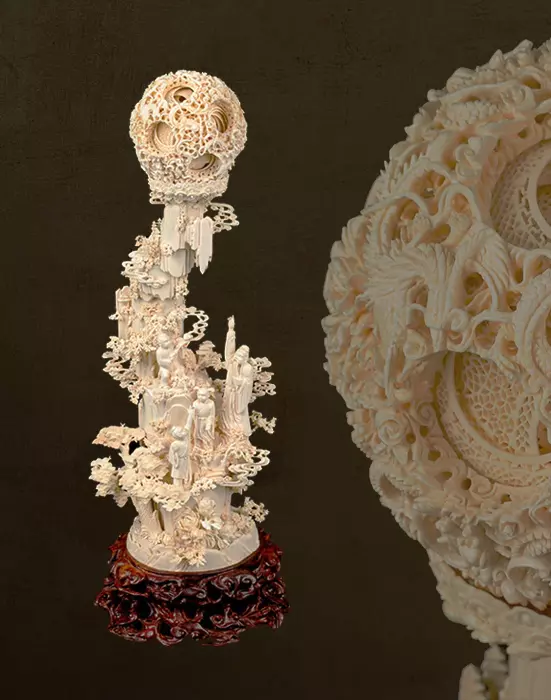
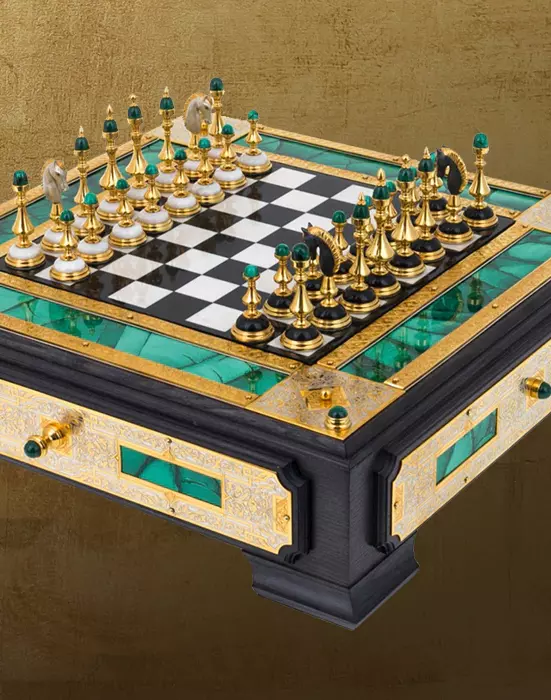
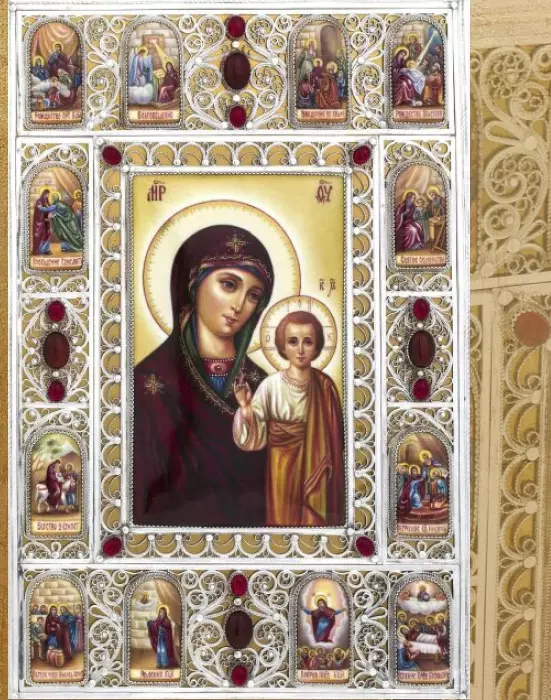
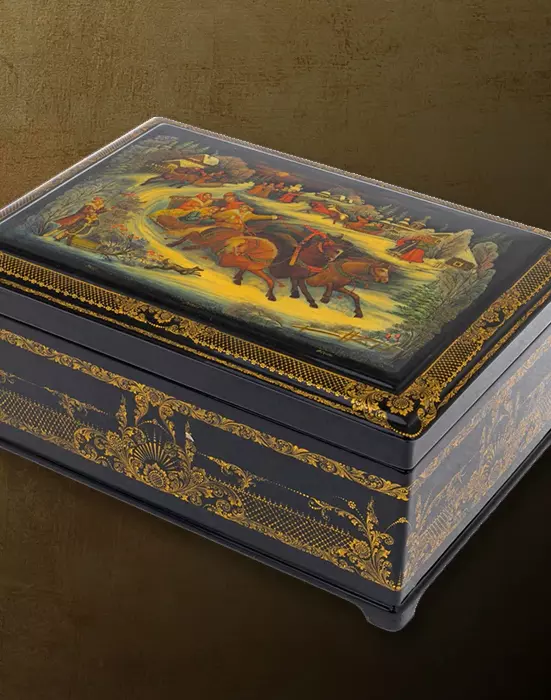
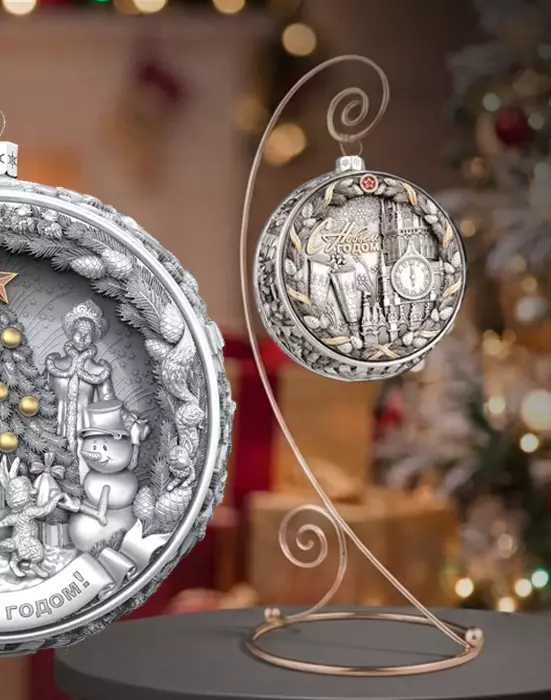
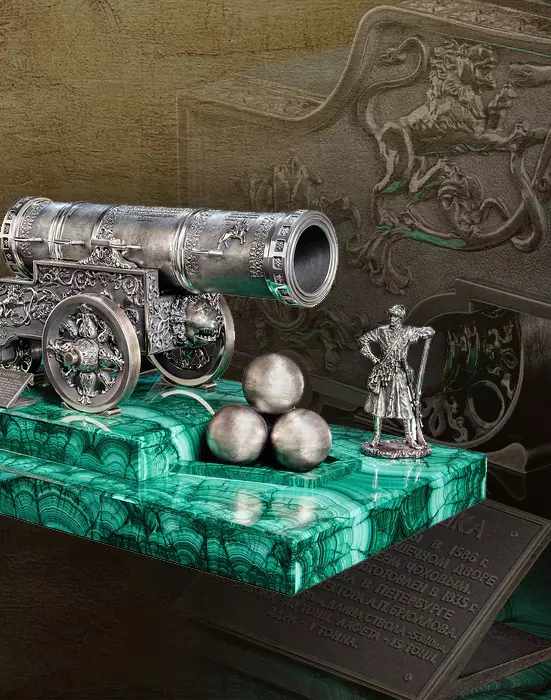
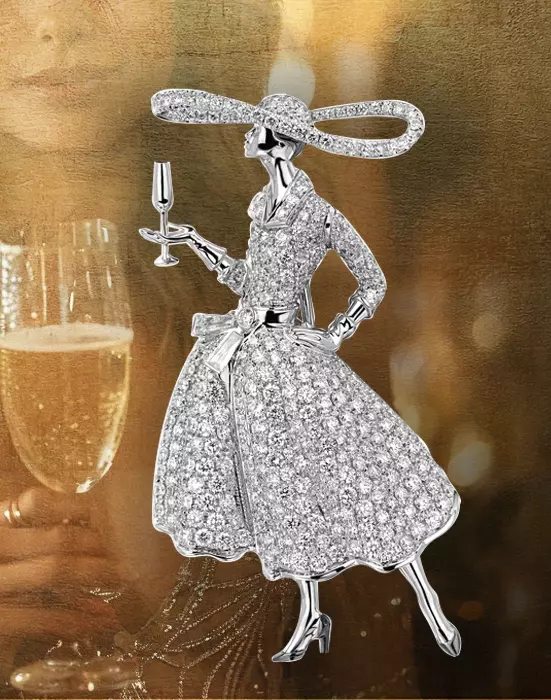
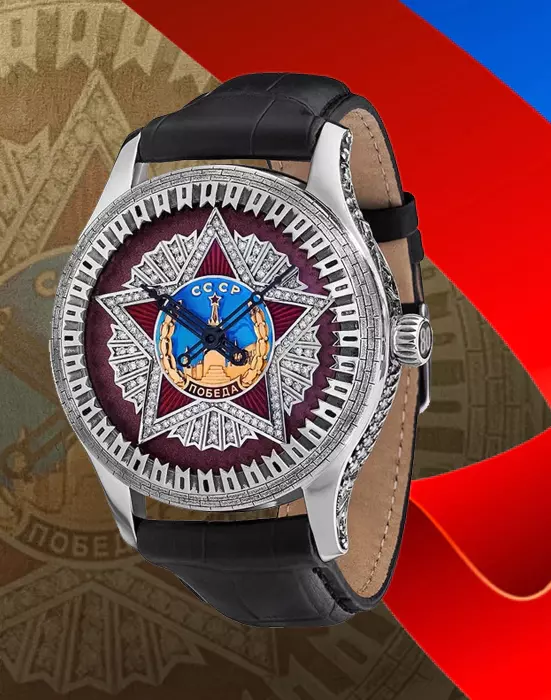
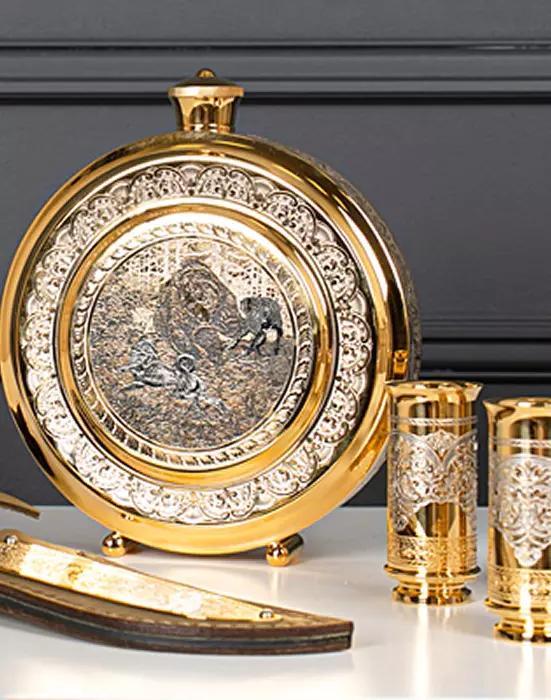
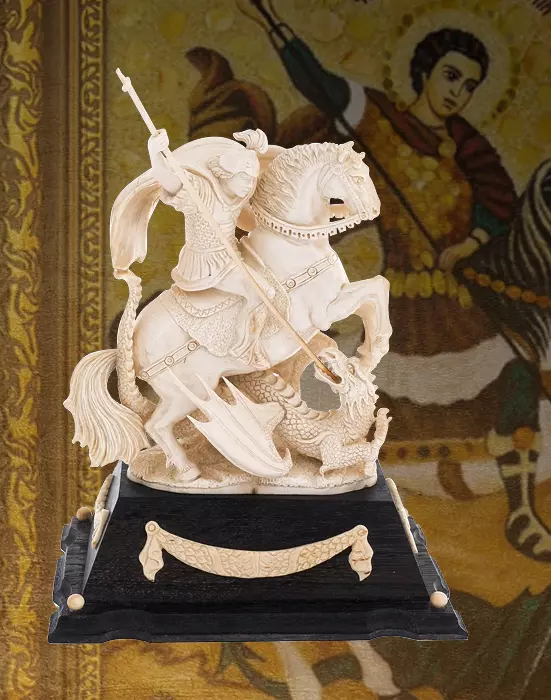
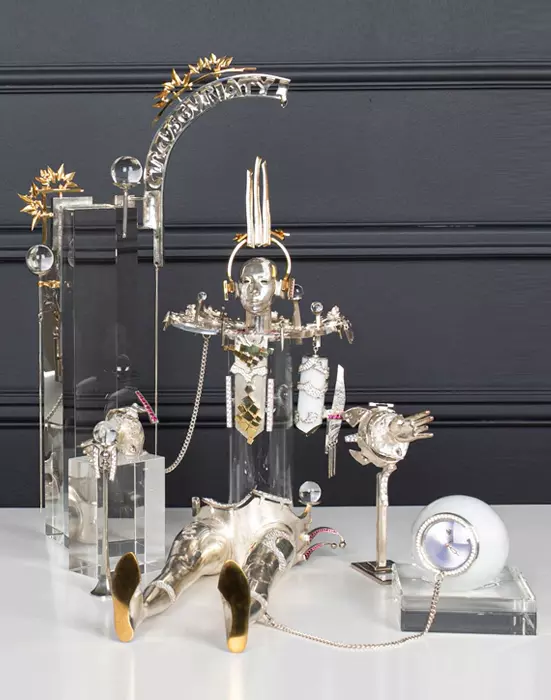
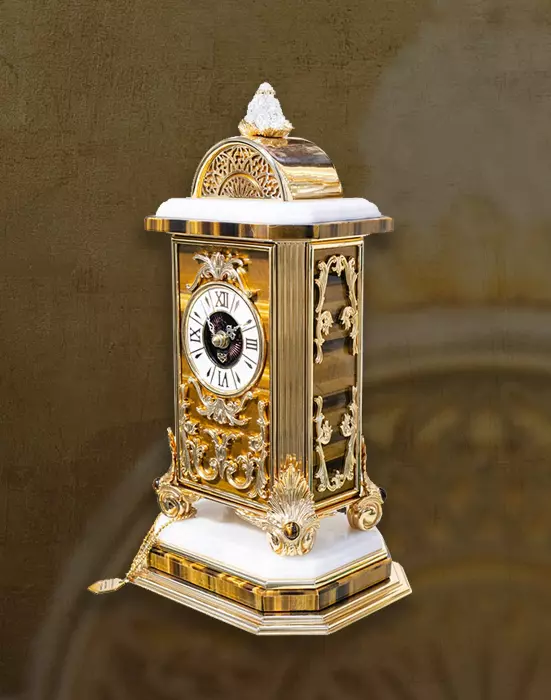
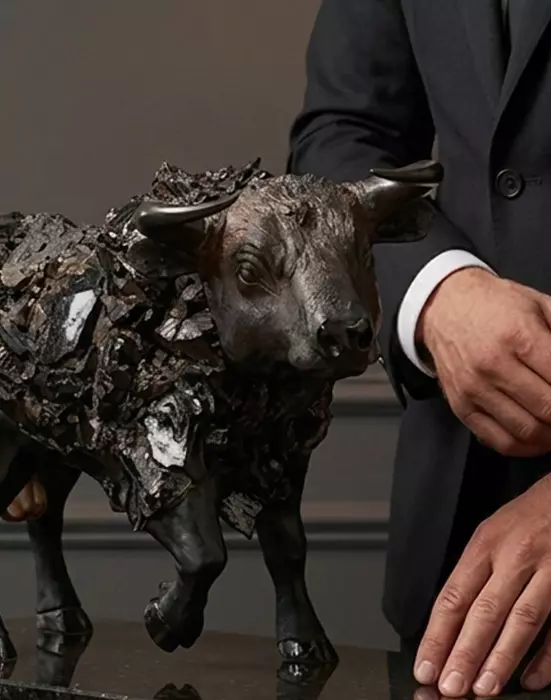
Maslenitsa is a holiday that unites people, gives joy and anticipation of warmth. This is a time when you can have a lot of fun, enjoy delicious food and feel at one with nature and with each other and give each other exclusive gifts from our special collection.
Prepare the pans, stock up on flour and have a good mood – spring is near!