




























Top.Mail.Ru
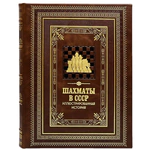
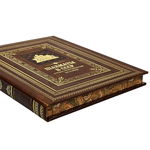
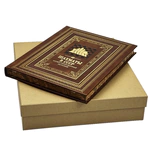
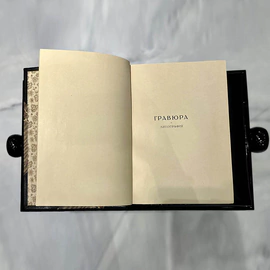
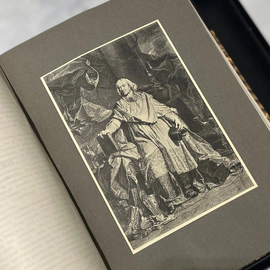
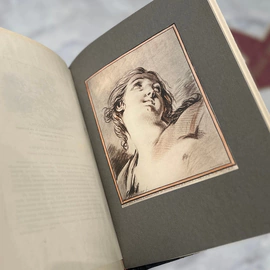
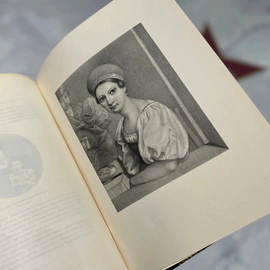
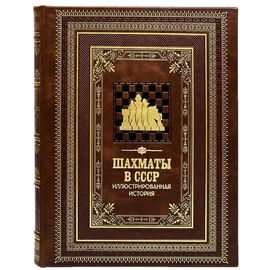
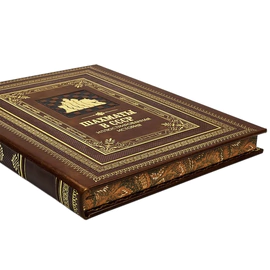
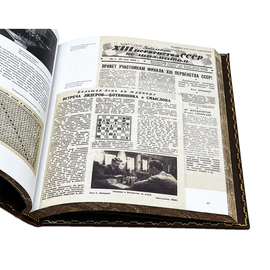
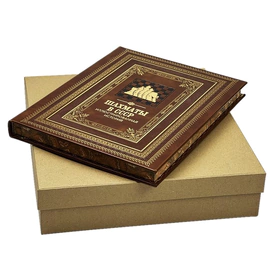
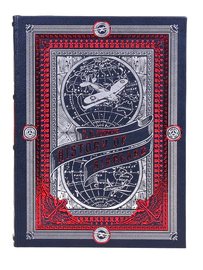
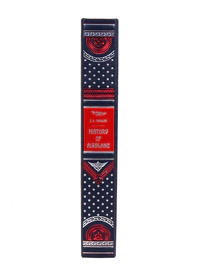
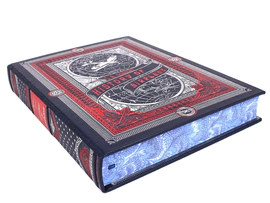
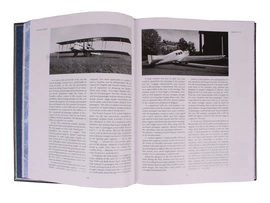
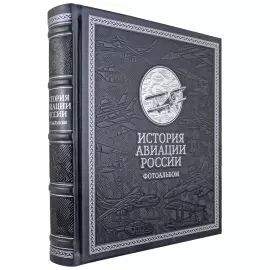
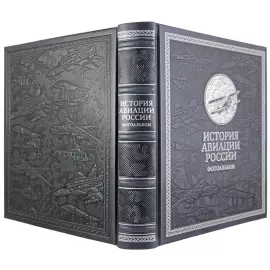
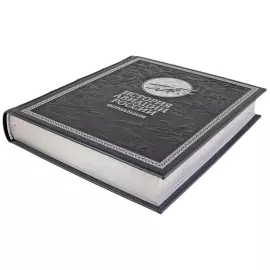
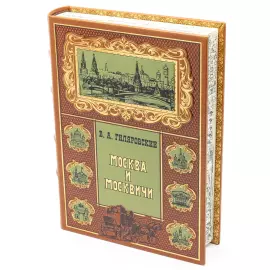
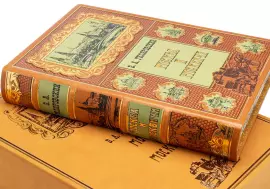
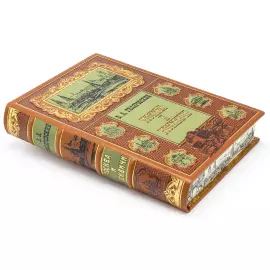
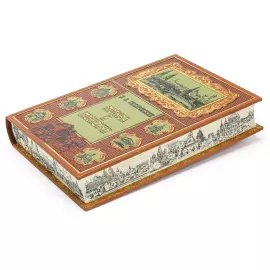
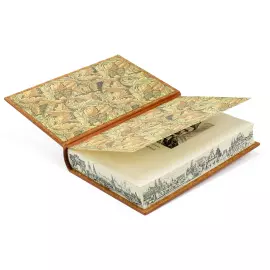
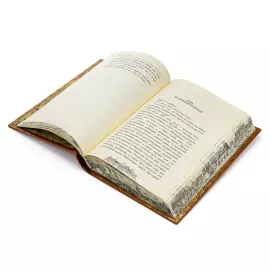
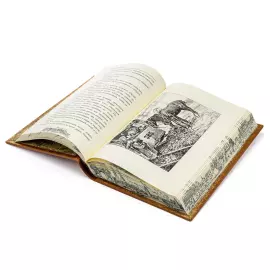
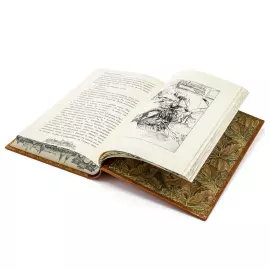
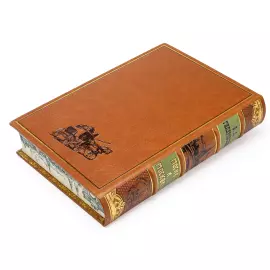
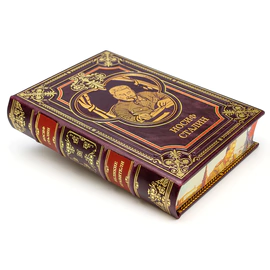
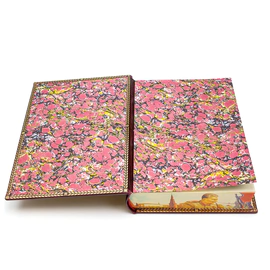
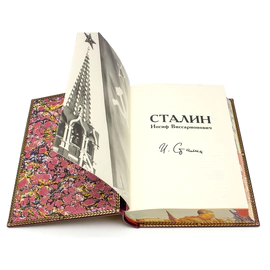
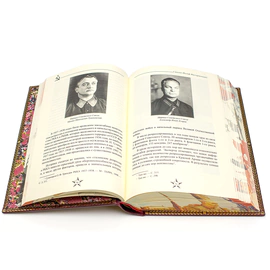
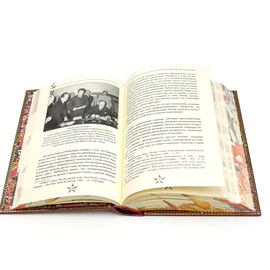
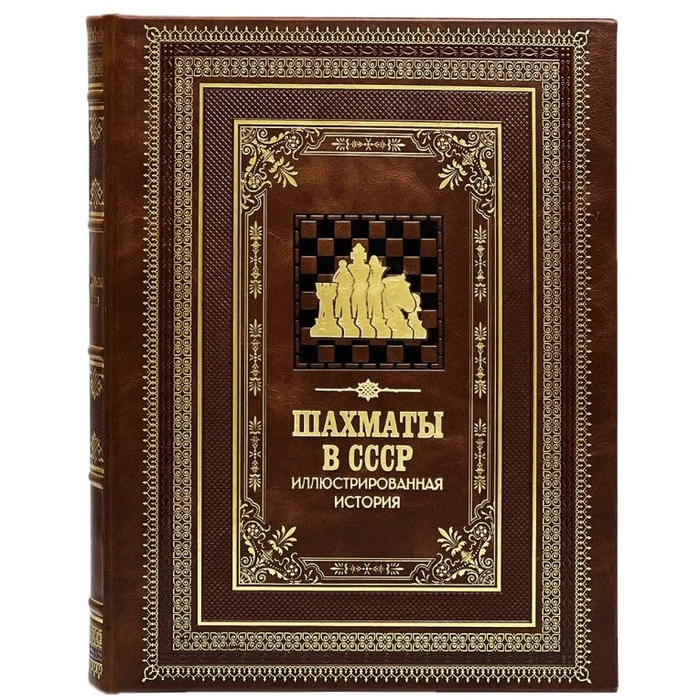
A leather-bound book "Chess in the USSR. Illustrated History"
Art. : 015-1168
Available in stock
22 500 ₽
Add a gift label
Engraving on the nameplate 1000 ₽
Wrapping
Standard packaging (free )
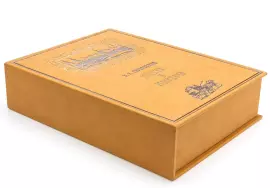
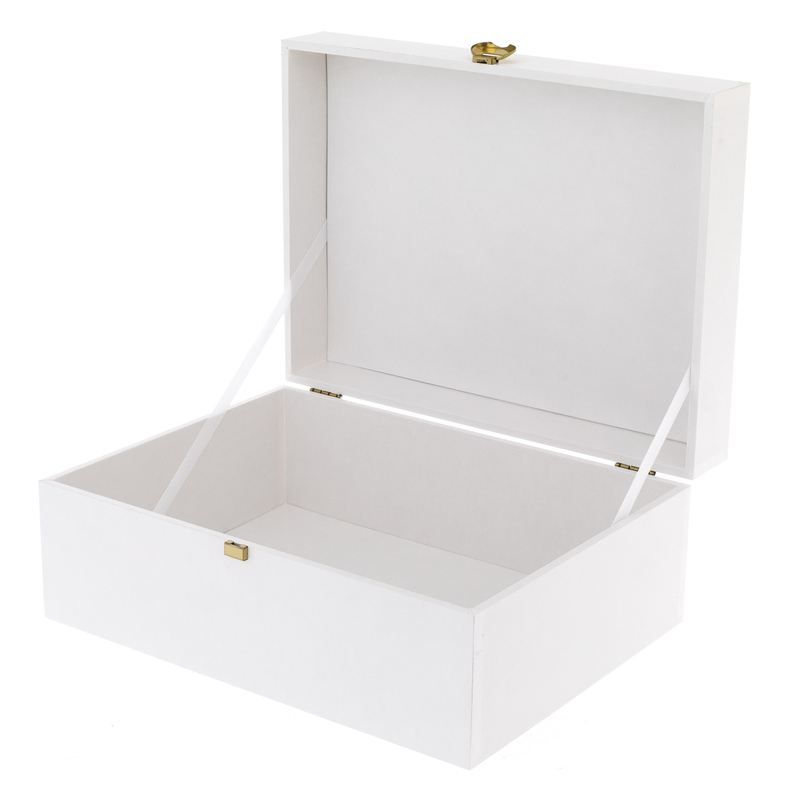
Box 35 x 26 x 15 cm (5000 ₽ )
Delivery options
Moscow :
Worldwide :
  • Delivery by a transport company in the shortest possible time
  • VIP air delivery
  • Delivery rates
About this product
Art. : 015-1168
This album offers a panorama of the seventy-year history of Soviet chess in all its diversity, to feel the movement of time, to see how thousands of fans of the game become millions, how the era of silent films, telegraphic games and circles in workers' clubs grows into the era of nationally known champions, the "Chess School" on Central Television, simultaneous game sessions. on a thousand boards. It allows us to evaluate chess in the USSR as a unique cultural phenomenon of the 20th century, to trace the transformation of the artful fun of intelligent people into a powerful tool for the cultural development of the country. To see a successful example of how, through the efforts of interested people, public interest received government support, and how over time the whole world, regardless of political leanings, realized the need to study the Soviet experience in this area.

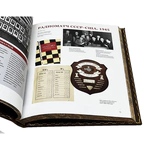
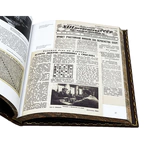
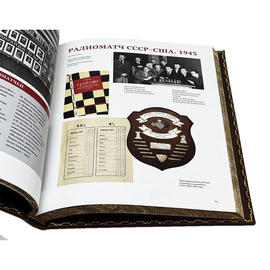
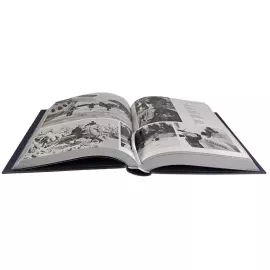
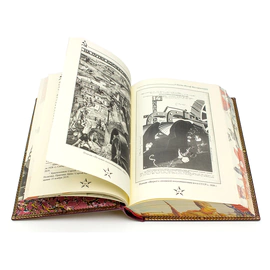
In the recently published book "Luck of the XX Century," historians who tried to systematize the positive experience of our country in the past century devoted a separate chapter to chess. But back in 1951, Sovietologist G. Schwartz, who was critical of Russia, admitted in his quest to uncover the "secret of Soviet chess" that "one can make fun of Soviet claims to primacy in everything in the world, but in at least one area the Soviets really beat everyone: chess. Their successes bring tangible prestige to the Soviet Union and destroy the image of Russians as a semi–civilized backward people, a view that was diligently promoted by the Nazis before and during World War II." In an era of warming relations between Russia and the West, British Professor D. Richards set out to study Soviet chess in order, as he writes, "not to glorify or defame the Soviet regime, but to conduct an analysis in a small area of intellectual history." He tried to define the place of the chess movement in the USSR between two extreme poles, on one of which the history of Soviet chess is "an example of the wisdom and benevolence of the Soviet regime," and on the other it provides an example of "the triumph of human genius over totalitarian control." The professor drew attention to a paradox showing that the development of chess culture does not fit into the political and ideological framework of the state. Indeed, in the USSR, chess was given its due, on the one hand, by prominent statesmen from Lenin and Kalinin to Brezhnev and Defense Minister Malinovsky, and, on the other hand, by such symbols of opposition to the government as the future Interior Minister of Israel Sharansky and the future President of Lithuania Landsbergis. Among the hundreds of photographs, documents, and exhibits, there are rare and unfamiliar ones even to experts: they are published in this book for the first time. A significant part of the Illustrated History materials is based on the collection of the Chess Museum and the archive of the Russian Chess Federation. However, for all its diversity, this is not a comprehensive encyclopedia or a reference book: all the wealth accumulated in those years cannot be exhausted even by a multi-volume publication.

Dear customers, the color and texture of the skin may differ from the photos.
This album offers a panorama of the seventy-year history of Soviet chess in all its diversity, to feel the movement of time, to see how thousands of fans of the game become millions, how the era of silent films, telegraphic games and circles in workers' clubs grows into the era of nationally known champions, the "Chess School" on Central Television, simultaneous game sessions. on a thousand boards. It allows us to evaluate chess in the USSR as a unique cultural phenomenon of the 20th century, to trace the transformation of the artful fun of intelligent people into a powerful tool for the cultural development of the country. To see a successful example of how, through the efforts of interested people, public interest received government support, and how over time the whole world, regardless of political leanings, realized the need to study the Soviet experience in this area.

In the recently published book "Luck of the XX Century," historians who tried to systematize the positive experience of our country in the past century devoted a separate chapter to chess. But back in 1951, Sovietologist G. Schwartz, who was critical of Russia, admitted in his quest to uncover the "secret of Soviet chess" that "one can make fun of Soviet claims to primacy in everything in the world, but in at least one area the Soviets really beat everyone: chess. Their successes bring tangible prestige to the Soviet Union and destroy the image of Russians as a semi–civilized backward people, a view that was diligently promoted by the Nazis before and during World War II." In an era of warming relations between Russia and the West, British Professor D. Richards set out to study Soviet chess in order, as he writes, "not to glorify or defame the Soviet regime, but to conduct an analysis in a small area of intellectual history." He tried to define the place of the chess movement in the USSR between two extreme poles, on one of which the history of Soviet chess is "an example of the wisdom and benevolence of the Soviet regime," and on the other it provides an example of "the triumph of human genius over totalitarian control." The professor drew attention to a paradox showing that the development of chess culture does not fit into the political and ideological framework of the state. Indeed, in the USSR, chess was given its due, on the one hand, by prominent statesmen from Lenin and Kalinin to Brezhnev and Defense Minister Malinovsky, and, on the other hand, by such symbols of opposition to the government as the future Interior Minister of Israel Sharansky and the future President of Lithuania Landsbergis. Among the hundreds of photographs, documents, and exhibits, there are rare and unfamiliar ones even to experts: they are published in this book for the first time. A significant part of the Illustrated History materials is based on the collection of the Chess Museum and the archive of the Russian Chess Federation. However, for all its diversity, this is not a comprehensive encyclopedia or a reference book: all the wealth accumulated in those years cannot be exhausted even by a multi-volume publication.

Dear customers, the color and texture of the skin may differ from the photos.
Expand
Characteristics

ISBN:978-5-907077-52-2

Publisher of the book block:FSHR Library

Place of publication:Moscow

Year of publication:2022

Number of pages:239 pages.

Sizes: 29 × 22.5 × 2.7 cm .

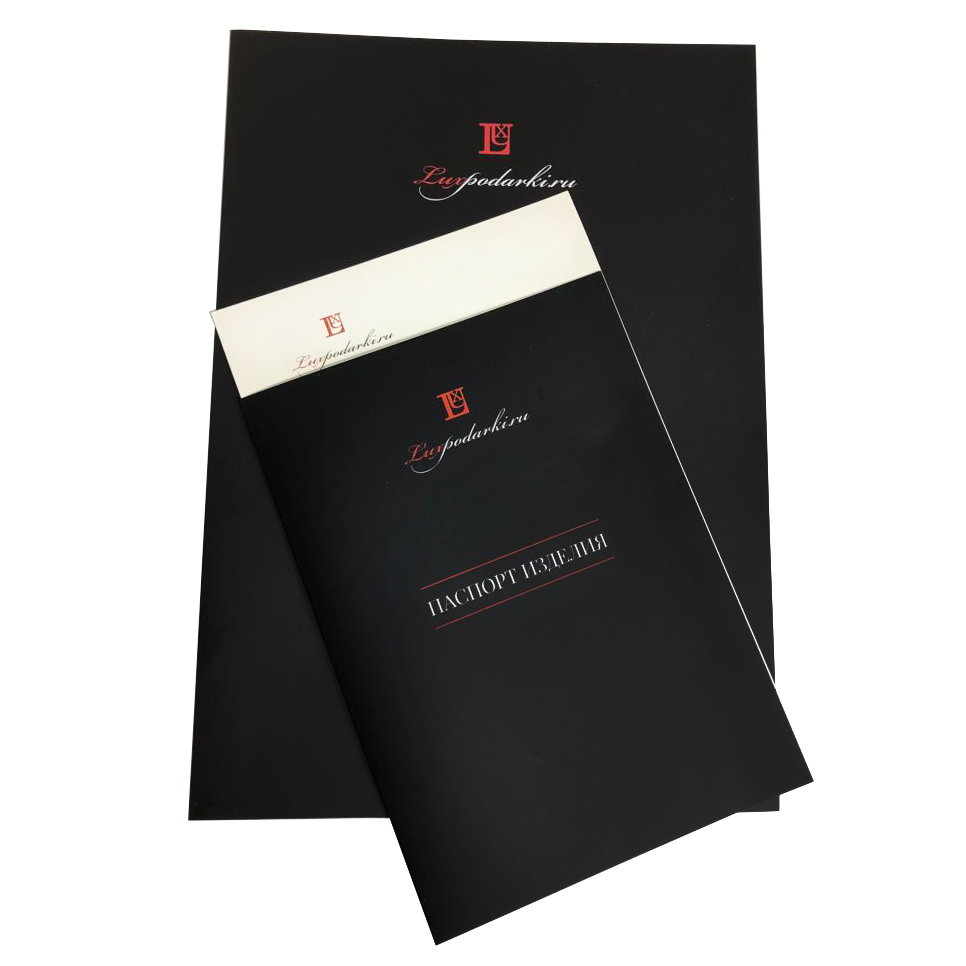
You will receive a passport with this product.

Similar products

  Leather-bound book "The Canon of Tea in illustrations" Leather-bound book "The Canon of Tea in illustrations" The Canon of Tea is the first ever treatise on tea, written by the hermit Lu Yu in the 8th century. In China, he is revered as the "tea immortal". The author of the book, Qiu Jiping, illustrated all the stages of tea production, preparation and drinking described by Lu Yu. This book will help the reader to imagine how tea was prepared and drunk at the dawn of the tea tradition.
13 700 ₽
Clarify availablility
  Leather-bound gift book "Cosmonautics" Leather-bound gift book "Cosmonautics" Soviet and Russian cosmonauts have an interesting tradition — they watch the film "White Sun of the Desert" before departure. It turns out that this tradition has a logical justification. It was this movie that was shown to the astronauts as a standard of camerawork — using its example, they were explained how to work with the camera correctly and make a plan. A gift edition of "Cosmonautics" from the "Great Legacy" series. The book is printed on designer paper with a thematic design, painstaking work has been done to develop unique cliches to create such an embossed pattern on the skin. Professional handwork A unique edition in a beautiful handmade leather binding, in a gift box that opens from the top, with thematic gold and pancake and colored embossing, unique color illustrations, on coated paper, will be an excellent gift for fans of this subject!
41 900 ₽
Available:
Lubyanka
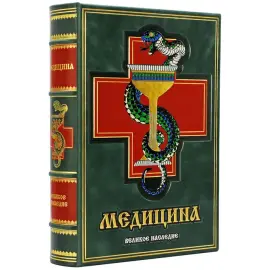
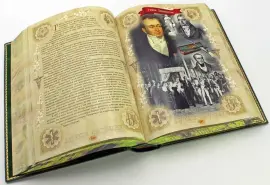
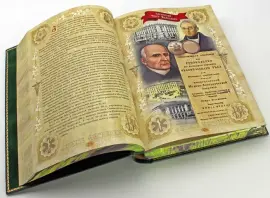
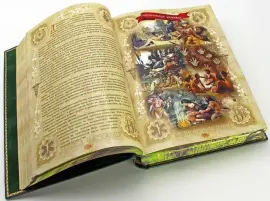
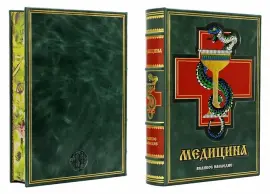
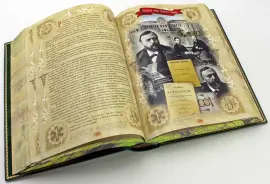
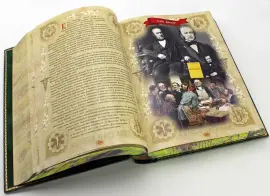
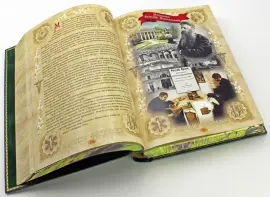
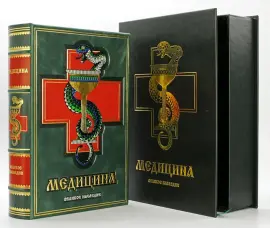
  Leather-bound gift book "Medicine" Leather-bound gift book "Medicine" The book is about the profession, about people, about the history of saving thousands of lives. A unique edition in a unique design. French, historical leather binding style, unique embossing and individual page design style. Limited edition, printed on designer paper Ozon Ivory Germany.
43 000 ₽
Clarify availablility
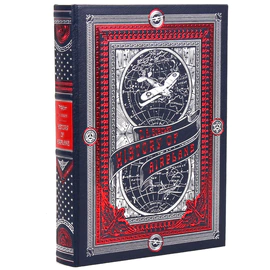
  The leather-bound book "History of airplane" The leather-bound book "History of airplane" The book describes in detail all the stages and directions of aircraft development during the time from the appearance of the first projects of "flying machines" to the present day. It is intended for both specialists and a wide range of readers interested in aviation. The book "The History of the world's aircraft" is published in two languages: Russian and English. The English version was prepared with the participation of Indian authors and organizations. The forewords to the "History of the World's Aircraft" were written by the President of JSC United Aircraft Corporation, Academician of the Russian Academy of Sciences, Doctor of Technical Sciences M.A.Poghosyan, Chairman of the Committee of the Federation Council of the Russian Federation on Defense and Security V.A.Ozerov and CEO of Rusavia LLC, Candidate of Technical Sciences S.N.Baranov.The introduction to the English edition was written by the Chairman of Hindustan Aeronautics Limited (India), Doctor of Technical Sciences R.K. Tyagi.  
30 000 ₽
Available in stock
  Leather-bound book "Kiev Princes" Leather-bound book "Kiev Princes" A collection of 10 reprint books. 1. Khmyrov, Mikhail Dmitrievich (1830-1872) Andrey Yuryevich Bogolyubsky. An essay from the Russian history of the XII century. 2. Berezhkov, Mikhail Nikolaevich (1850-) Blessed Igor Olgovich, Prince of Novgorodseversky and Grand Duke of Kiev. 3. Georgievsky, Vasily Timofeevich (1861-1923) The Holy Blessed Grand Duke Andrei Bogolyubsky 4. Dashkevich, Nikolai Pavlovich (1852-1908) The Reign of Daniel Galitsky according to Russian and foreign news. 5. Zavitnevich, Vladimir Zenonovich (1853-1927) Vladimir the Saint as a politician. 6. Markov, Nikolai Fedoseevich (1854-) Grand Duke Vladimir the Holy. Ist.-biogr. essay. 7. Memorsky, Alexander Mikhailovich The founder of Nizhny Novgorod, Grand Duke George (Yuri) II Vsevolodovich. (1189-1889) Nizhny Novgorod Gubernia Academic Arch. comis. 8. Ivanchin-Pisarev, Nikolai Dmitrievich (c. 1795-1849) Mikhail, Grand Duke of Kiev-Chernigov and his boyar Theodore. 9. Palauzov, Spiridon Nikolaevich (1818-1872) Rostislav Mikhailovich, Russian appanage prince on the Danube in the XIII century. With a table showing the relationship. the connection of the Slavs. vladet. houses in the XIII century . 10. Chaev, N. Prince of Ancient Russia.
60 000 ₽
Available in stock
Altmaster The leather-bound book "Vodka" The leather-bound book "Vodka" The binding of the book is handmade from natural tanned calfskin with preserved natural texture. The central element of the composition bears the marks of the workshop and assay chamber. Branded case included. Completely handmade.
65 100 ₽
Clarify availablility
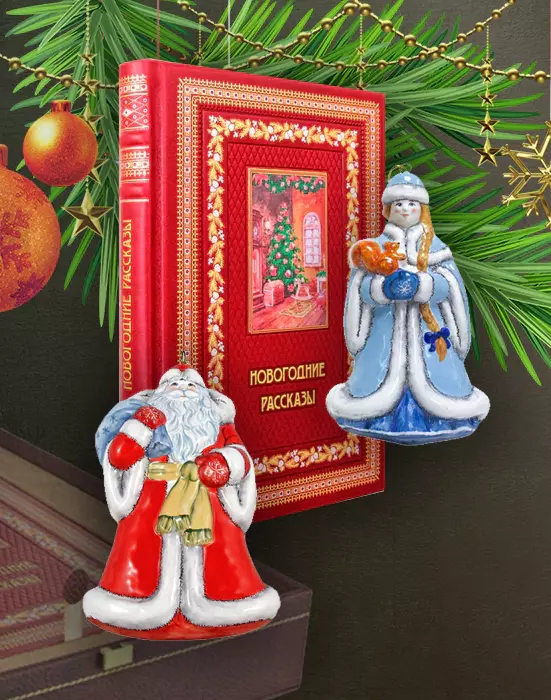
  Gift set with a book and New Year's toys "While the clock is striking twelve ... New Year's almanac" Gift set with a book and New Year's toys "While the clock is striking twelve ... New Year's almanac" The New Year's almanac for family reading includes more than 20 creations by Russian and foreign authors, as well as fascinating stories about Santa Claus, winter fun, traditions and customs of celebrating Christmas and New Year in different countries.
61 900 ₽
Clarify availablility
  The book "Notes on the Gallic War" by Gaius Julius Caesar The book "Notes on the Gallic War" by Gaius Julius Caesar “Notes on the Gallic War" is the most famous work of Gaius Julius Caesar (100-44 BC), the greatest commander and statesman of Ancient Rome. In his unique book, Caesar tells about the conquest of Gaul in 58-52 BC, military campaigns and crossings of the Rhine against ancient Germanic tribes and two landings of the Roman army in Britain. In addition to a detailed description of the military actions of the warring parties, the author devoted a significant place in his work to the presentation of many geographical and ethnographic features of the places where these epochal events took place. The book also presents fascinating sketches of the life and customs of numerous tribes that inhabited the territory of modern Western Europe in those ancient times. “Notes on the Gallic War” Gaius Julius Caesar is not only an indispensable source of information on the history of the ancient era, but also a work that can rightfully be considered a classic of world literature. The publication is illustrated with the best works of Russian and world painting.
18 800 ₽
Clarify availablility
Product passport

A passport is attached to products that cost more than 10,000 ₽:

Delivery rates
Moscow
Pickup from the gallery free
In the next day (5 December) 300 ₽
On the day of the order (4 December) 400 ₽
Within 2 hours (4 December) Check with the manager
Evening delivery (4 December) Check with the manager
Beyond the Moscow Ring Road
up to 6 km from MKAD (4 December) 600 ₽
from 6 to 10 from MKAD (4 December) 900 ₽
Over 10 km from MKAD (4 December) Check with the manager
To other cities
VIP, by courier (today)(4 December, today) from 3 000 ₽ (check with the manager)
The transport company according to the tariff of the TC

Courier delivery is carried out when ordering for a total amount of 5000 ₽

Available in galleries
 
Engravement of the nameplate
30
30
30
30

How is it more convenient for you to contact us?