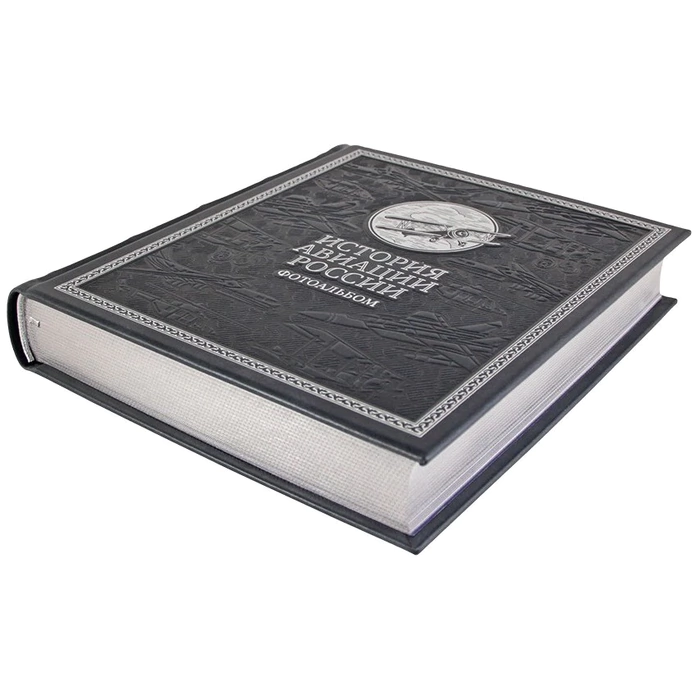
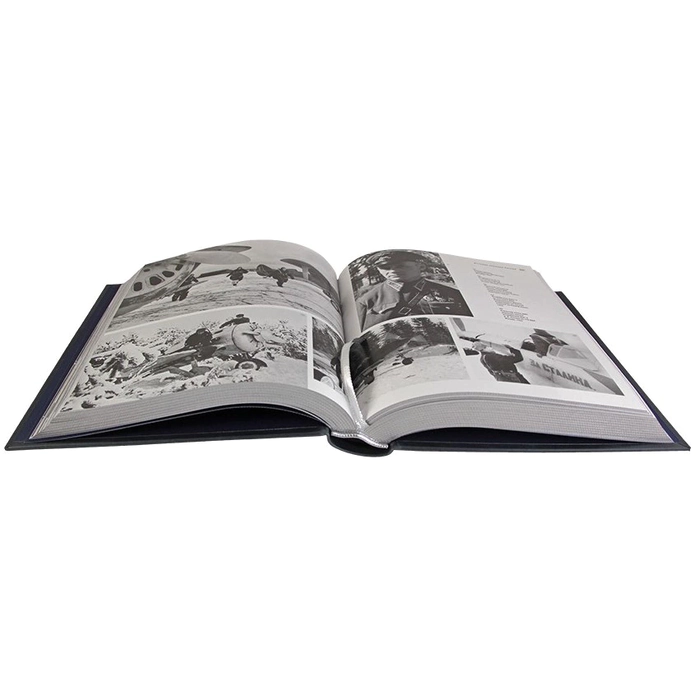
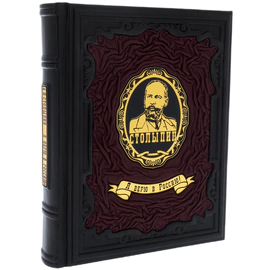
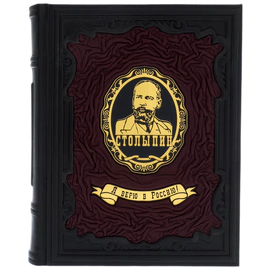
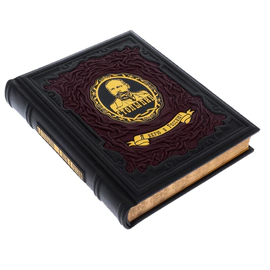
Leather-bound book "I believe in Russia" by P.A. Stolypin
Art.
:
156-162
Check availability


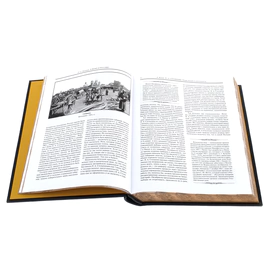
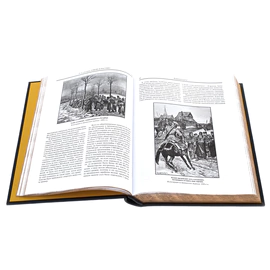
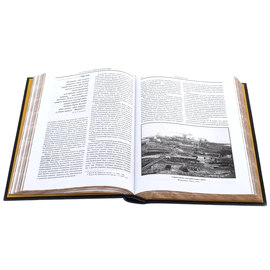
24 000
₽
Add a gift label
Engraving on the nameplate
1500
₽
Wrapping
Standard packaging
(free)
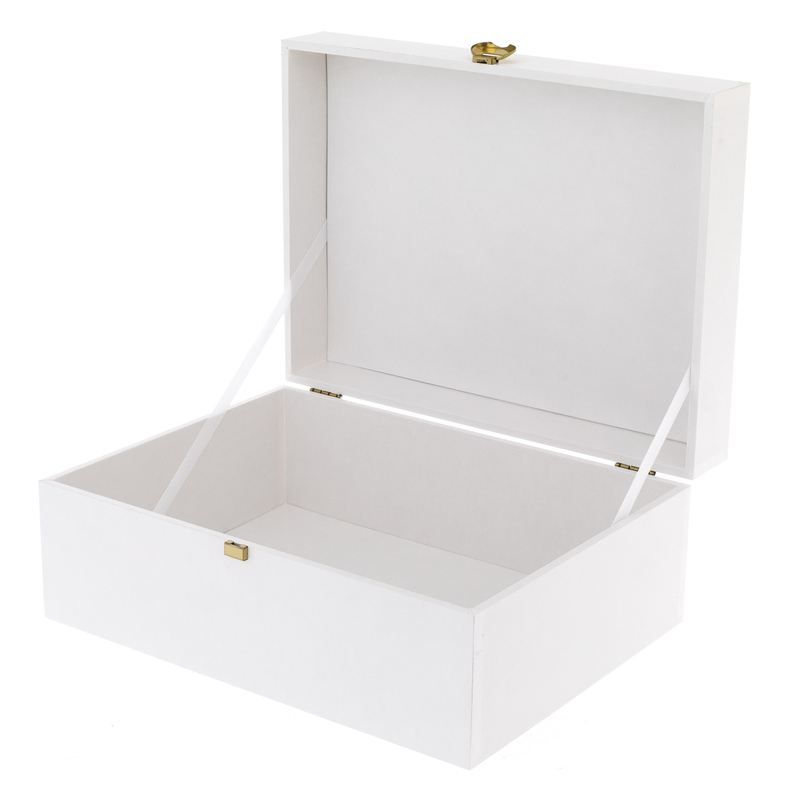
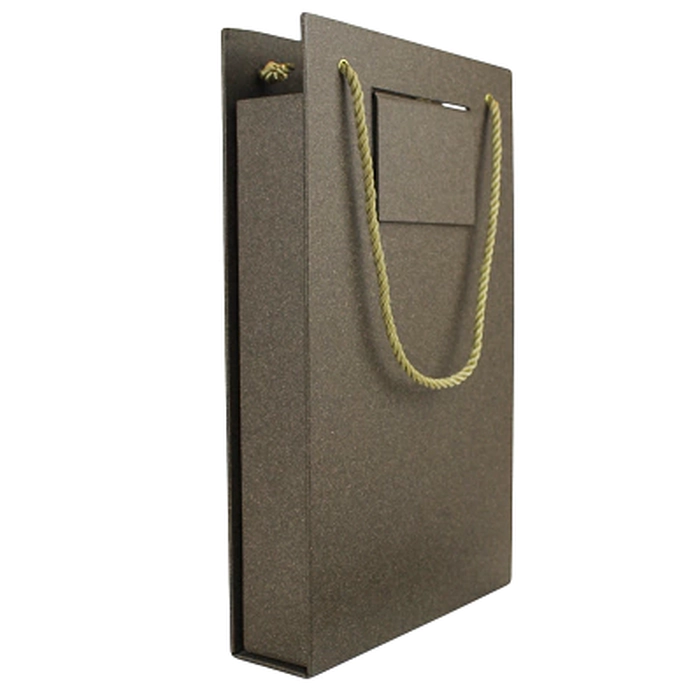
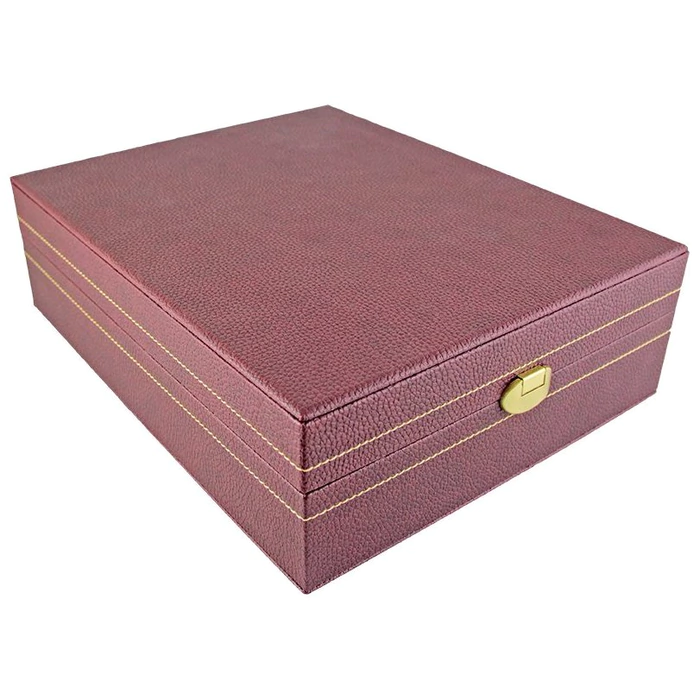
Box 35 x 26 x 15 cm
(5000
₽
)
Delivery options
Moscow
:
- Pickup from gallery : Set a route
- Courier delivery
Worldwide
:
- Delivery by a transport company in the shortest possible time
- VIP air delivery
- Delivery rates
About this product
Art.
:
156-162
The complexity of his situation cannot be overestimated. For the first year and a half, he had to fight all kinds of extremists, terrorists and revolutionaries. The struggle was not for life, but to the death, but most importantly: it distracted forces and time from the main task - the reconstruction of Russia. And then there were reforms. And every initiative was met with resistance. The reform of the peasant community conceived by the government was met with misunderstanding both among the peasants themselves and on the part of large landowners. Bureaucracy, corrupted by bribery and irresponsibility, sabotaged the transformations as best it could.
The public - the best part of it, which foresaw the catastrophe and was horrified by it - did not identify itself with the government in any way. Many people wanted to save Russia - only a few were ready to save the throne. In fact, the benign tsar had to seek support in extremely chauvinistic circles. And all the talented and statesmanlike people either lacked the will, or responsibility, or dedication. Everyone wanted to be citizens, they no longer wanted to remain subjects, but they had not yet learned how to be decent people.
At the right moment, Russia lacked the necessary "human material": there were more destroyers than builders. Under these conditions, the business conceived and partially implemented by P. A. Stolypin and his associates is truly grandiose. The reform, interrupted by his death and the World War that soon began, could really save the empire. Stolypin was absolutely right: without peasant reform, it was impossible to reform Russia. He didn't have enough life for that. Russia did not have enough peaceful years to get out of the crisis. The exit was visible - and the country was moving towards it.
Expand
Characteristics
| Country of manufacture: | Russia |
| Material: | skin, paper |
| Style: | classic |
| Особенность: | Handmade books |
| Sizes: | 26 × 21 × 4.5 cm . |
| Weight: | 1.5 kg . |

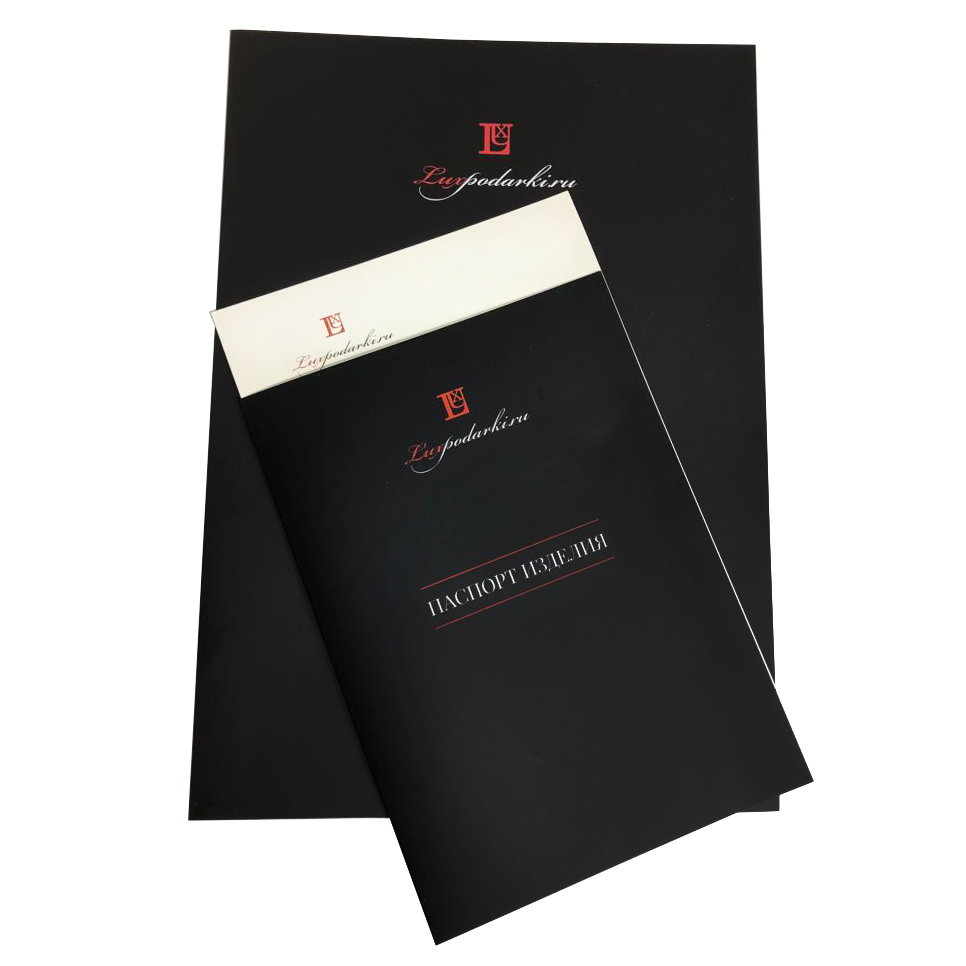
You will receive a passport with this product.
Similar products
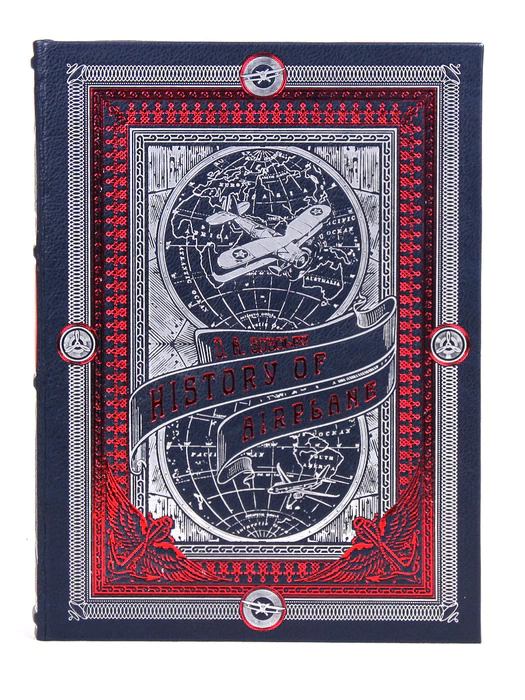
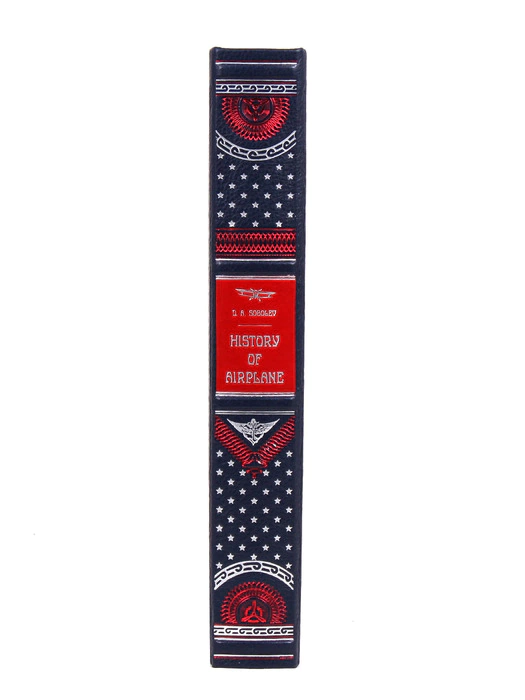
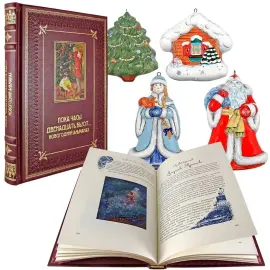
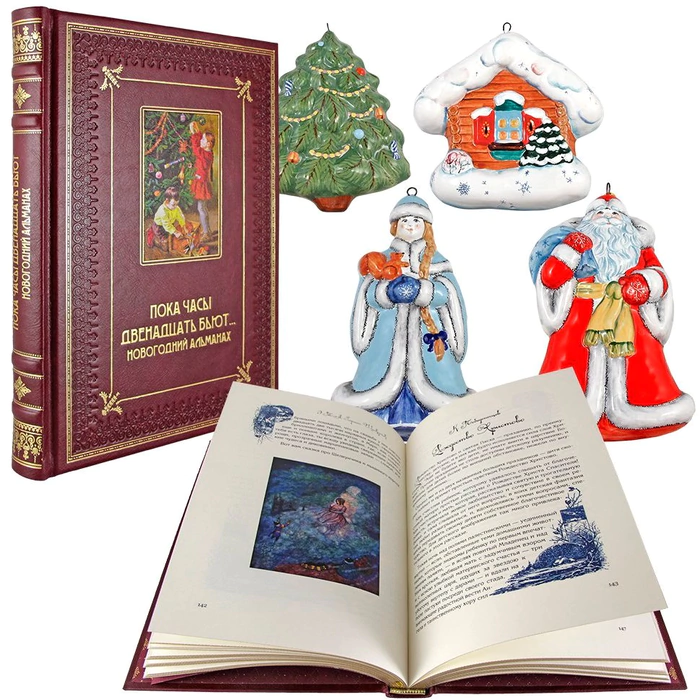
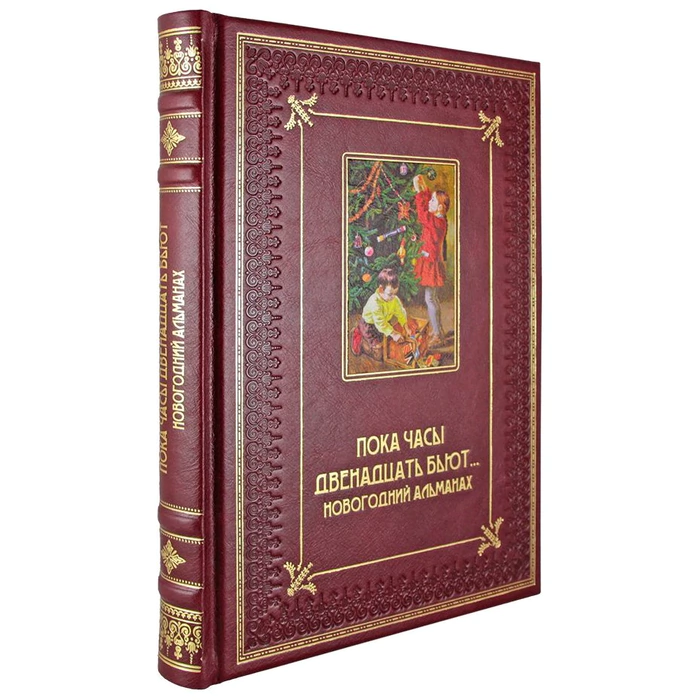
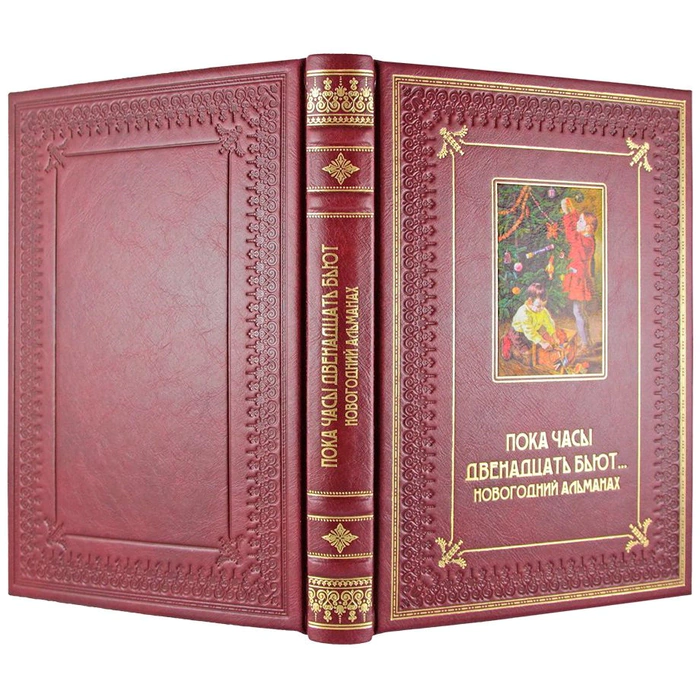
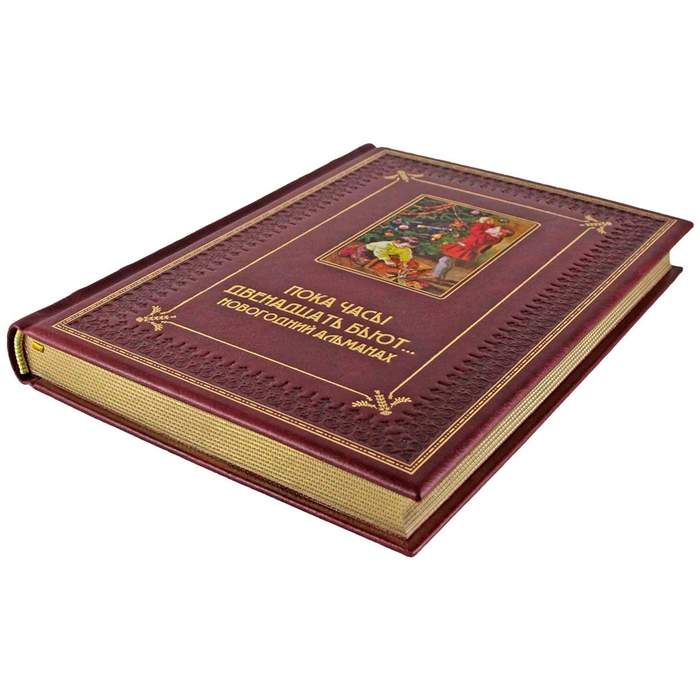
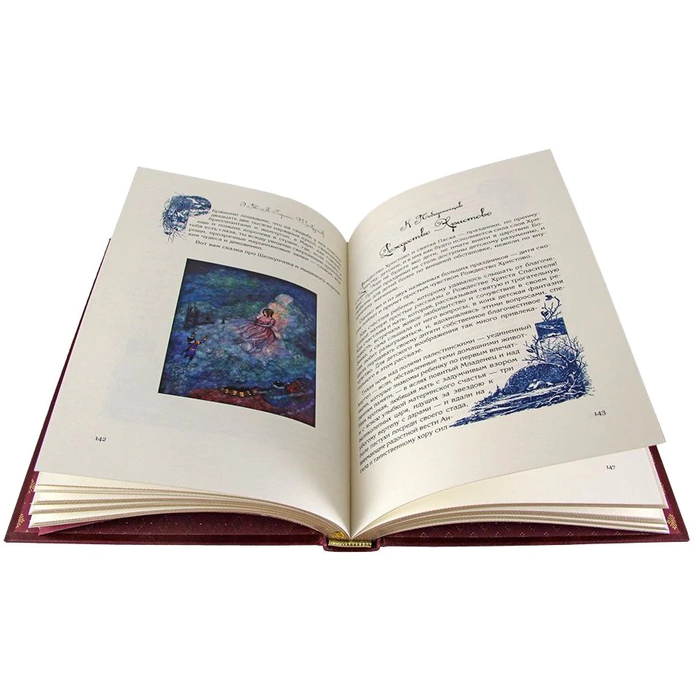
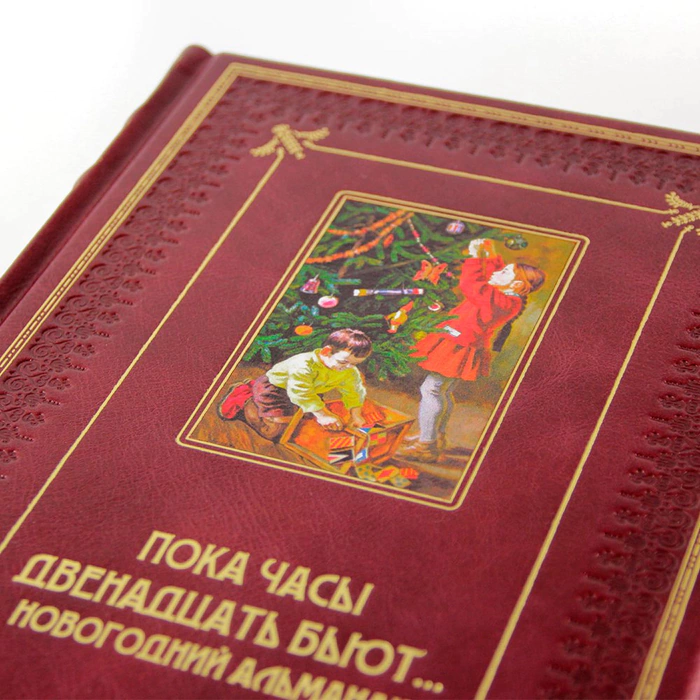
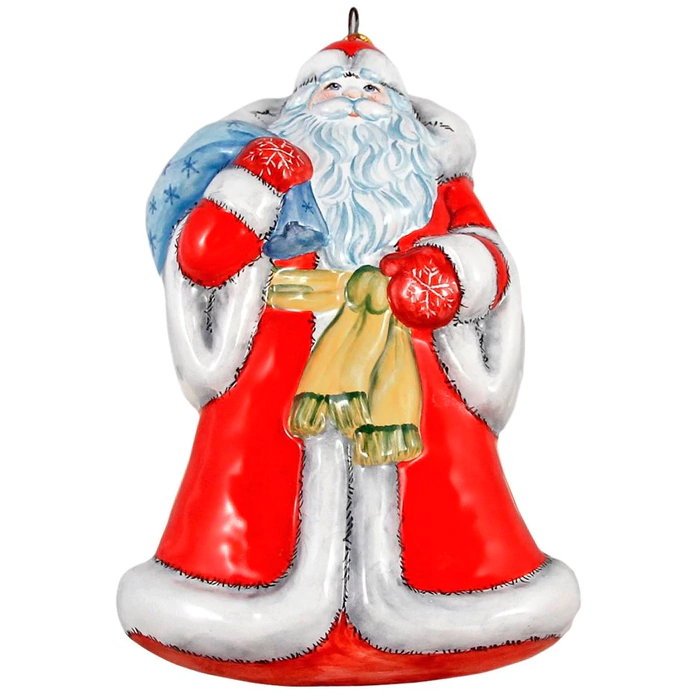
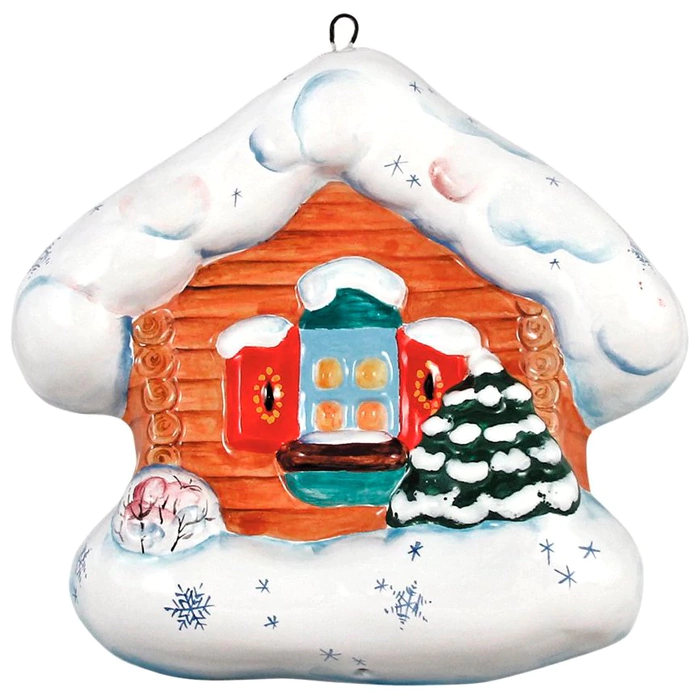
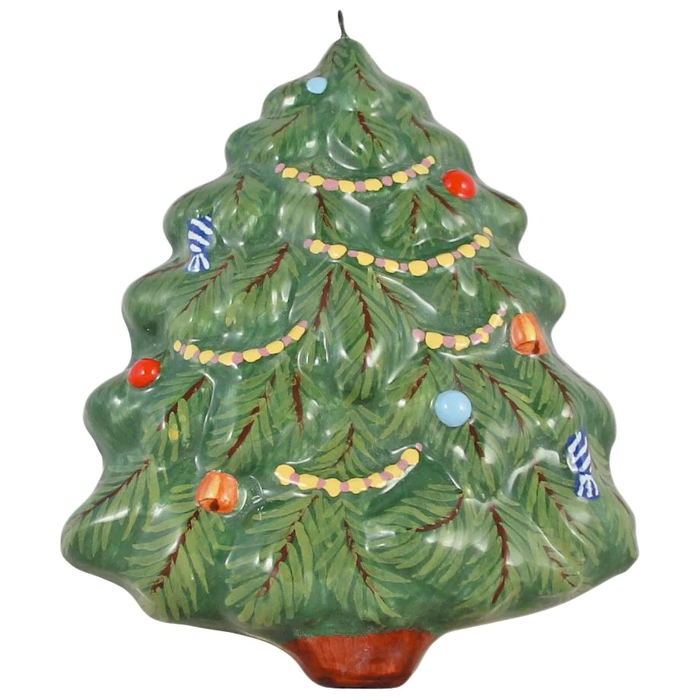
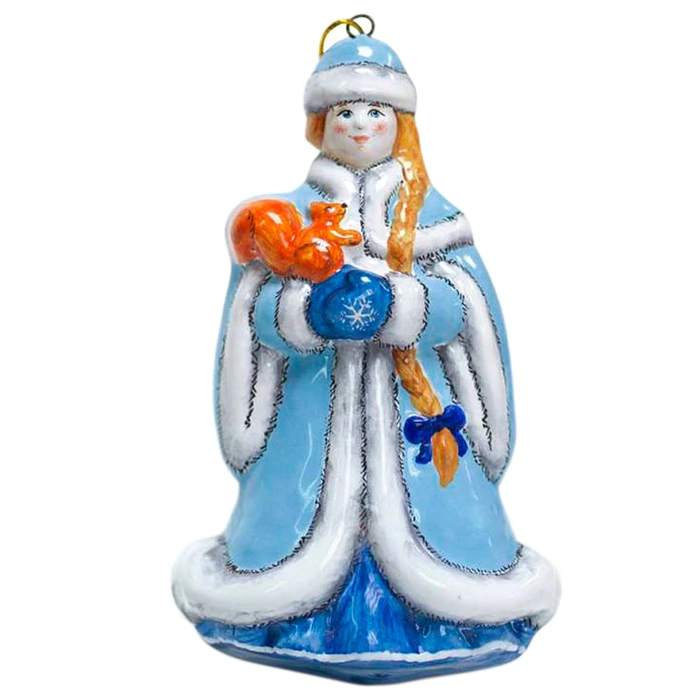
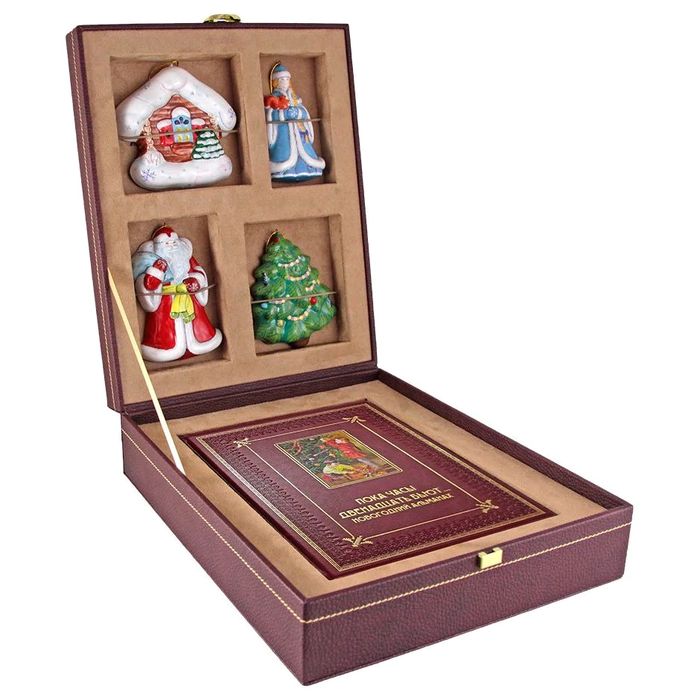
Gift set with a book and New Year's toys "While the clock is striking twelve ... New Year's almanac"
61 900 ₽
Clarify availablility
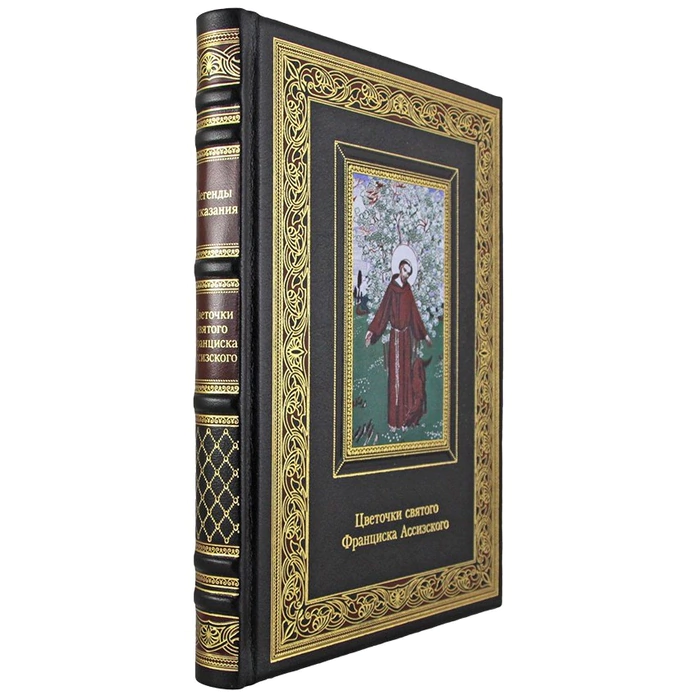
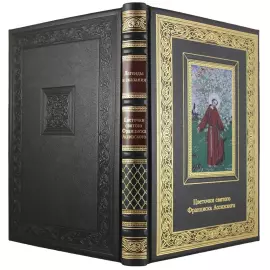
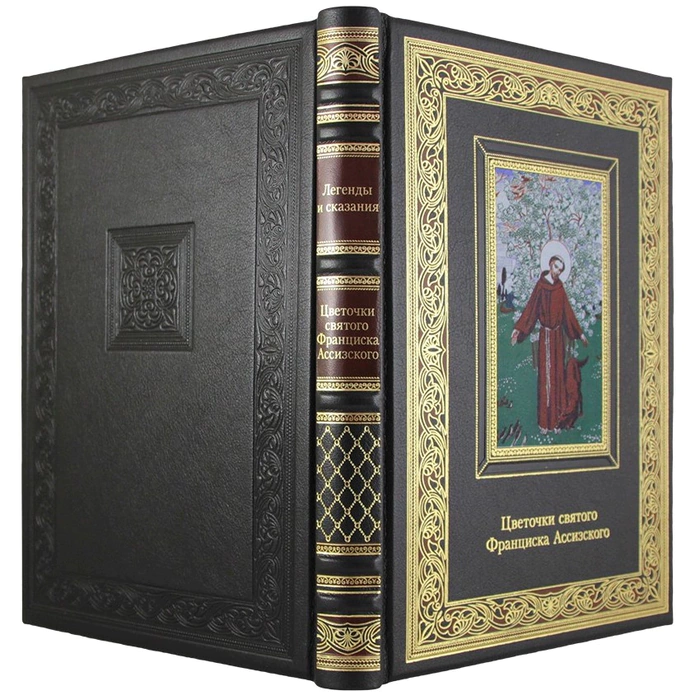
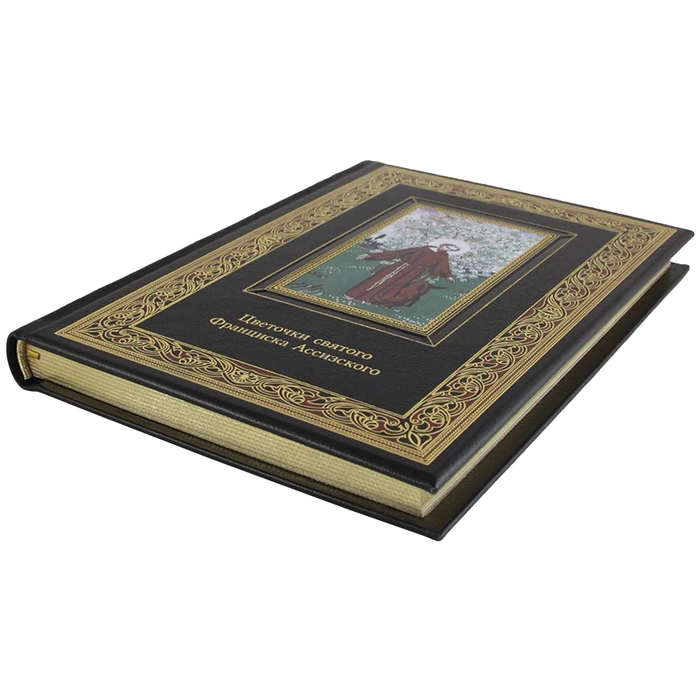
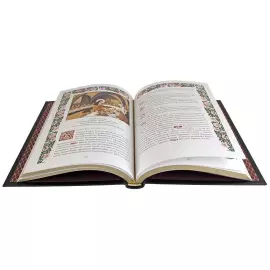
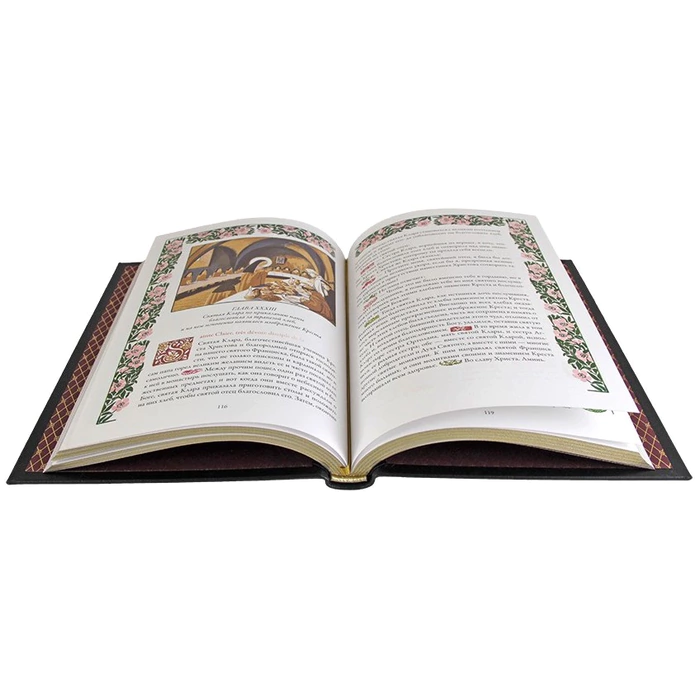
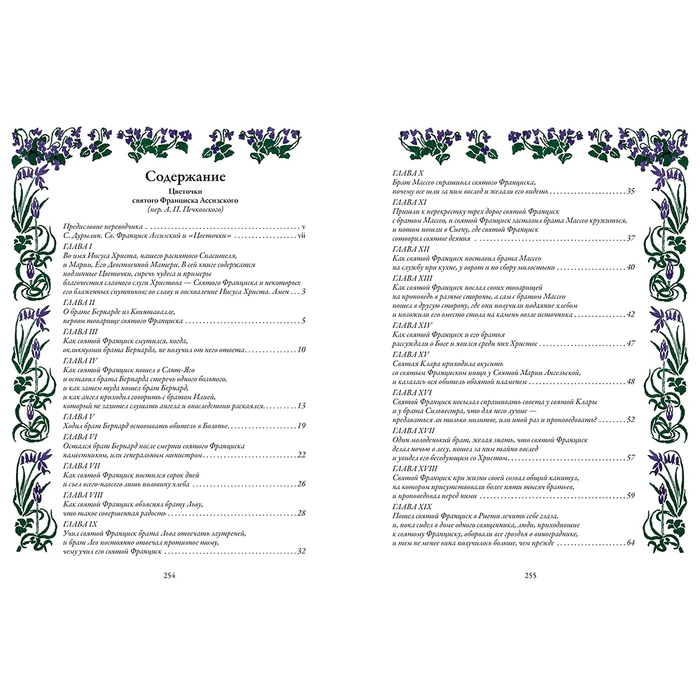
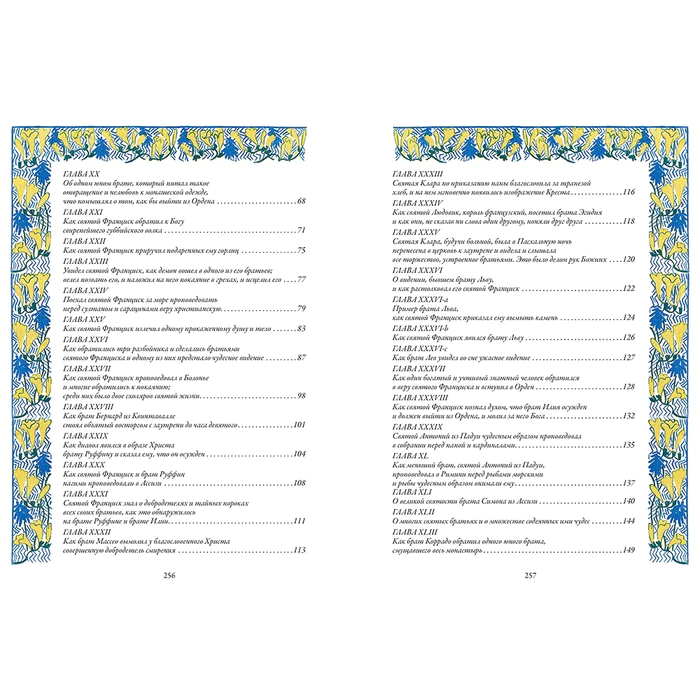
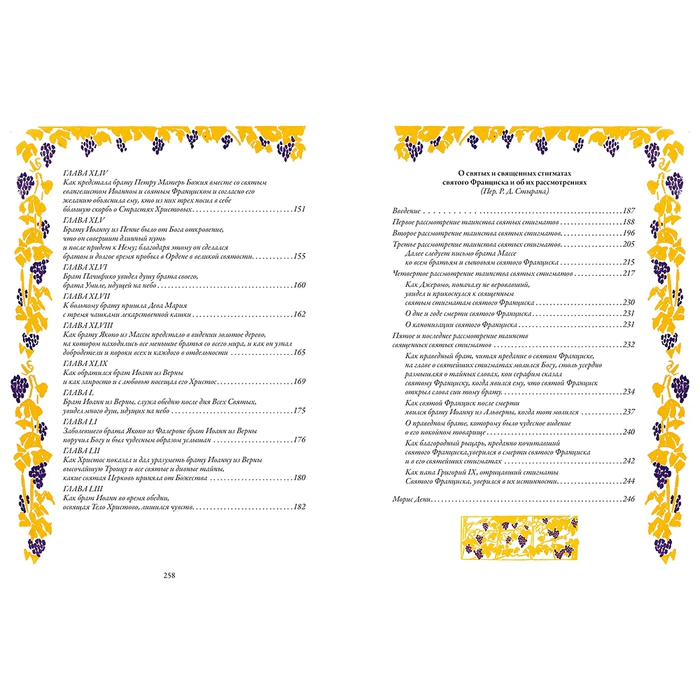
.webp "The book \"The Flowers of St. Francis of Assisi\"")
.webp "The book \"The Flowers of St. Francis of Assisi\"")
.webp "The book \"The Flowers of St. Francis of Assisi\"")
.webp "The book \"The Flowers of St. Francis of Assisi\"")
.webp "The book \"The Flowers of St. Francis of Assisi\"")
.webp "The book \"The Flowers of St. Francis of Assisi\"")
.webp "The book \"The Flowers of St. Francis of Assisi\"")
.webp "The book \"The Flowers of St. Francis of Assisi\"")
.webp "The book \"The Flowers of St. Francis of Assisi\"")
.webp "The book \"The Flowers of St. Francis of Assisi\"")